Current Issue

2026 Vol. 43, No. 3

FORUM
Advances in the Application of Microcapsule Technology in Oilfield Chemistry
JIA Jianghong, CHEN Changzhi, ZHONG Hanyi
2026, 43(3): 289-300. doi: 10.12358/j.issn.1001-5620.2026.03.001
Abstract:
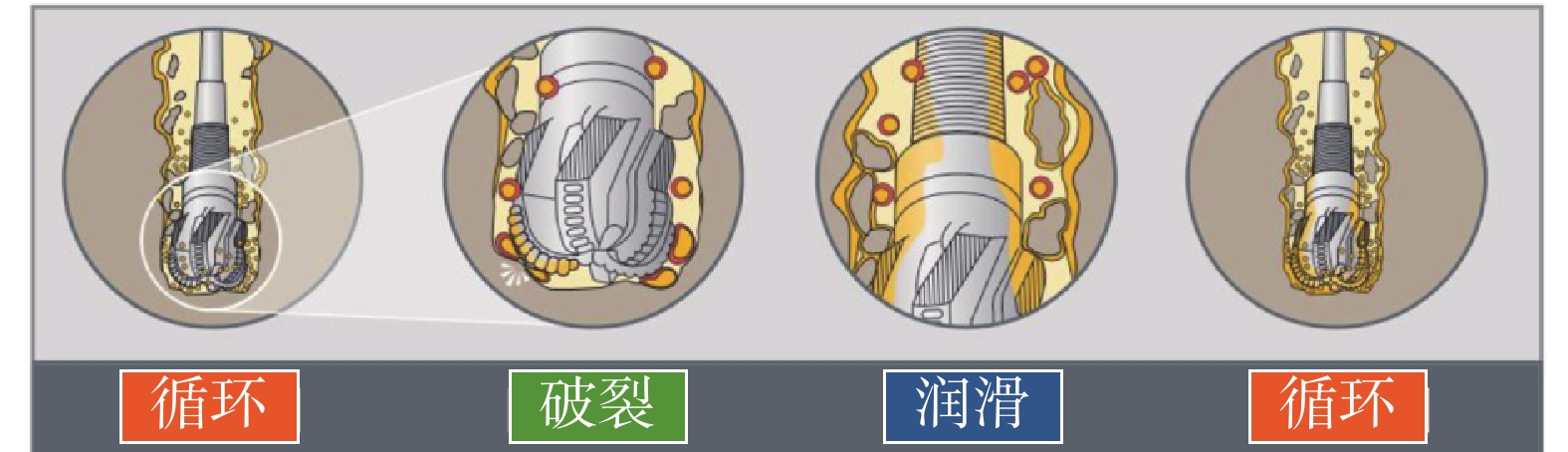
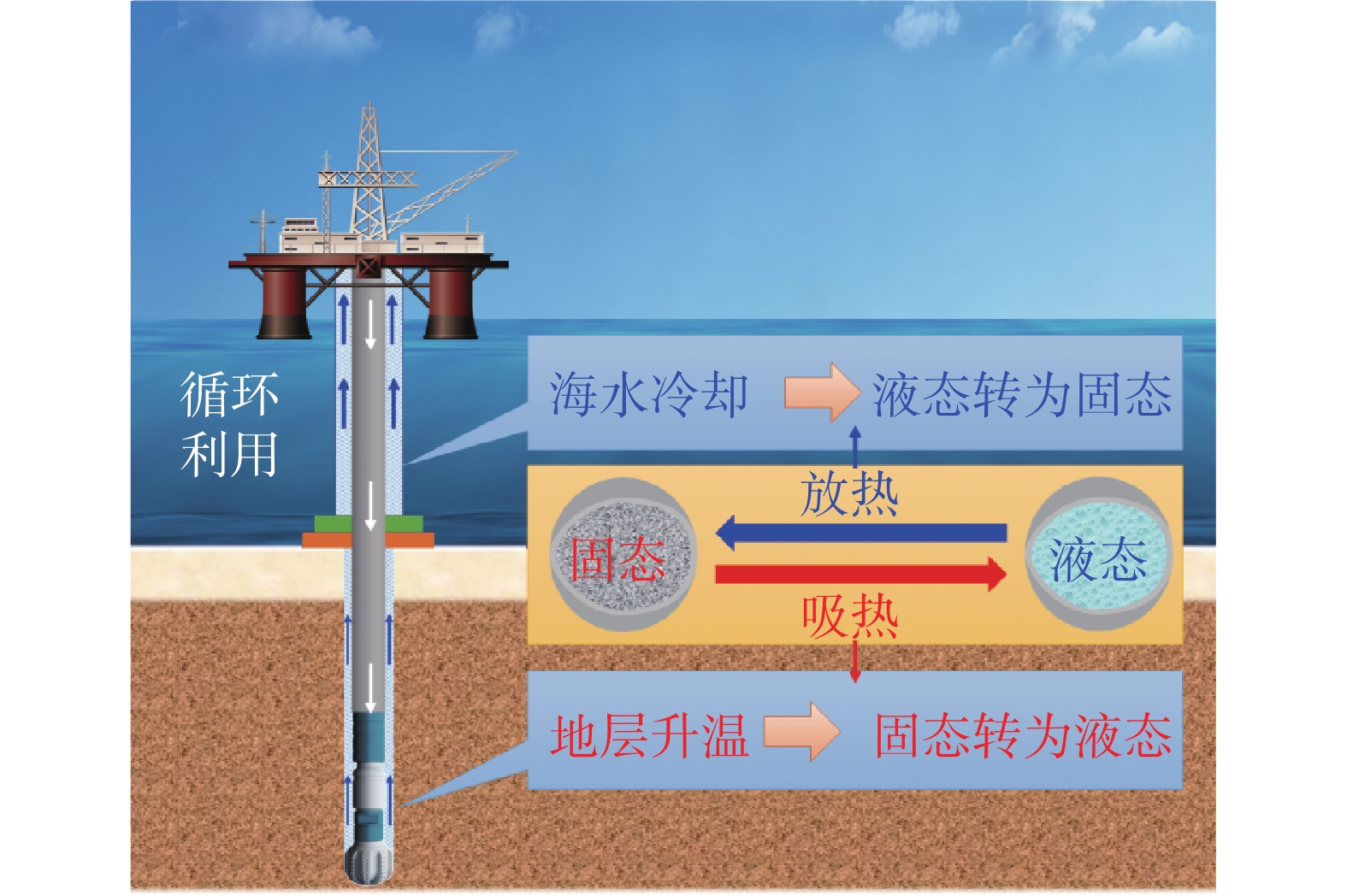
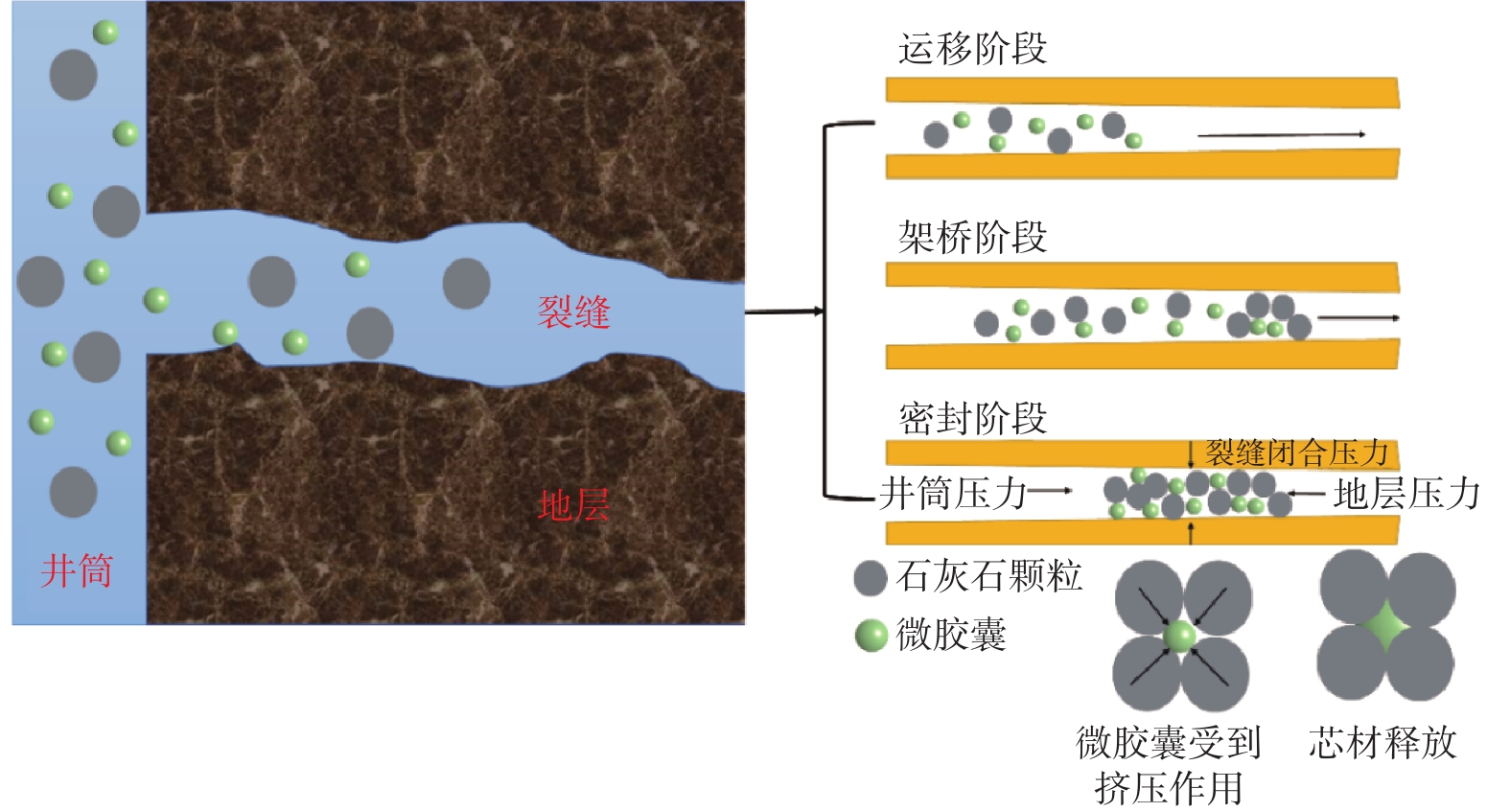
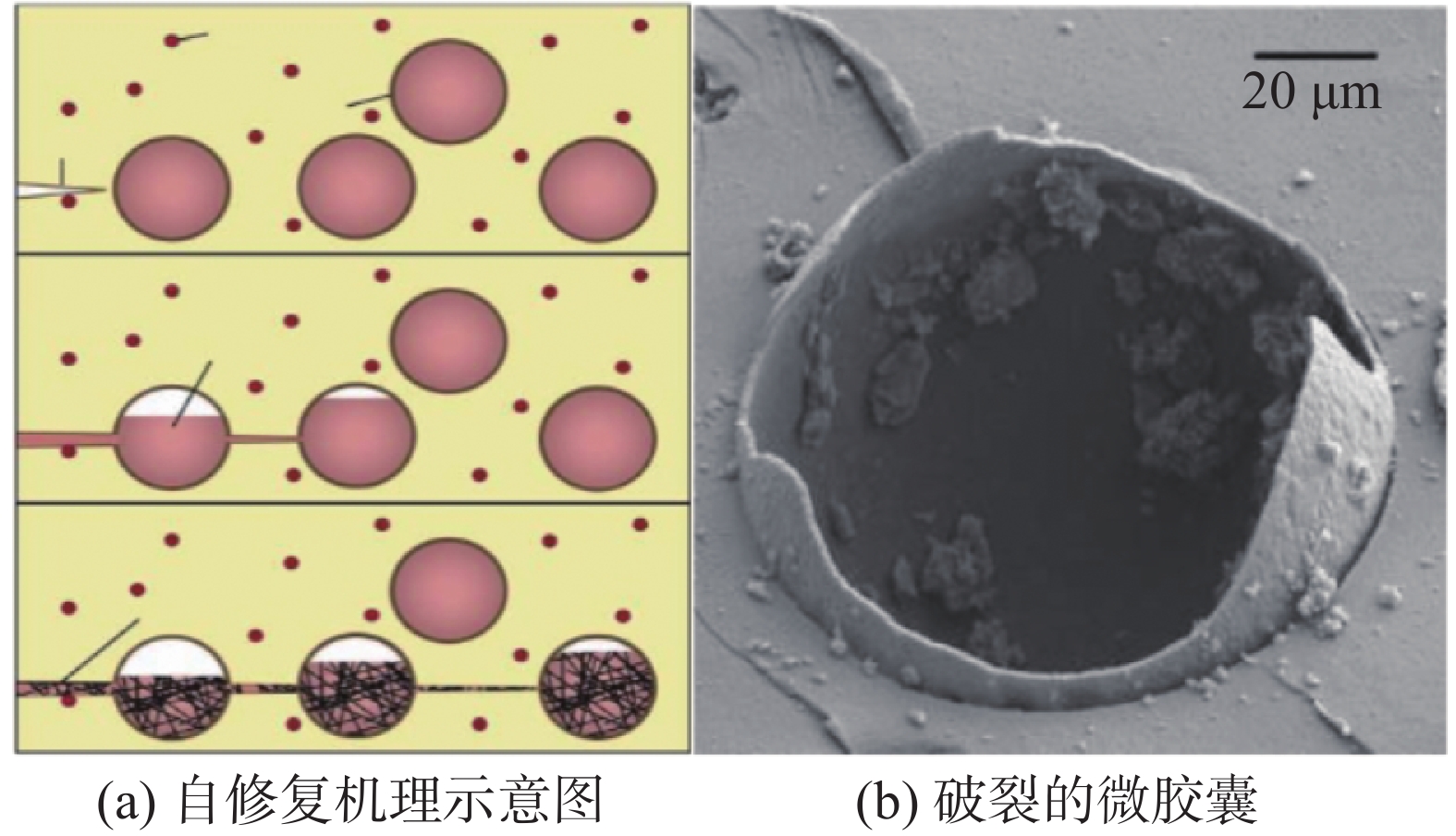
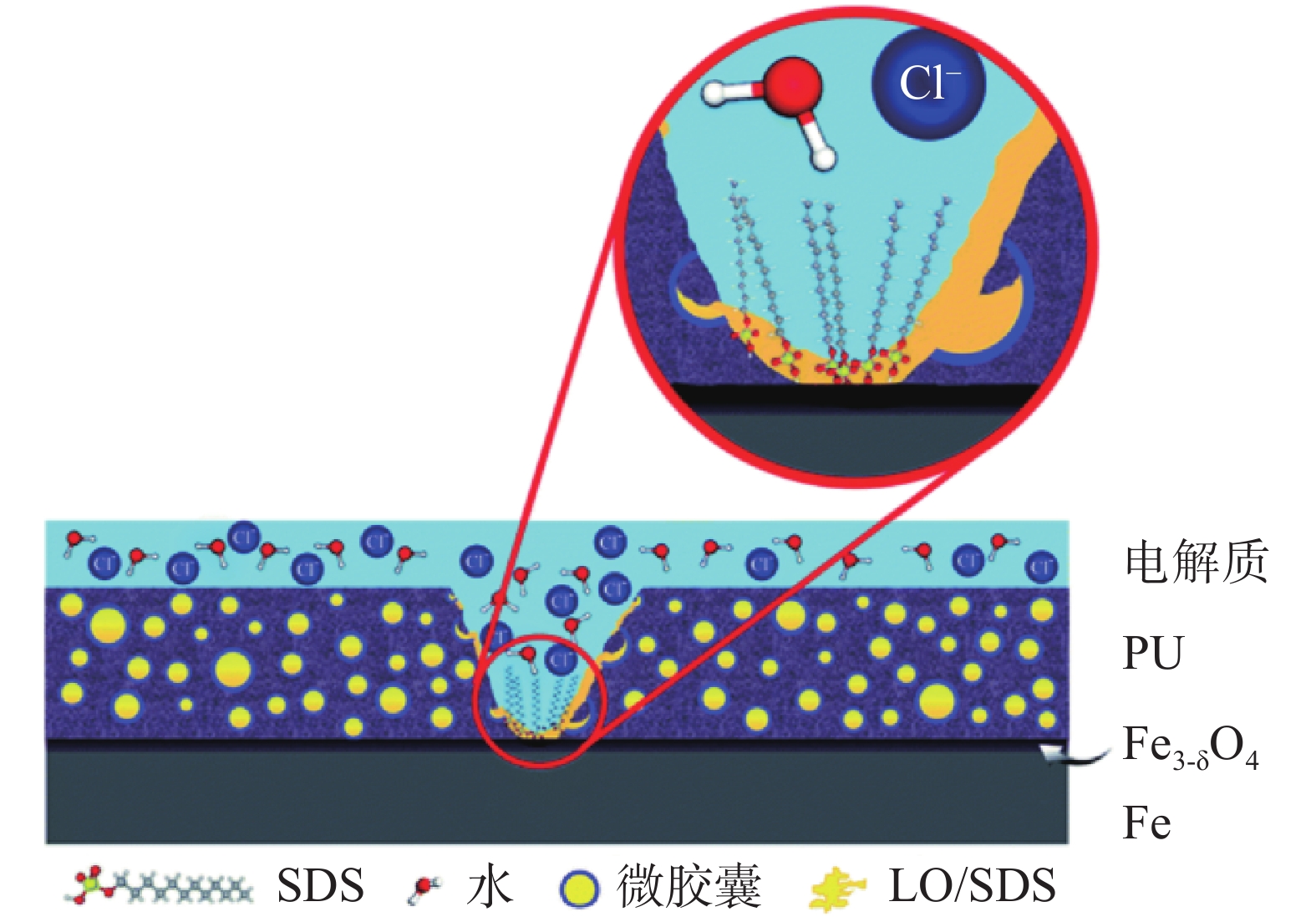
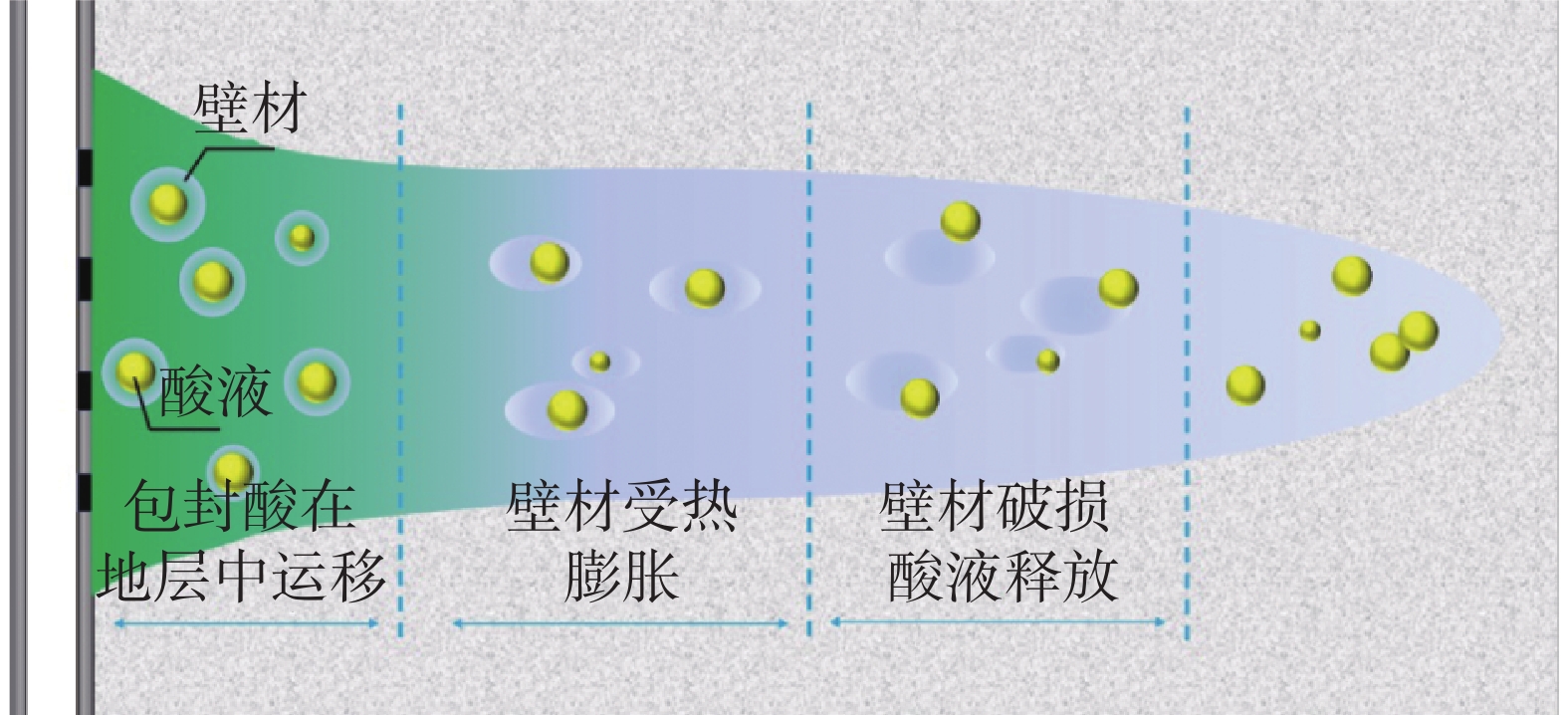
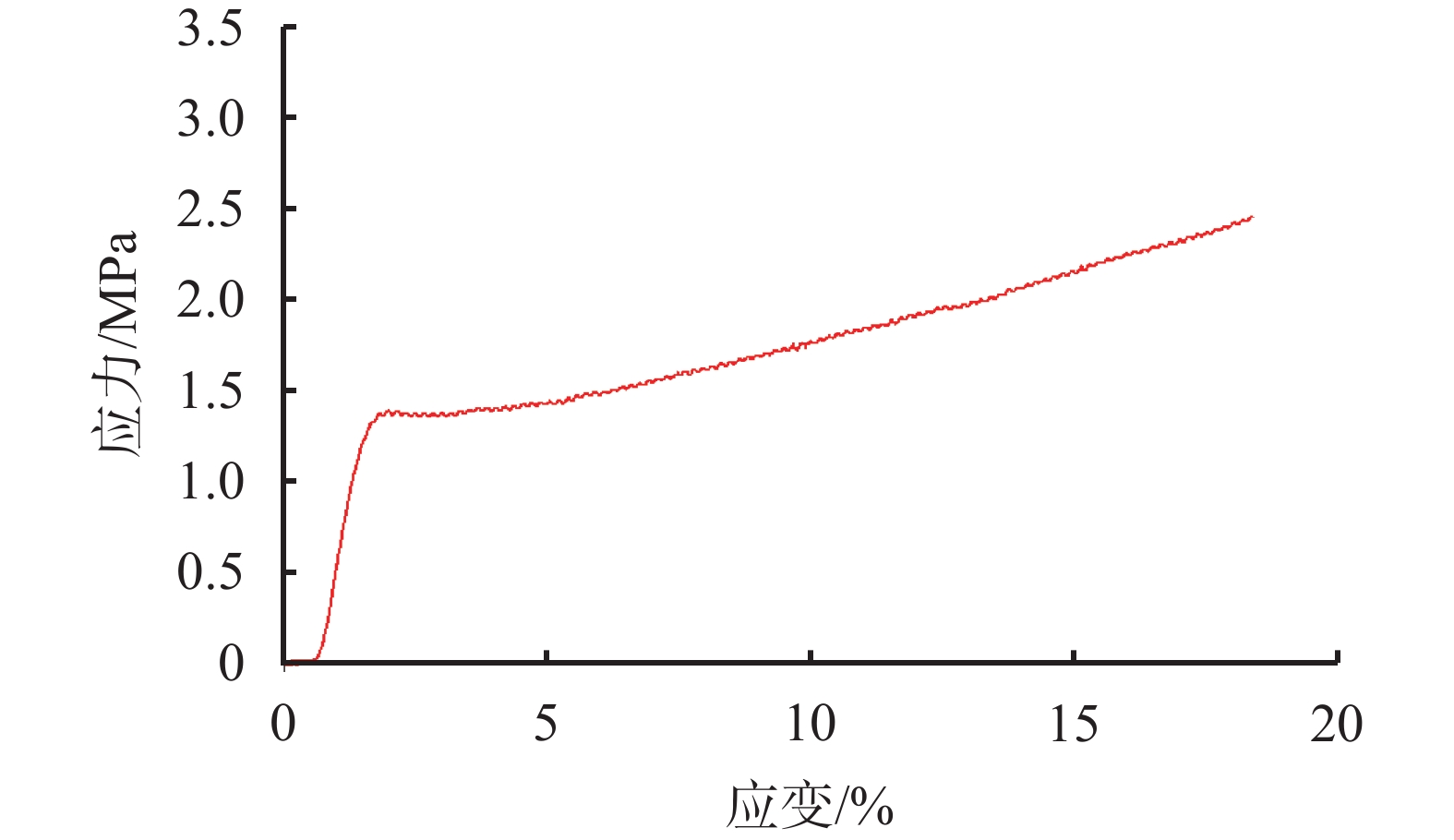
As oil and gas exploration extends to deep reservoirs, unconventional resources and other fields, formation conditions have become increasingly demanding. Operations such as well drilling, well completion, fracturing and acidizing are faced with greater challenges, imposing higher demands on oilfield chemical additives. As an efficient and smart means of material encapsulation and controlled release, microcapsule technology provides an important approach to the solution of technical challenges in oilfield chemistry. This paper systematically introduces key parameters of microcapsules such as their structural characteristics, particle size, micromorphology, encapsulation efficiency, and mechanical property etc., and discusses industrial production methods with promising application prospects and controllable costs. It focuses on reviewing the research and application advances of microcapsule technology in targeted lubrication of drilling and completion fluids, phase change temperature control, lost circulation prevention and control, self-healing of well cement sheath, corrosion inhibition, gel breaking of fracturing fluids, and sustained-release acidizing etc. Based on the current complex formation conditions, key problems of microcapsules are analyzed, such as insufficient stability, poor release controllability and difficulties in large-scale production. Directions of future development in microcapsule technology are prospected, including the design of high-performance wall-building materials, the development of multi-responsive microcapsules, the investigation of multi-factor release mechanisms, and low-cost green production processes. It is expected to provide references for the efficient, environmentally-friendly and intelligent development of oilfield chemical additives.
Progress and Prospect of Researches on Drilling Fluid Technology for Deep CBM Drilling
LU Hongjun, SUN Jinsheng, OUYANG Yong, SI Daichun, ZHOU Yu, LONG Yifu, WANG Ren, LI Long
2026, 43(3): 301-309. doi: 10.12358/j.issn.1001-5620.2026.03.002
Abstract:
Deep coalbed methane (CBM) has become an important part of unconventional natural gas resource development. CBM reservoirs are characteristic of strong heterogeneity, developed cleavage and microfractures, and low mechanical strength etc., which always result in problems such as borehole wall instability, difficulties in cuttings carrying and drilling fluid degassing, and serious reservoir damage etc. Key additives and high-performance drilling fluids for deep CBM development are in urgent need to ensure drilling with safety, high operational quality and high efficiency. This paper summarizes the progress made in recent years in the research of drilling fluid additives and systems for deep CBM development. Based on the effectiveness of the drilling fluid systems, the technical features of these drilling fluids are sorted and analyzed, the direction of future development of CBM drilling fluids is forecast, and these are of great importance to the high-quality high-efficiency deep CBM development, the high efficiency exploration and development of unconventional resources, and to the guarantee of national energy safety.
DRILLING FLUID
Research on and Application of Near-Oil-Based Drilling Fluid System
SI Xiqiang, WANG Zhonghua
2026, 43(3): 310-323. doi: 10.12358/j.issn.1001-5620.2026.03.003
Abstract:
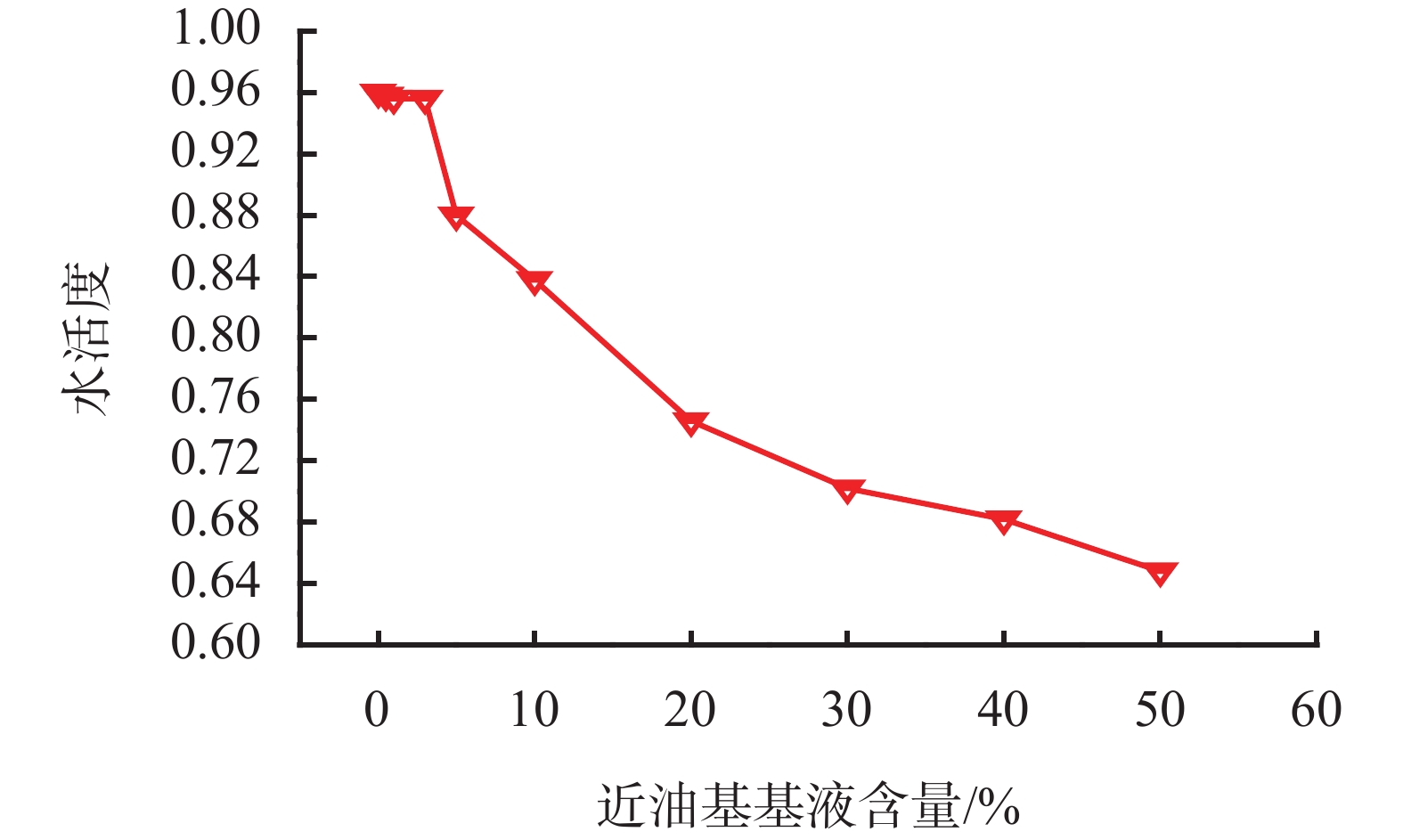
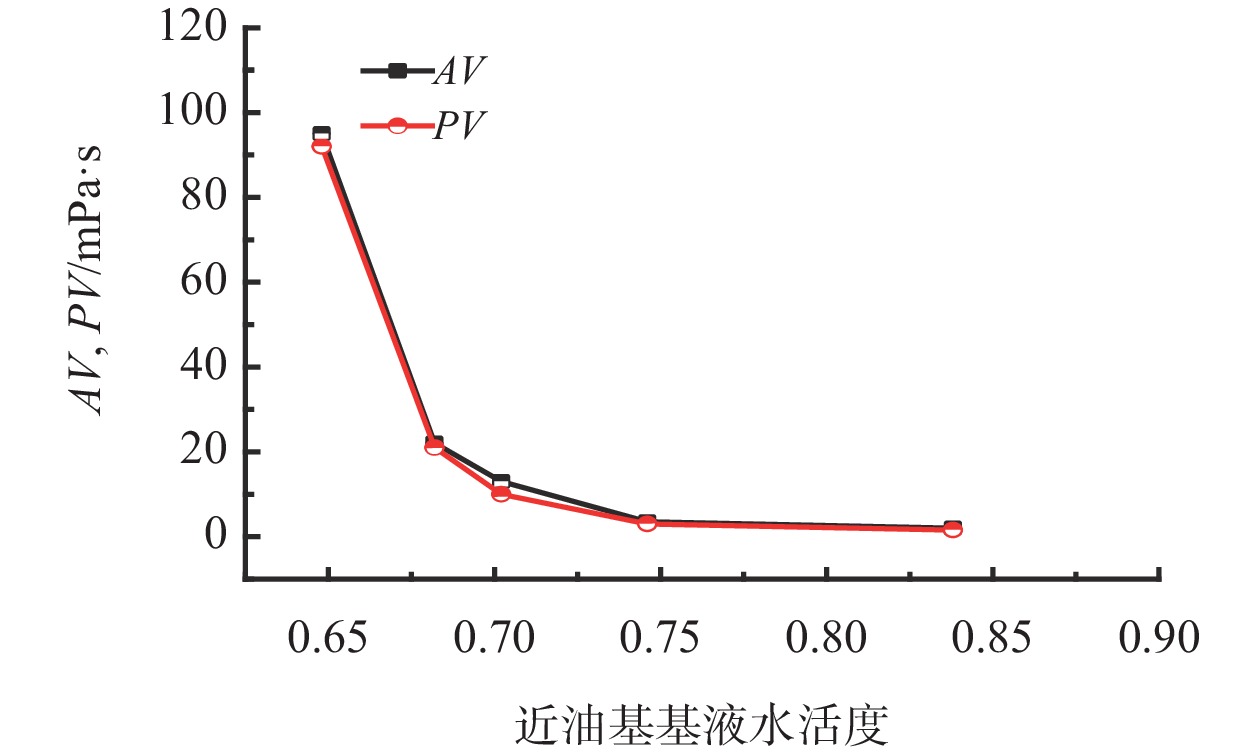
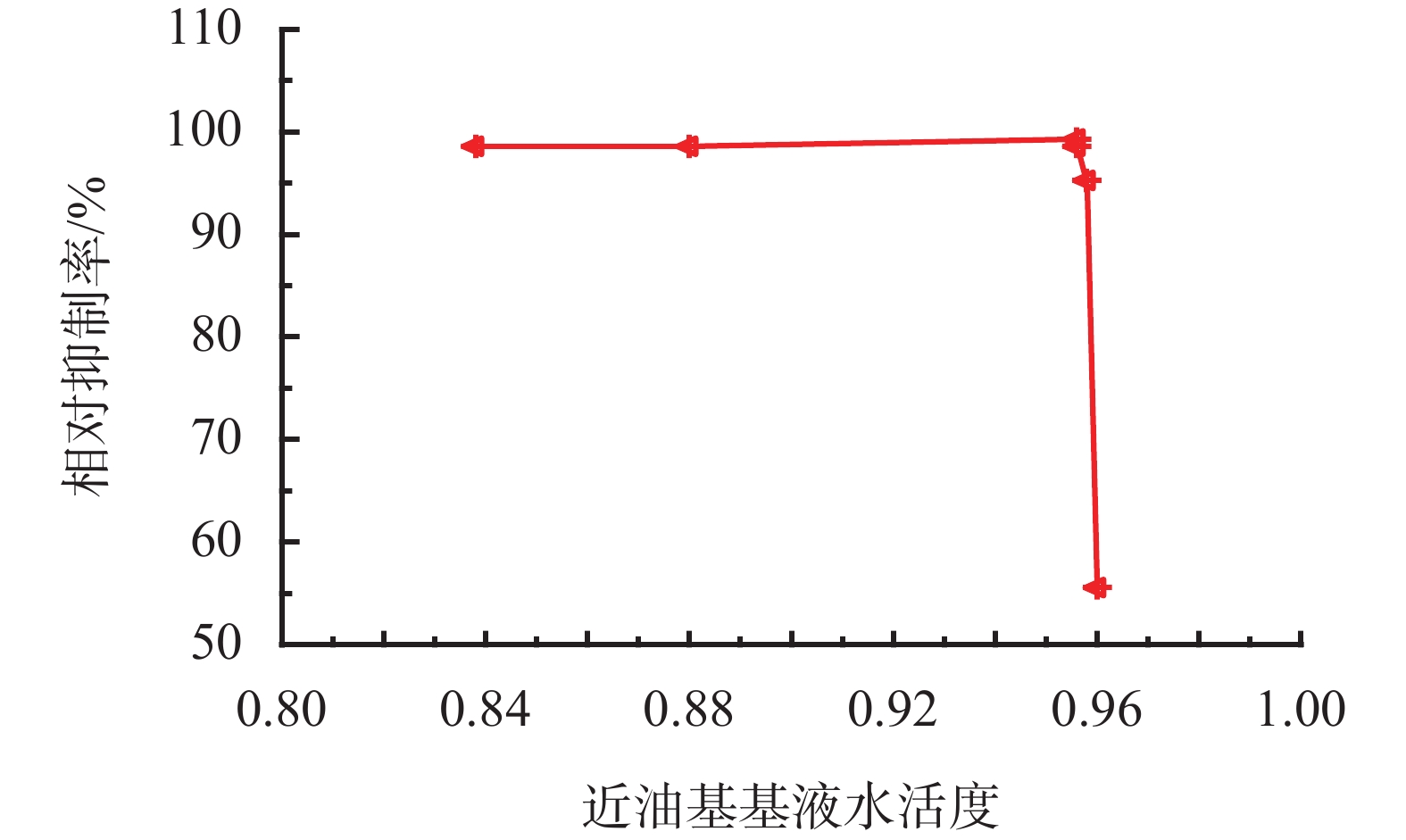
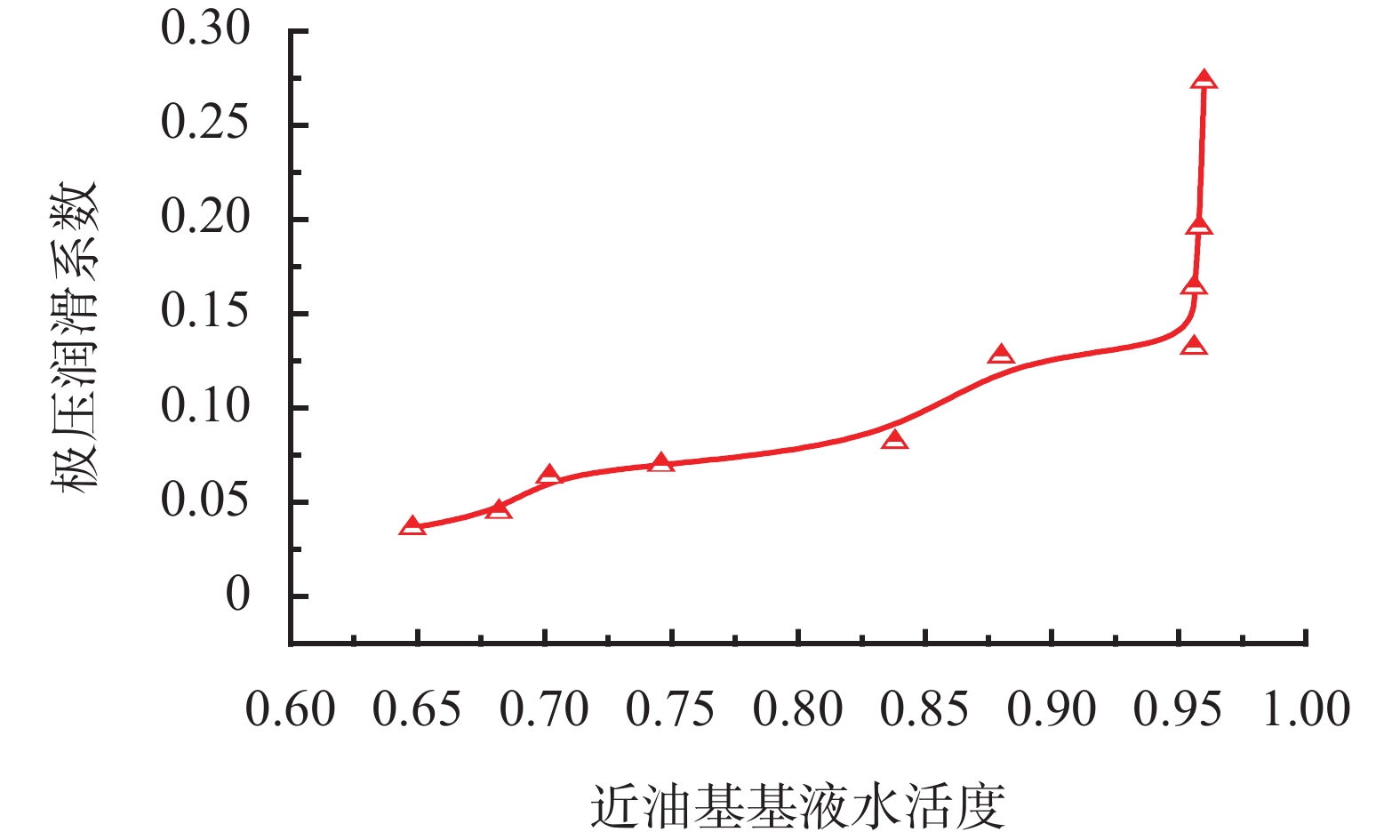
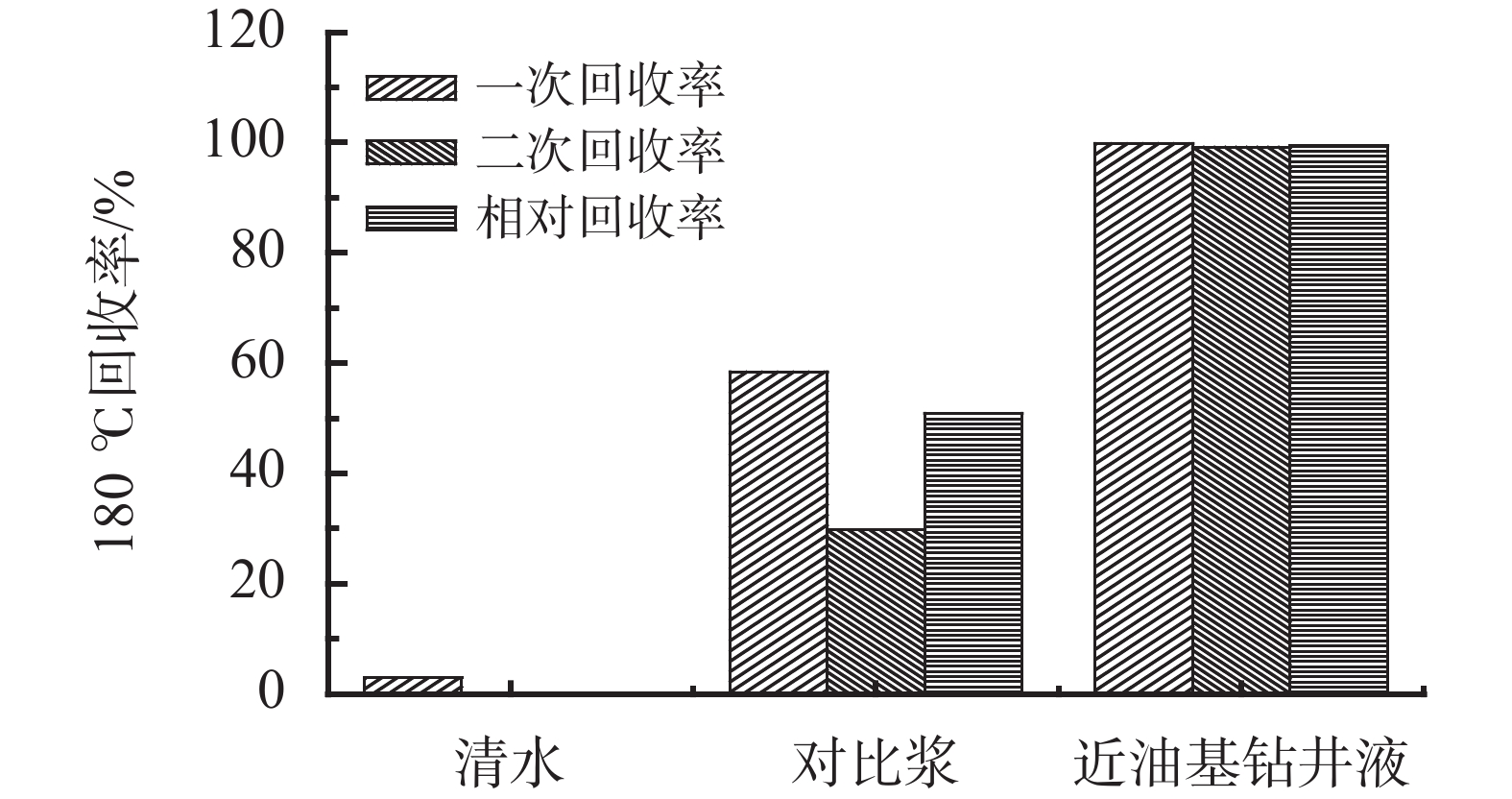
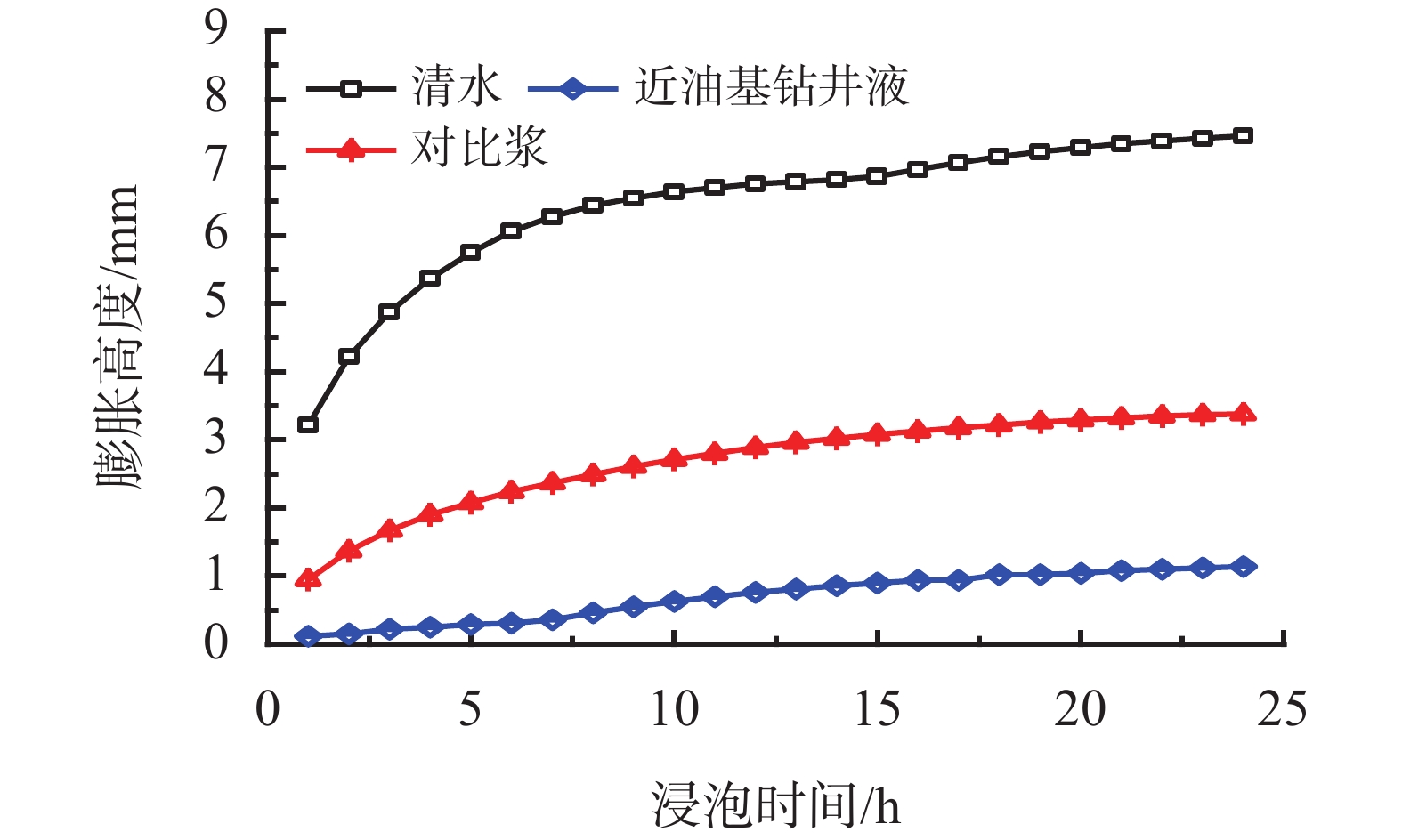
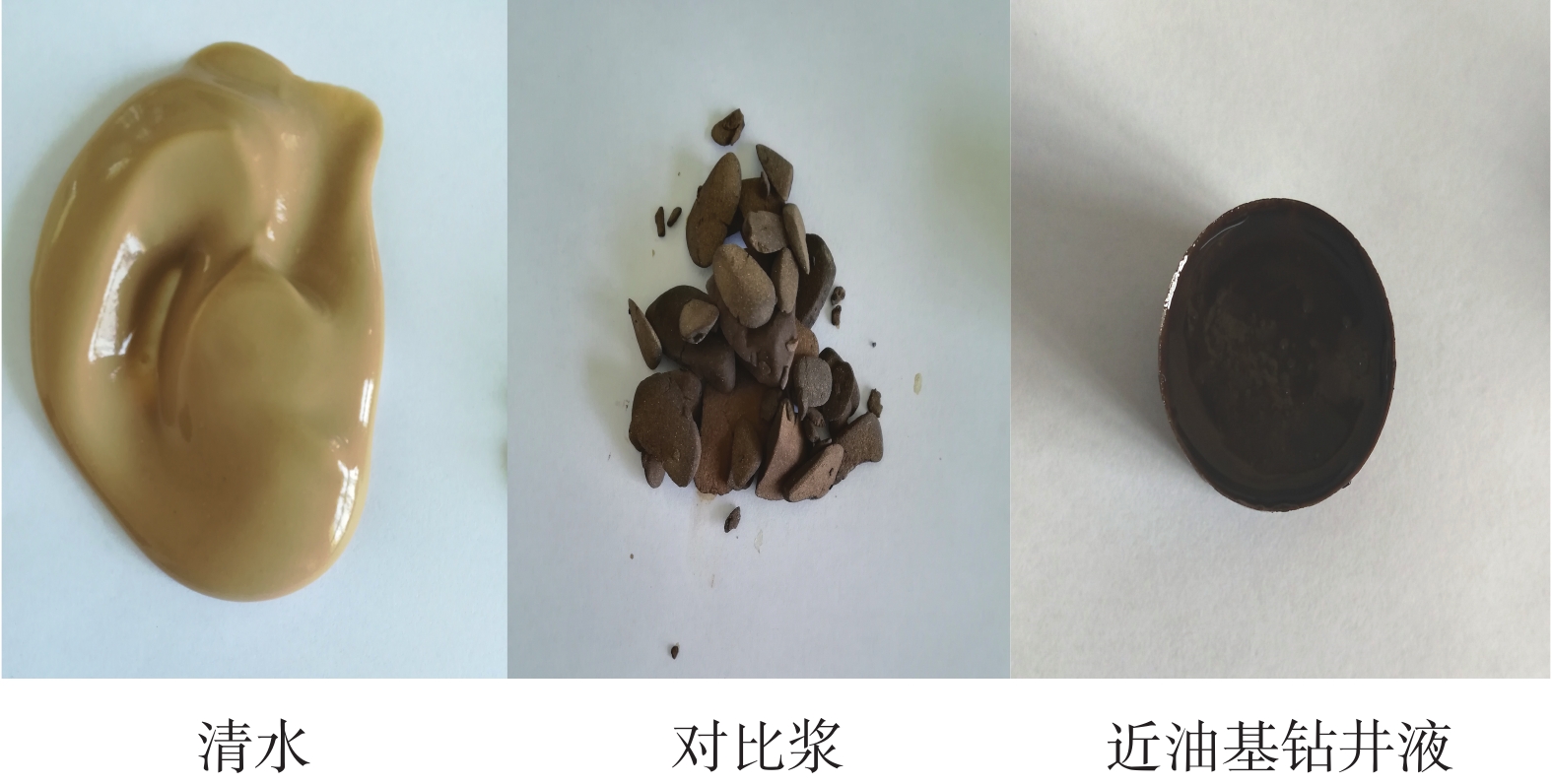
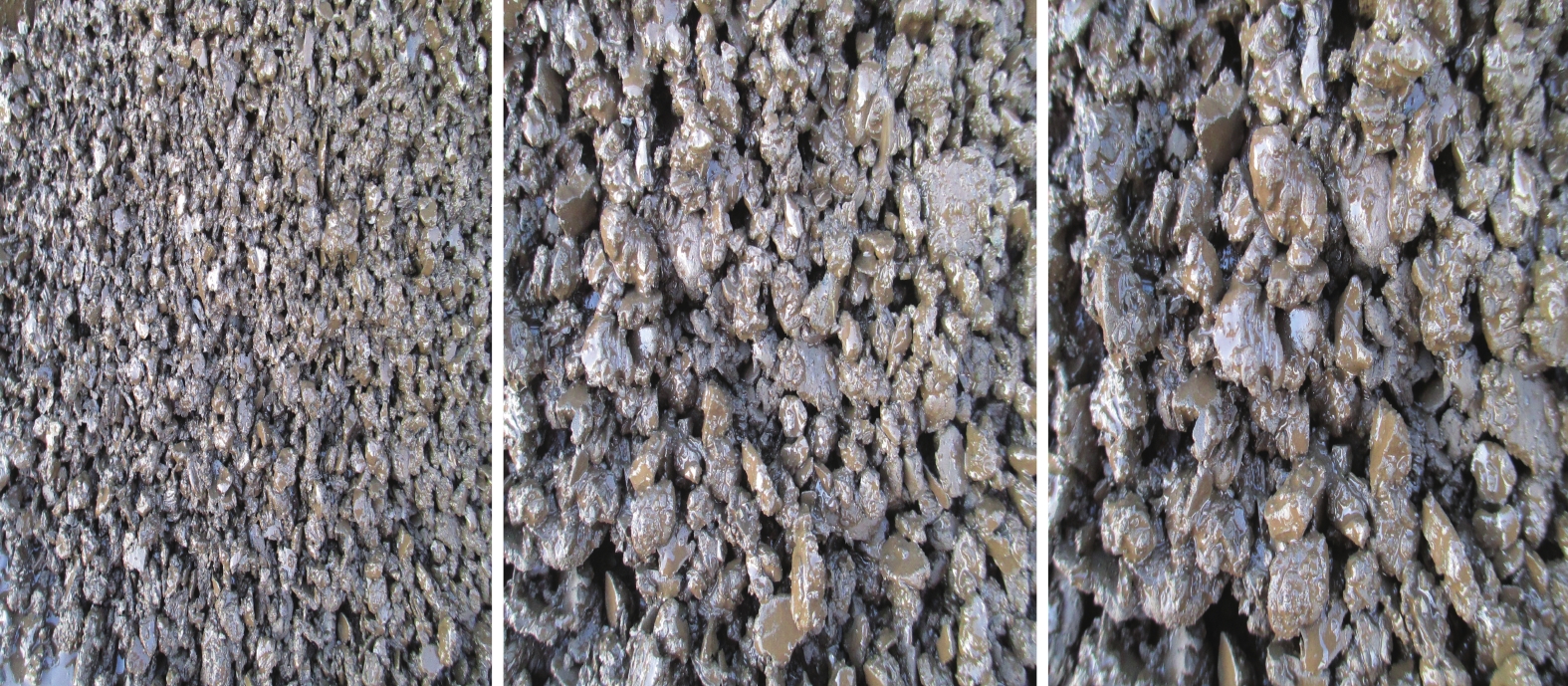
In recent years many studies have been conducted on near-oil-based drilling fluids to overcome the problems encountered in using oil-based drilling fluids such as high formulation cost and difficulties in addressing the oily cutting treatment problem. Based on the “near-oil-based” designing idea, a near-oil base fluid ZYBL was developed. ZYBL exhibits these features such as hydrophobicity through filming, water absorption through low water-activity reverse osmosis, ultra-strong inhibitive capacity and high lubricity etc. A near-oil-based drilling fluid was formulated with 20% ZYBL as the continuous phase and other additives of different functions such as rheology additives, filtration control agents, plugging agents, inhibitive agents and borehole wall strengthening agents. This near-oil-based drilling fluid has the working mechanism and properties that are similar to those of an oil-based drilling fluid, and is environmentally friendly. The density of this near-oil-based drilling fluid can be adjusted between 1.15 g/cm3 and 2.55 g/cm3. When the density of the drilling fluid is 1.15 g/cm3, the water activity is 0.651. This near-oil-based drilling fluid functions normally at temperatures up to 180 ℃ Laboratory experimental results show that the primary recovery rate of cuttings is 99.8%, the extreme-pressure coefficient of friction is 0.034, the mud cake adhesion coefficient is 0.0524, the API filtration rate is 0 mL, and the HTHP filtration rate is 6.6 mL. The near-oil-based drilling fluid exhibits good contamination resistance and reservoir protection capacity. An EC50 value of 139,700 mg/L means that it has no bio-toxicity. This near-oil-based drilling fluid in several aspects, such as shale inhibition, lubricity and reservoir protection etc., is similar to an oil-based drilling fluid. The cost of formulating this near-oil-based drilling fluid is significantly lower than that of formulating an oil-based drilling fluid. Field application of this near-oil-based drilling fluid on 55 wells in Xinjiang, Chuanyu, Zhongyuan oilfields and in northeast China has proven its advantages in borehole wall stabilization, lubrication, pipe sticking prevention, drilling rate enhancement, bottomhole temperature reduction through circulation, and low overall cost. Near-oil-based drilling fluid represents the mainstream development trend of water-based drilling fluids at home and abroad, it can be used in tough working conditions such as high-temperature deep and ultra-deep wells, long horizontal wells for shale oil and gas, and horizontal wells penetrating highly water-sensitive mudstones; it also enables green, safe, economical and efficient drilling, accelerates the achievement of the “replacing oil with water” technical goal, and delivers remarkable economic and social benefits with broad prospects for popularization and application.
A New Borehole Wall Stabilizer for Deep Horizontal Drilling of CBM
LI Zhiyong, DONG Hao’an, CEN Haotian, WANG Xijiang, JIN Xingyu, WANG Zongxiang, JIANG Yutao
2026, 43(3): 324-330. doi: 10.12358/j.issn.1001-5620.2026.03.004
Abstract:
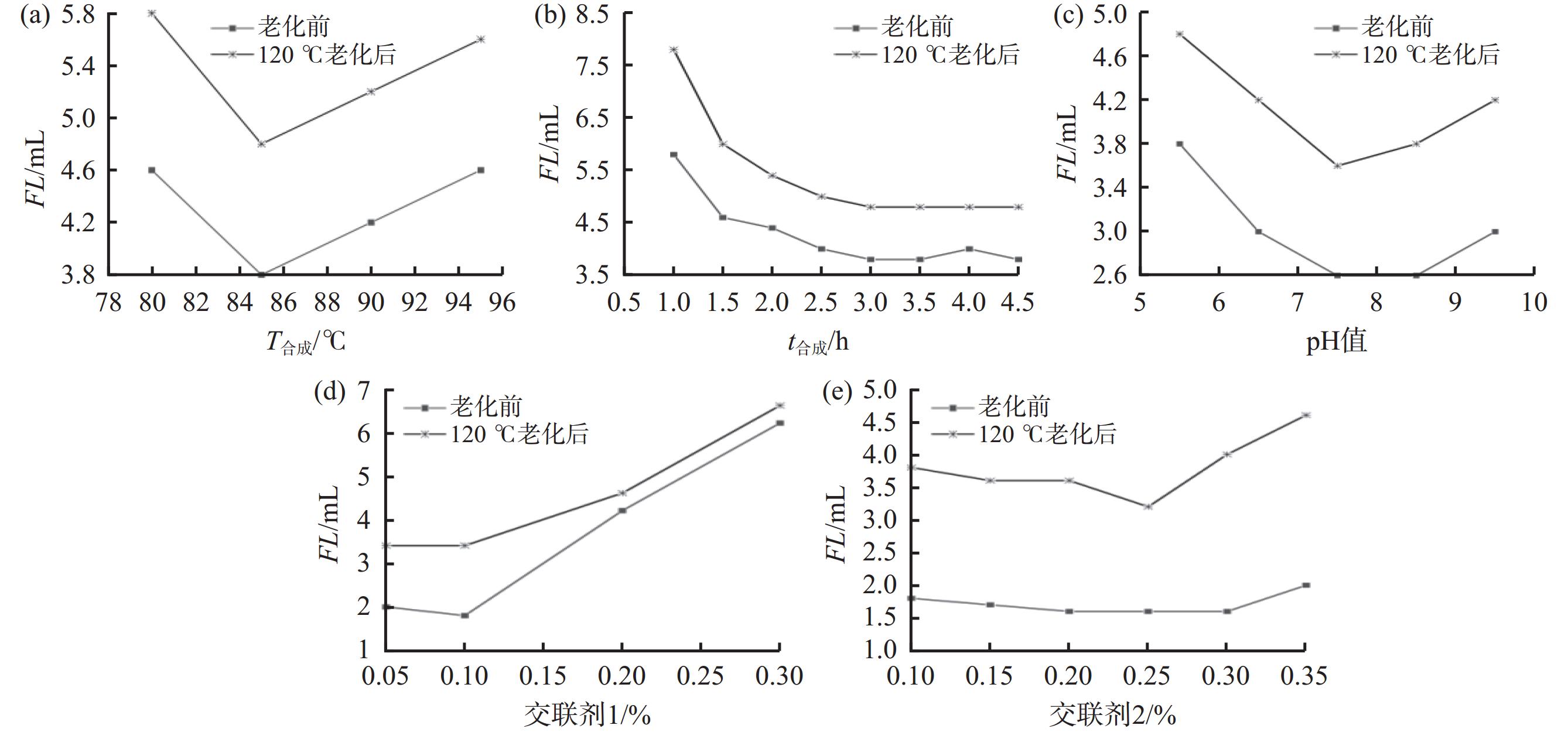
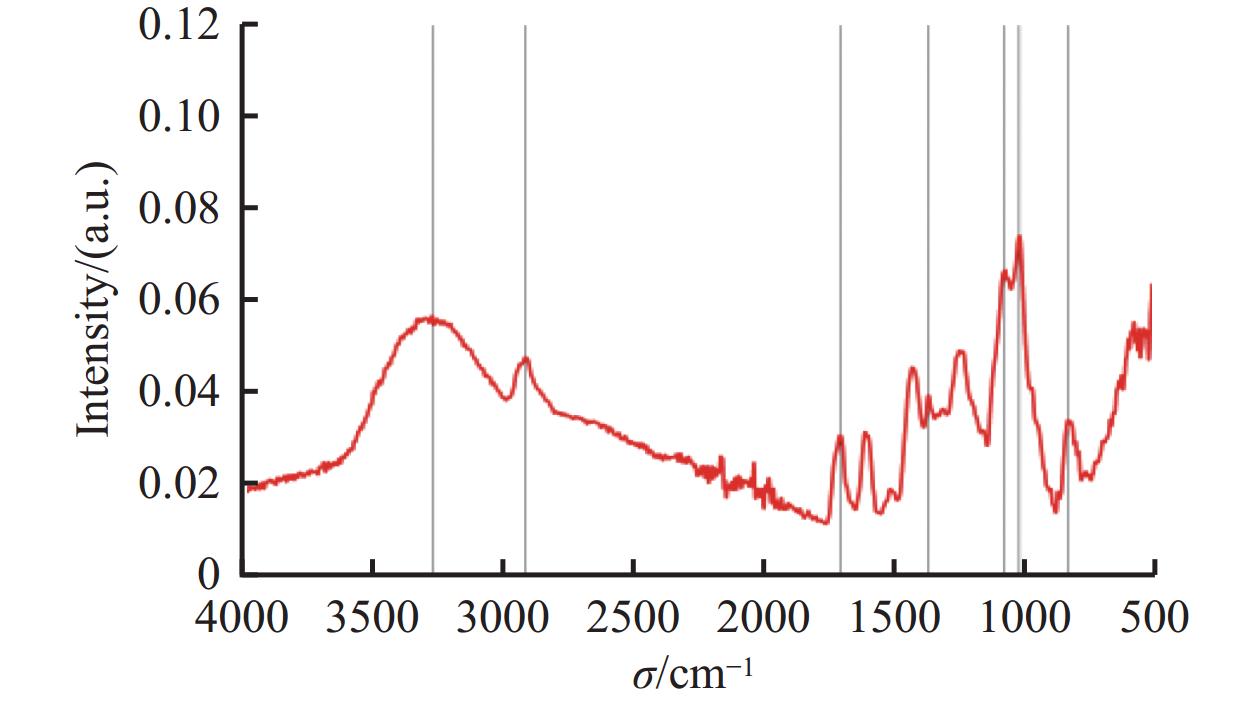
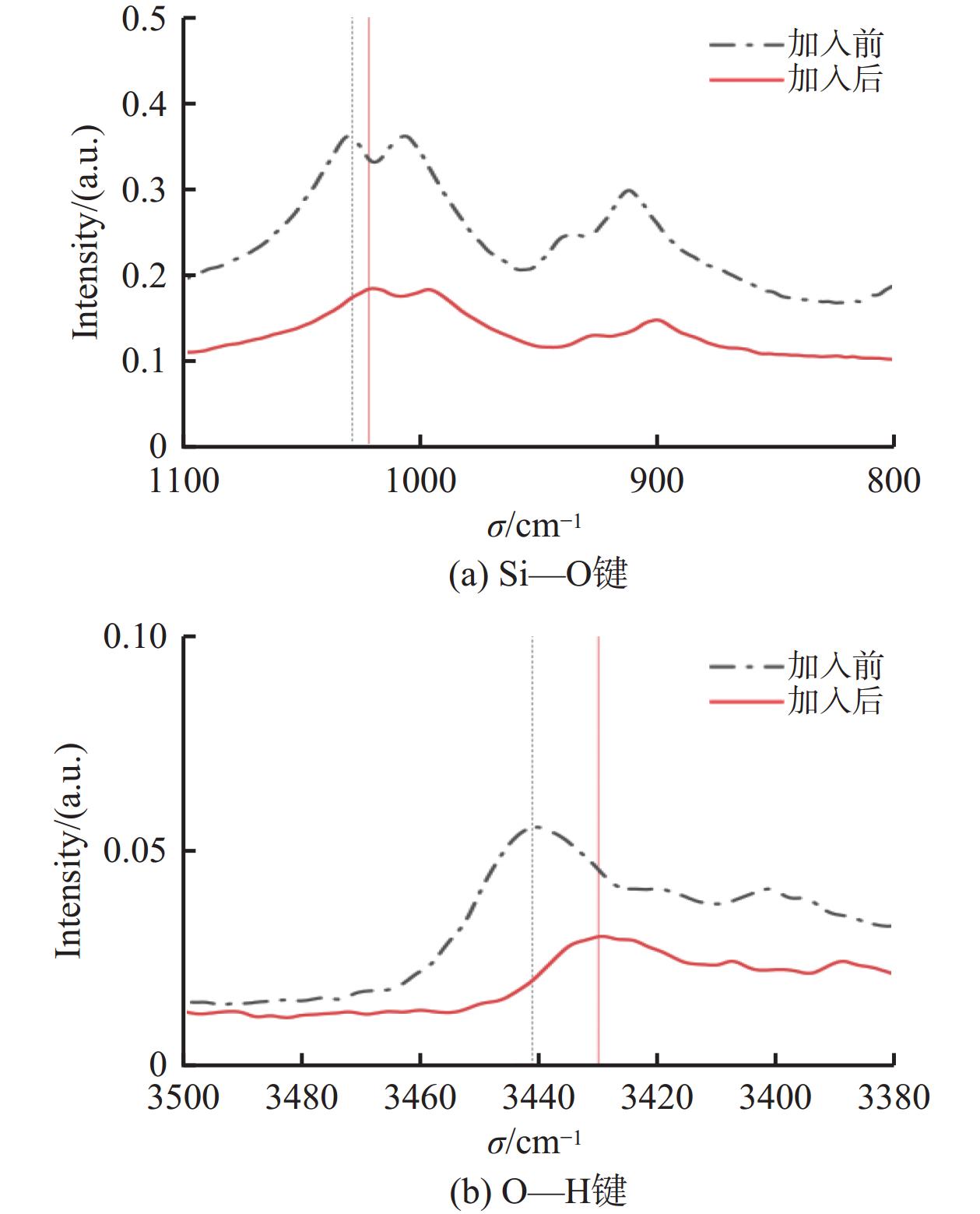
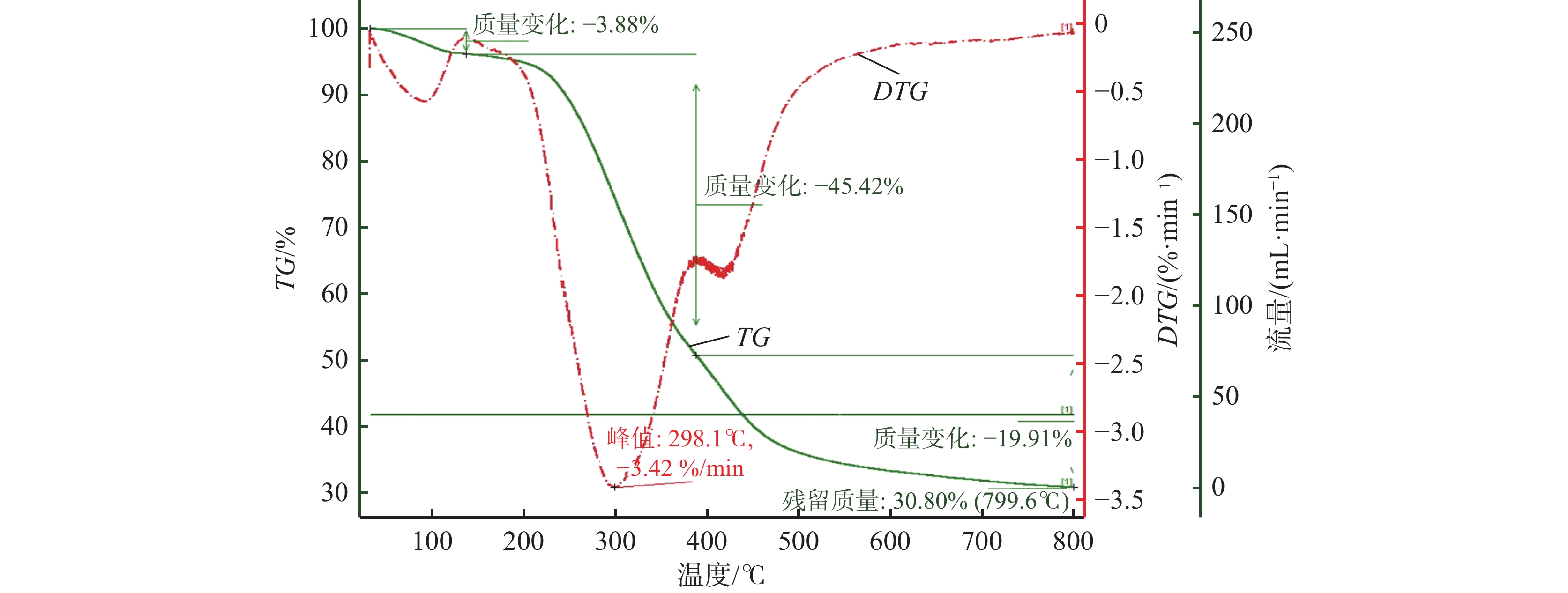
A borehole wall stabilizer WDJ-1 was developed to address the problem of borehole wall instability and sloughing caused by property differences at the interface of coal-rock and coal-gangue in horizontal wells for deep coalbed methane (CBM). WDJ-1 was synthesized via aqueous solution polymerization using polyvinyl alcohol (PVA) and tannic acid (TA) as functional monomers, and borax and ferric chloride (FeCl3) as dual crosslinking agents. The synthesis was optimized with a monomer ratio of PVA∶TA = 1∶1, a reaction temperature of 85 ℃, a reaction time of 3 h, a system pH of 7.5, and the concentrations of the crosslinking agents (0.1% borax and 0.25% FeCl3). The structure of WDJ-1 was characterized by Fourier-transform infrared (FT-IR) spectroscopy, scanning electron microscopy (SEM), and thermogravimetric analysis (TGA), and its performance was evaluated through rheology, plugging capacity, cementation property, and inhibition property experiments. FT-IR confirms the presence of O—H, C=O, B—O, and Fe—O coordination bonds in the molecules of WDJ-1, indicating sufficient reaction between the monomers and the crosslinking agents. SEM reveals that WDJ-1 exhibits a honeycomb structure, which can improve the compactness of the mud cake. A base fluid treated with 2% WDJ-1 has its API fluid loss reduced from 22.4 mL to 3 mL, the shear strength of the coal rock-coal gangue interface reaches 0.16 MPa, the plugging pressure for a 2 mm slot plate increases by 54.5%, and the 48-hour water absorption rate of mud balls is reduced by 10.5%. TGA measurement proves that WDJ-1 exhibits excellent thermal stability below 240 ℃. WDJ-1 stabilizes wellbore through the four-fold synergistic mechanism of “inhibition-plugging-bonding-high temperature resistance”, and the use of which can provide technical support for the safe and efficient drilling of horizontal wells in deep CBM reservoirs.
Effects of Oil-Based and Water-Based Drilling Fluids on Fracture Propagation Pressure
YAO Xuyang, ZENG Tao, WANG Tongwei, XU Chengyuan, HE Jing, YU Yongsheng
2026, 43(3): 331-339. doi: 10.12358/j.issn.1001-5620.2026.03.005
Abstract:
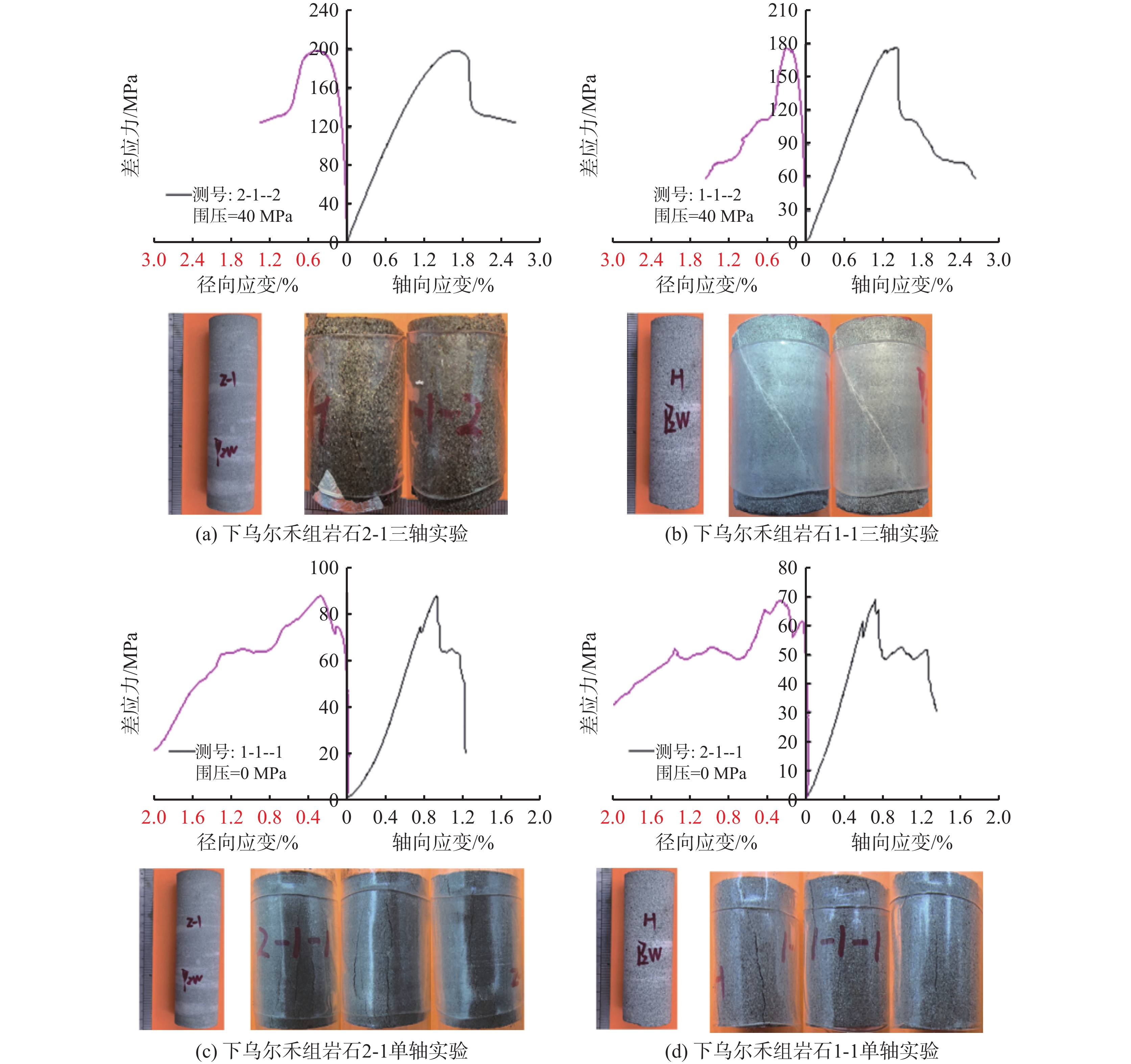
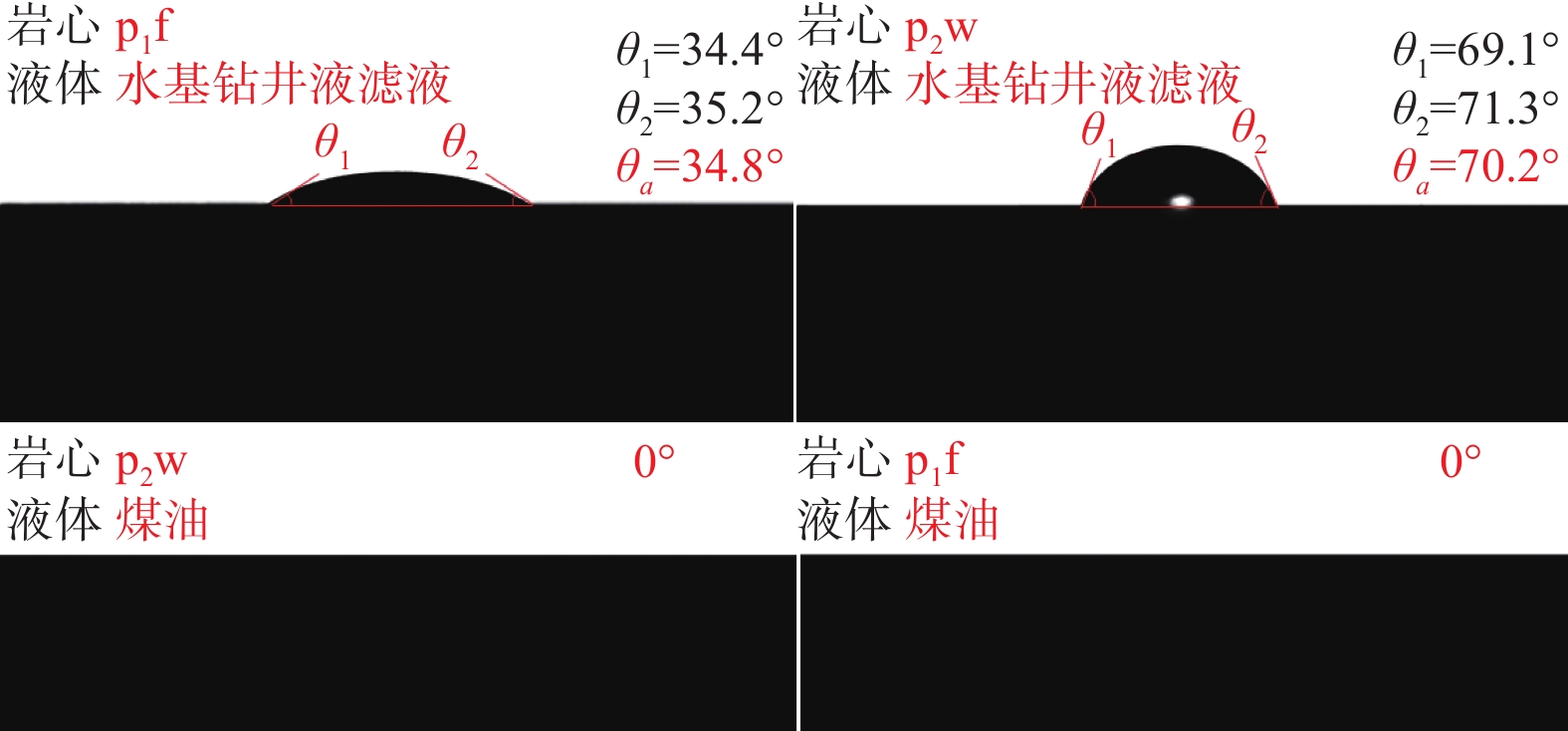
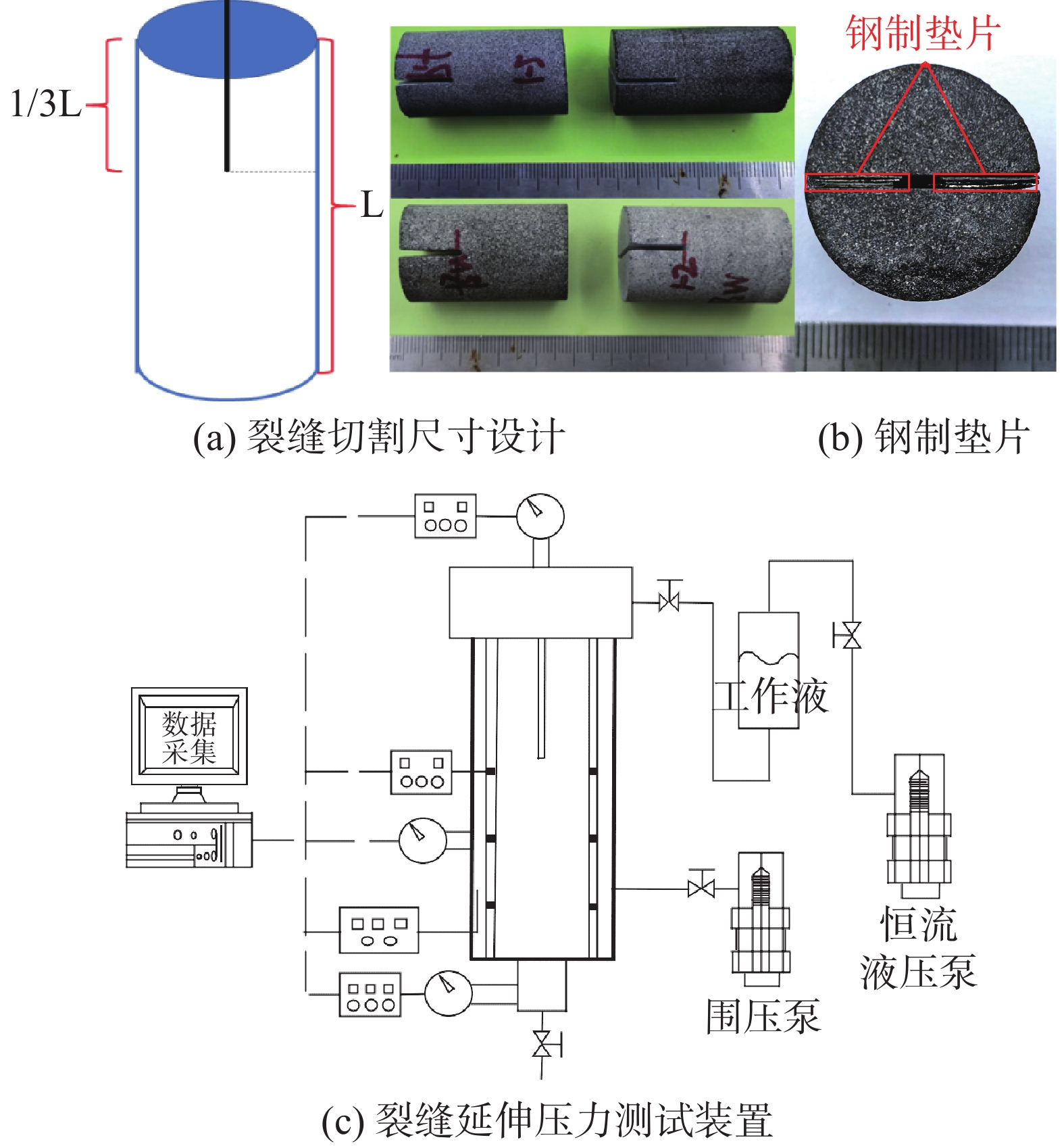
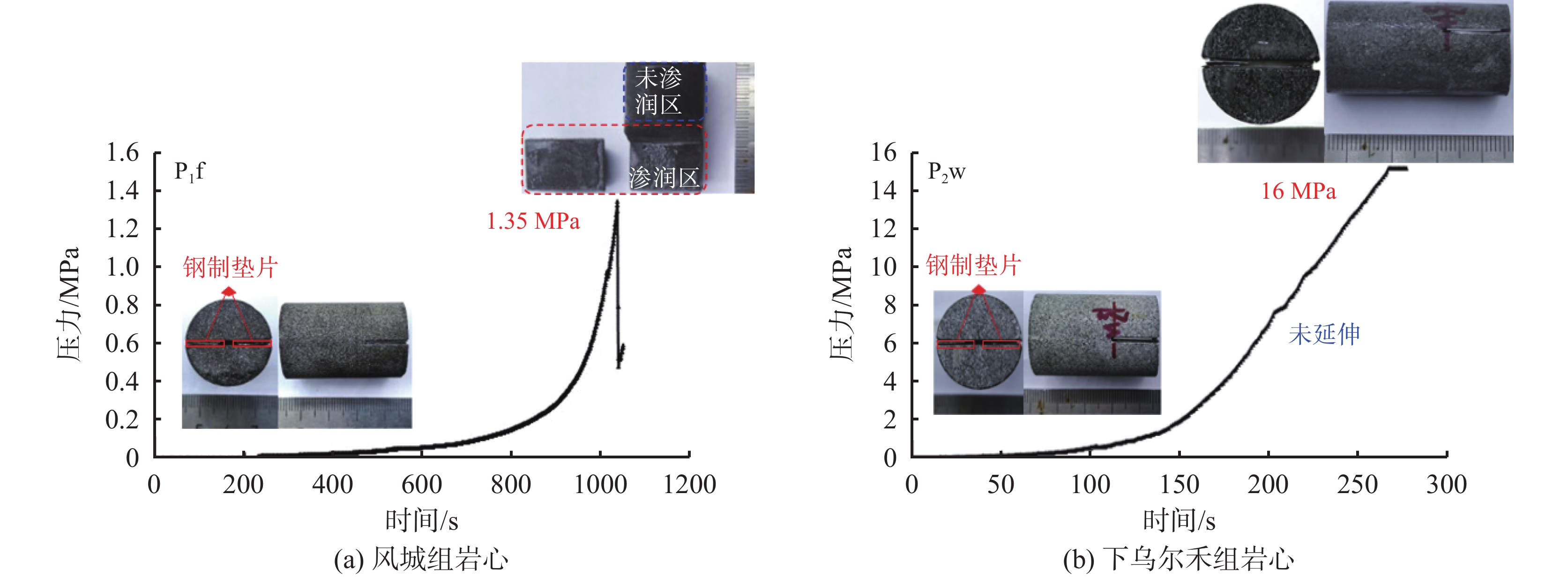
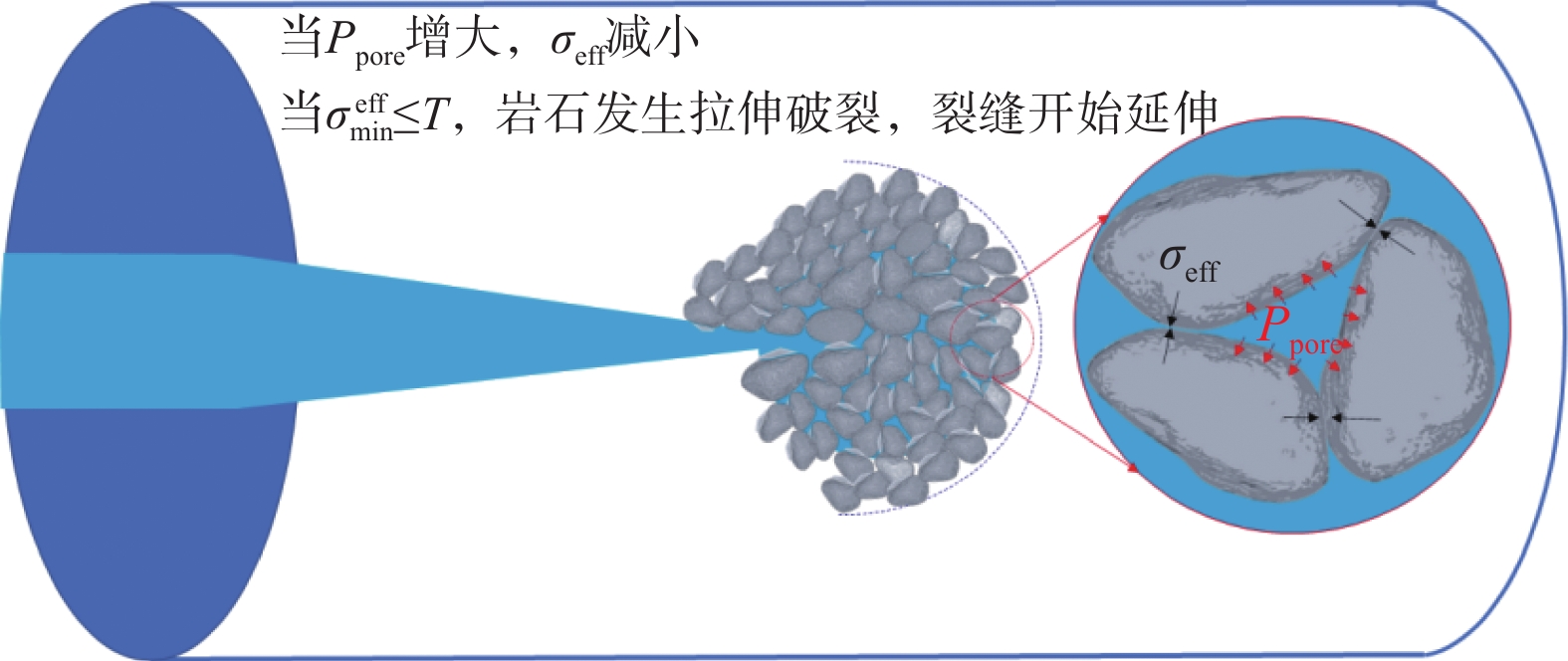
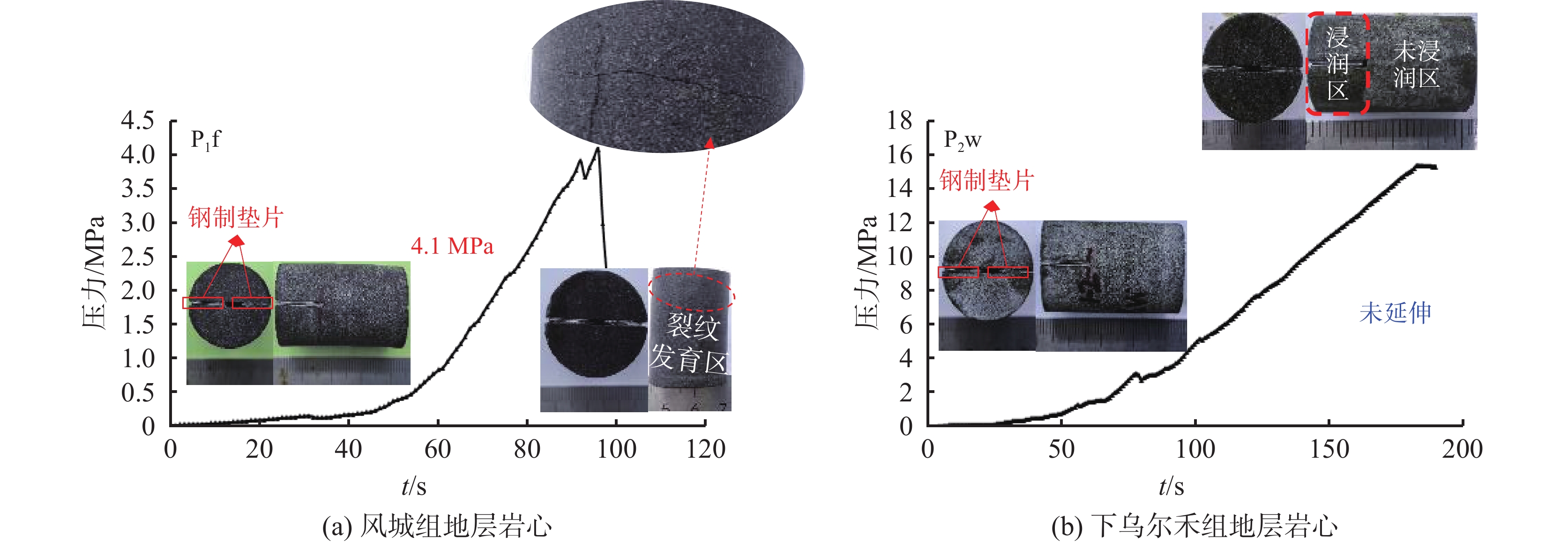
Lost circulation and wellbore instability have been encountered in drilling the Permian fractured formations in the sag west to the well Pen-1 in the Junggar Basin. To understand how oil-based/water-based drilling fluids affect the propagation pressure of a fracture, a comparative analysis was conducted on the effects of oil-based/water-based drilling fluids on the propagation pressure of the fracture. Physical simulation experiments on the propagation of core fractures were conducted through rock mechanical test, analysis of rock physical parameters as well as drilling fluid property test, and the law of the integrated action of the rock properties and drilling fluid properties on the propagation of fractures was systematically investigated. The conclusions of the experiments are as follows: ① fracturing the fractured cores with oil-based and water-based drilling fluids to observe the magnitude of the propagation pressure of the fractures, and it was found that the propagation pressure of the fractures measured in tests with oil-based drilling fluids is remarkably higher than that measured in tests with water-based drilling fluids. ② It was revealed that the drilling fluid viscosity is the primary factor controlling the propagation pressure of a fracture, and its importance exceeds the filtration property of the drilling fluid. High drilling fluid viscosity hinders the effective propagation of the pressure inside the fracture, hence significantly increasing the propagation pressure. ③ It was clarified that rock permeability is the prerequisite for the drilling fluid filtrates to form a “pressure drop zone” at the tip of a fracture and hence to promote the propagation. For oil-based drilling fluids, although having strong wetting capacity, their high viscosity and extremely low filtration rate work together to suppress the formation of the “pressure drop zone”, thereby masking the wettability potential. ④ Based on the experimental results, the contribution of each factor to fracture propagation pressure is quantified, the importance of these factors is listed as this: drilling fluid viscosity > rock permeability > filtration property > brittleness index > wettability > porosity. This research reveals the core mechanisms of oil-based and water-based drilling fluids in affecting the propagation pressure of a fracture, clarifies the key control factors and their relative importance, and provides an important theoretical support to the scientific selection of drilling fluid types and the formulation of control strategy for wellbore stability in safely drilling fractured formations.
Preparation and Performance Evaluation of a Self-Degrading Bridging Temporary Plugging Agent for Drilling Fluids
MU Guochen, CHU Qi
2026, 43(3): 340-348. doi: 10.12358/j.issn.1001-5620.2026.03.006
Abstract:
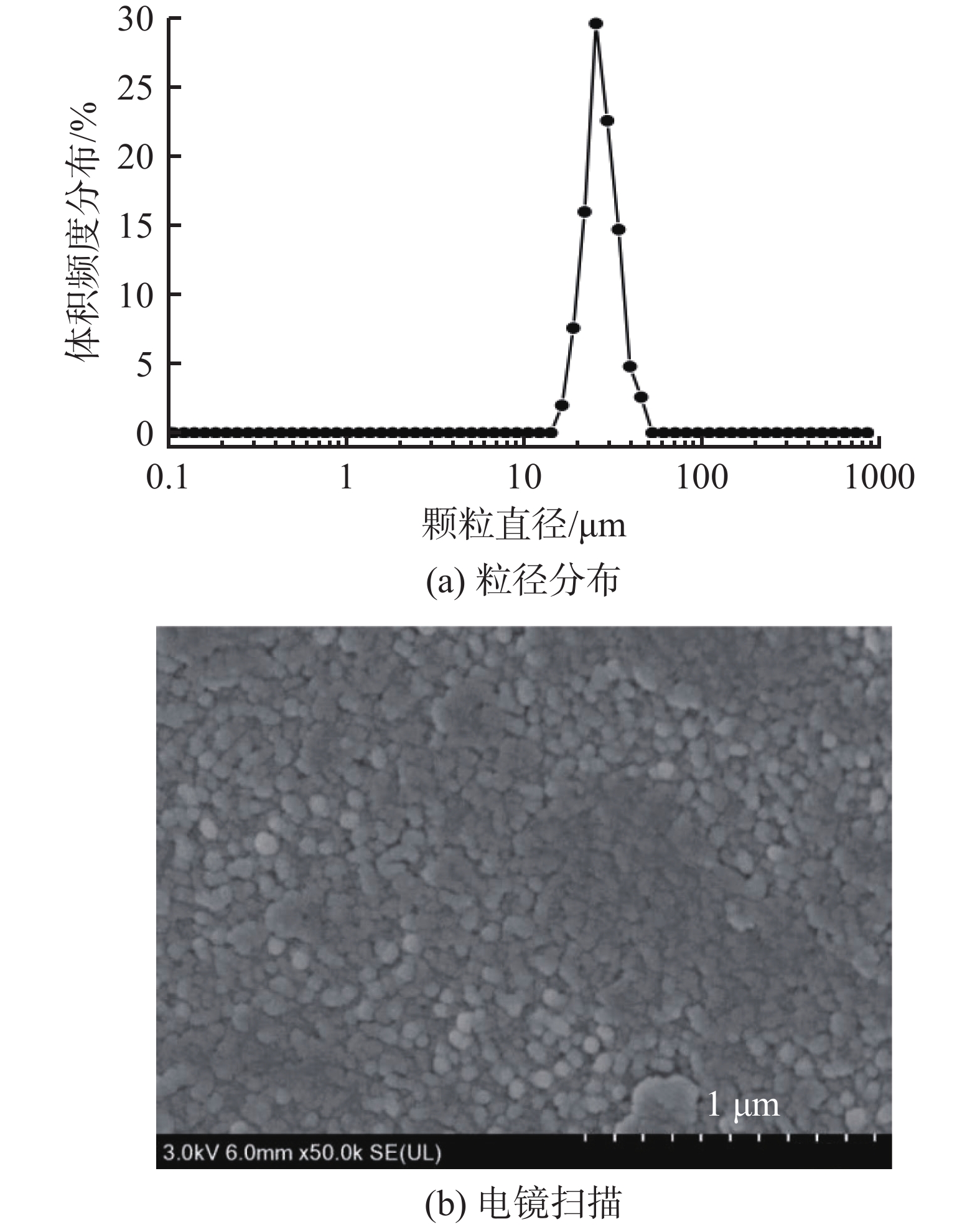
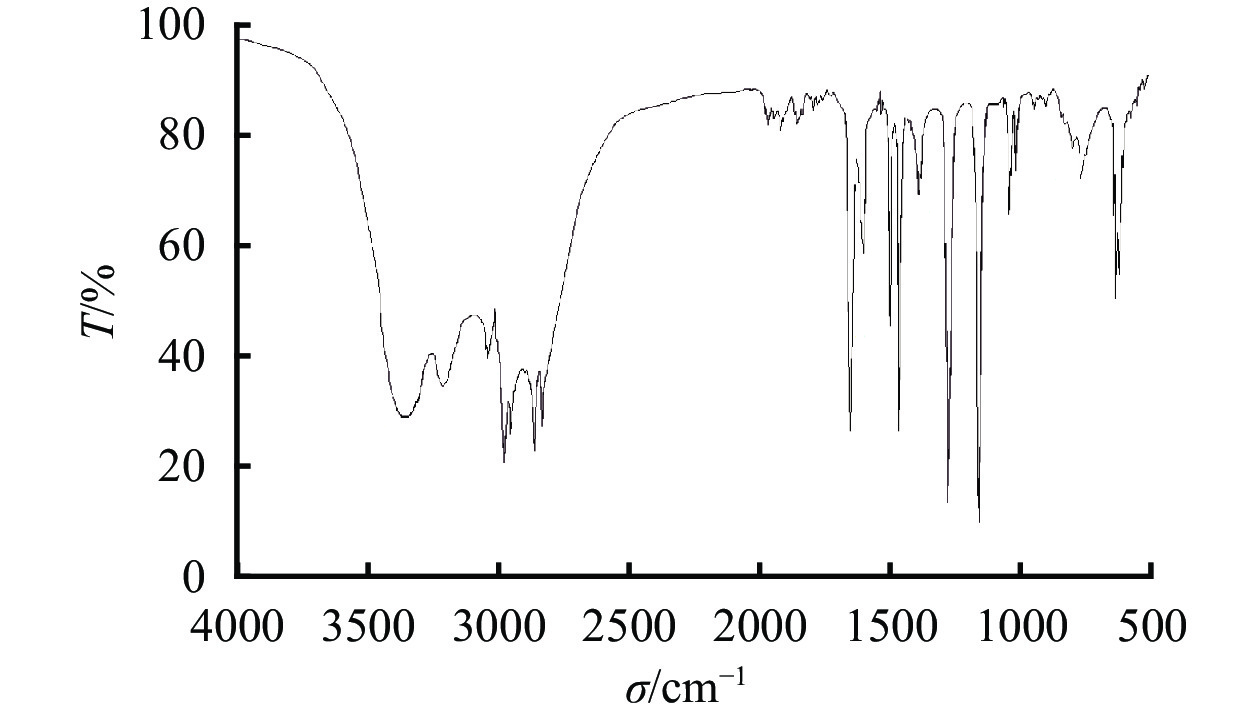
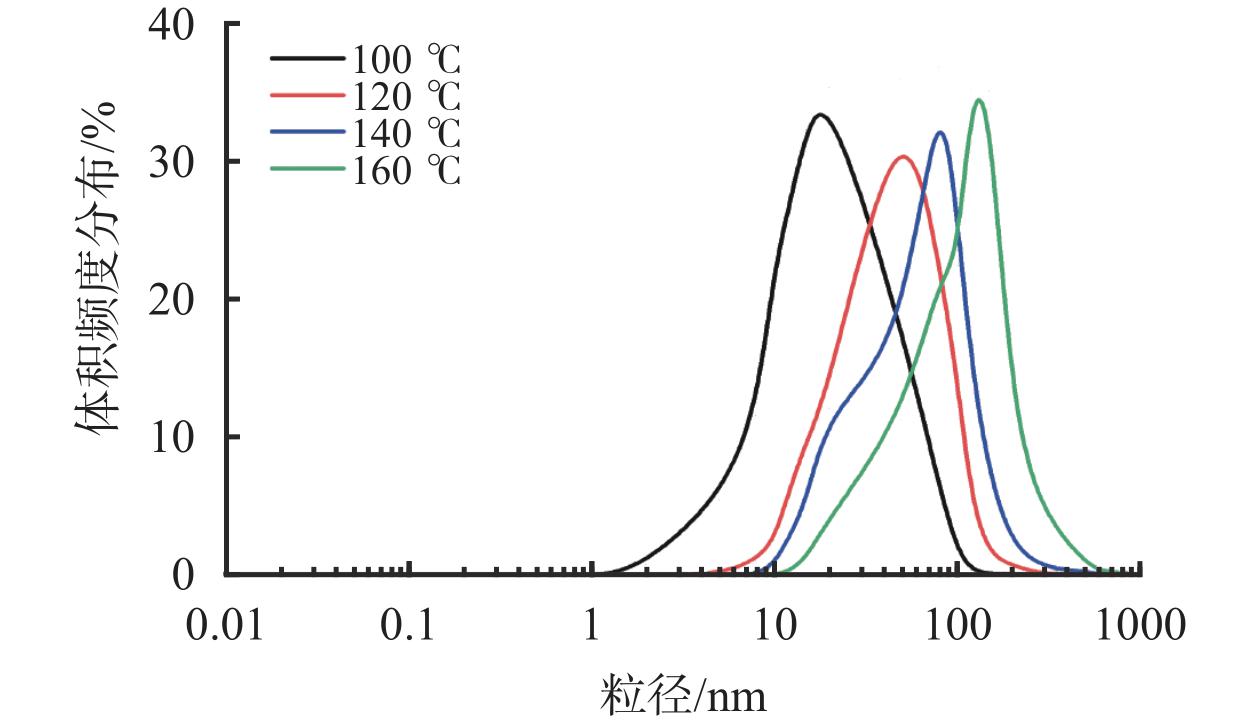
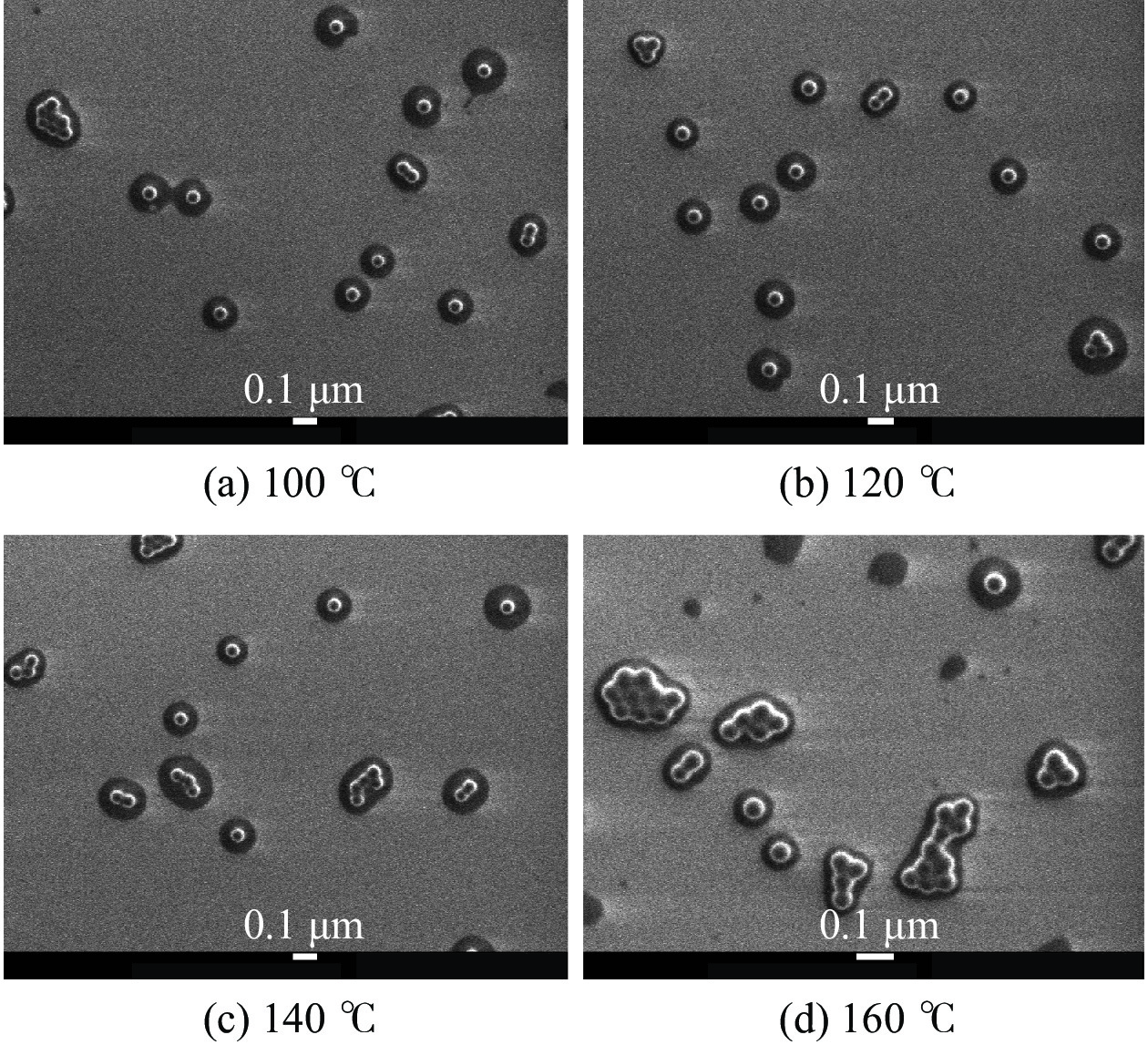
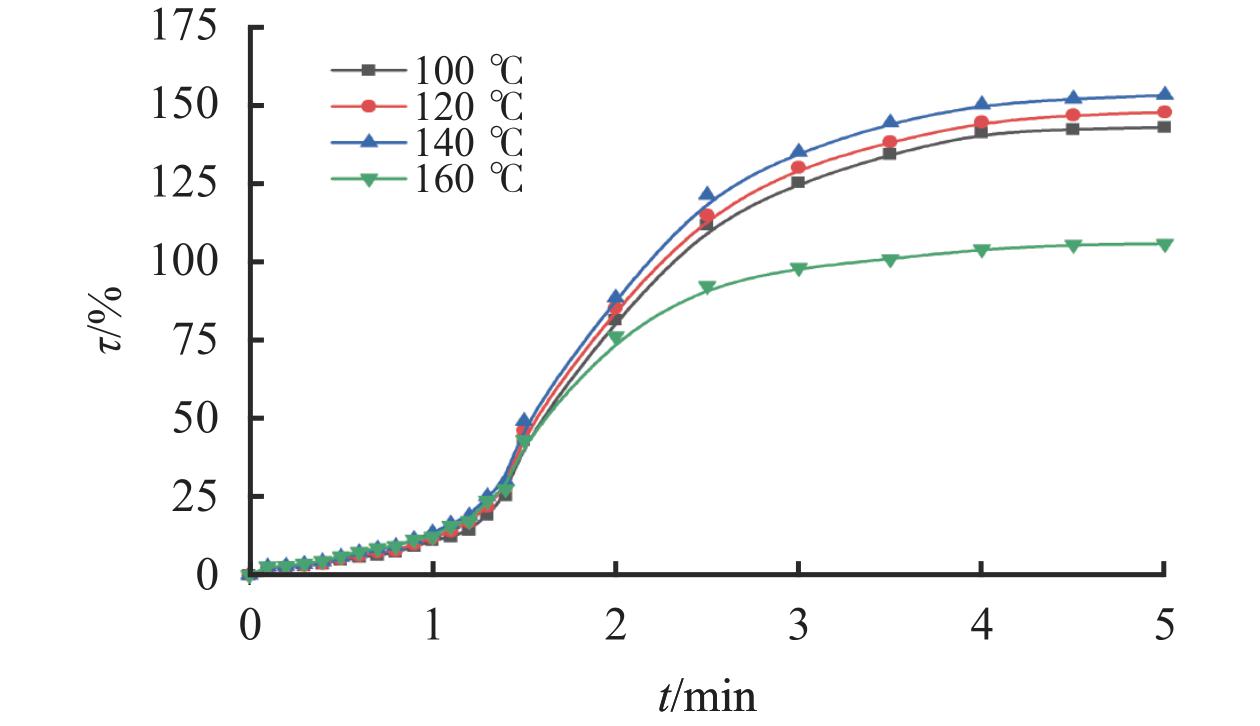
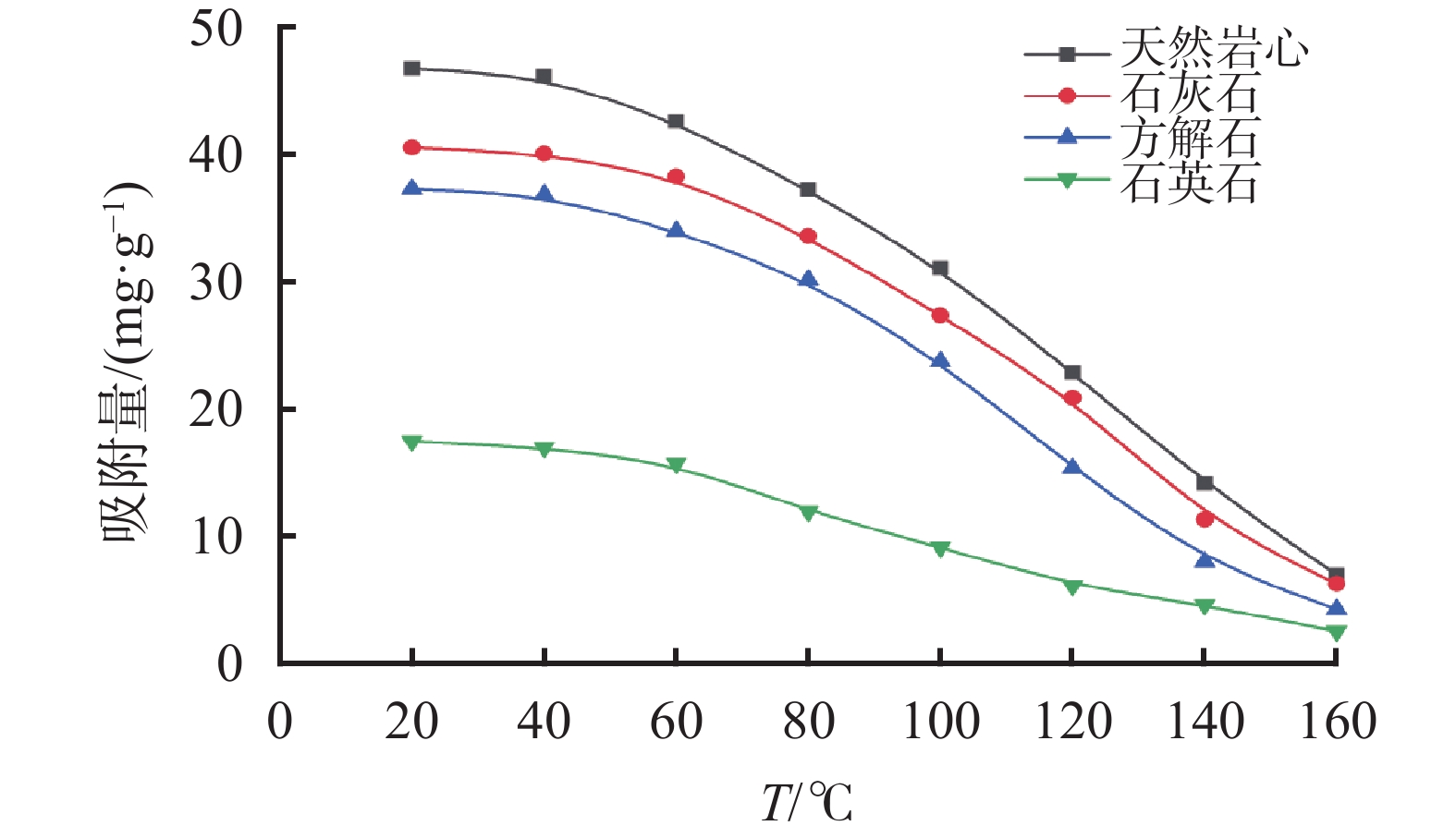
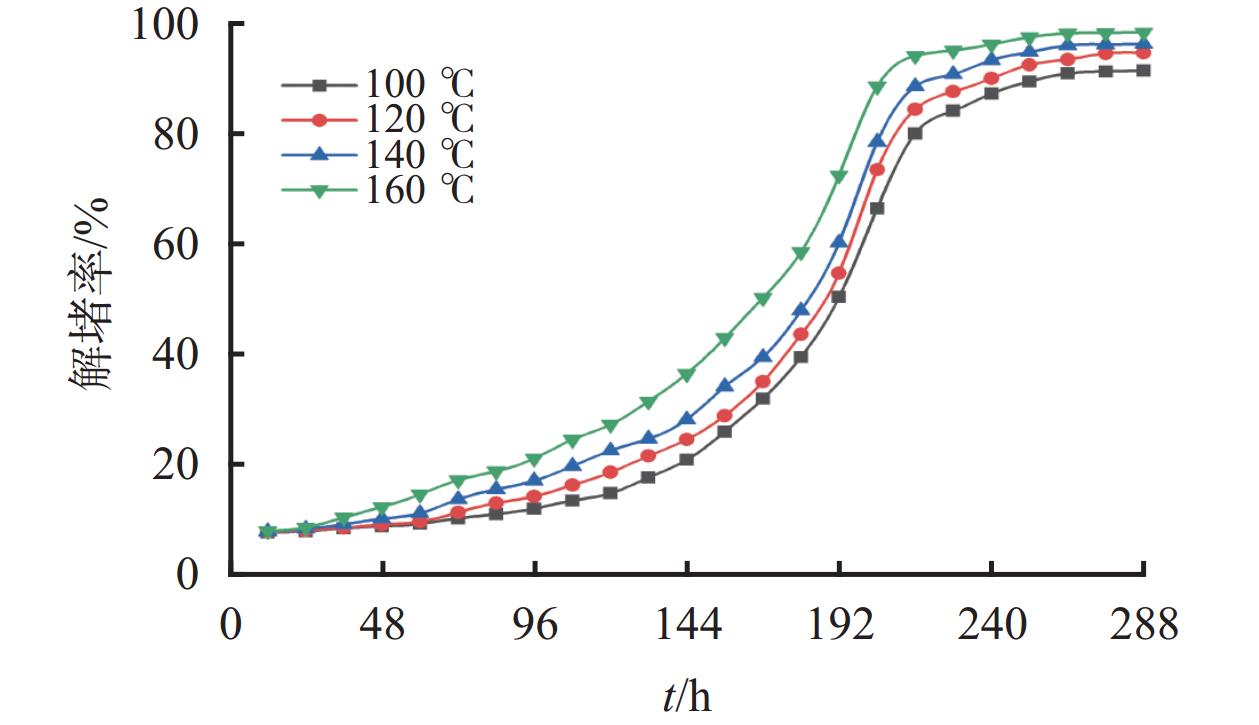
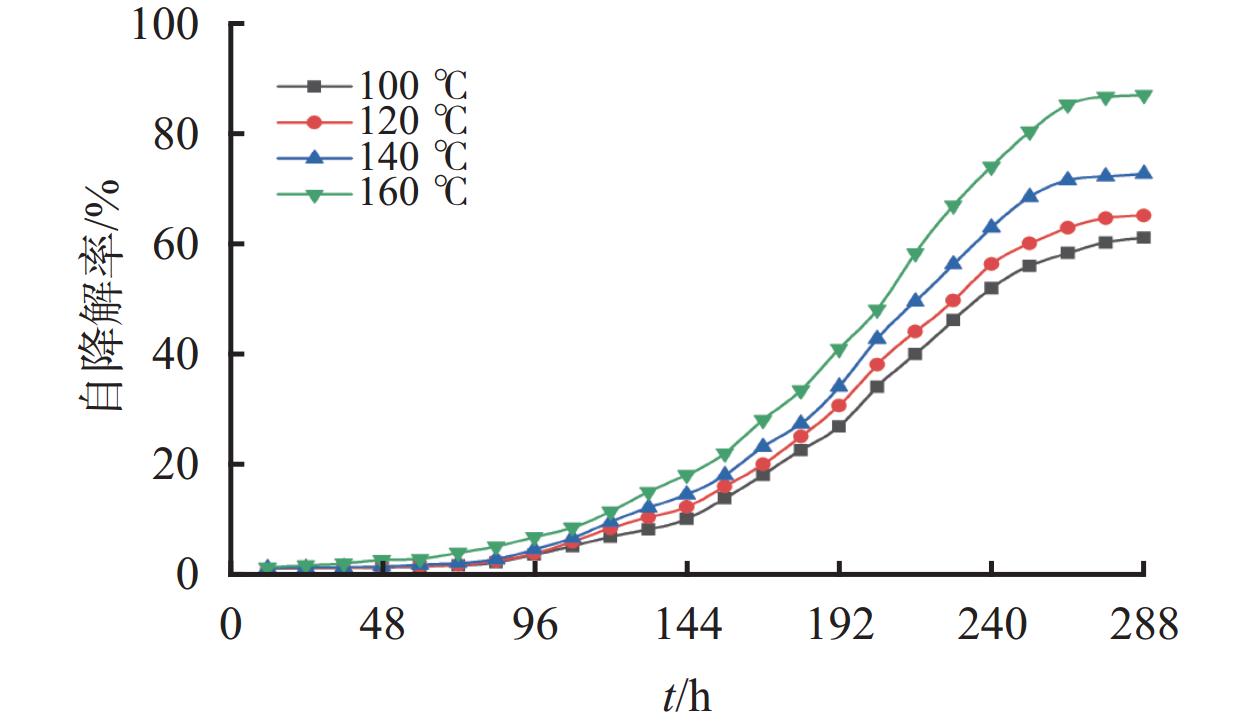
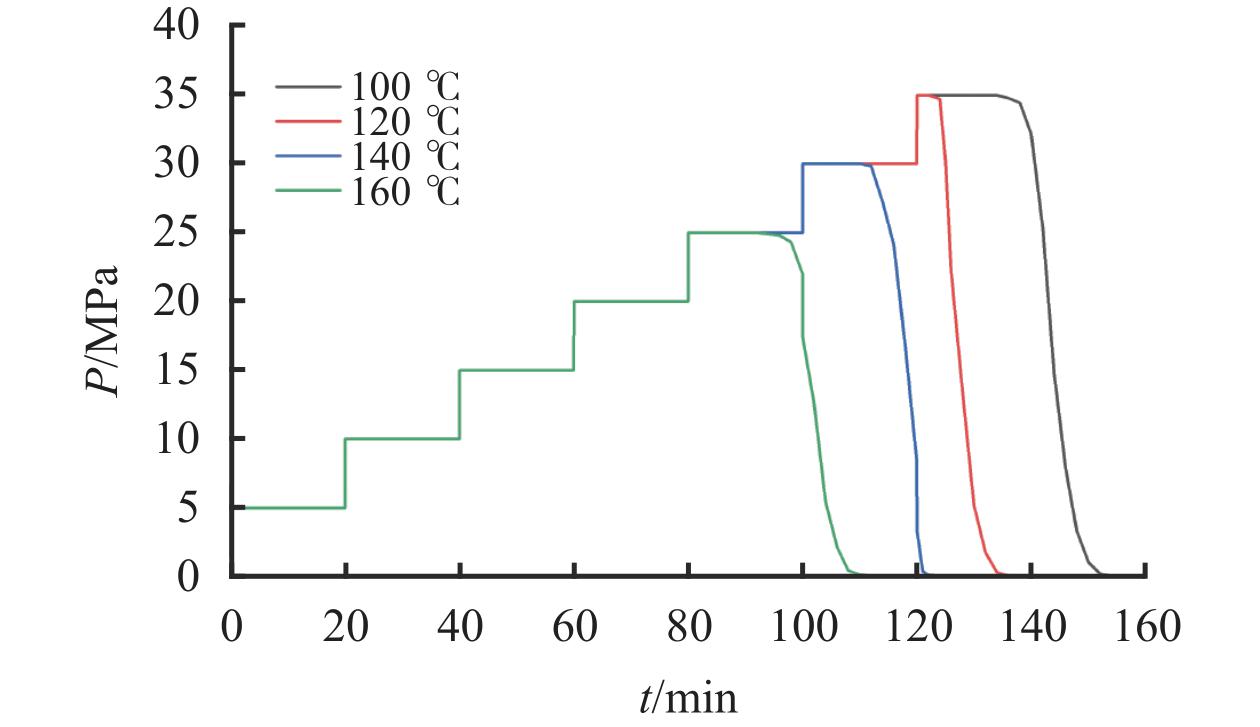
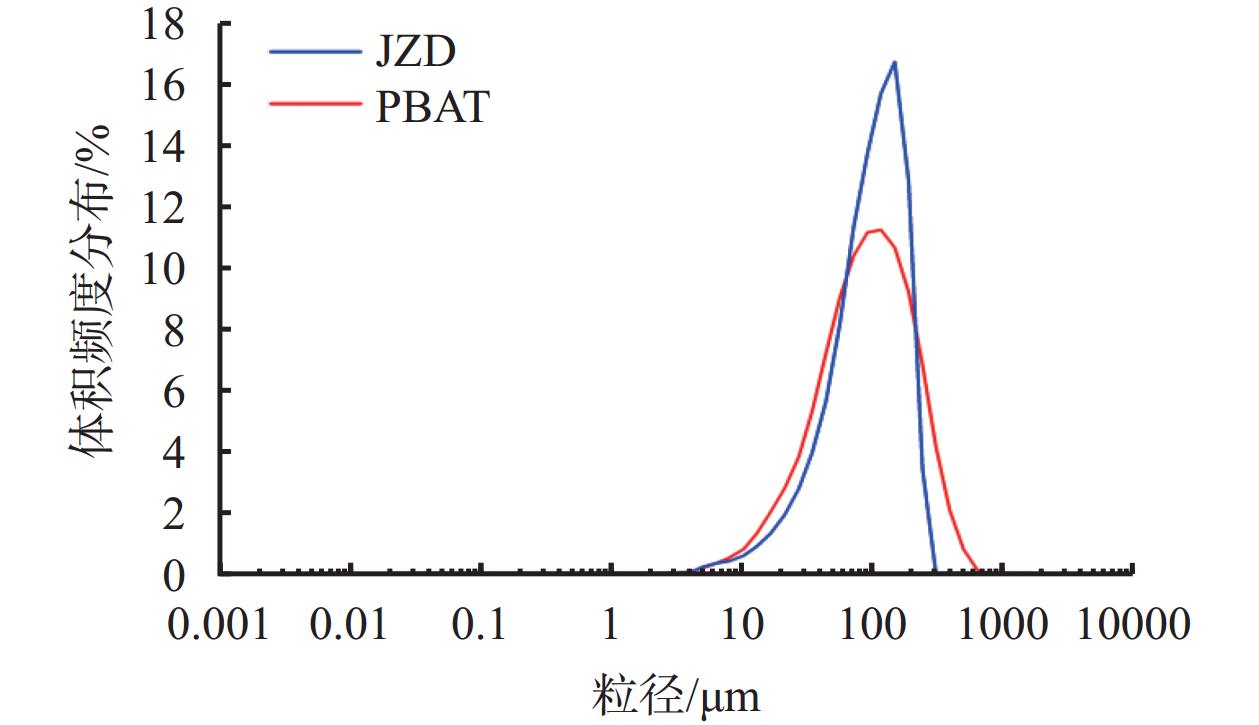
In drilling fractured low-permeability reservoirs, bridging temporary plugging agent particles, because of their large sizes, are difficult to achieve tight plugging, and these particles exhibit low self-degradability. To address these technical challenges, a self-degradable bridging temporary plugging agent SMNP-1 was prepared via inverse microemulsion polymerization and using liquid microfluidics technology. The plugging agent SMNP-1 was synthesized using acrylamide (AM) and sodium p-styrenesulfonate (SSS) as the monomers, and β-cyclodextrin diacrylate ester (β-CD-AA) as the crosslinking agent. The molecular structure of SMNP-1 was verified with infrared spectrometer, and the particle size distribution and micromorphology of SMNP-1 were characterized with laser particle size analyzer and scanning electron microscope (SEM). Laboratory experiments were conducted to investigate SMNP-1 for its water absorption and swelling performance, adsorption performance, temporary plugging and unplugging performance, self-degradability, pressure-bearing capacity, and compatibility. Experimental results demonstrate that at elevated temperatures, SMNP-1 exhibits a moderate volumetric expansion rate after absorbing water, and a strong adsorption capacity. The SMNP-1 particles, after high-temperature treatment, show a normal size distribution and are morphologically nano-micron sized microspheres. At test temperatures of 100 ℃, 120 ℃, 140 ℃ and 160 ℃, the rates of SMNP-1 to plug natural cores are 96.88%, 96.63%, 96.57% and 95.27%, respectively. After 240 h of high temperature exposure, the unplugging rates of SMNP-1 are 87.22%, 89.95%, 93.27% and 96.13%, respectively, and the rates of self-degradation are 52.05%, 56.40%, 63.04% and 74.11%, respectively, demonstrating remarkable reservoir protection effect. At test temperature of 100 ℃, the maximum displacement pressure difference is 55 MPa, and a maximum displacement pressure difference of 25 MPa can still be achieved when the temperature is increased to 160 ℃, demonstrating an excellent plugging performance. SMNP-1 exhibits little effect on the rheology of drilling fluids, it can effectively enhance the wall-building capacity of a drilling fluid after fluid-loss and the reservoir protection effect. SMNP-1 has been successfully applied in the wild-cat well Xinsheng-1.
Synthesis and Performance Evaluation of Drilling Fluid Core-Shell Self-Unplugging Temporary Plugging Agent JZD
JIA Jun, LI Fei, ZHANG Xiaoping, CHEN Lei, ZHAO Lei, SHEN Xiaobo, HUANG Weian, JIANG Lin, ZHAO Shufan
2026, 43(3): 349-356. doi: 10.12358/j.issn.1001-5620.2026.03.007
Abstract:
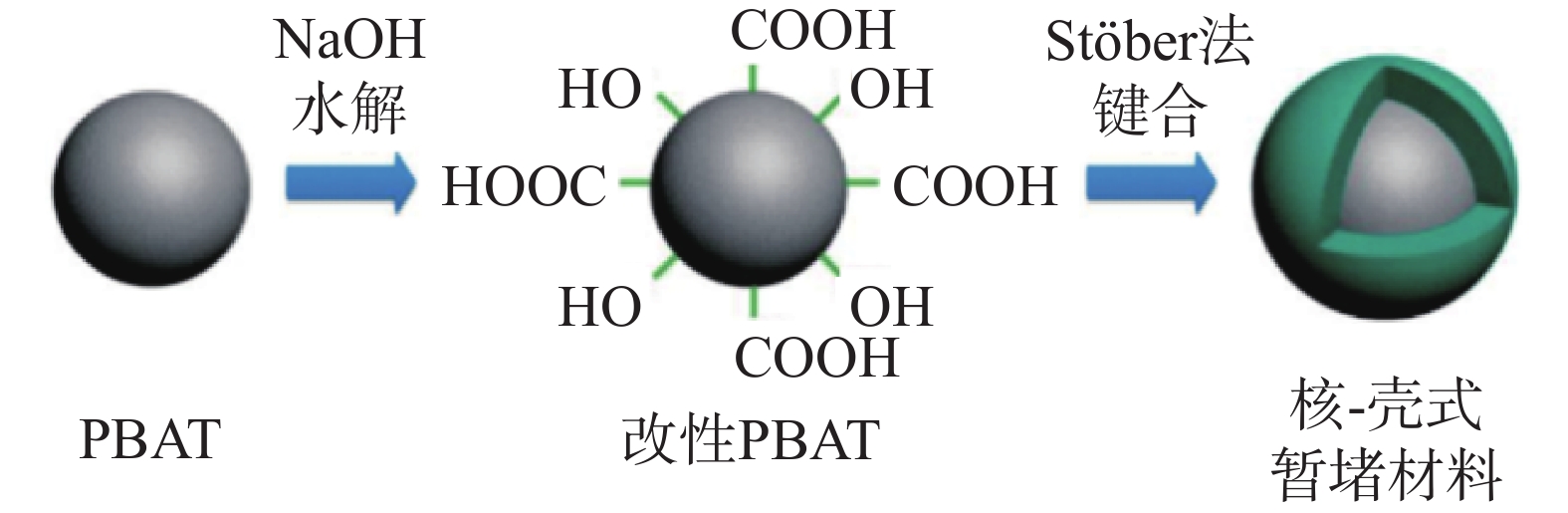
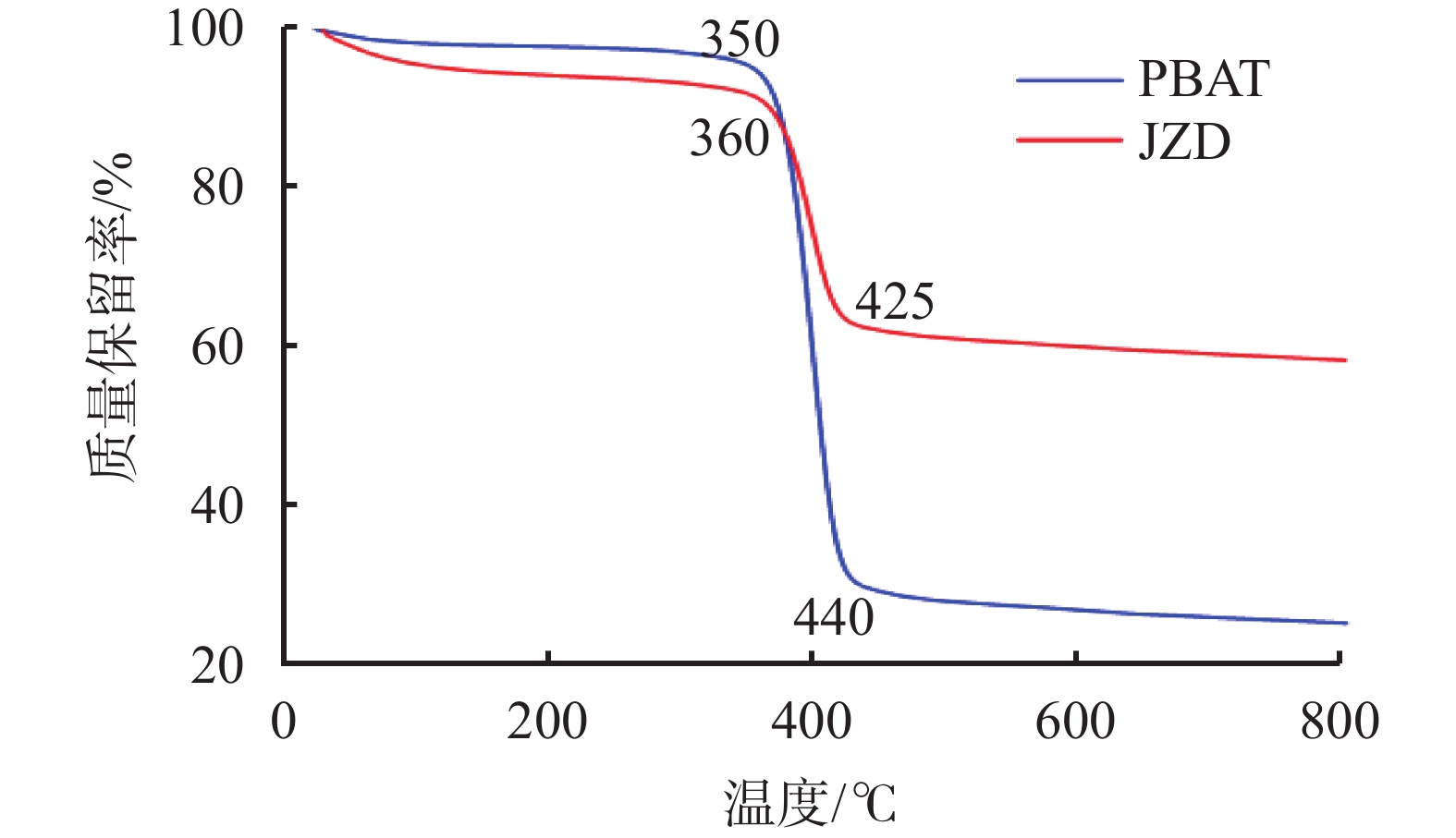
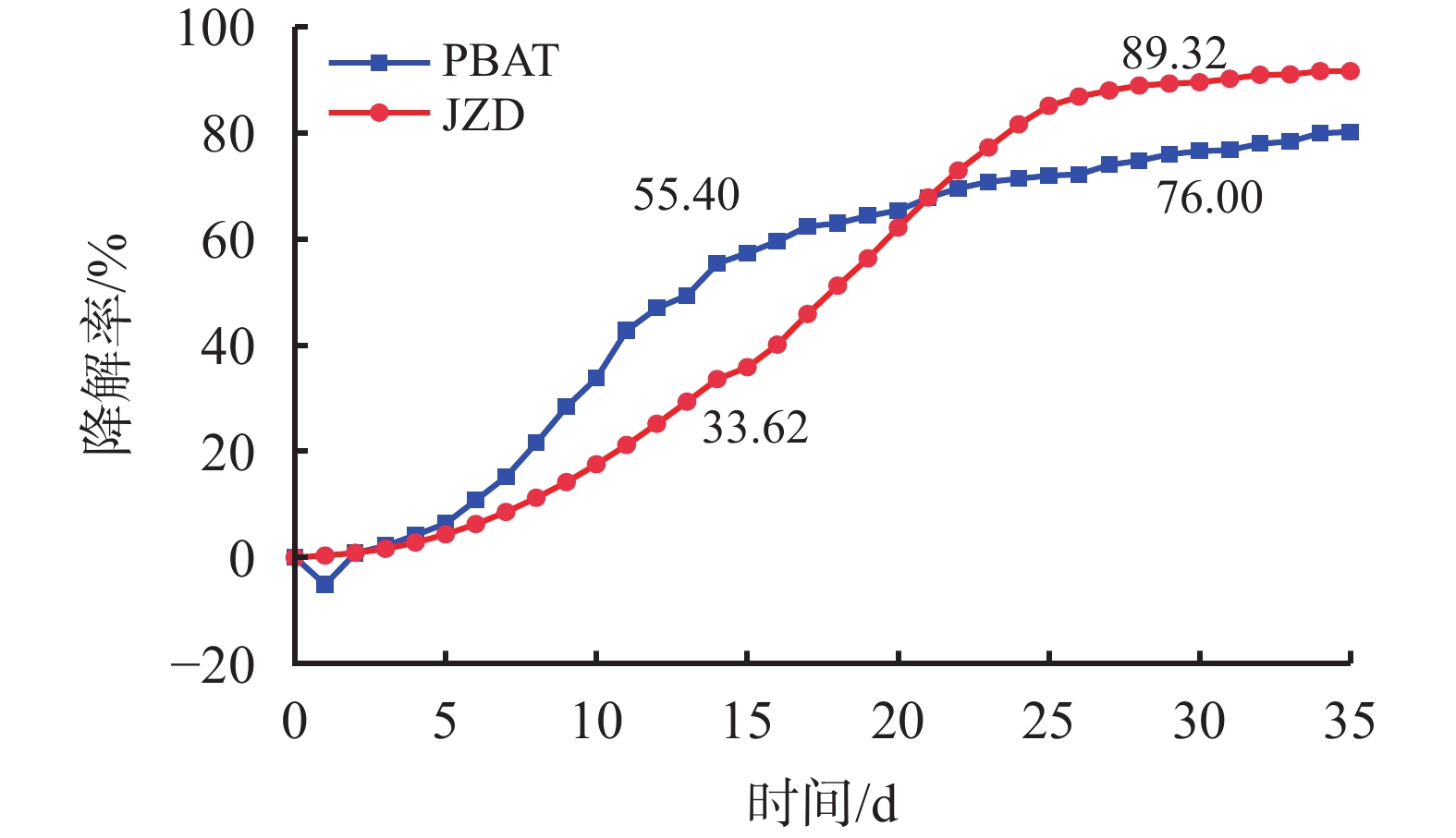
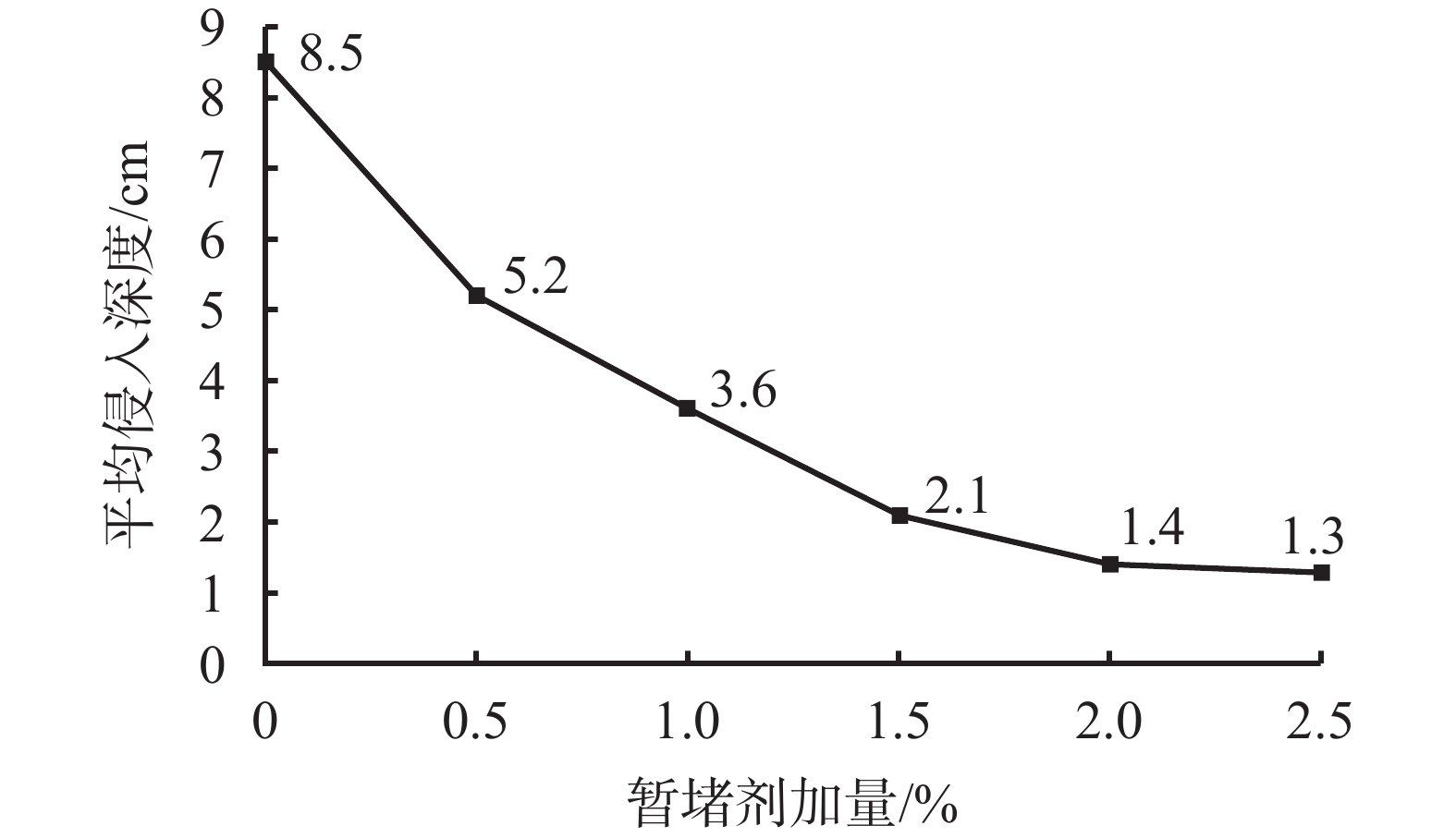
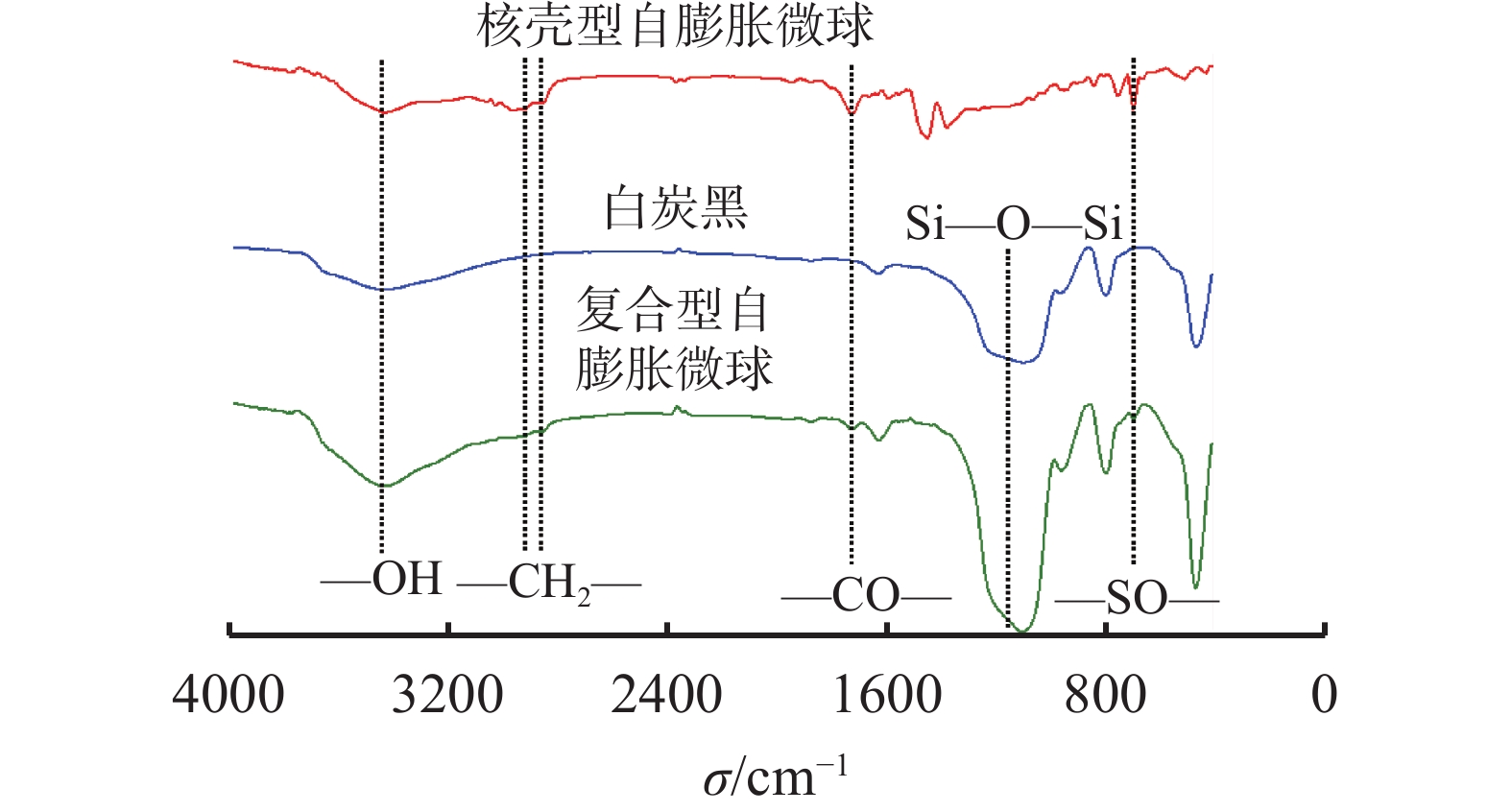
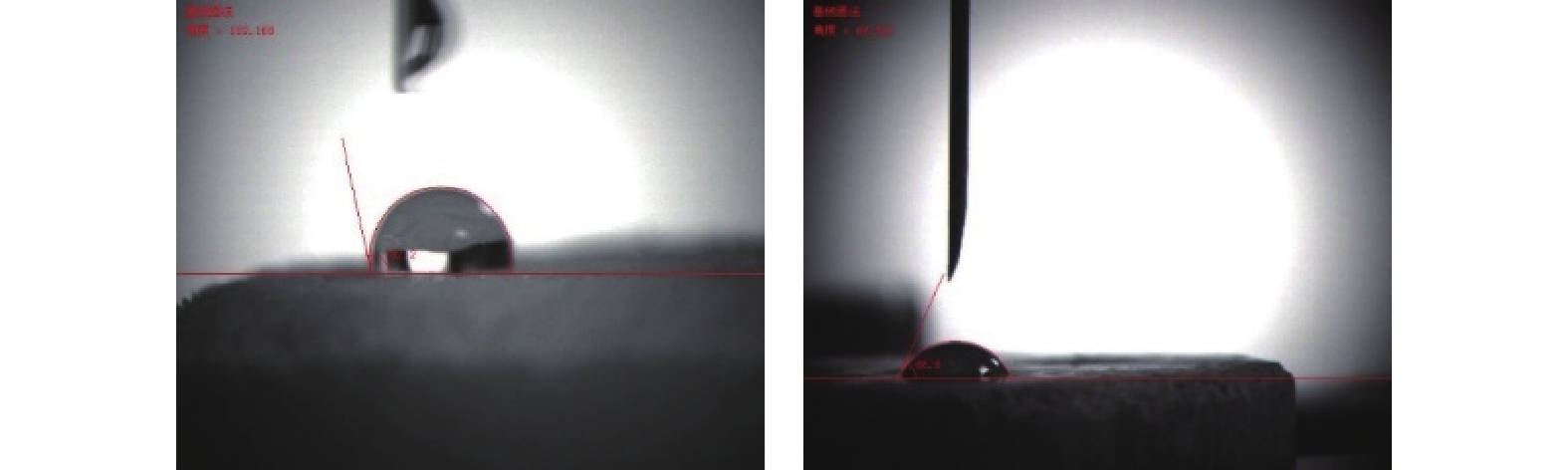
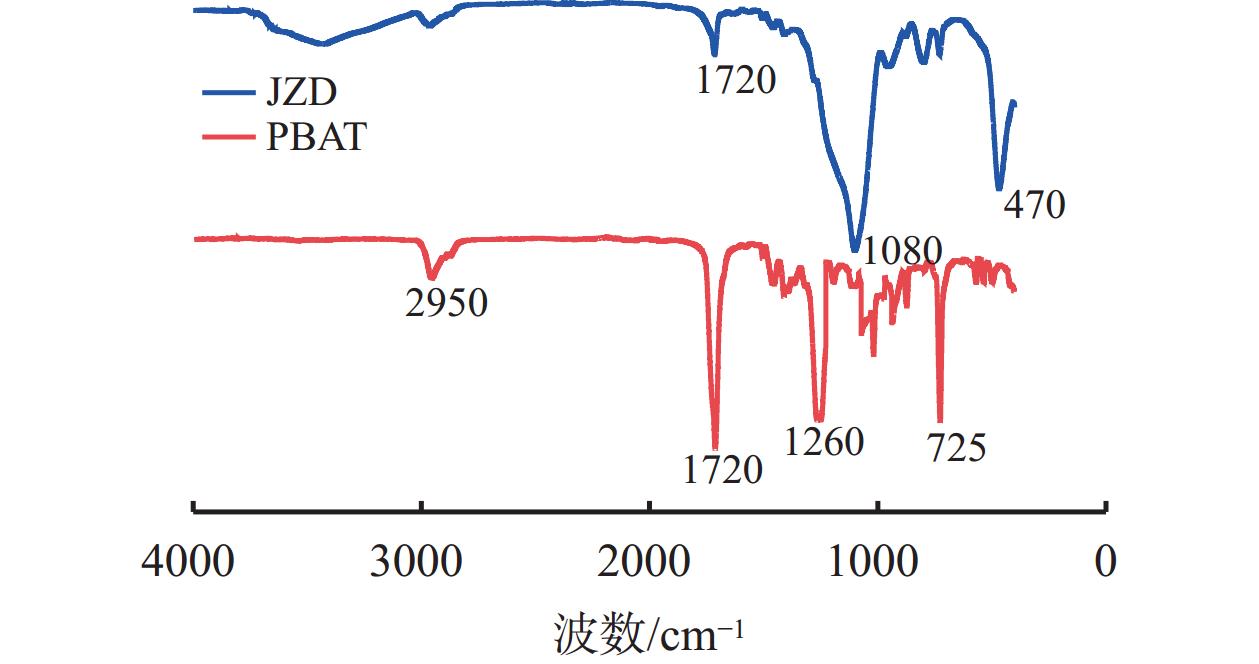
Conventional temporary plugging agents often cause secondary formation damage such as blocking of pore throats in reservoir formations and reduced permeability etc. due to incomplete gel-breaking, delayed unplugging or residues that are difficult to remove, severely restricting the recovery enhancement of oil and gas reservoirs. Developing novel temporary plugging materials with both efficient plugging capacity and self-unplugging capability has become a core research direction and a new idea for technical breakthroughs in the field of oil and gas reservoir protection. Based on the Stöber method, a core-shell self-unplugging temporary plugging agent for drilling fluids was successfully developed using modified poly(butylene adipate-co-terephthalate) as the core and silica as the shell. With core-shell synergistical mechanism, the core of this temporary plugging agent ensures plugging strength, while the shell, with its smart responsive groups, achieves the goal of “strong plugging in the early stage and fast unplugging in the later stage”, thus resolving the contradiction of plugging and unplugging. The chemical structure, micromorphology and thermal stability of this temporary plugging agent was systematically characterized using Fourier transform infrared (FT-IR) spectroscopy, field emission scanning electron microscopy (FE-SEM) and simultaneous thermogravimetric-differential thermal analysis (TG-DTA). The results of the characterization show that the temporary plugging agent developed has an obvious core-shell structure. At 120 ℃ and a salinity of 150,000 mg/L, the rate of degradation of the temporary plugging agent reaches 33.62% in 15 days, and it is completely degraded in 36 days, which can meet the requirements of medium- and long-term safe operation. Meanwhile, the temporary plugging agent is well compatible with drilling fluids, it functions normally at temperatures up to 130 ℃, and is resistant to 25% NaCl environment. Plugging capacity test results show that the plugging depth of sand-bed reduced from 8.5 cm to 1.3 cm as the amount of the temporary plugging agent increases, the plugging efficiency reaches 89.32%, and the percent recovery of permeability is 95.45%, demonstrating both excellent plugging capacity and reservoir protection performance.
Mechanism and Performance of Bioenzyme-Enhanced DTPA Chelator in Removing Barite Plugging
WANG Wenshi, WANG Hu, REN Ni, WANG Jie, CAI Jun, CAI Jihua
2026, 43(3): 357-365. doi: 10.12358/j.issn.1001-5620.2026.03.008
Abstract:
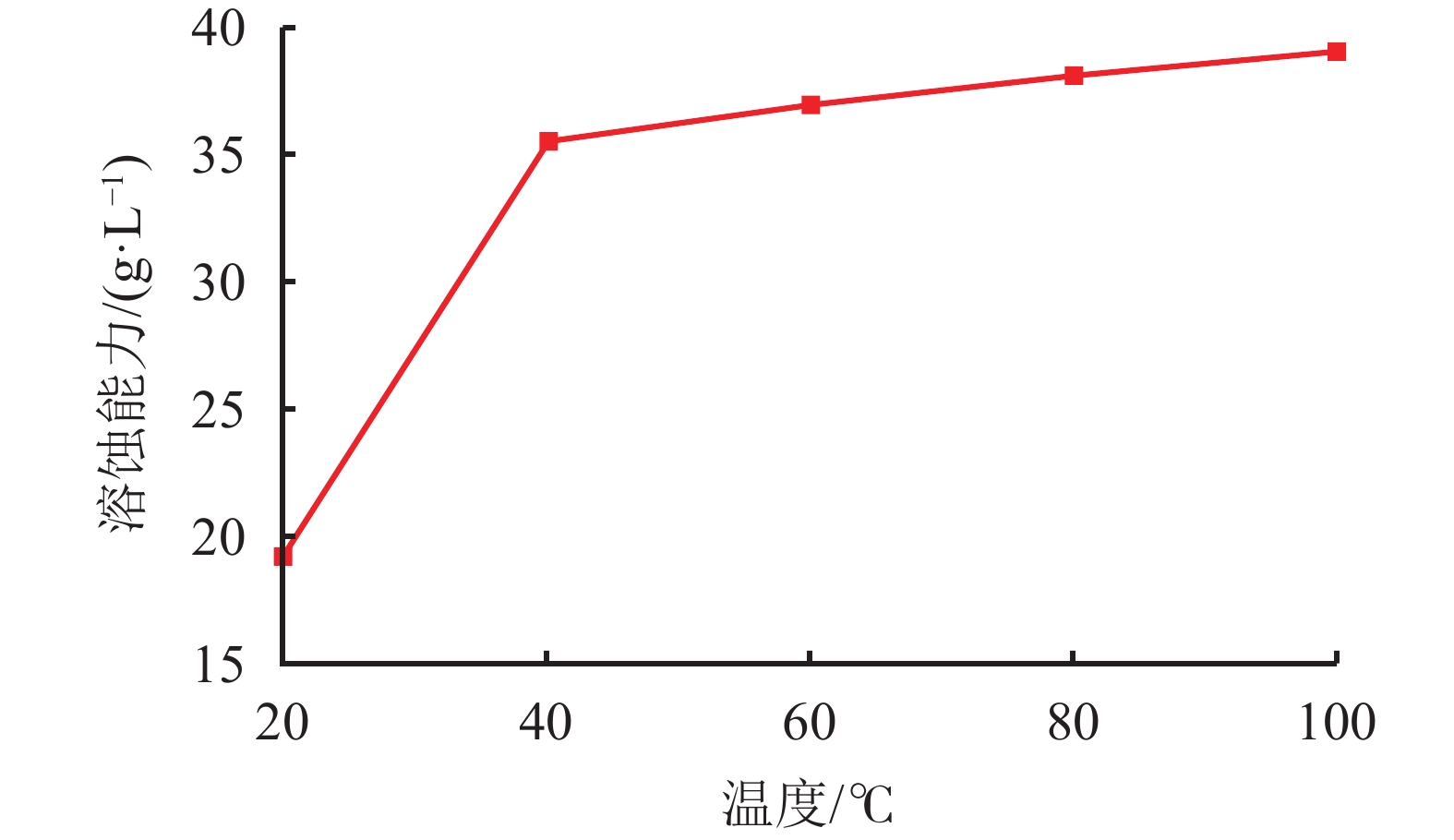
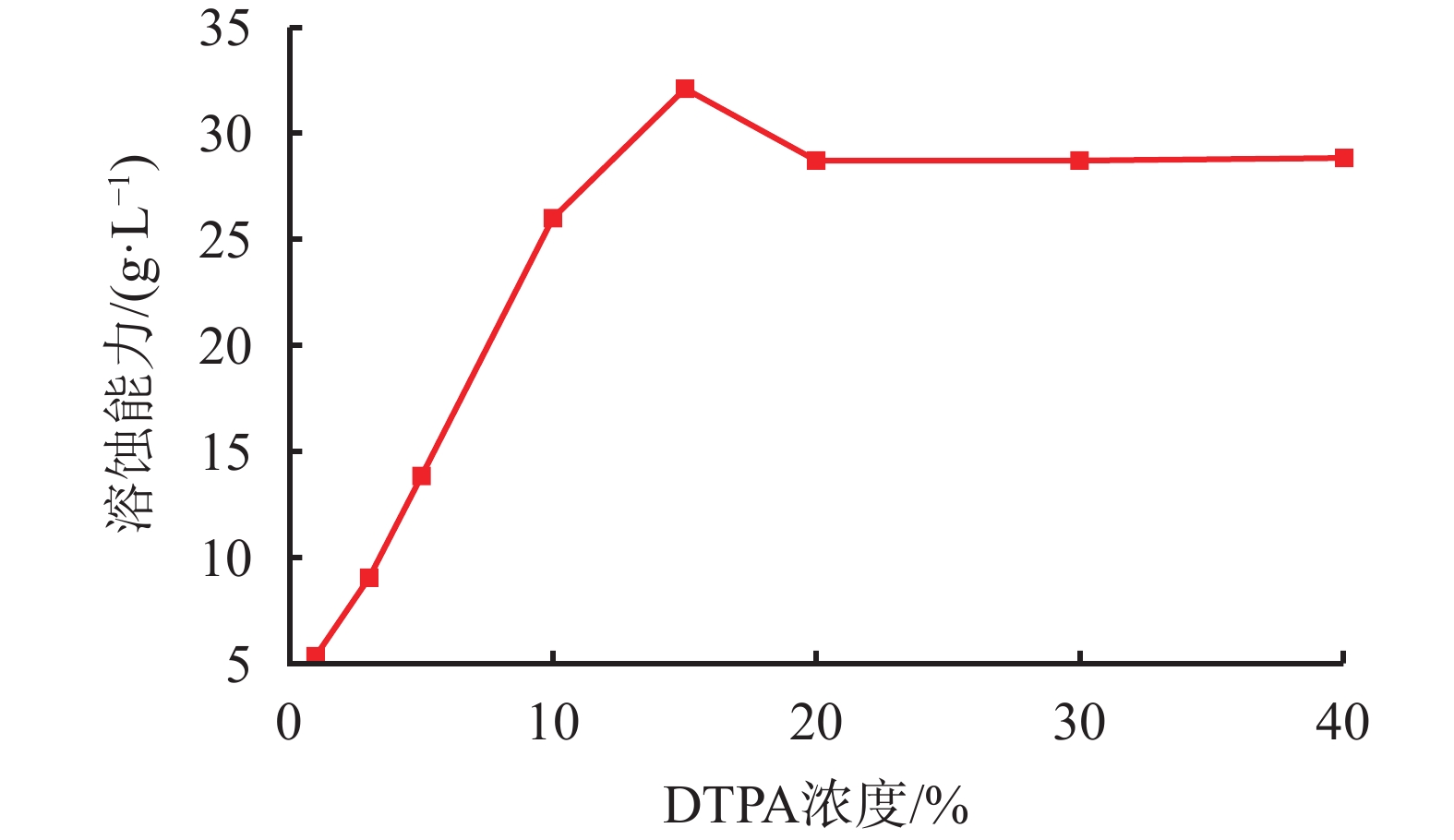
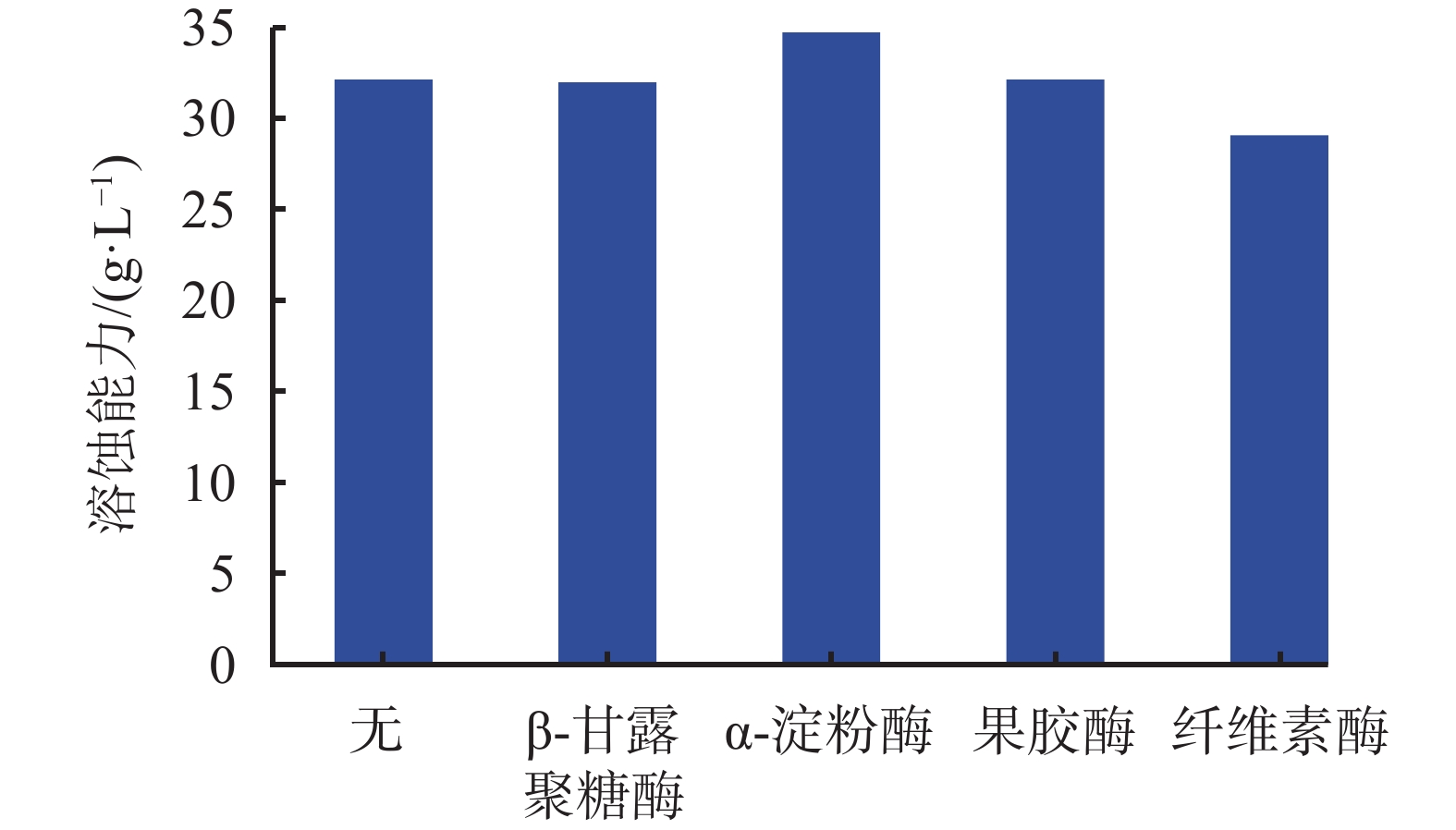
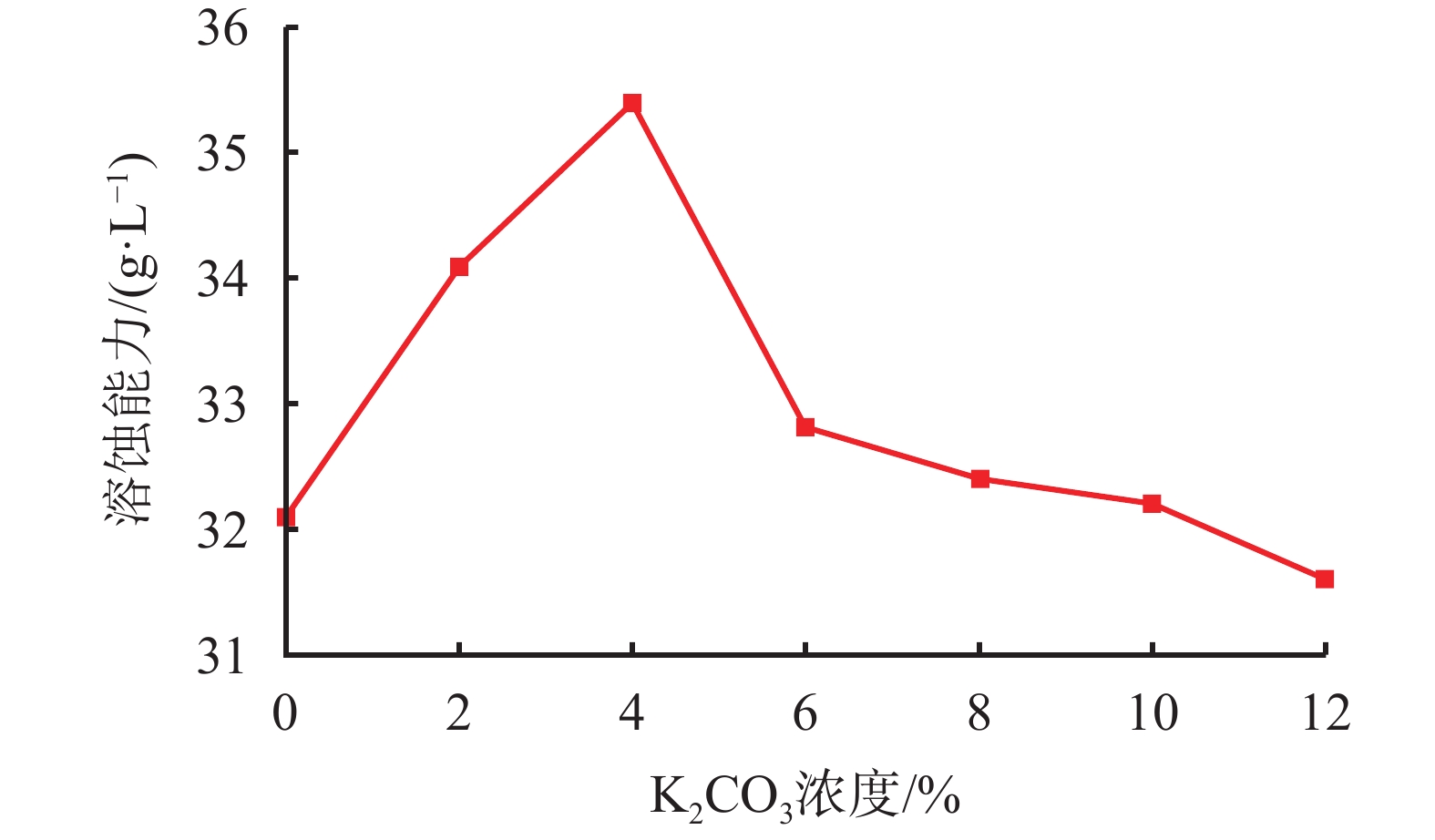
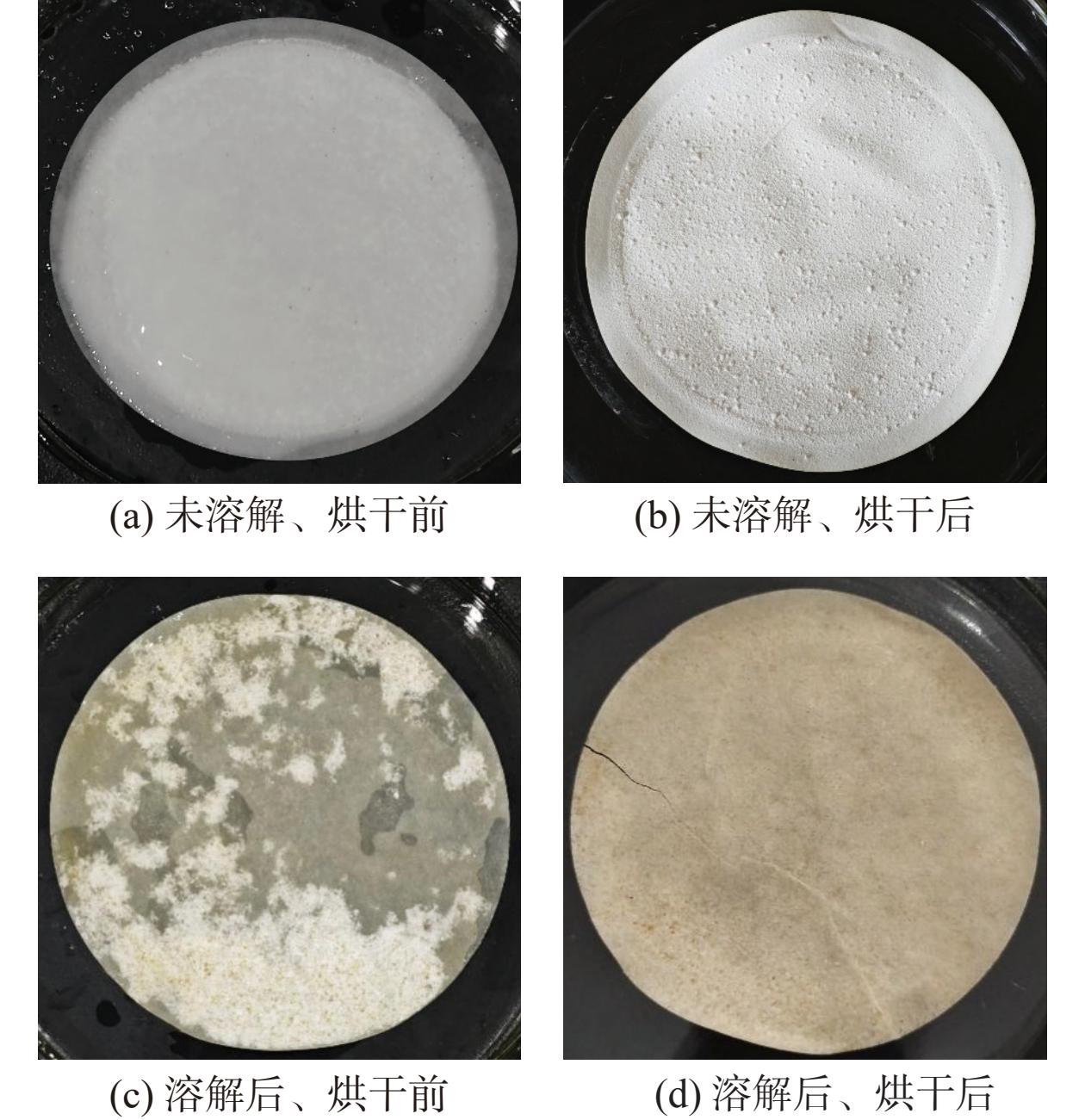
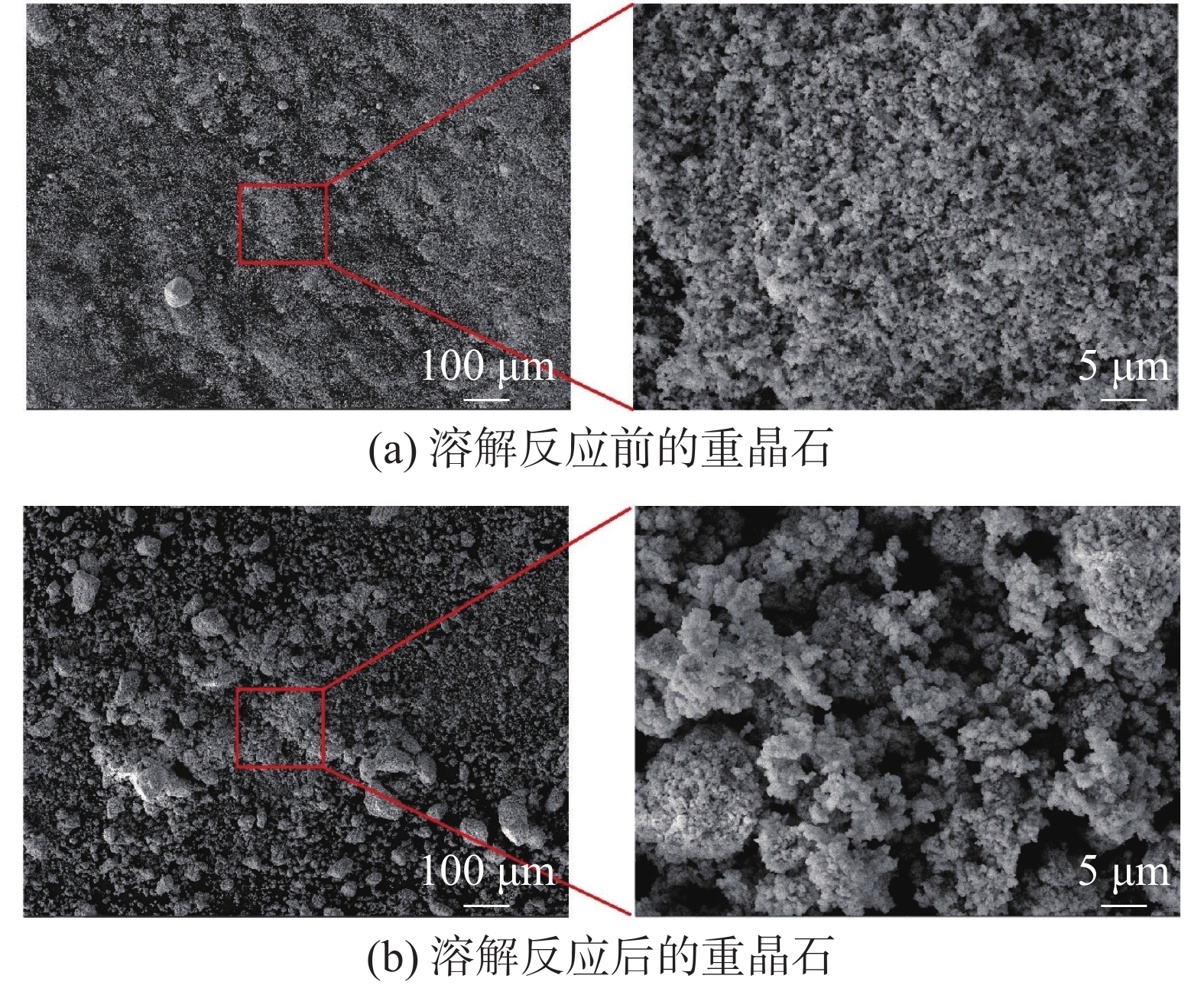
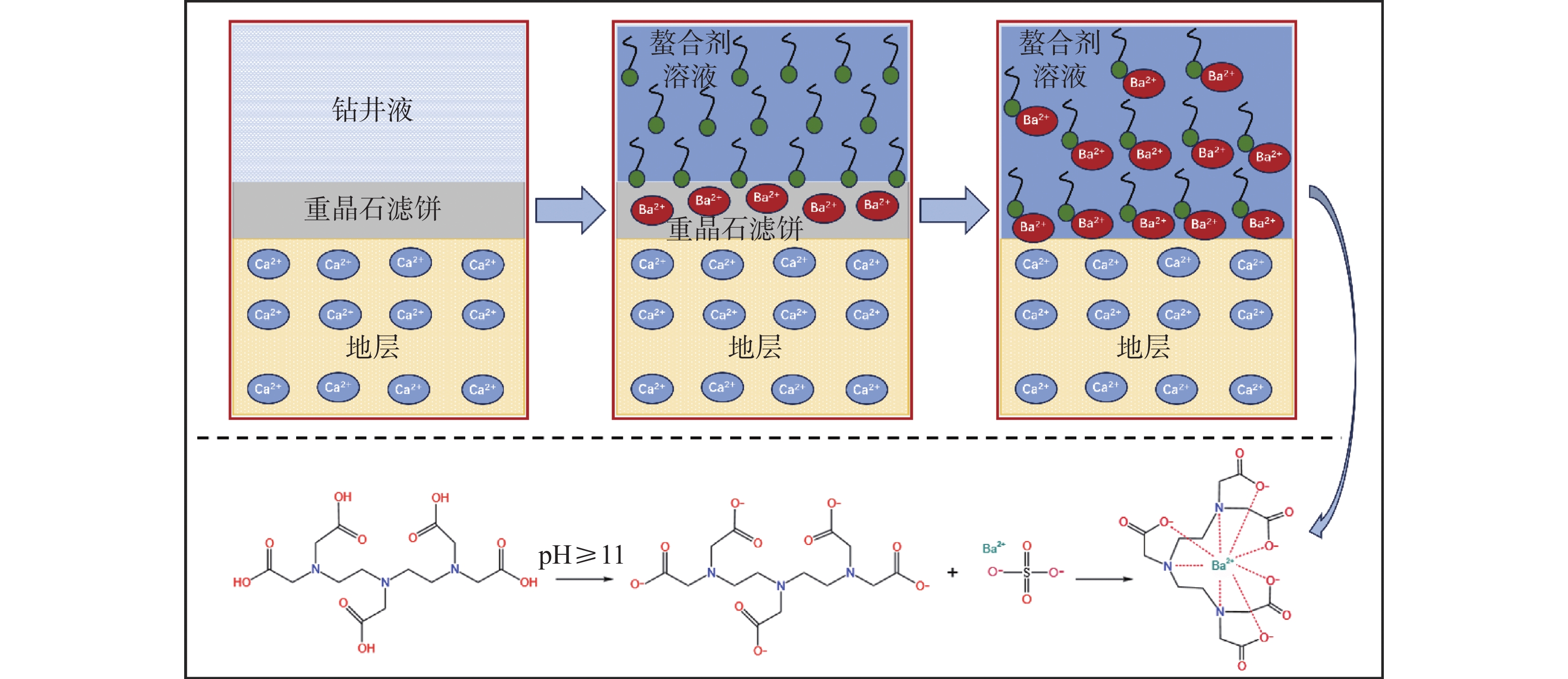
When drilling low-temperature geothermal wells into high-pressure formations, the barite (BaSO4) in weighted drilling fluids, under the action of differential pressure, invade formation fractures and form insoluble filter cakes to block flow channels, causing production capacity to reduce. Regular acid job measures cannot be used to effectively dissolve barite, thus chelating blocking removing agents composed mainly of aminopolycarboxylates (such as diethylene triamine pentaacetate, DTPA) become a potential solution. Using DTPA as the main agent, the effects of reaction temperature, concentration of the main agent, bioenzyme (α-amylase) and basic conversion agent (K2CO3) on barite dissolution were systematically investigated. The performance of the blocking removing agent was evaluated through filter cake dissolution test and scanning electron microscopy (SEM), and the working mechanism was revealed. The results show that: (1) the dissolution capacity of DTPA solution for barite increases with increase in temperature. At 65 ℃, the optimum concentration of DTPA is 15%; adding 0.5% α-amylase and 4% K2CO3 on this basis can synergistically improve the dissolution effect, and an optimum blocking removing formula (15% DTPA + 0.5% α-amylase + 4% K2CO3) was then obtained, with barite dissolution capacity of 35.3 g/L. (2) The results of SEM analyses demonstrate that the barite particles after treatment exhibit porous and fracturing morphology, with roughness significantly increased. Filter cake dissolution experiment confirms that this blocking removing agent can efficiently penetrate into, dissolve and disperse barite filter cakes. Mechanism studies reveal that DTPA dissolves barite synergistically by inducing lattice distortion and chelating. (3) An index of “solute ratio” is presented to characterize the efficiency of removing barite from the borehole wall. The solute ratios in different boreholes are all greater than 1, indicating that the blocking removing agent can effectively remove filter cake attached to the borehole walls in a single treatment. The achievements made in this research provide a technical reference for reservoir protection in low-temperature geothermal well drilling.
An Amphiphilic Flow Pattern Regulator for Oil-Based Drilling Fluids Used in Ultra-High Temperature Deep Wells
PENG Jianghao, GAO Bin, WANG Yan, DENG Zhengqiang, ZHU Qi, LI Xinliang
2026, 43(3): 366-373. doi: 10.12358/j.issn.1001-5620.2026.03.009
Abstract:
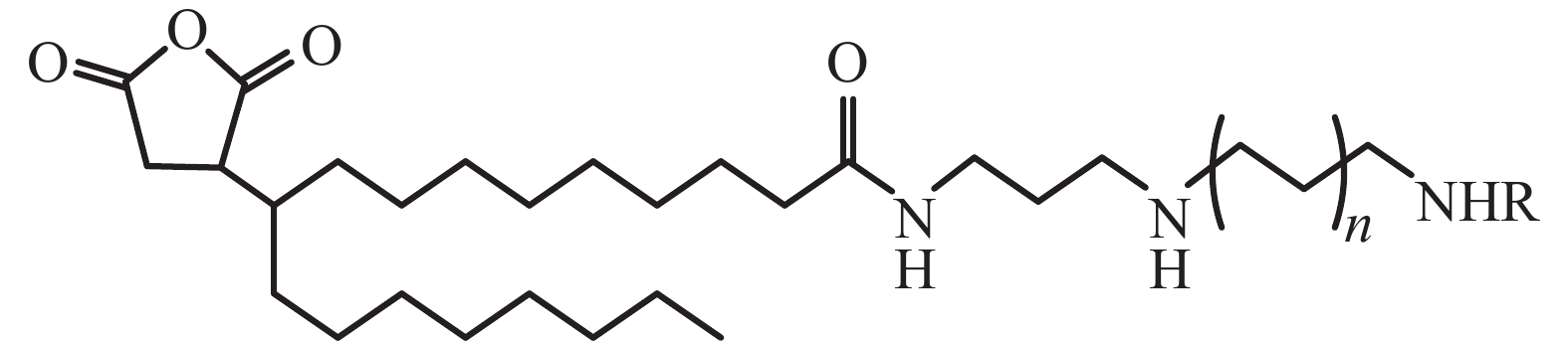
In deep and ultra-deep well drilling, after long period of circulation at ultra-high temperatures, oil-based drilling fluids will experience rheology deterioration problems, such as gel or suspending capacity decline, a causative factor for barite sag, stuck pipe and wellbore collapse etc. To deal with this problem, an ultra-high temperature amphiphilic oligomer flow pattern modifier was developed through high temperature amidation reaction with raw materials such as tall oil fatty acids, fatty alkyl polyamines and maleic anhydride. Laboratory experiments were conducted to carefully investigate the performance and mechanisms of the oligomer flow pattern modifier, and the experimental results show that the oligomer flow pattern modifier can be used to significantly improve the rheology and settling stability of oil-based drilling fluids. At 230 ℃, 0.5% oligomer flow pattern modifier can increase the yield value of a water-in-oil emulsion from 0.5 Pa to 4.5 Pa, and the emulsion stability voltage from 323 V to 509 V. It can increase the yield value of an oil-based drilling fluid from 6.5 Pa to 22.5 Pa, and the emulsion stability voltage from 1,014 V to 1,315 V. A mud sample was taken from a well, it was first hot rolled for 1 d, and then allowed for standing for 5 d. The mud sample was then treated with the oligomer flow pattern modifier, and it still acquired good gel strengths, settling stability and emulsion stability. This oligomer flow pattern modifier provides a technical reference for the development of ultra-high temperature oil-based drilling fluid.
A High Performance Lubricant for Complex Shale Oil Drilling Conditions
WANG Jianlong, JIANG Yao, WANG Shengkun, WANG Yuezhi, ZHANG Zhanhao, WANG Jintang, YANG Yanlong
2026, 43(3): 374-380. doi: 10.12358/j.issn.1001-5620.2026.03.010
Abstract:
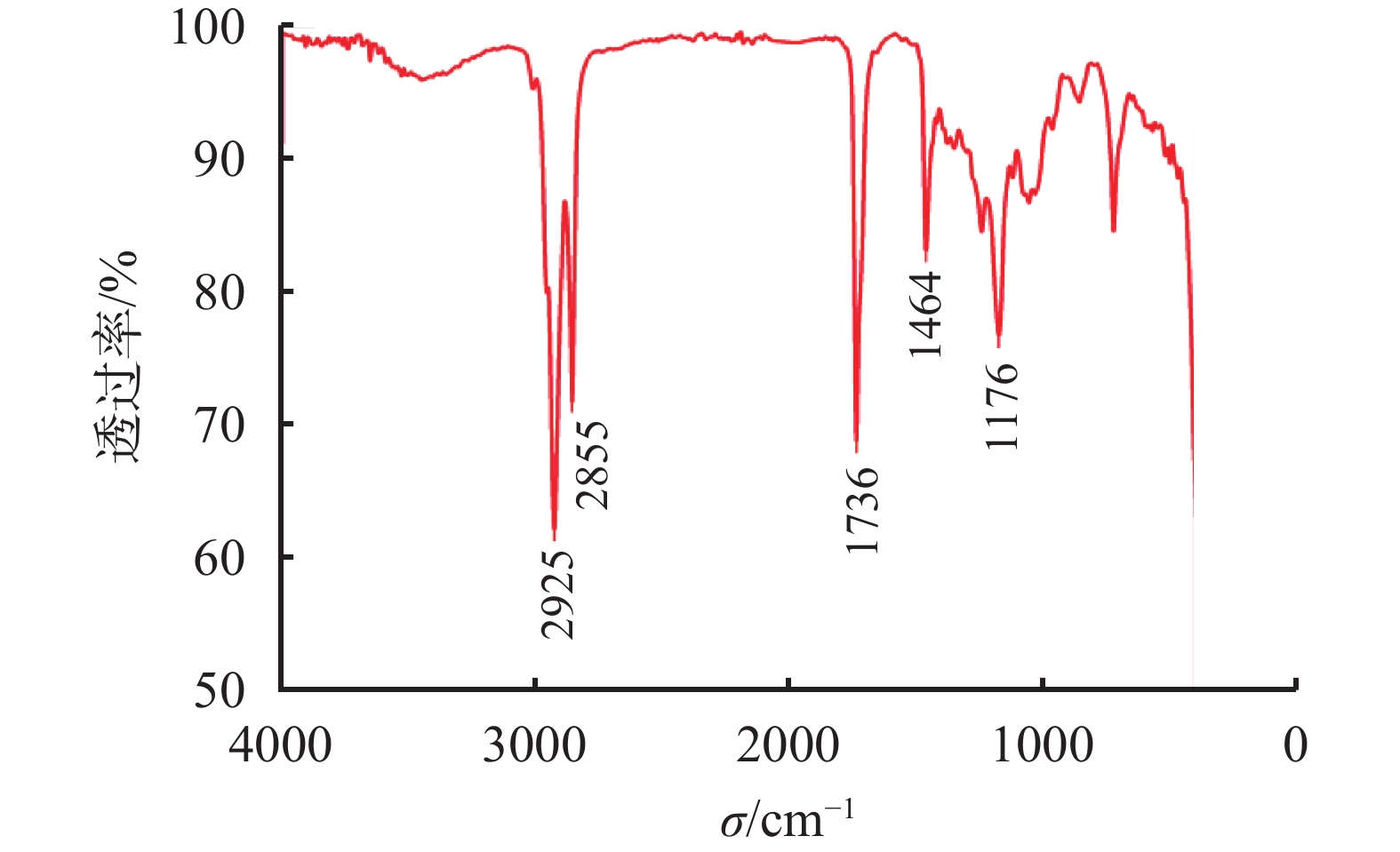
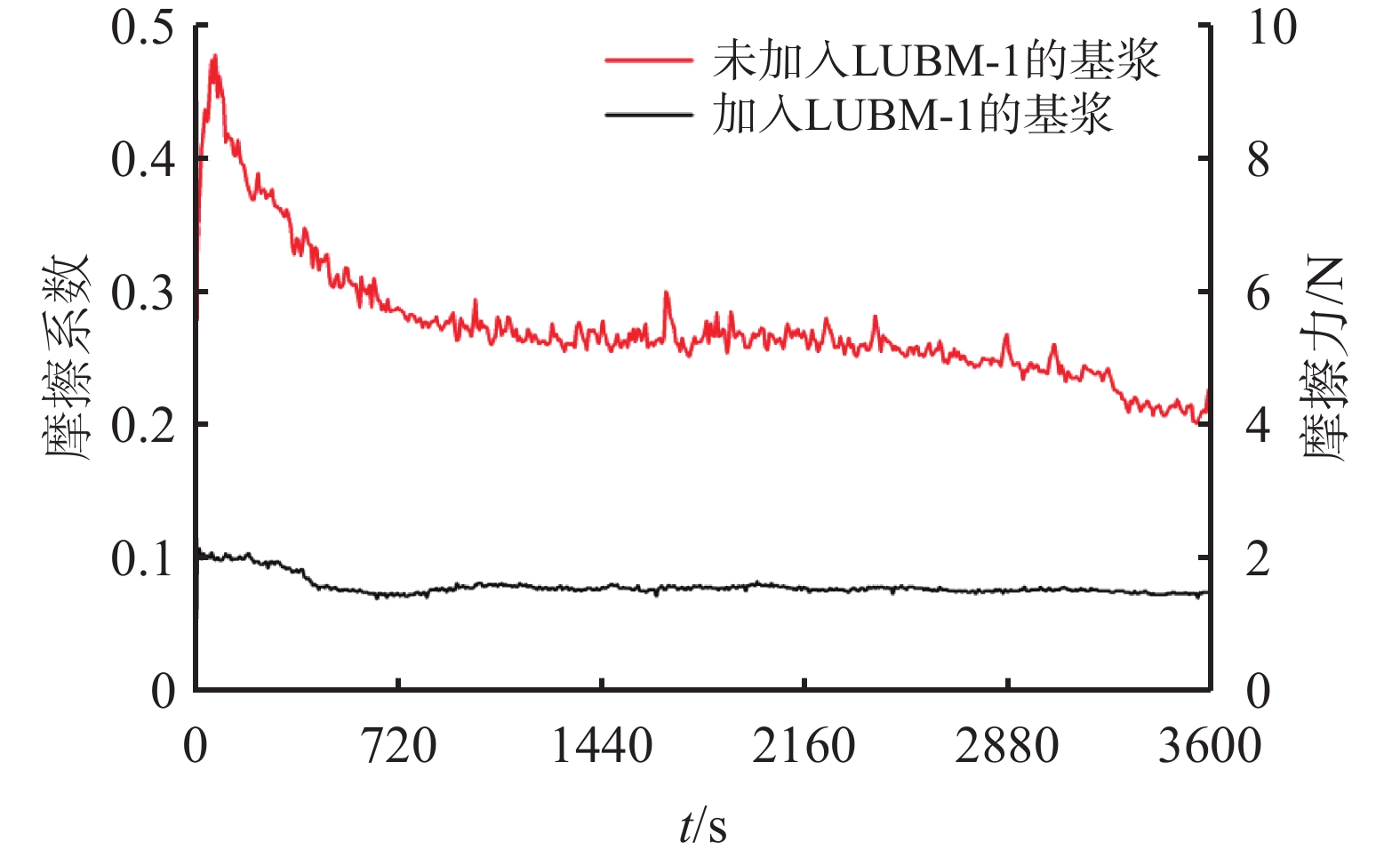
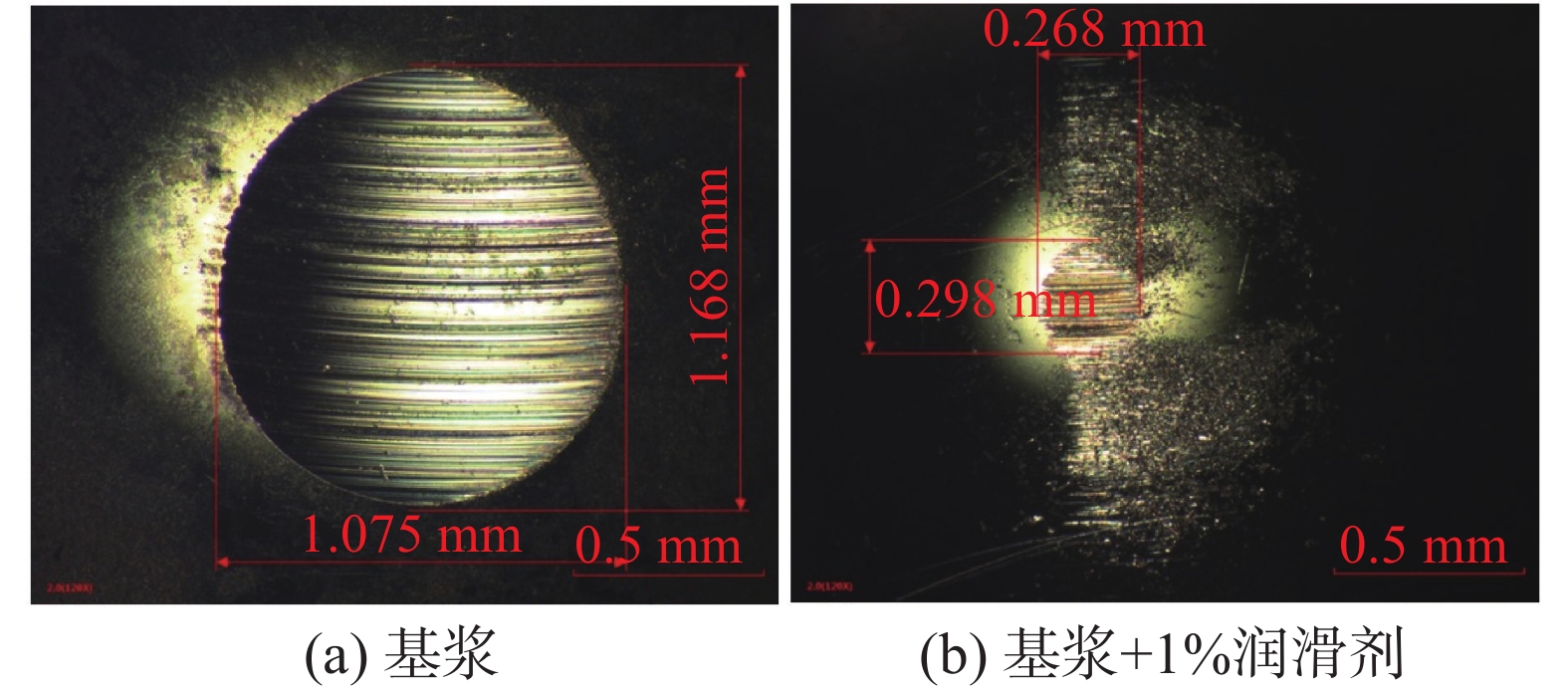
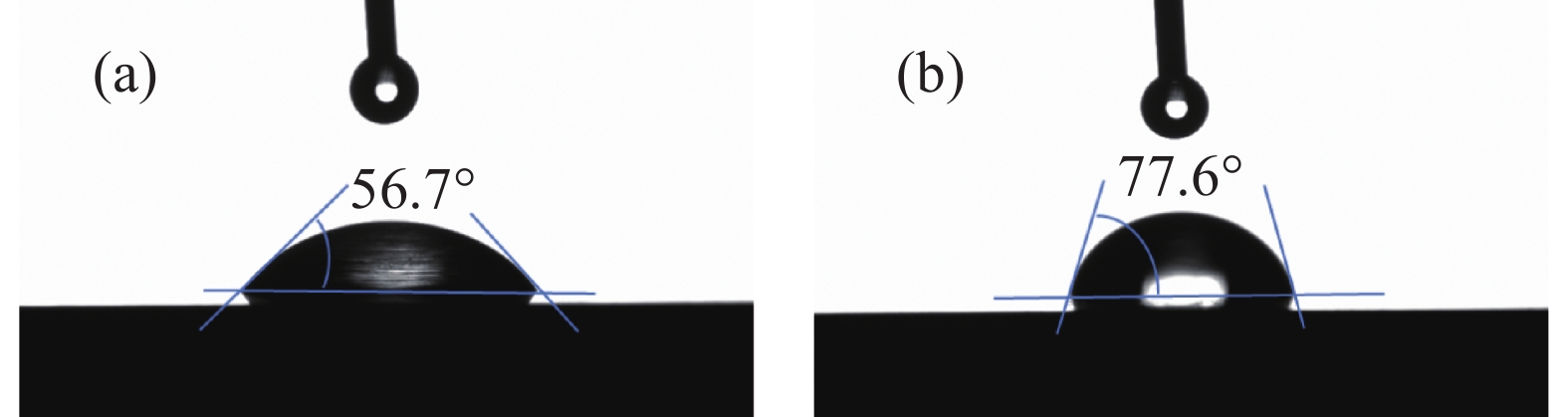
Shale oil drilling is faced with challenges such as high friction, poor stability of drilling fluid additives in high-temperature high-salinity environment and increasingly stringent environment protection requirement. To address these problems, a novel ester-based lubricant LUBM-1 was developed through one-pot synthesis with raw materials such as ricinoleic acid, oleic acid, n-octanol and iso-octanol. Laboratory experiments were conducted to systematically evaluate LUBM-1 for its molecular structure characteristics and its performance in water-based drilling fluids. FT-IR characterization shows that the synthetic product has high degree of esterification and stable molecular structure. Laboratory drilling fluid experimental results show that a treatment of 1% LUBM-1 can remarkably reduce the friction coefficient of the base drilling fluid to 0.069 and the wear scar diameter, demonstrating an excellent friction reducing and wear resistant ability. The membrane formed by LUBM-1 remains stable in high-temperature and high-salinity environment; after aging at 200 ℃, it still reduces the friction of the drilling fluid by at least 80%, and in a drilling fluid containing 30% NaCl, LUBM-1 still retains high lubrication performance, showing excellent performance in high-temperature high-salinity environment. Water-based drilling fluids treated with LUBM-1 show good rheology, very low filtration rate, strong inhibitive capacity and low bio-toxicity which is required by "green-drilling". The results of the research show that LUBM-1 can significantly enhance the lubricity and borehole wall stabilizing performance of water-based drilling fluids, providing a reliable technical solution for complex shale oil drilling with high safety, high performance and environmental friendliness.
CEMENTING FLUID
The Influence of Glass Fibers on the Mechanical Performance and Microphase Composition of Sand-Added Oil Well Cement under Ultra-High Temperature
ZHANG Zhengrong, LIU Huiting, YU Yongjin, JI Hongfei, ZHAO Zitong, KE Yangchuan
2026, 43(3): 381-387. doi: 10.12358/j.issn.1001-5620.2026.03.011
Abstract:
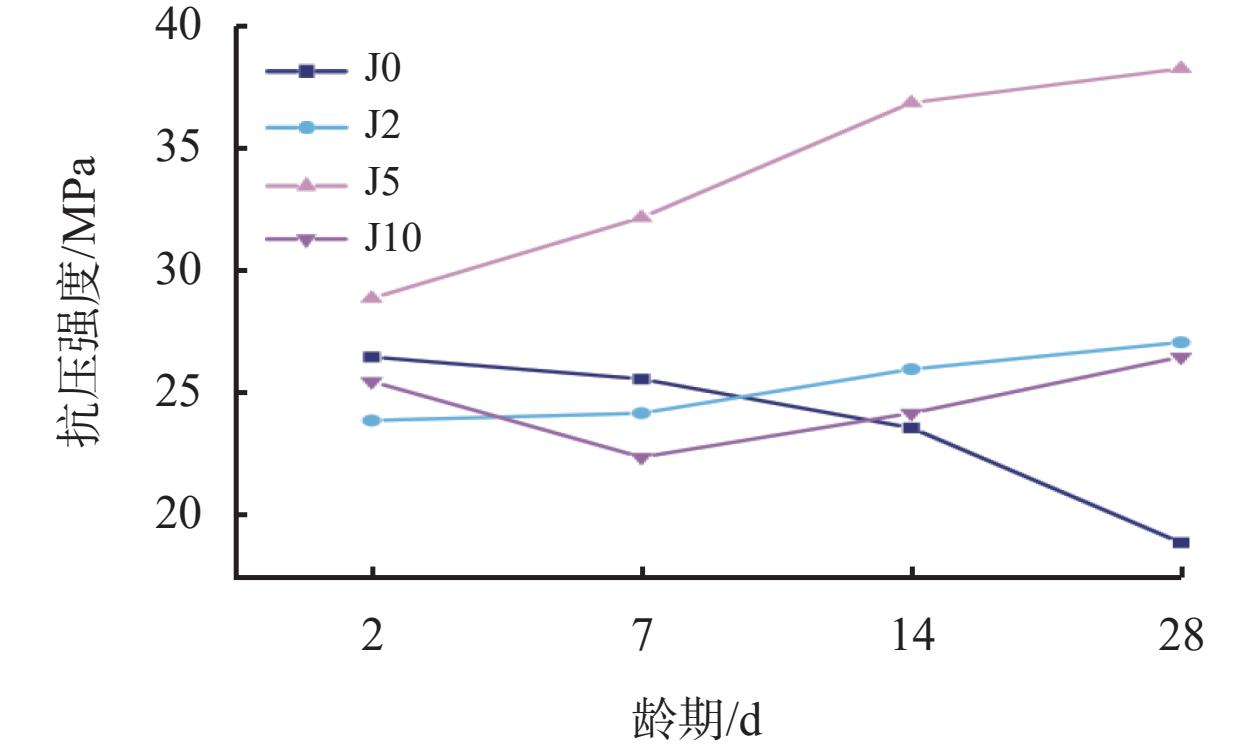
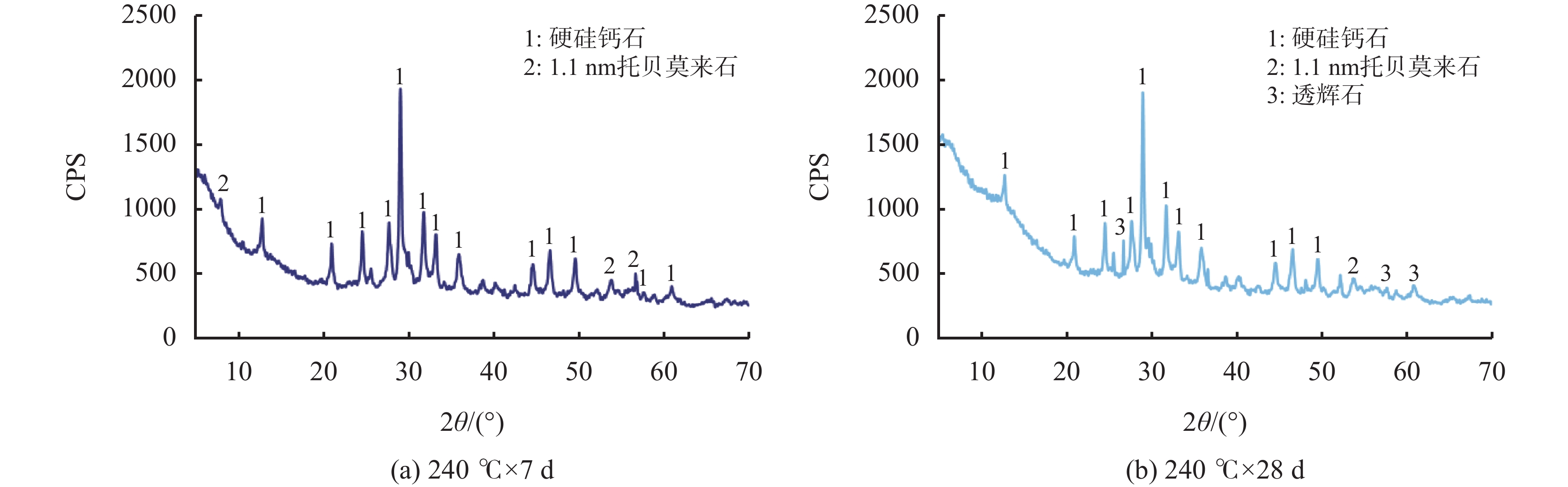
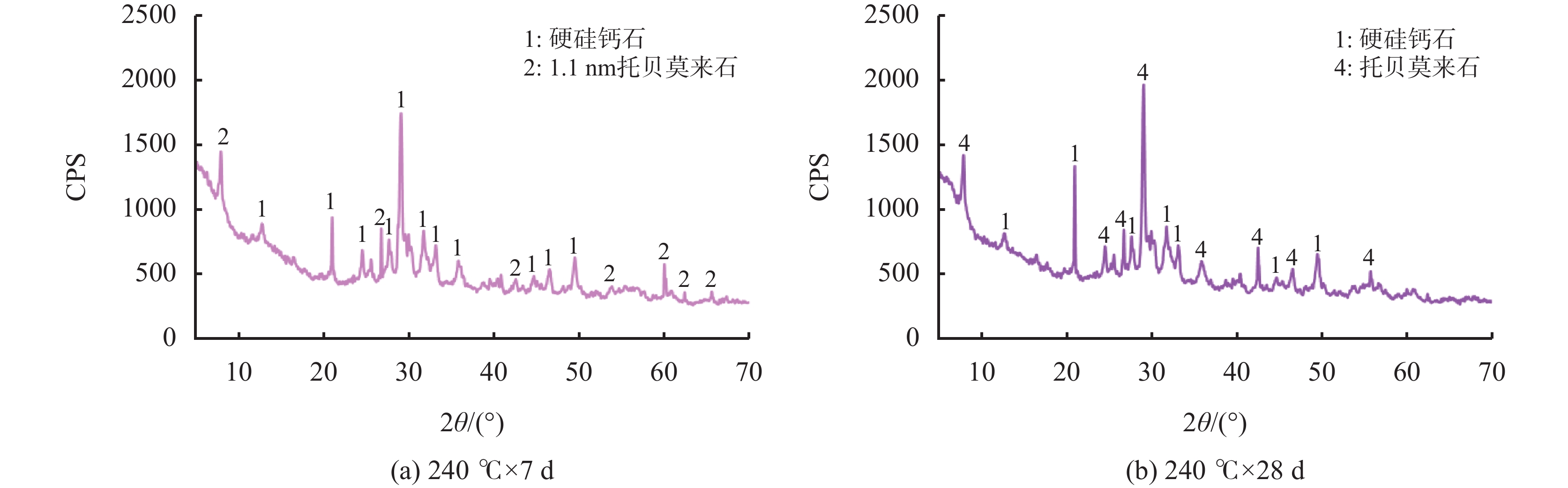
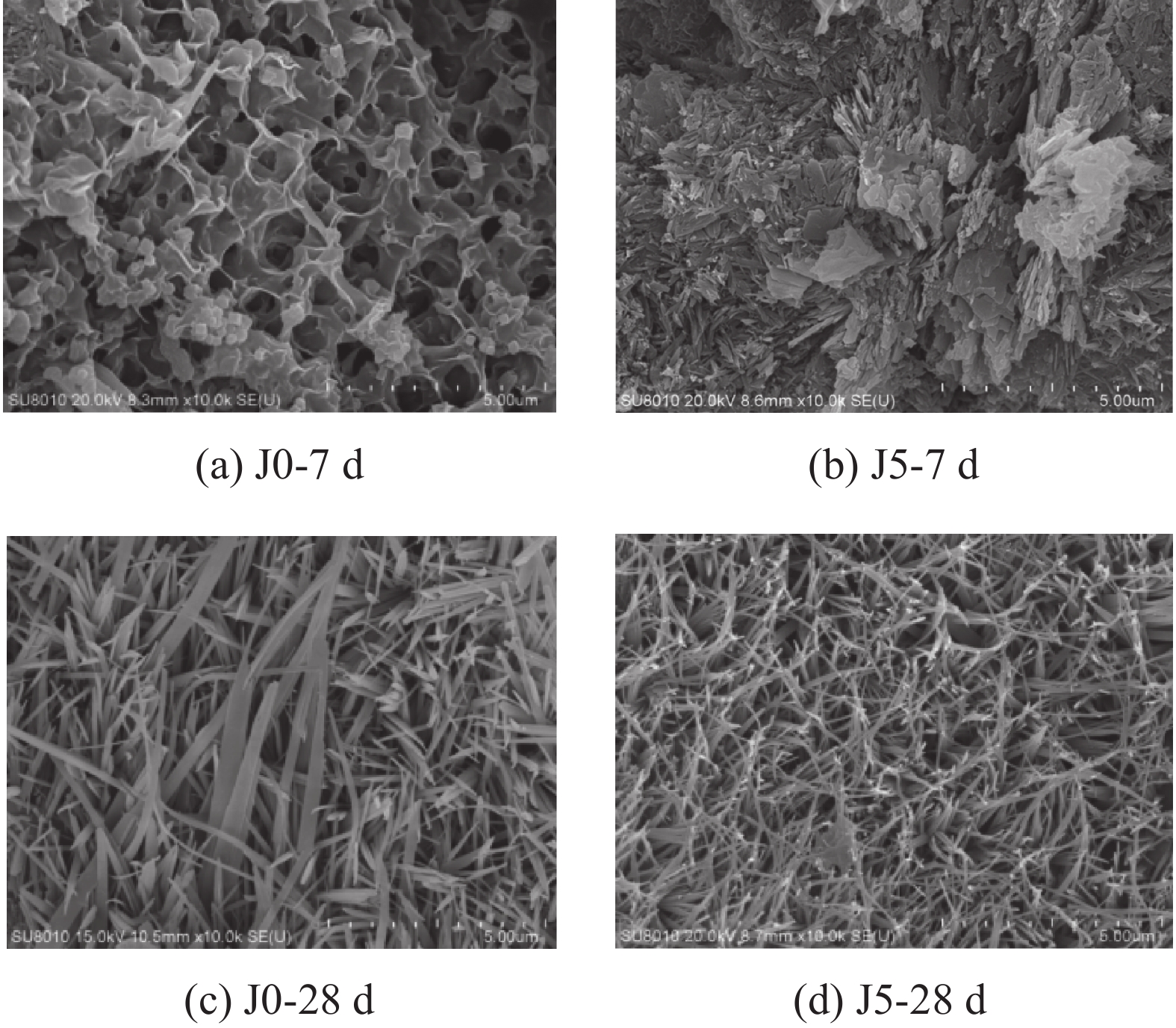
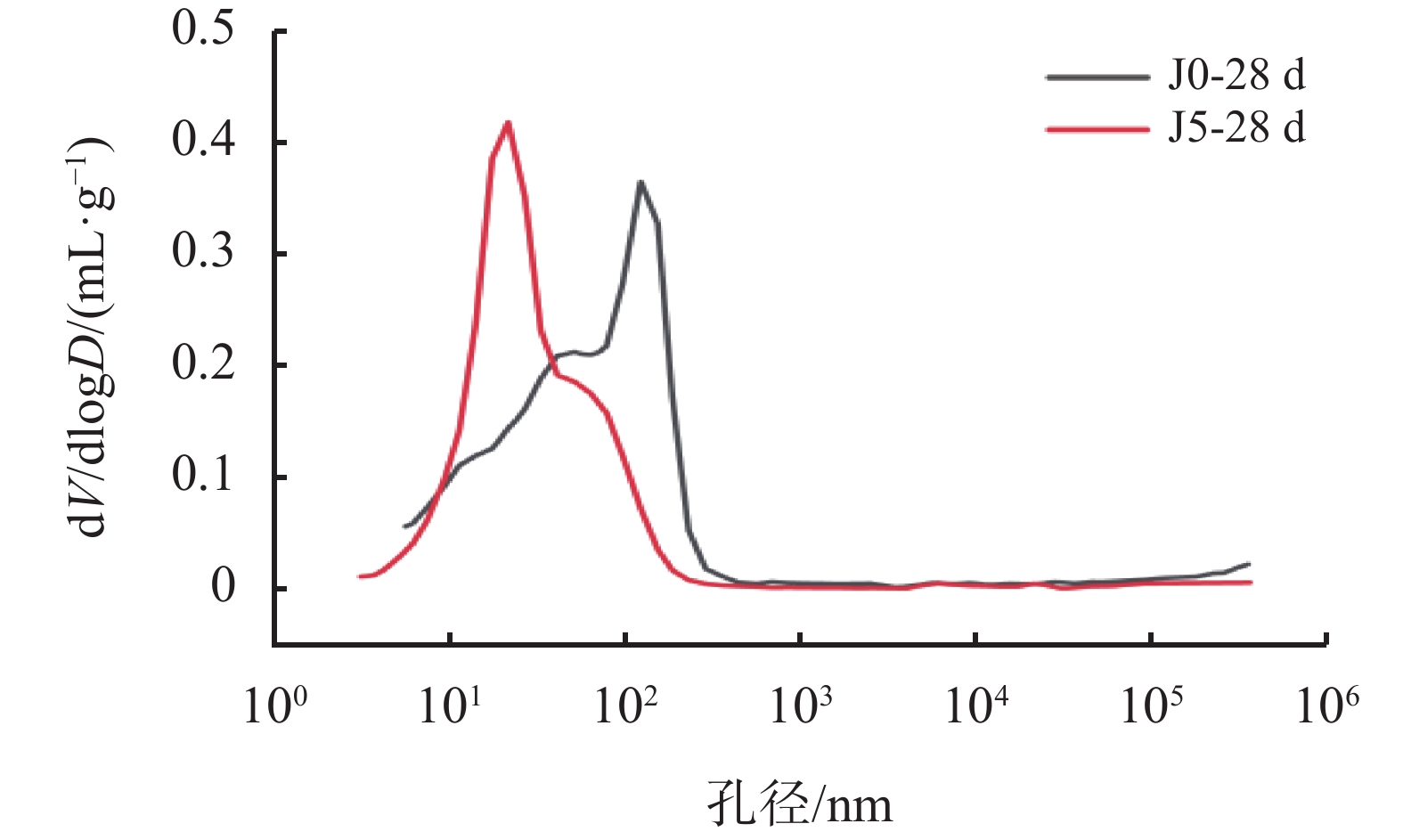
In deep and ultra-deep well operations, complex work conditions such as ultra-high temperature and high pressure impose higher requirements on the mechanical performance of oil well set cement. The most common method of inhibiting the set cement strength degradation is to add quartz sand into the cement slurry; however, the effectiveness of this method weakens at temperatures above 200 ℃. To deal with this situation, the influence of glass fiber on the properties and microphase composition of ultra-high temperature sand-added cement was investigated. Jiahua grade G cement slurries treated with 50% 200-mesh quartz sand and different quantities of glass fiber Z-GF were cured at 240 ℃ and 20.7 MPa. The test results show that glass fiber can mitigate the decline of the strength of the set cement at ultra-high temperatures. The optimal concentration of glass fiber was determined to be 5%, the 28-day compressive strength was 38.3 MPa, which was 32.5% and 18.9% higher than those of the 2-day and the 7-day. After curing for 28 days, the main hydrational product of the cement without Z-GF treatment, which was tobermorite, turned into a hard xonotlite, and a new phase diopside was produced, while the set cement containing 5%Z-GF was dominated by tobermorite. Compared with the cement without Z-GF, the set cement containing 5%Z-GF has the quantity of smaller-sized nanopores (<20 nm) significantly increased from 18.88% to 39.56%. Glass fiber and quartz sand react with CH to consume excess SiO2, enhancing the long-term strength of the set cement. The increase in the quantity of small-sized nanopores and the generation of tobermorite are the key factors in inhibiting the strength decline of the set cement at elevated temperatures.
The Influence of Sodium Tripolyphosphate on the Corrosion Resistance of Aluminate Cement Slurries under High Temperature Acidic Environment
WEI Xinlong, SONG Jianjian, YU Xueqi, ZHU Chunbo, XU Mingbiao
2026, 43(3): 388-393. doi: 10.12358/j.issn.1001-5620.2026.03.012
Abstract:
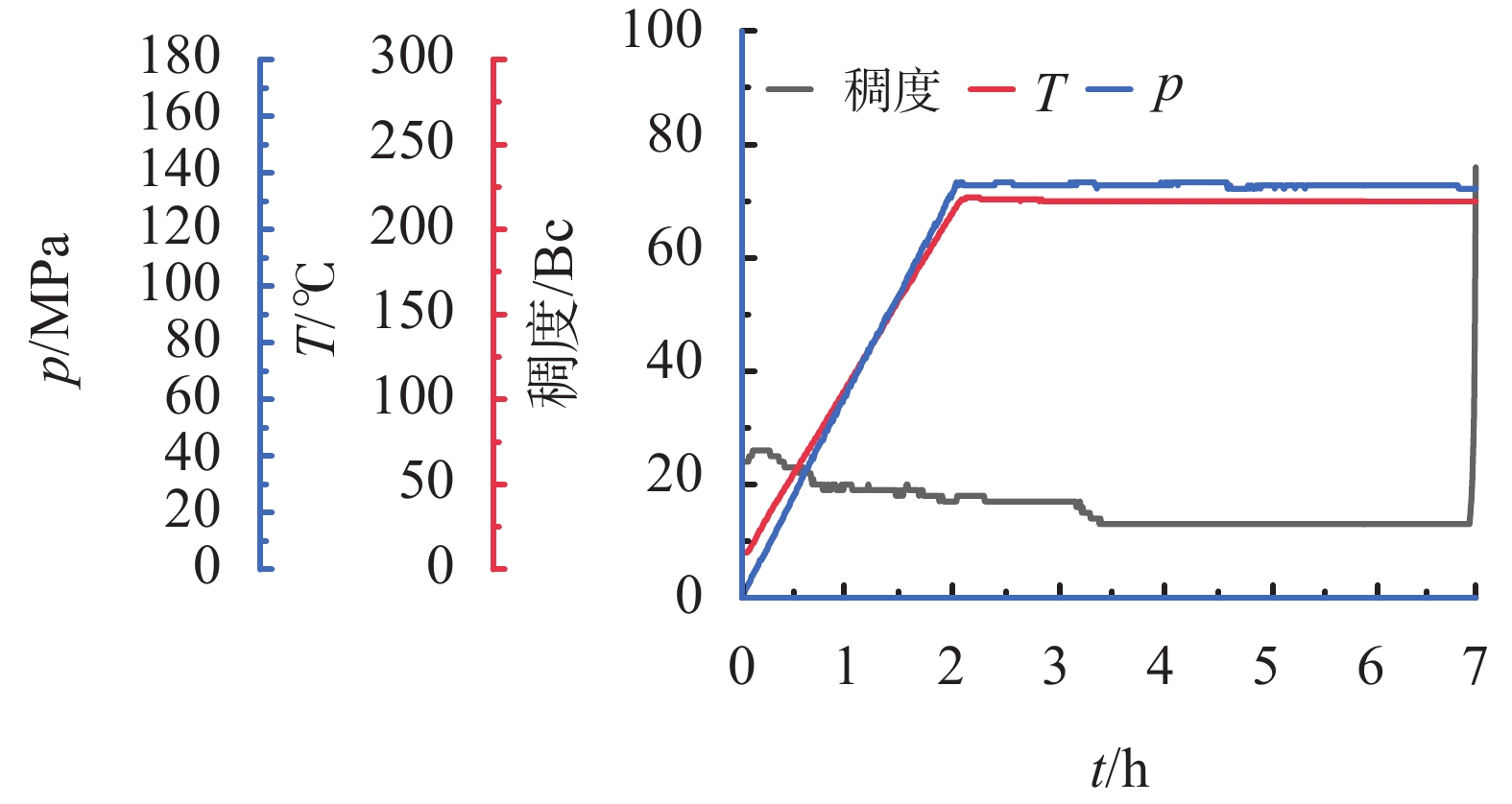
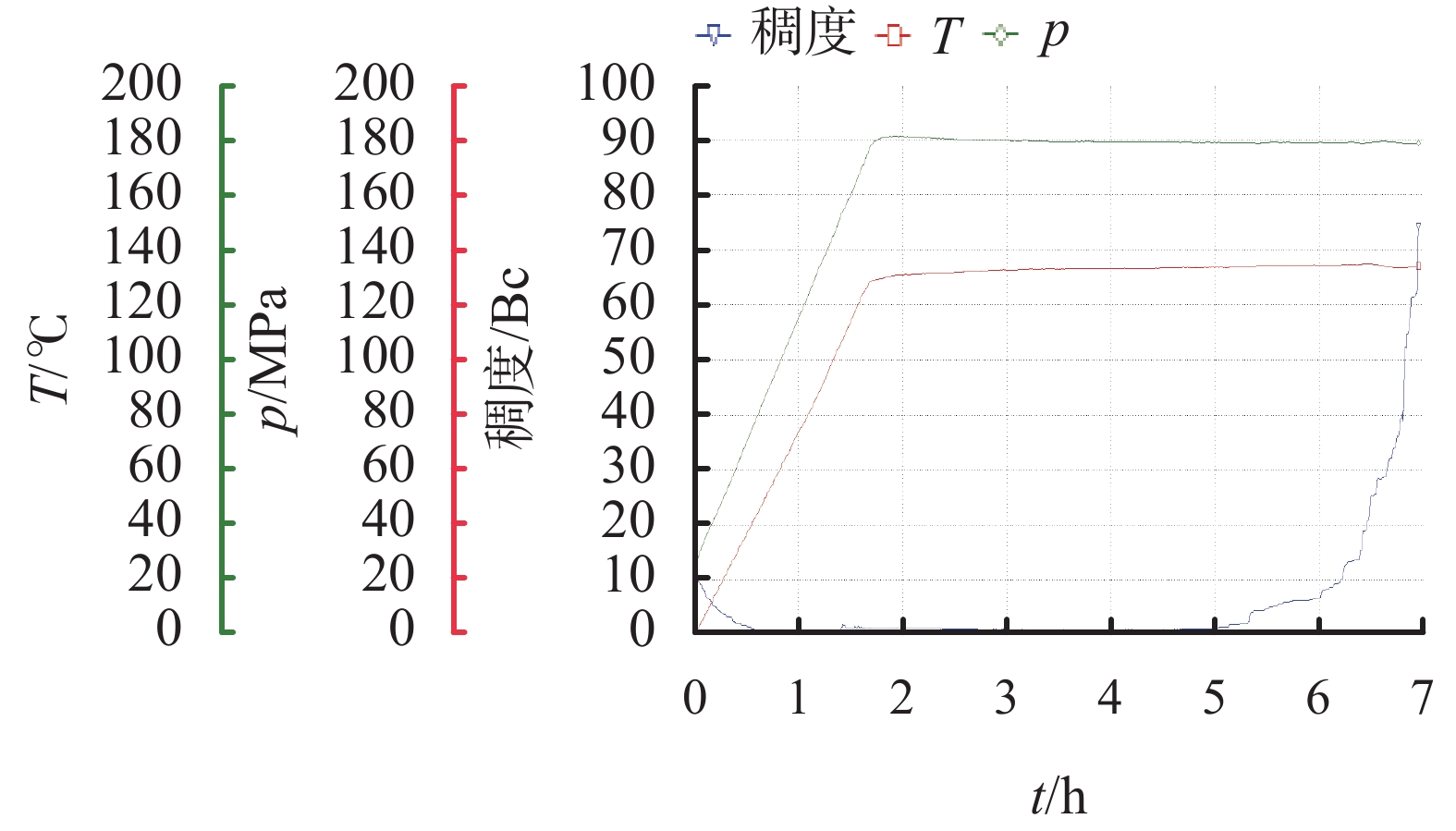
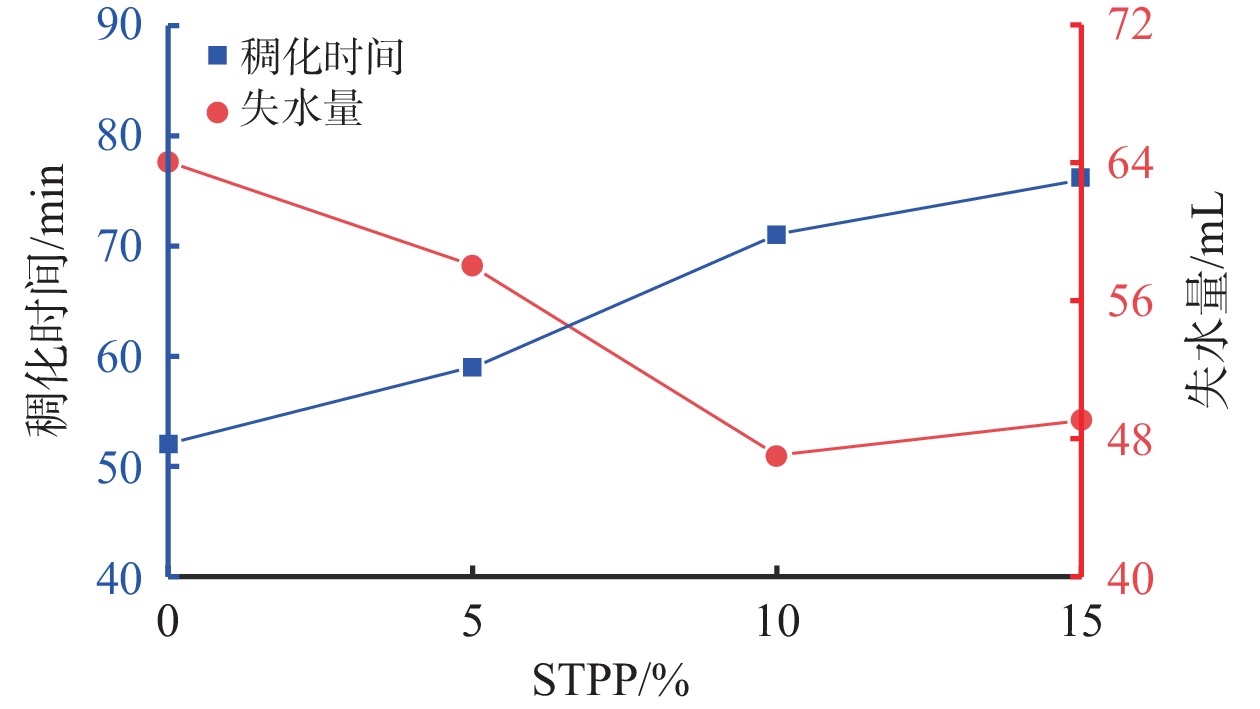
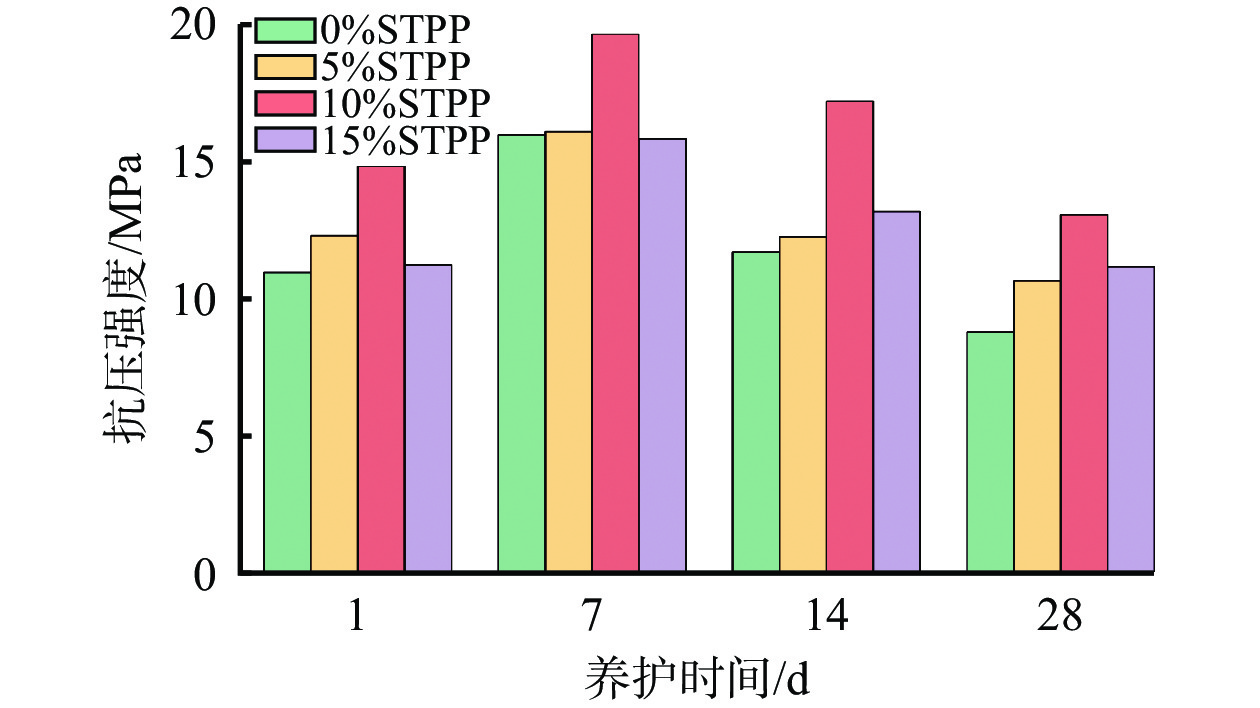
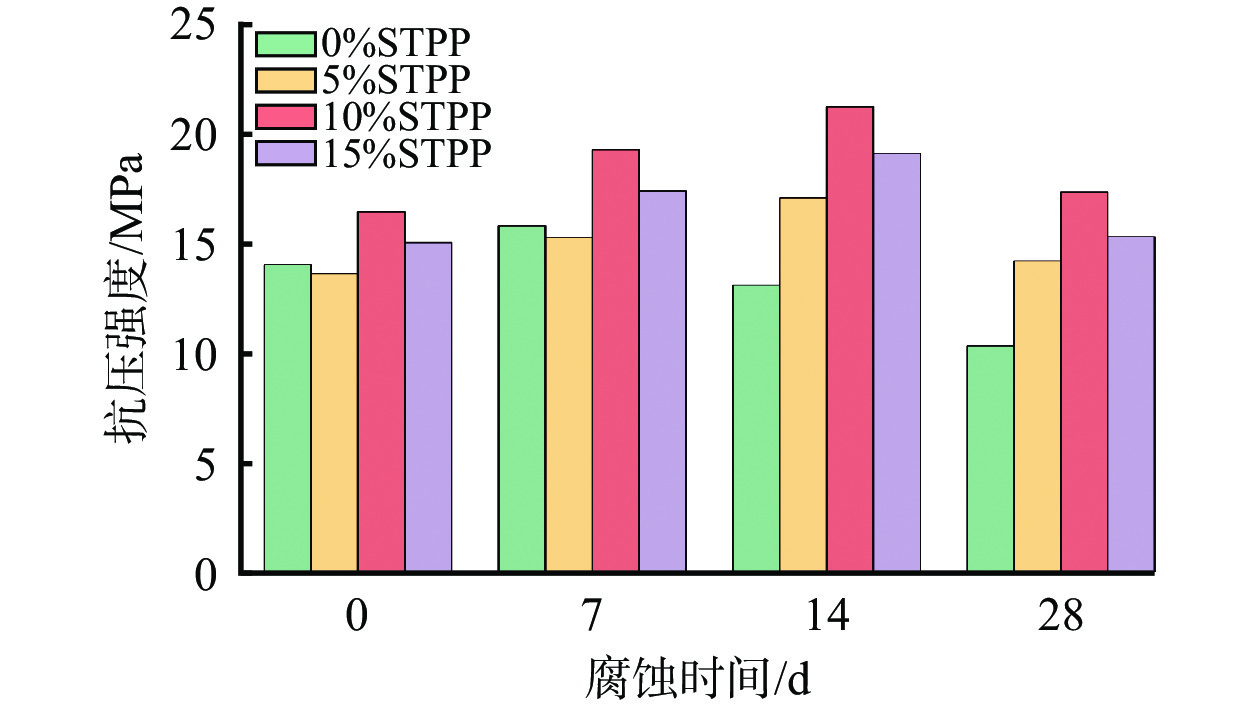
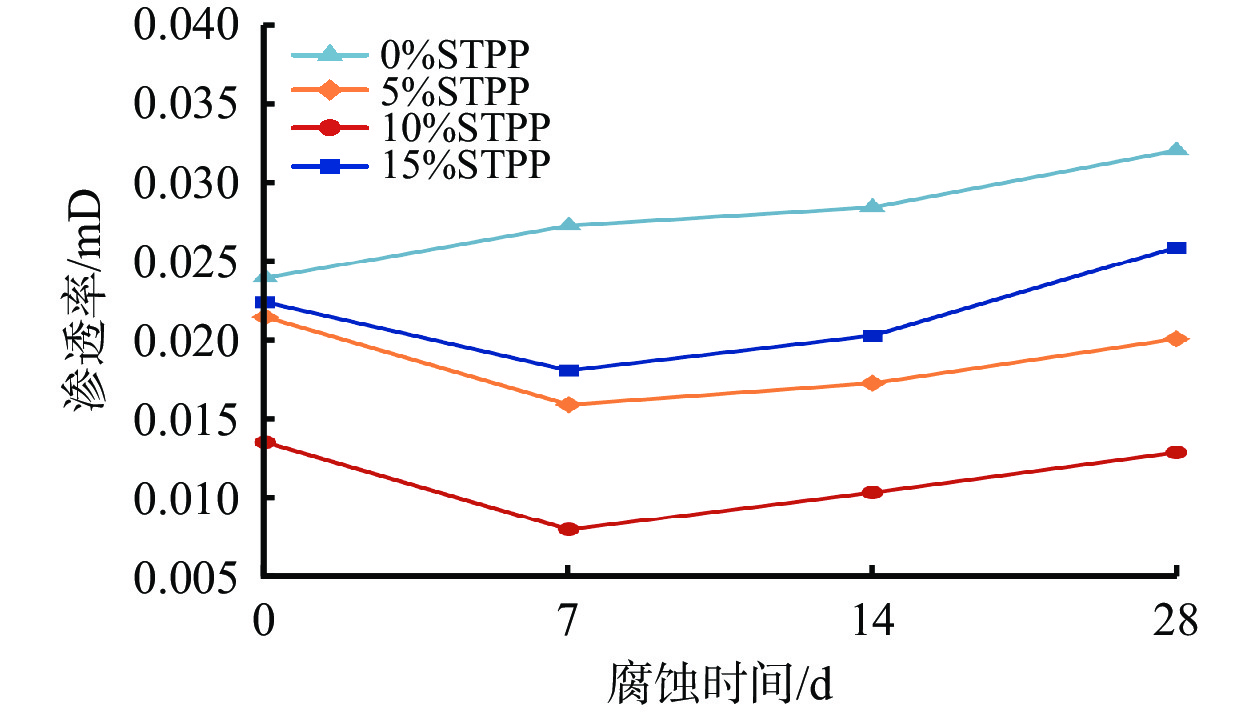
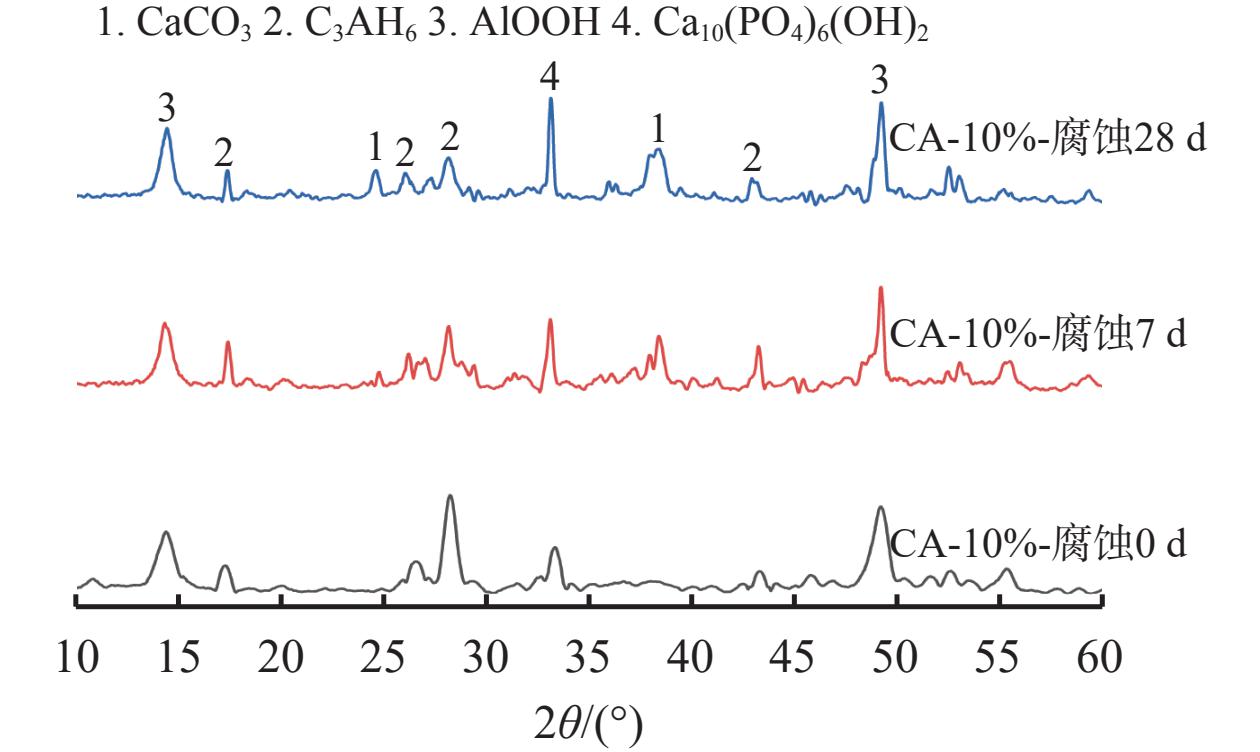
To satisfy the requirements of cementing high-temperature sour gas wells, sodium triphosphate (STPP) was used to improve the performance of aluminate cement. In this study the effects of STPP’s concentration on the performance of aluminate cement were evaluated, the influence of STPP on the corrosion resistance of aluminate cement was investigated, and the phase composition and micromorphology of the STPP set cement were analyzed. It was found that the incorporation of STPP in a cement slurry causes the it to have a longer thickening time and lower filter loss, but higher rheological readings. A modified aluminate cement treated with 10% STPP has its 7-day compressive strength that is 22.97% longer than that of a blank aluminate cement slurry sample. In a corrosion environment of 150 ℃ and 21 MPa (partial pressure of CO2 is 80%) the cement slurry modified with 10% STPP has a 28-day compressive strength that is 67.73% higher than that of the blank cement slurry sample, and the permeability of the STPP cement slurry is reduced by 67.73%, indicating that STPP significantly improves the corrosion resistance of the aluminate cement at elevated temperatures. When STPP is incorporated into an aluminate cement, the PO43− ions it contains preferentially combine with Ca2+ ions to form stable Ca10(PO4)6(OH)2, thereby inhibiting the corrosion process. The set cement formed by this cement slurry maintains tight pore structure after CO2 corrosion, indicating that the set cement has excellent corrosion resistance. The research results provide guidance for the design of well cementing materials for deep acidic environments.
Preparation of Core-Shell Microspheres and Their Influence on the Elasticity and Self-Healing Performance of Set Cement
WANG Bing, CONG Mi, ZHENG Qilin, LI Ji, MA Haofei, QI Ben, YANG Yanqin
2026, 43(3): 394-401. doi: 10.12358/j.issn.1001-5620.2026.03.013
Abstract:
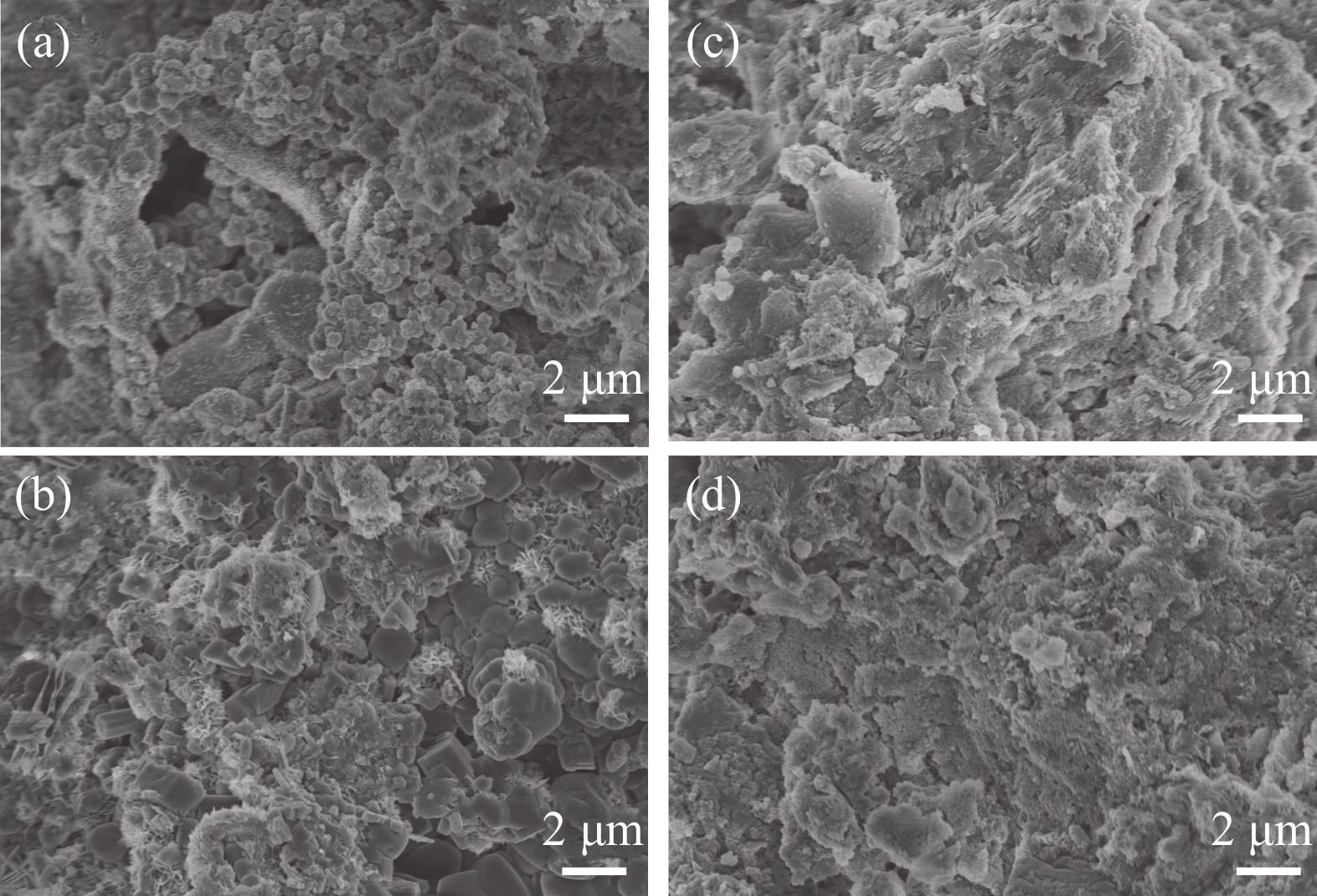
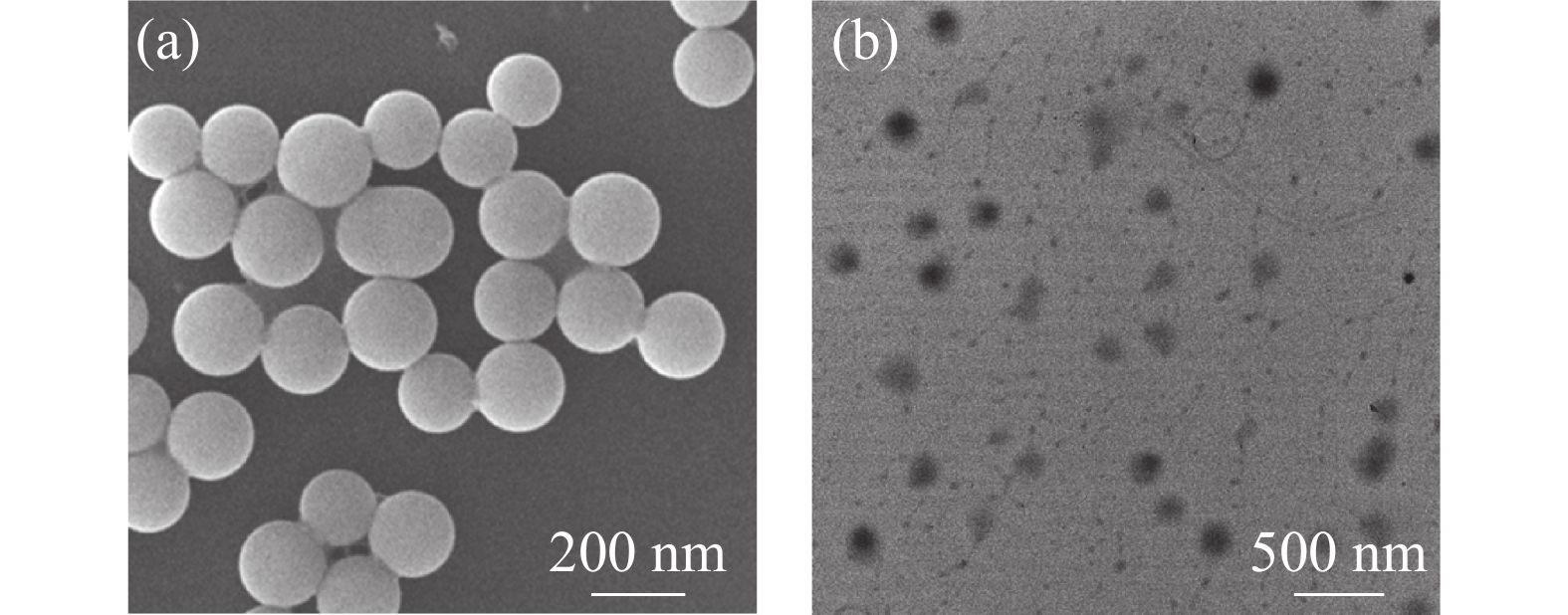
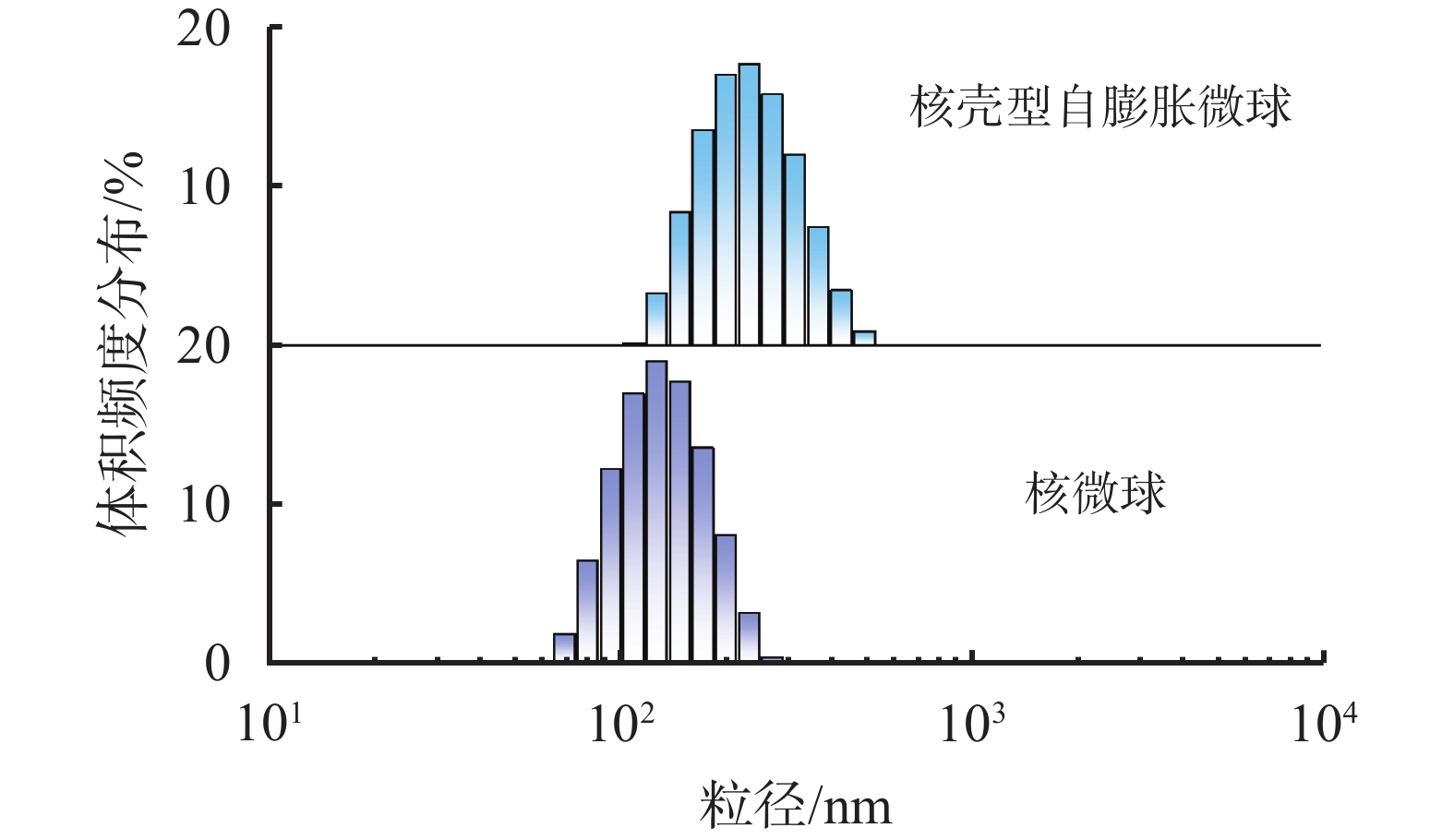
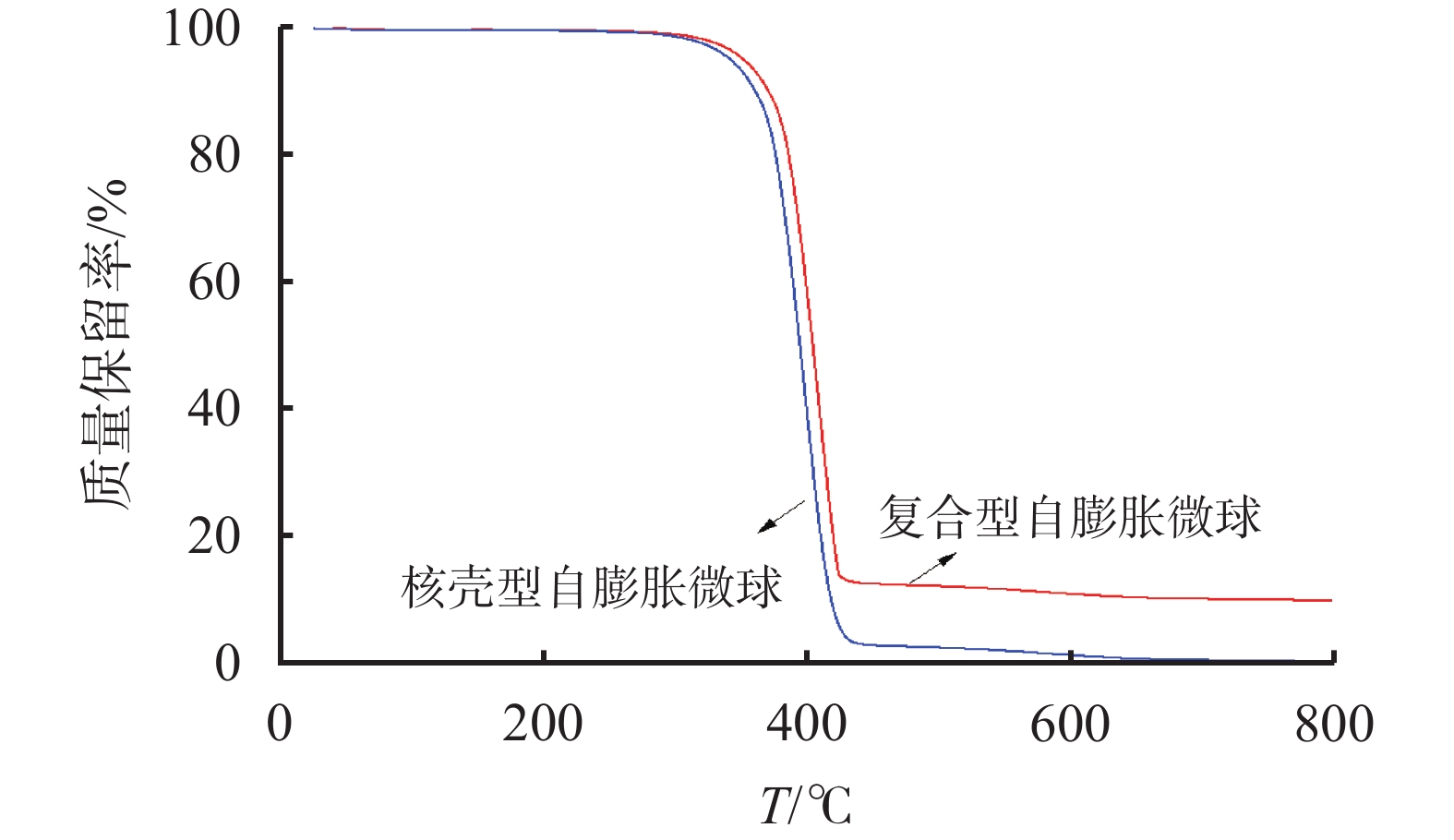
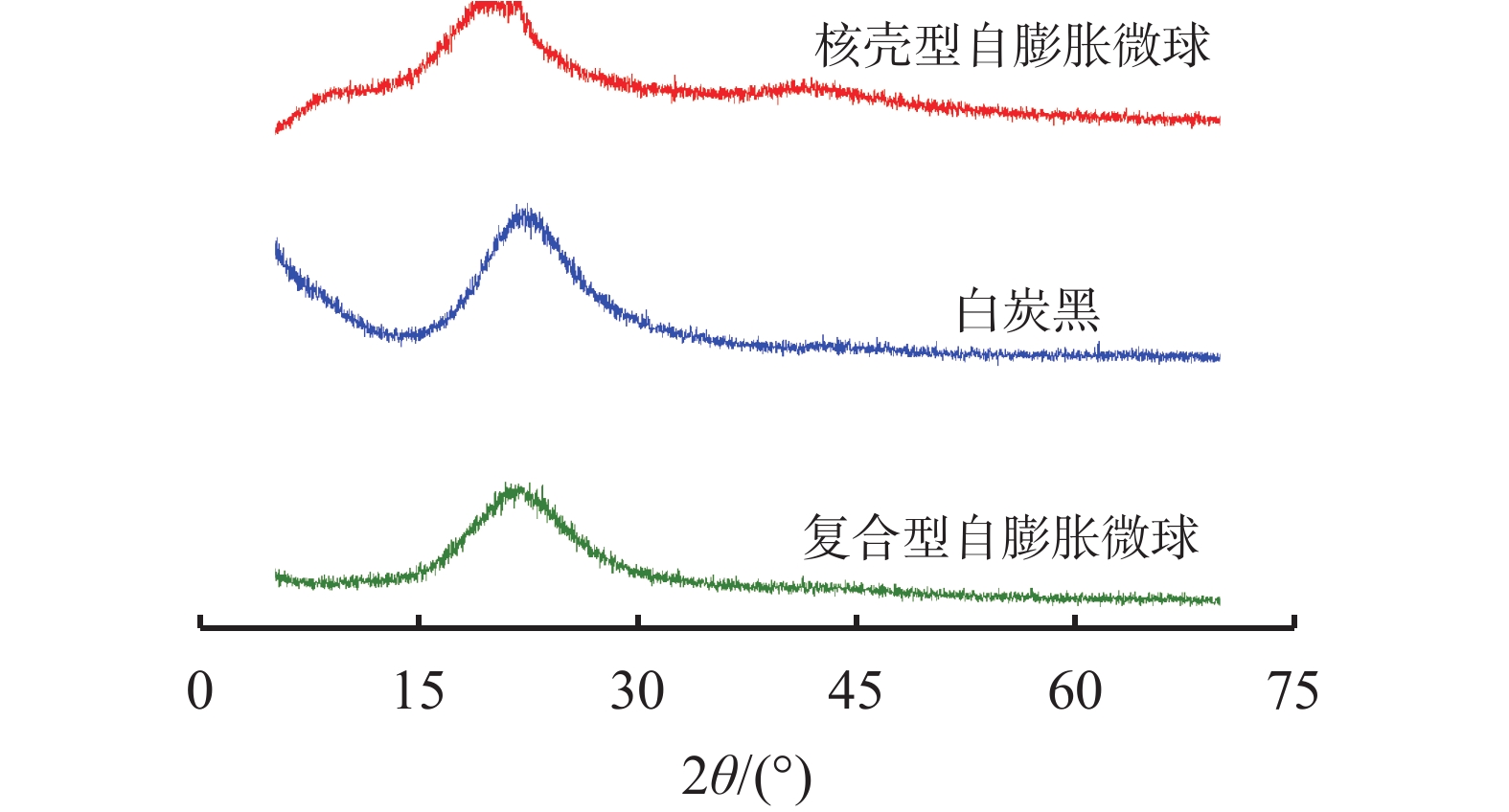
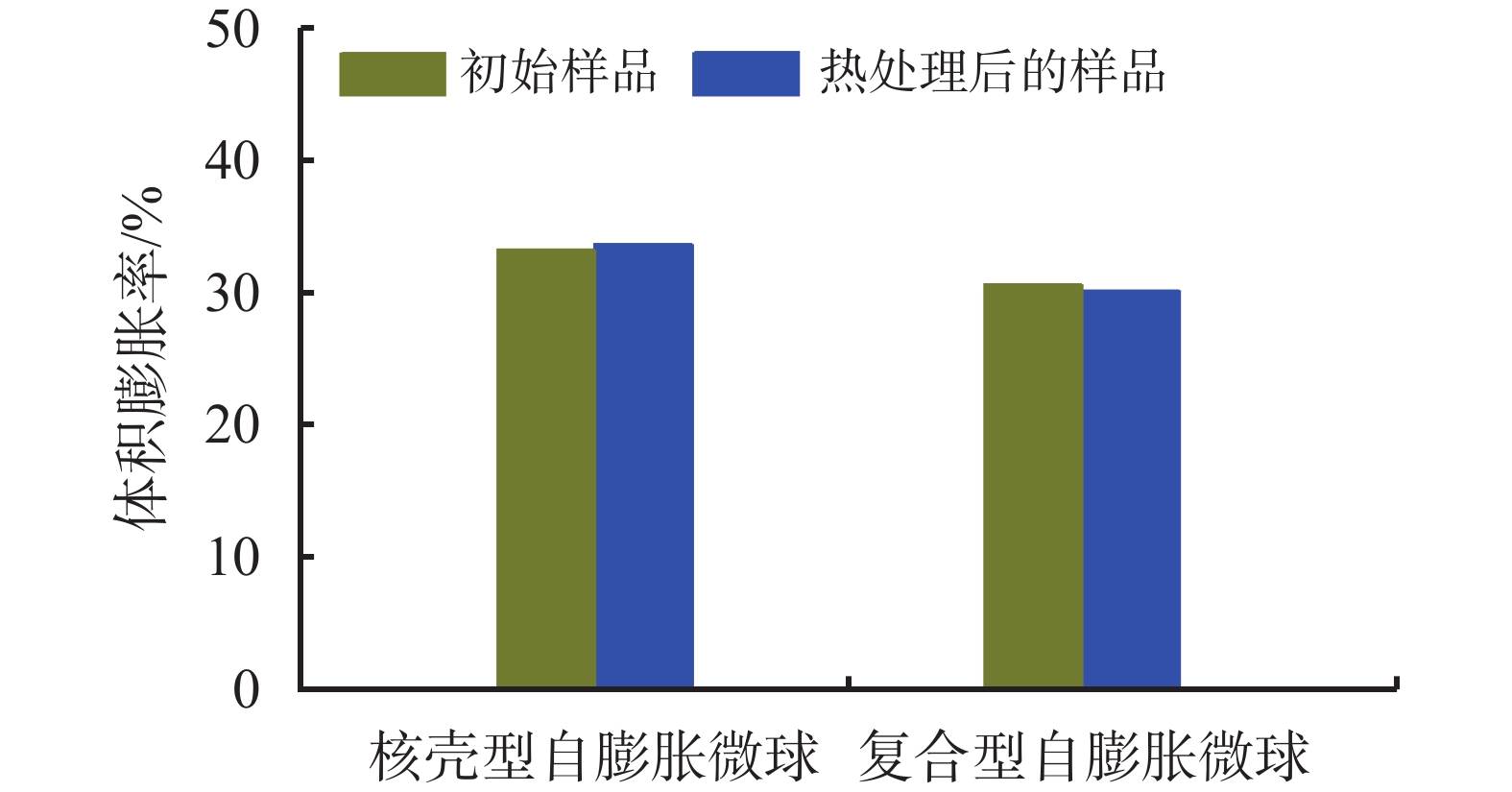
To deal with Micro cracks and micro annular gap encountered in shale gas wells after cementing and hydraulic fracturing operations, experimental research was conducted on self-expanding polymer microspheres with both elasticity and methane-triggered response, as well as an elastic self-healing cement slurry. The self-expanding polymer microspheres are developed through emulsion polymerization, featuring a core-shell functional structure with “rigidity-toughness complementarity”. On the shell there exist a small amount of carboxyl and sulfonic acid groups which can overcome the limitations of conventional self-expanding polymers when required to uniformly disperse in a cement slurry. The microstructure of the self-expanding microspheres was comprehensively characterized using infrared spectroscopy, particle size measurement, Zeta potential measurement and scanning electron microscope, and the heat resistance and methane-triggered volume expansion of the polymer microspheres were evaluated. The experimental results show that the core-shell self-expanding microspheres are approximately spheric particles with particle sizes of around 200 nm, and are negatively charged on their surfaces. They have a thermal decomposition temperature exceeding 300 ℃; however, the microspheres exhibit “thermal viscosity”, and solidify into lumps after high-temperature treatment followed by cooling. Their “thermal viscosity” can be inhibited by compounding them with fumed silica, an inorganic nanoparticle, and the compounded self-expanding microspheres remain in a powder state after treatment at 160 ℃ for 24 hours, with a methane-triggered rate of volume expansion of over 30%. Using the compound self-expanding microspheres, a normal-density self-healing cement slurry with elastic modulus less than 5.5 GPa can be formulated for operations at temperatures between 50 ℃ and 120 ℃. This cement slurry exhibits a normal thickening curve and a controllable filter loss which meet the requirements of well cementing. Under both pressure-holding and gas-channeling conditions, the set cement containing 10% compound self-expanding microspheres exhibits 100% methane-triggered self-healing efficiency. The cement slurry formulated with the compound self-expanding microspheres has both elasticity and methane-triggered self-healing property, providing a novel solution for inhibiting annular fluid channeling in shale gas wells.
Pressure Transmission Efficiency and Changing Pattern of Hydrostatic Pressure of Cement Slurries
LI Chengquan, LIU Bo, YU Zhaocai, DENG Tianan, LI Shangdong, ZHANG Chunmei, CHENG Xiaowei
2026, 43(3): 402-409. doi: 10.12358/j.issn.1001-5620.2026.03.014
Abstract:
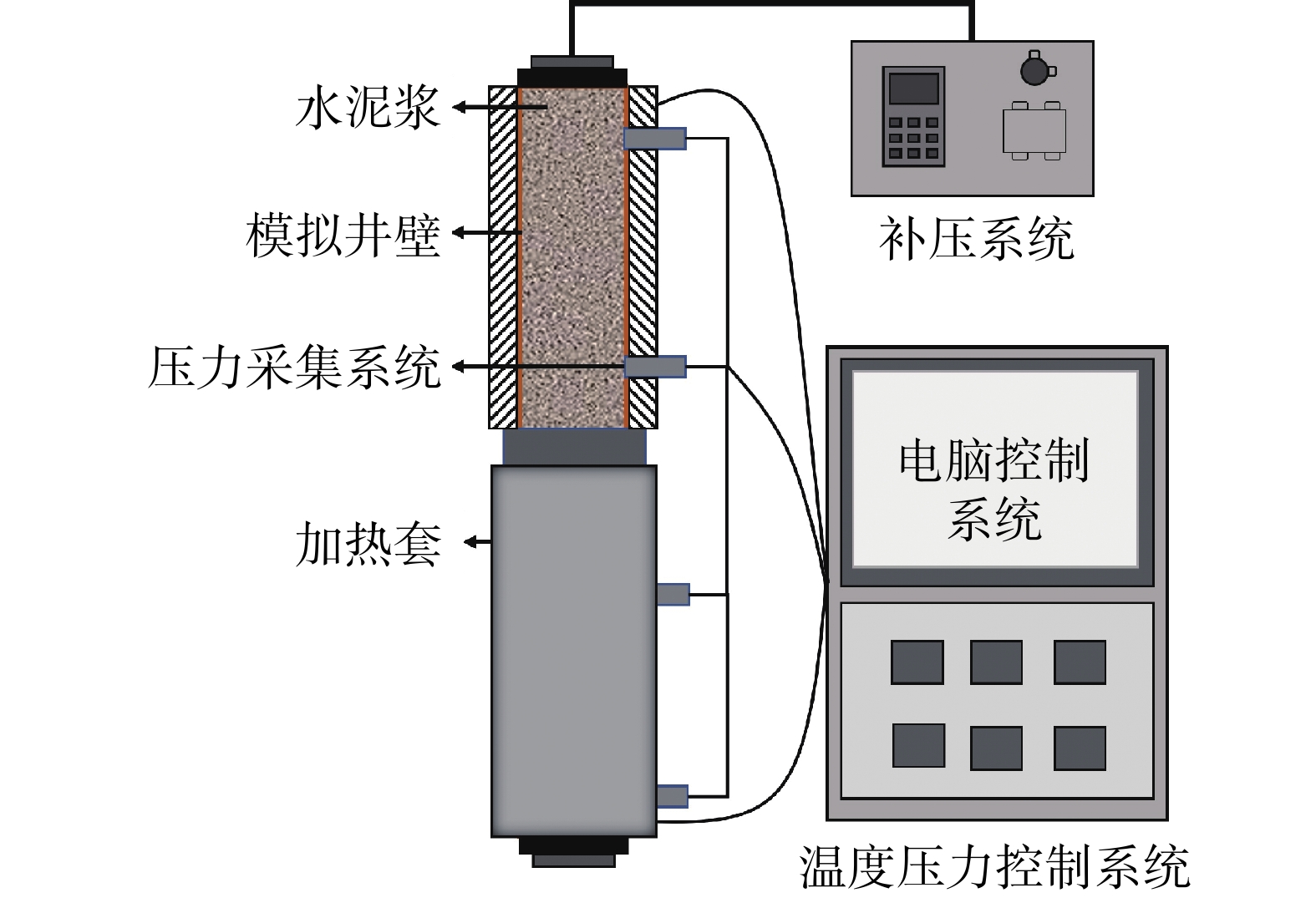
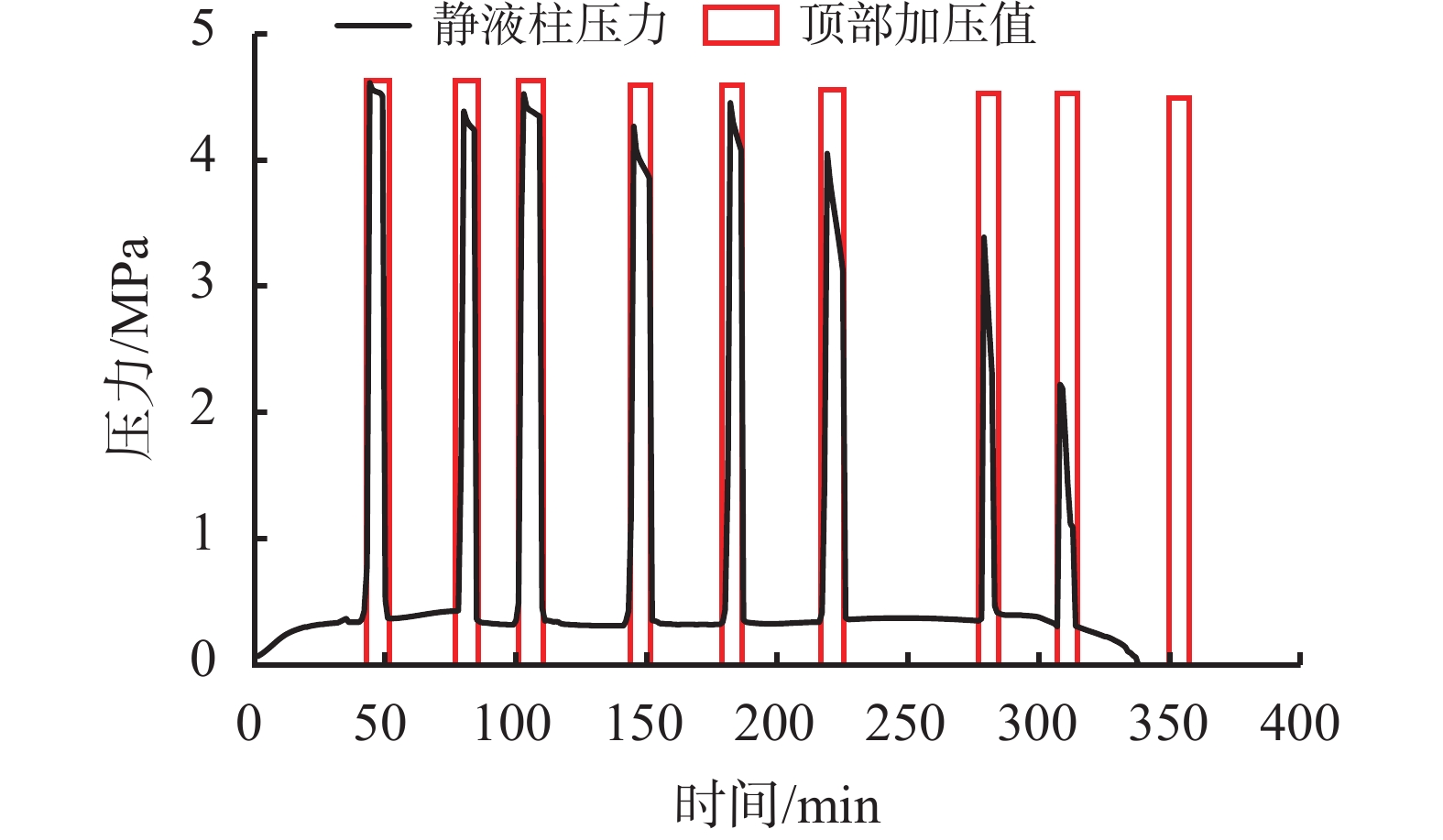
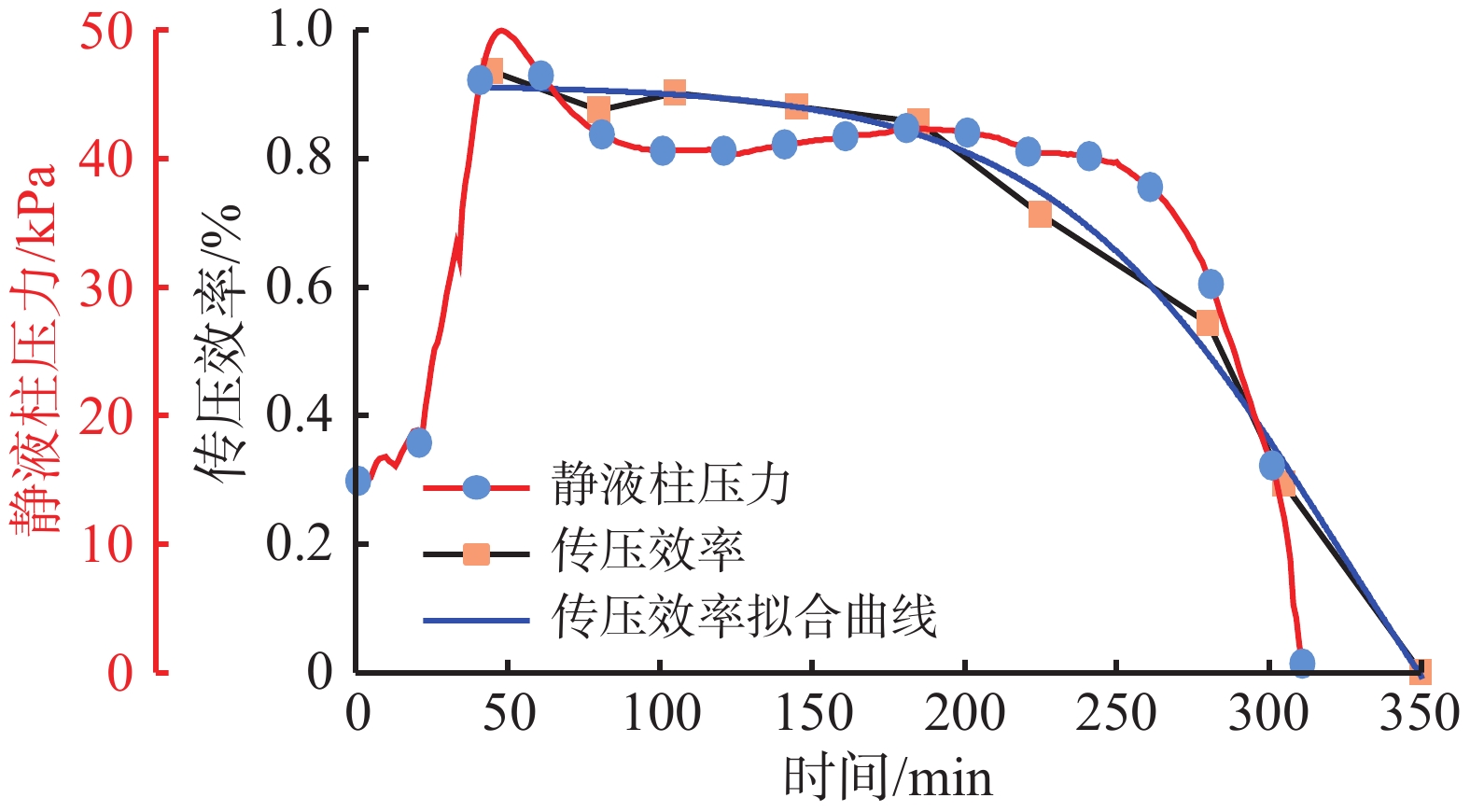
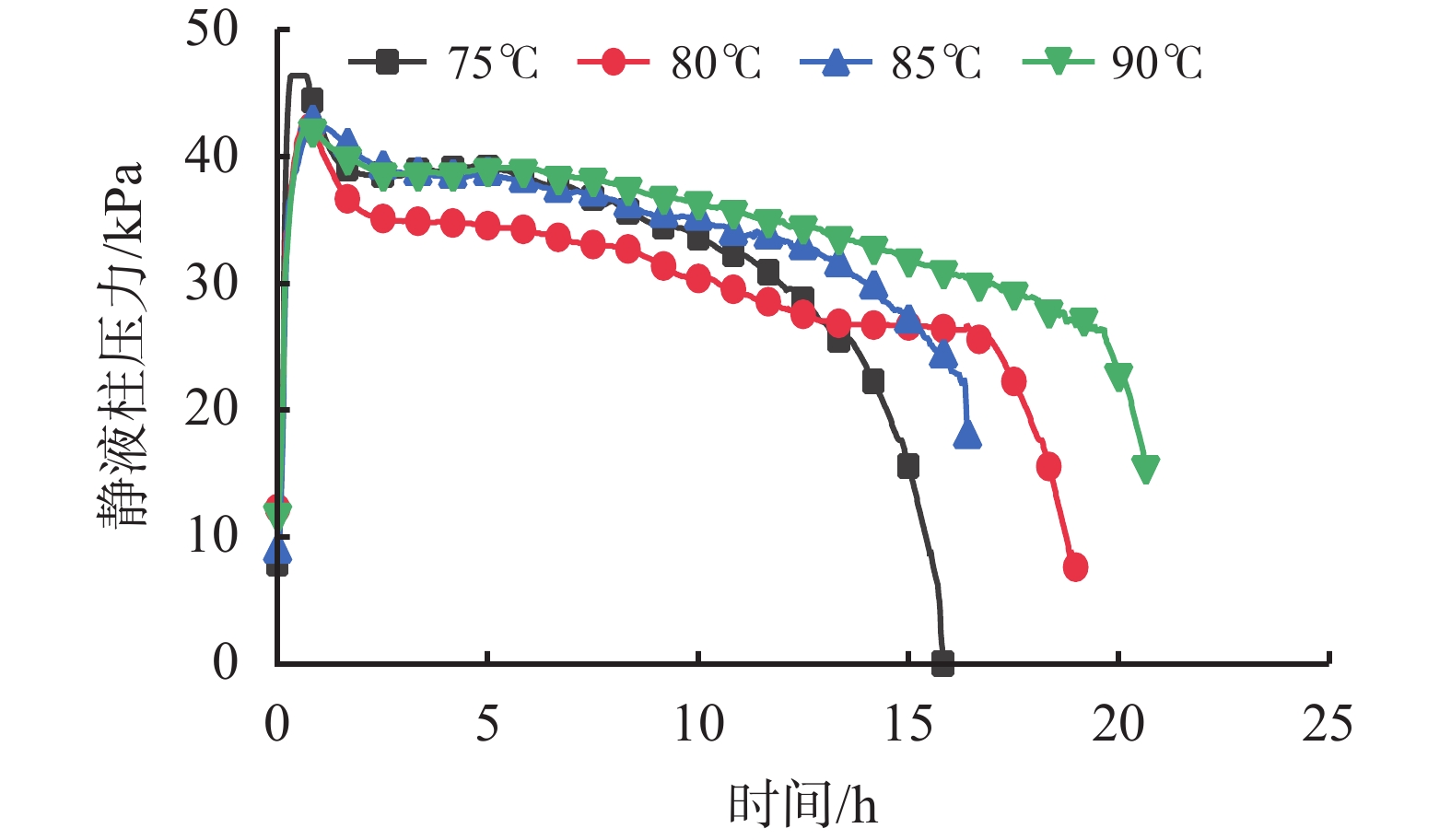
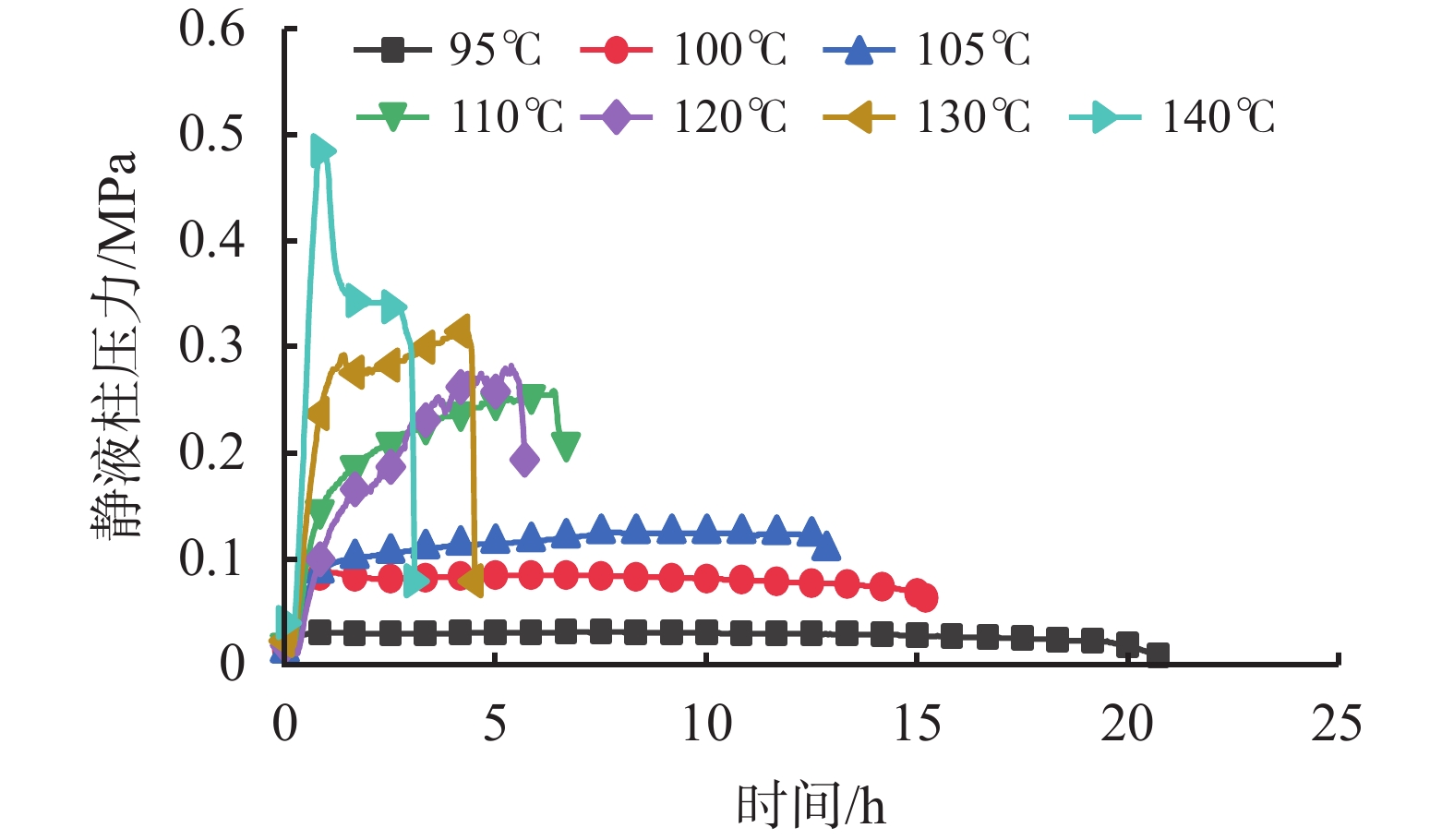
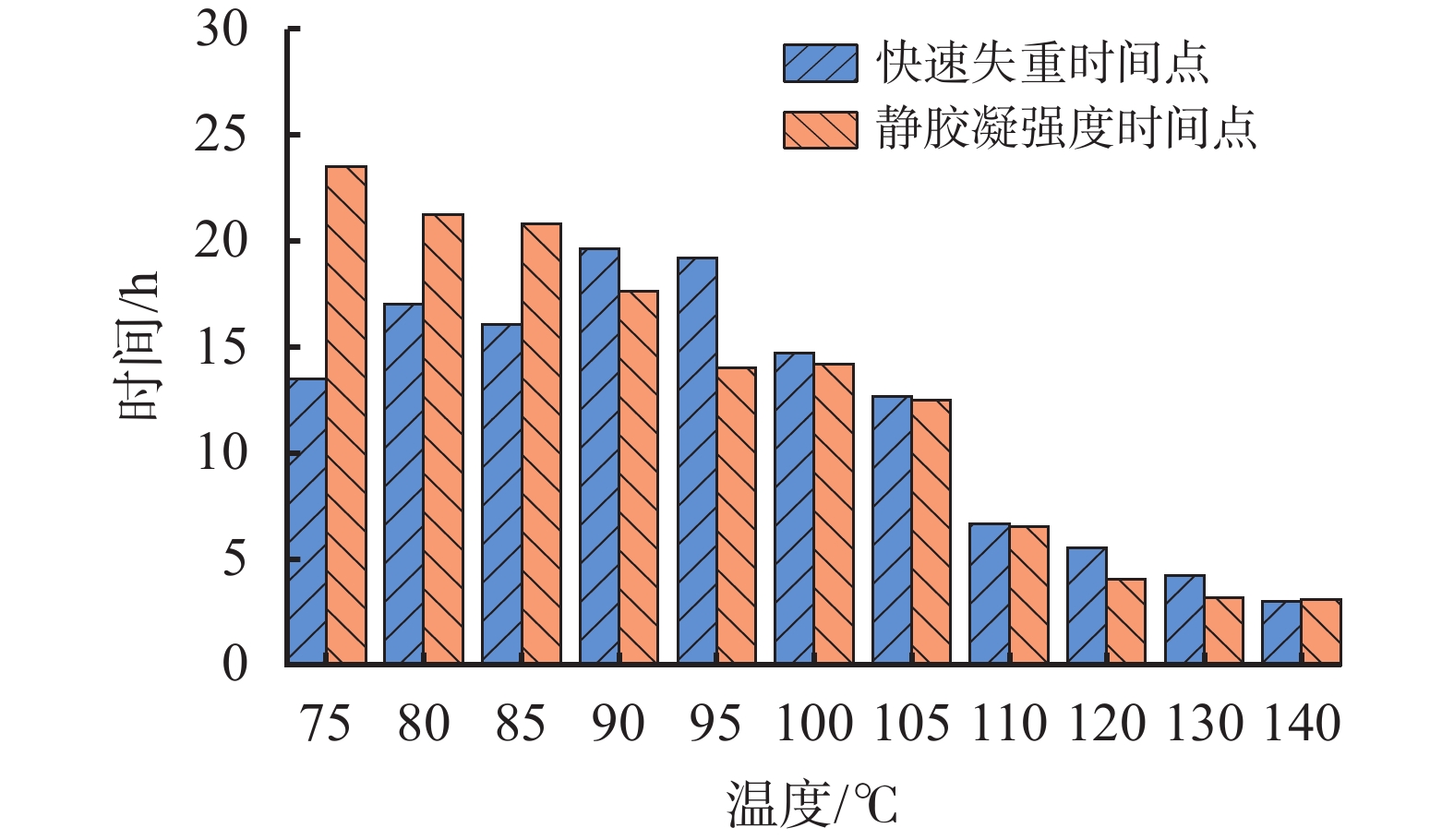
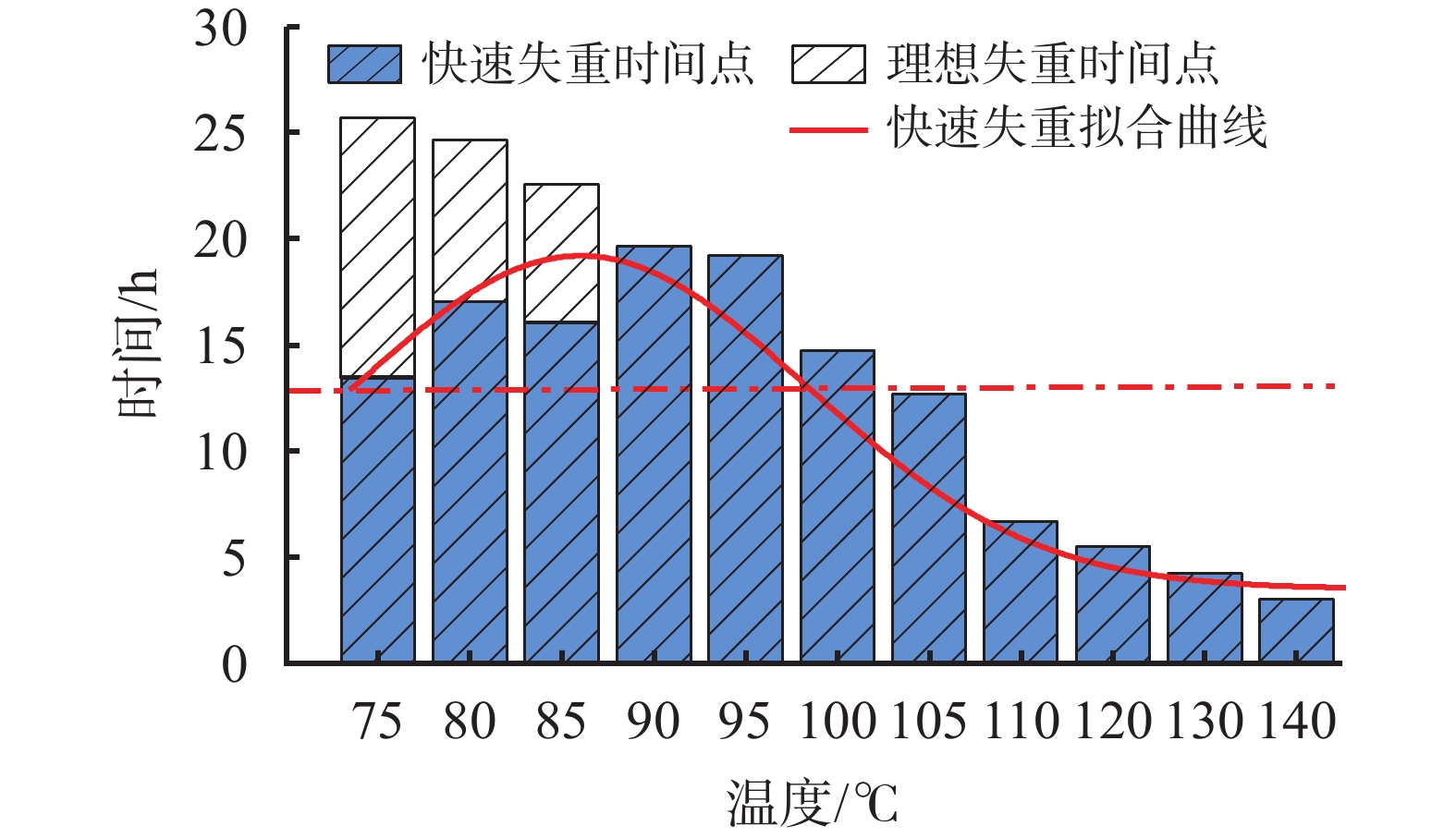
The decline of the hydrostatic pressure of a cement slurry is considered to be one of the main causes resulting in early annular gas channeling, and annular gas channeling in turn is a key factor hindering normal oil and gas production. However, quite few studies are conducted on the changing pattern of hydrostatic pressure under pressure conditions. To deal with this situation, hydrostatic pressure experiments on well cement slurries under stepwise pressure holding conditions (sustained pressure holding at 4.5 MPa for 5 minute in 30-minute intervals) were conducted using a self-developed instrument. Meanwhile, considering the difficulty of conducting hydrostatic pressure experiments in field oil and gas wells, cement slurry samples taken from a field well were used to conduct hydrostatic pressure and static gel strength tests at different temperatures. The test results, combined with well logging data, were used to modify the properties of the cement slurry. The results show that during the WOC period, the pressure transmission efficiency of the cement slurry exhibit a changing pattern similar to that of the hydrostatic pressure: both remain stable at first, then decrease rapidly after reaching the fast weightlessness point, and the pressure transmission efficiency drops to 0 after complete weightlessness. At medium- to high-temperatures, there’s only a small difference exists between the hydrostatic pressure and the gel strength of the cement slurry, and thus the gel strength can be used to estimate the time at which the weightlessness of the cement slurry is reached. At low temperatures, the weightlessness time of the cement slurry decreases with increasing temperature, and from the well logging data it can be seen that the pressure transmission efficiency of the cement slurry that loses weight first drops to 0, the pressure held at the wellhead cannot be effectively transmitted to the lower part of the well, thereby impairing the quality of the well cementing job. By adjusting the composition of the cement slurry to prolong the weightlessness time of the retarded cement slurry, the quality of the well cementing operation has been successfully improved.
FRACTUREING FLUID & ACIDIZING FLUID
A Differentiated Acidizing and Plugging Removal System for Stability Control of Unconsolidated Sandstone Reservoirs and Its Application
SHAO Shangqi, LI Shengsheng, LI Xiaonan
2026, 43(3): 410-417. doi: 10.12358/j.issn.1001-5620.2026.03.015
Abstract(446) HTML (315) PDF (2854KB)(92)
Abstract:
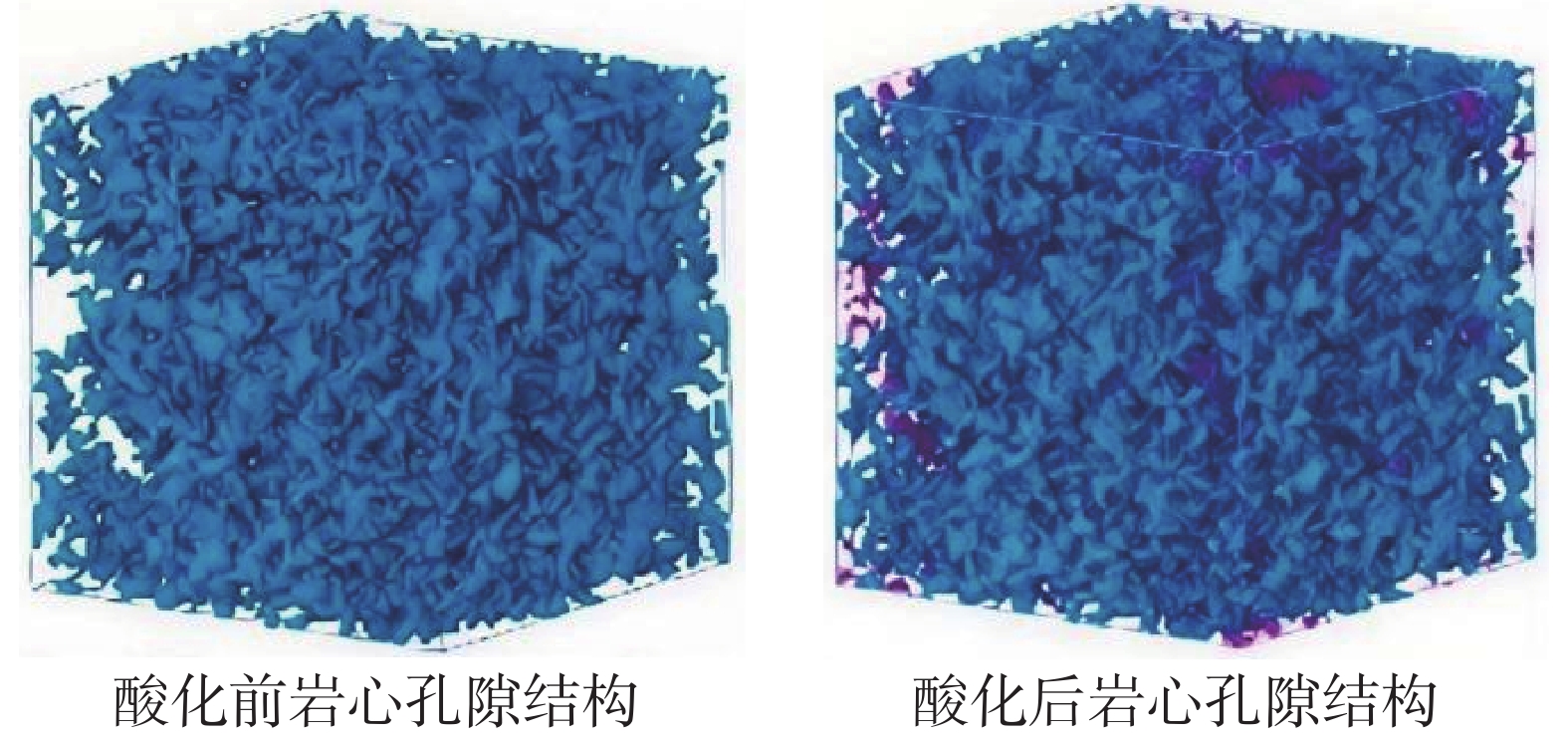
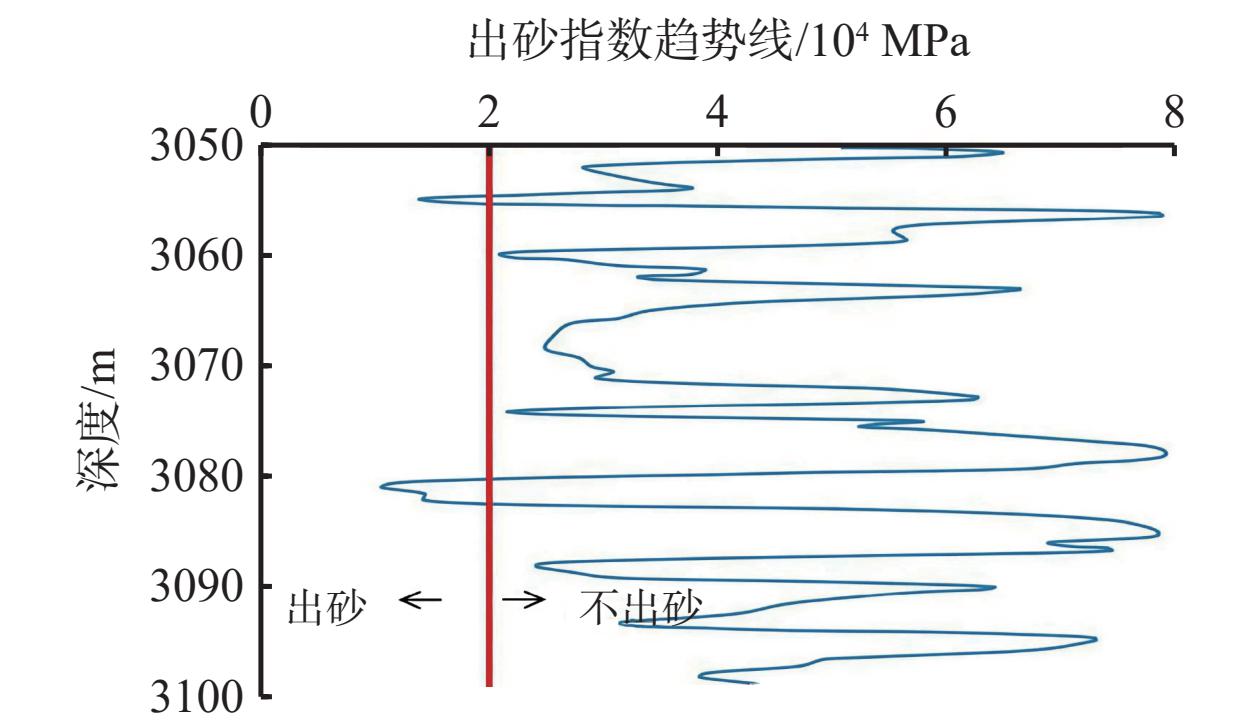
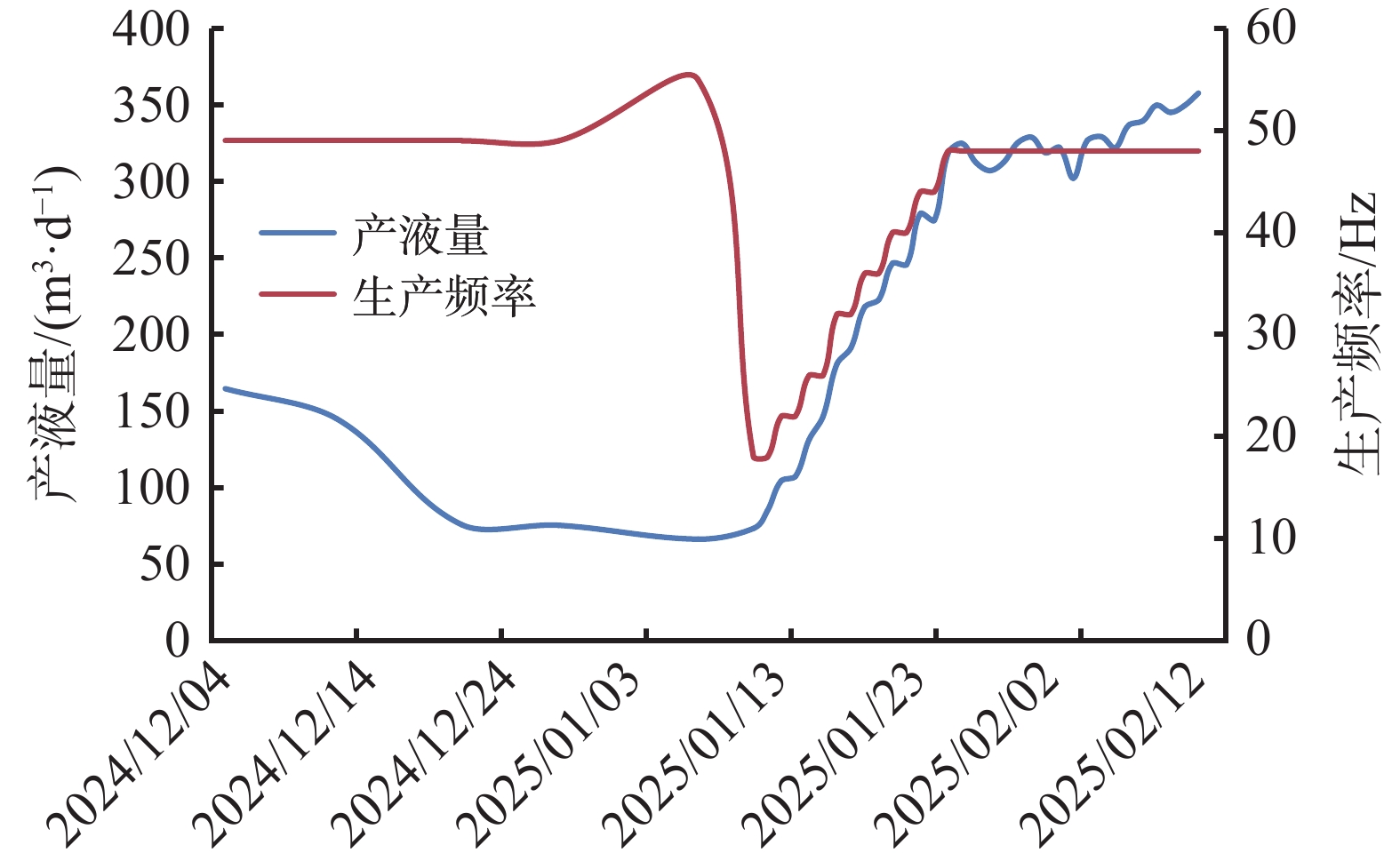
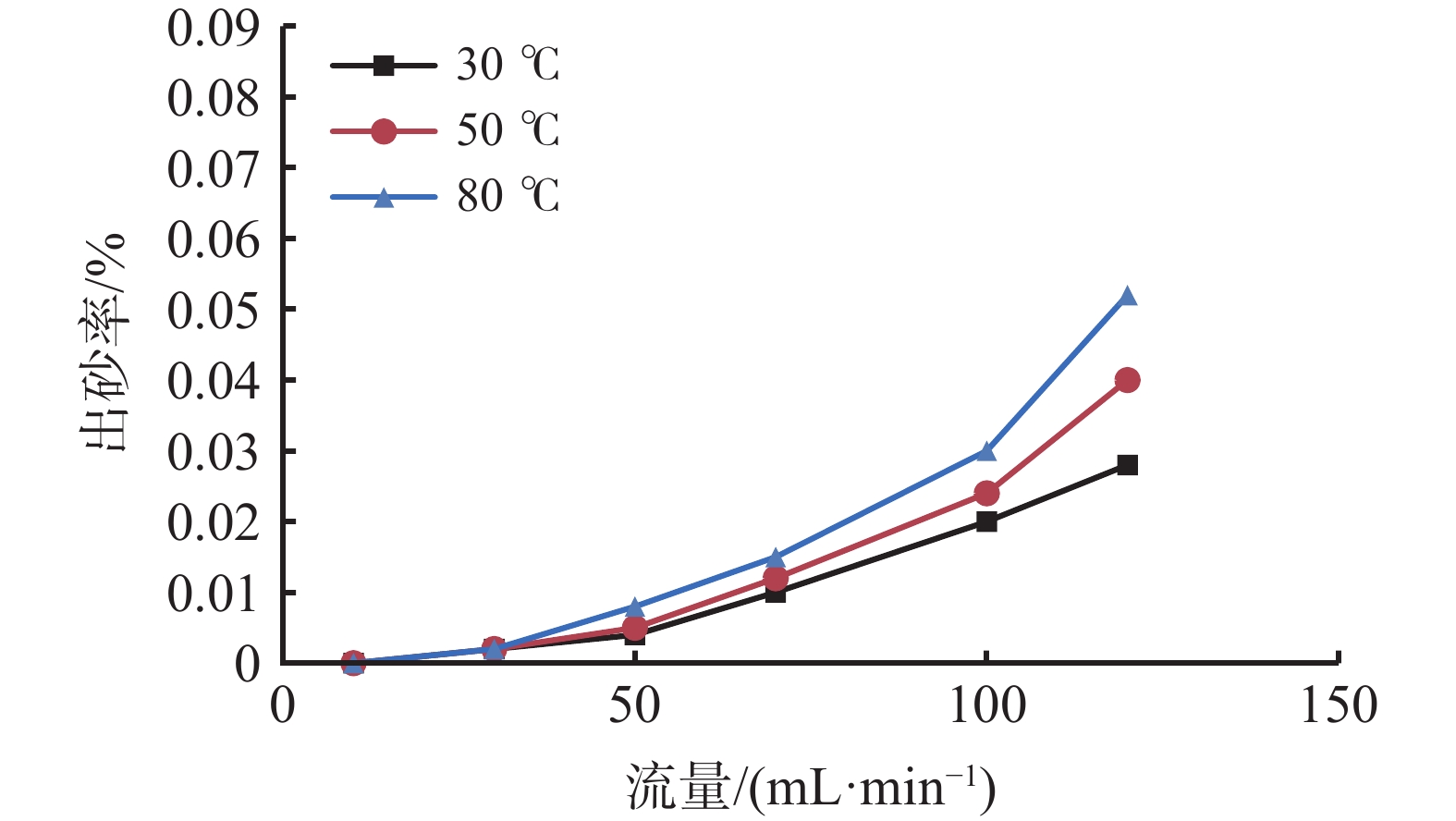
An oilfield in the Middle East has a major sandstone reservoir that is composed of mainly sandstone and argillaceous siltstone, the cement of which is mainly feldspar. The reservoir rocks are unconsolidated and the pores therein are easy to be blocked by sand production. Conventional acid job takes effect slowly and may result in dispersion of the loose sandstone, thereby exacerbating sand production. In this paper the mechanism of pore blocking by sand production is analyzed, and a technology of blocking removal through compound acidizing for unconsolidated sandstone reservoirs is presented. Using a clue of “first stabilizing the borehole wall, and then removing the blocking”, this technology is able to mitigate formation damage by pore blocking and to maintain the stability of the reservoir formation. Through laboratory experiment a sandstone stabilizer was developed for high flushing rates. At a flow rate of 1,800 mL/h, the rate of sand production can be steadily controlled below 0.01%. Through the synergism among different working fluids, taking “removing more scale and dissolving less sandstone” as a goal, an acid fluid for blocking removal through differential erosion was developed. Using this acid fluid, the rate of scale dissolution is ≥95% and the rate of sand dissolution is <25%. The rate of sandstone dissolution can be brought under control with this acid, thereby maintaining the stability of the rock structure. Field test results show that this technology can improve the average production rate and effective production life of oil wells, and it provides a theoretic basis and practical guidance for stimulating unconsolidated sandstone reservoirs through blocking removal with acidizing treatment.
Synthesis of Quinoline-based Acidizing Corrosion Inhibitor and its Corrosion Inhibition Performance for J55 Steel in HCl Medium
DONG Sanbao, LI Jinhua, FU Yueying, ZHANG Ye, GAO Fei, FEI Zhongming, HAN Weiwei
2026, 43(3): 418-426. doi: 10.12358/j.issn.1001-5620.2026.03.016
Abstract:
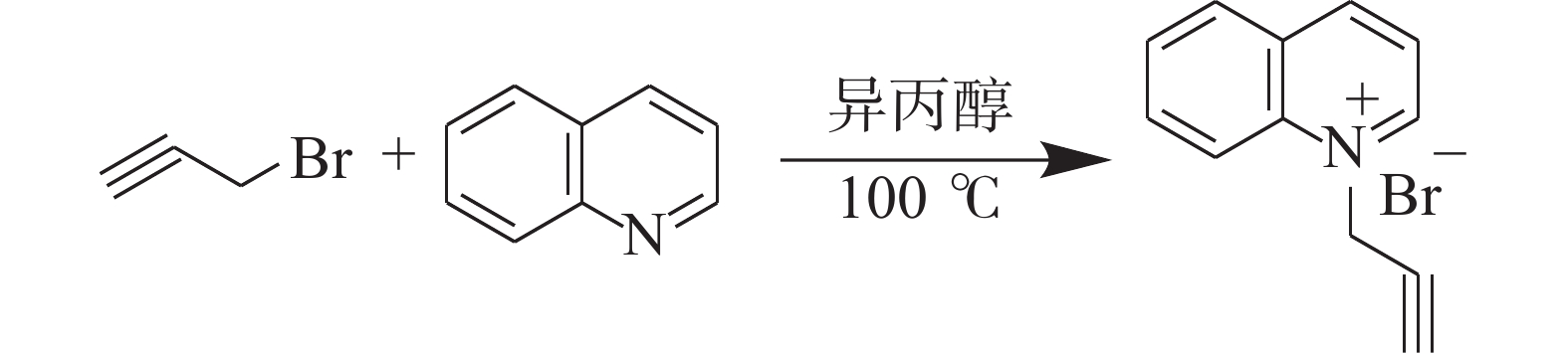
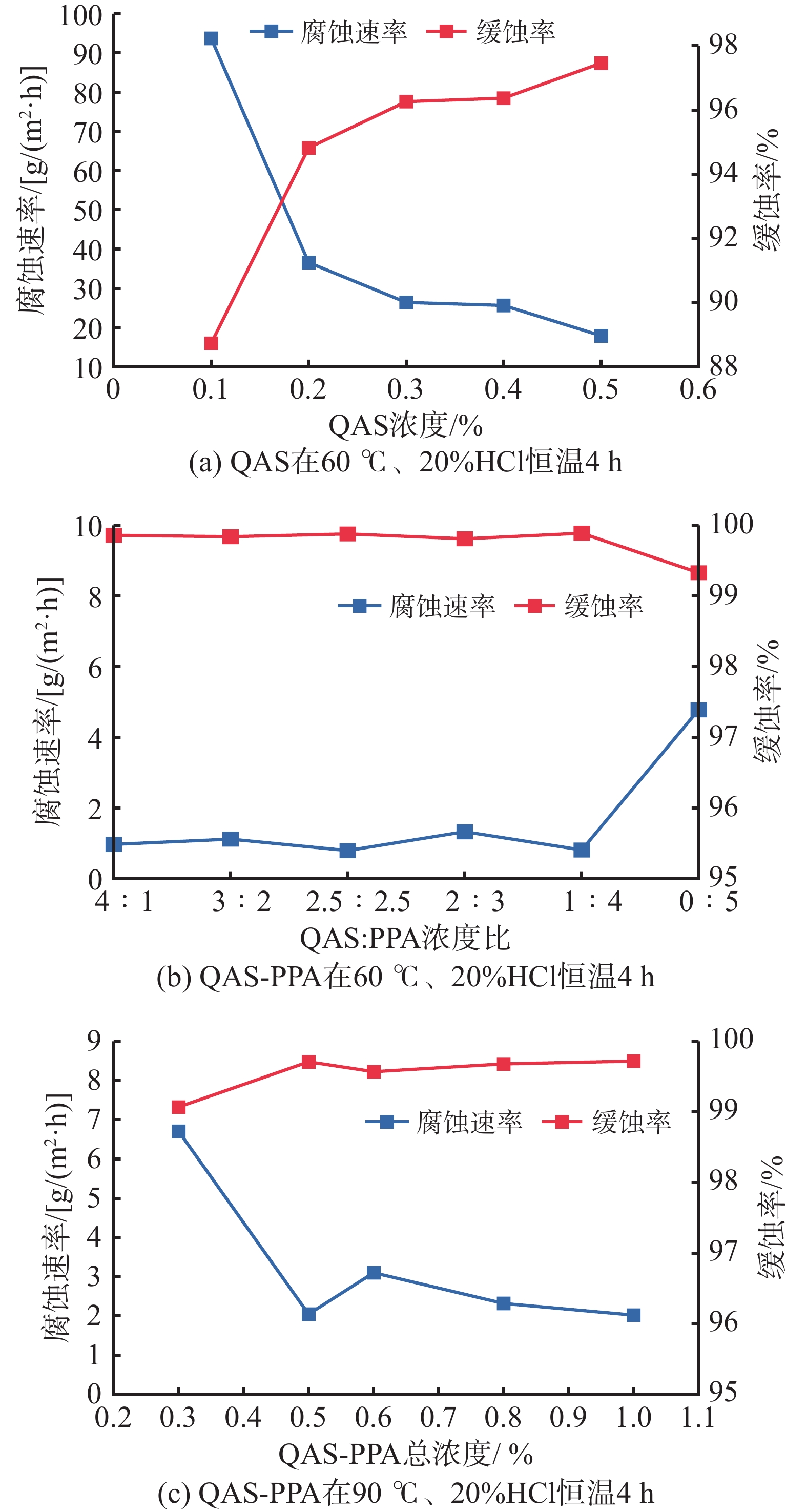
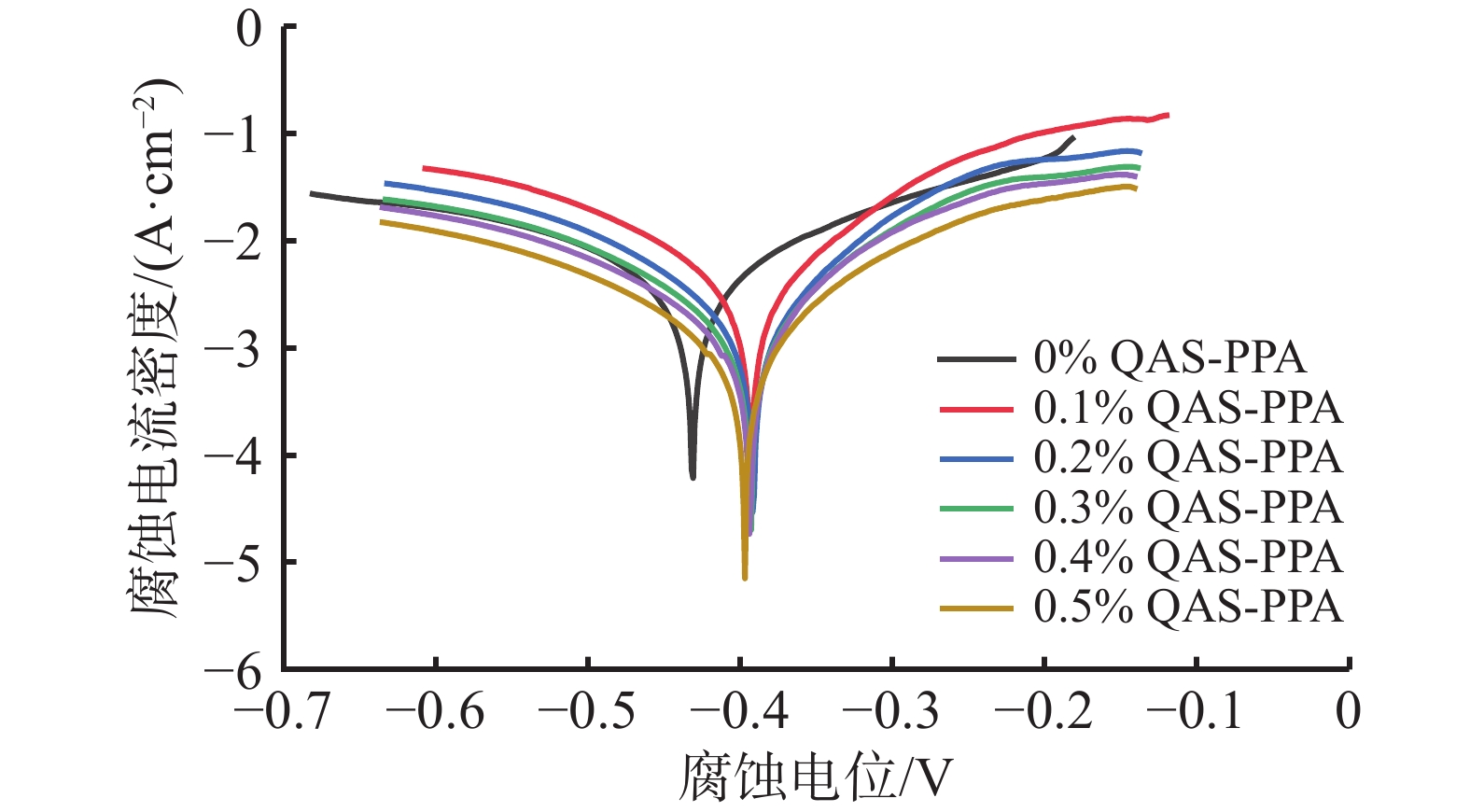
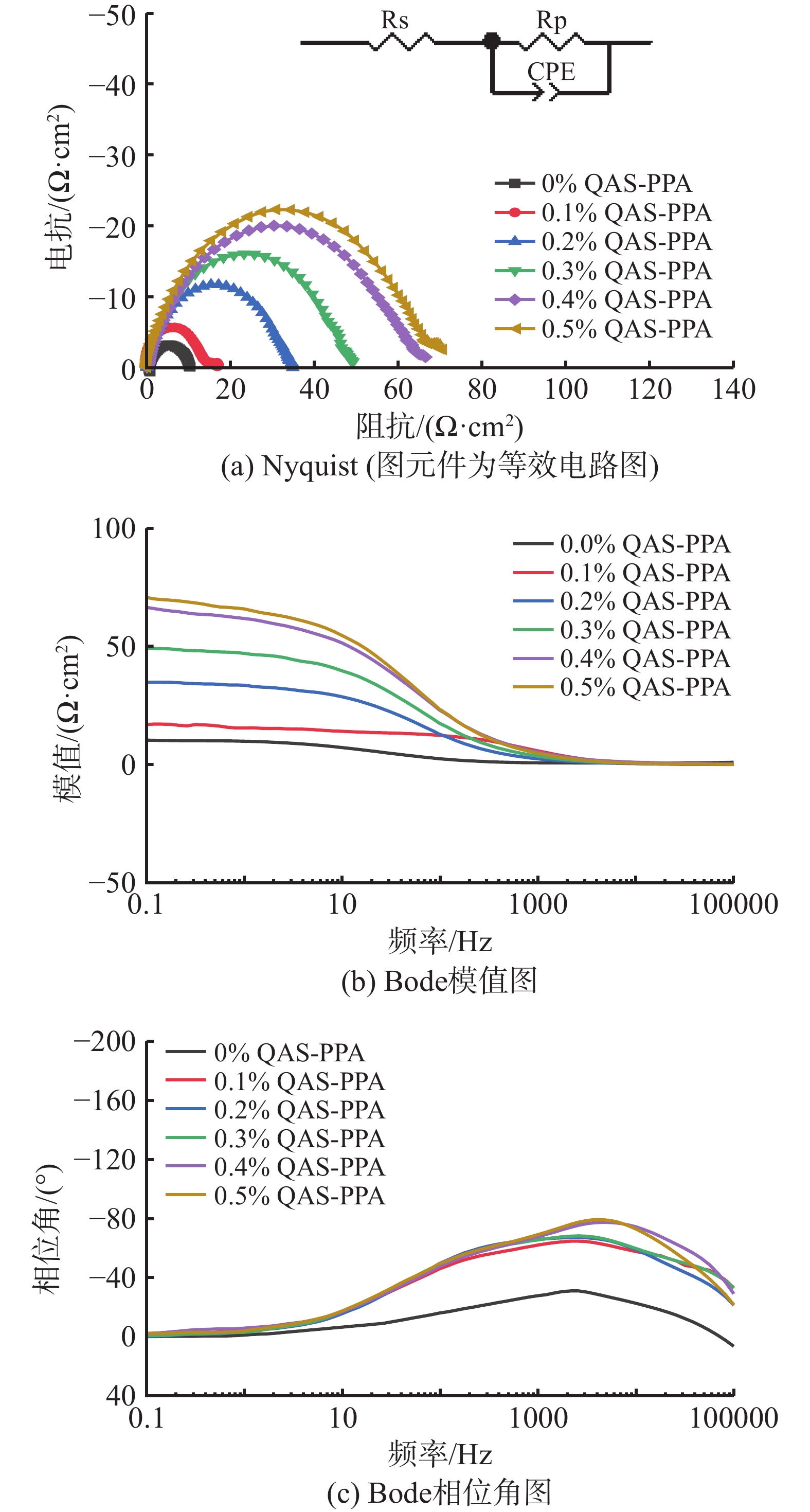
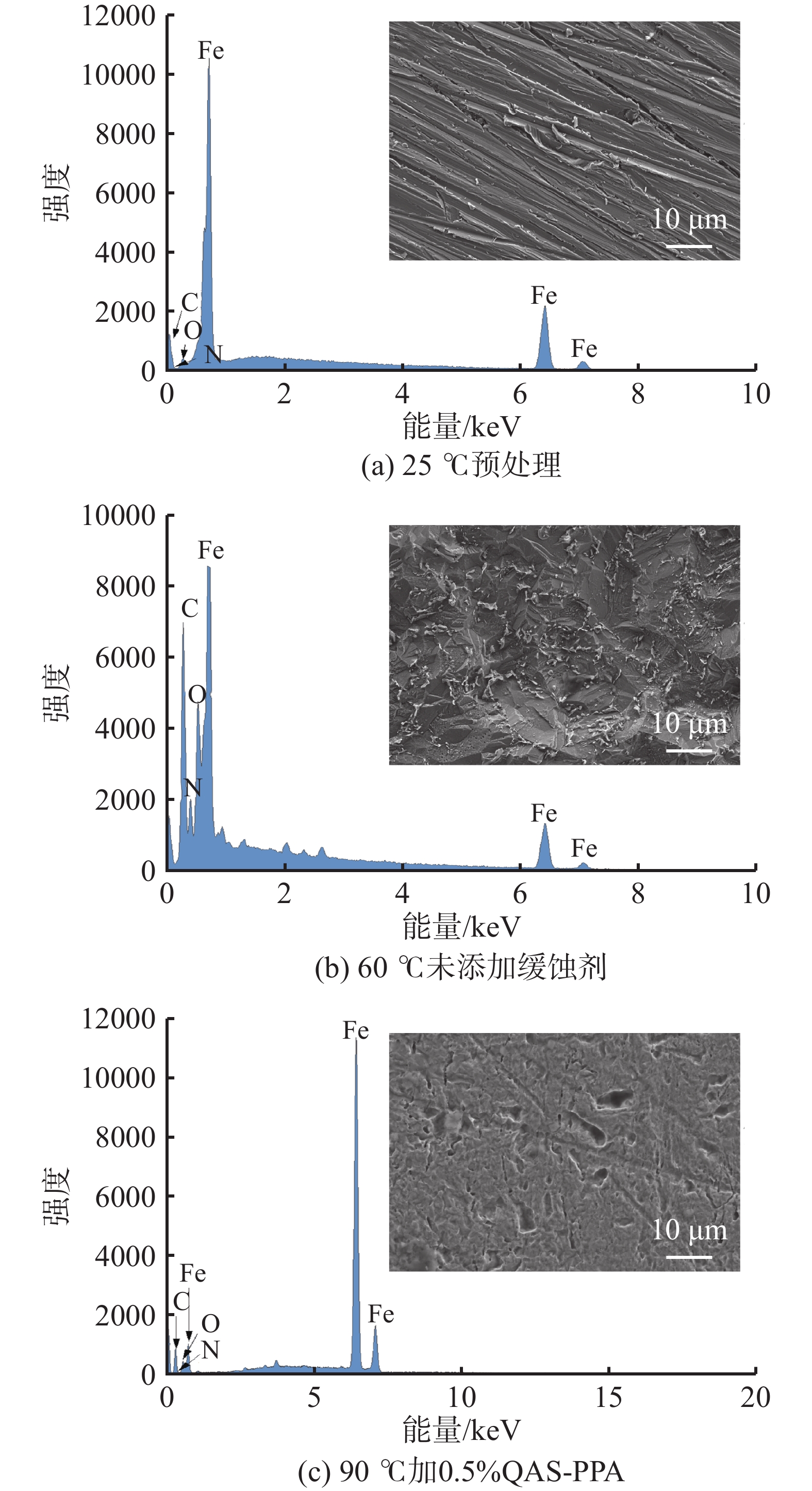
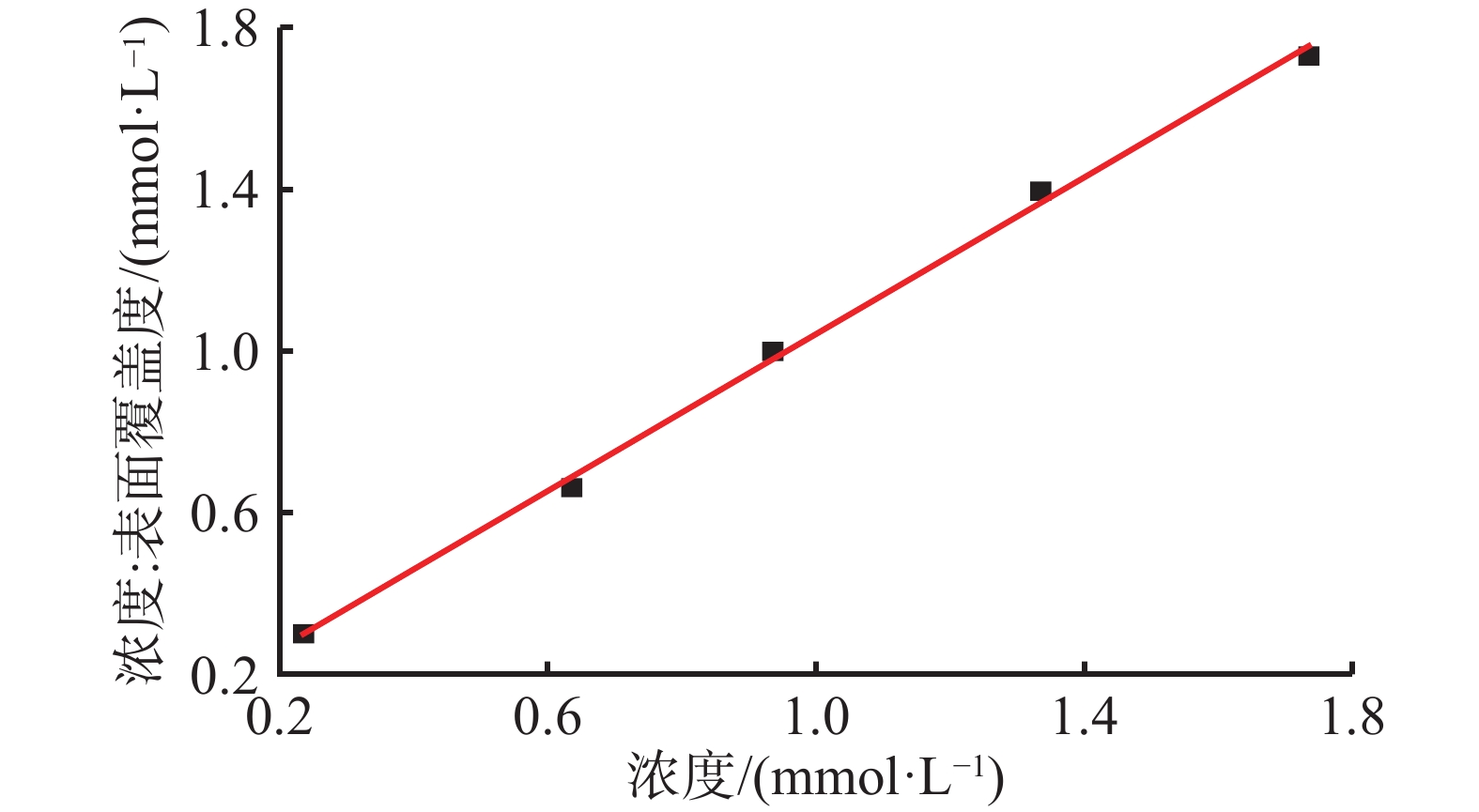
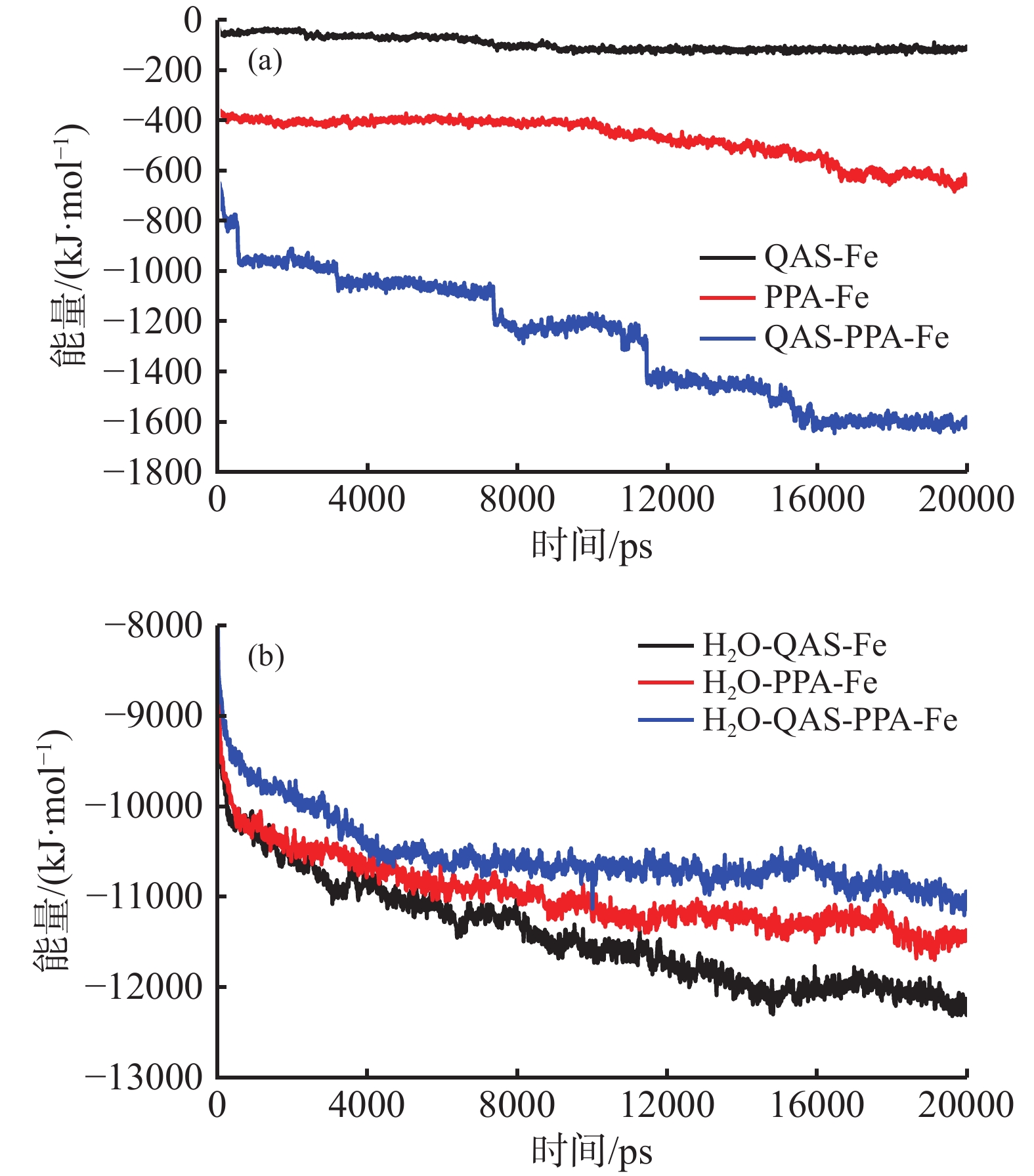
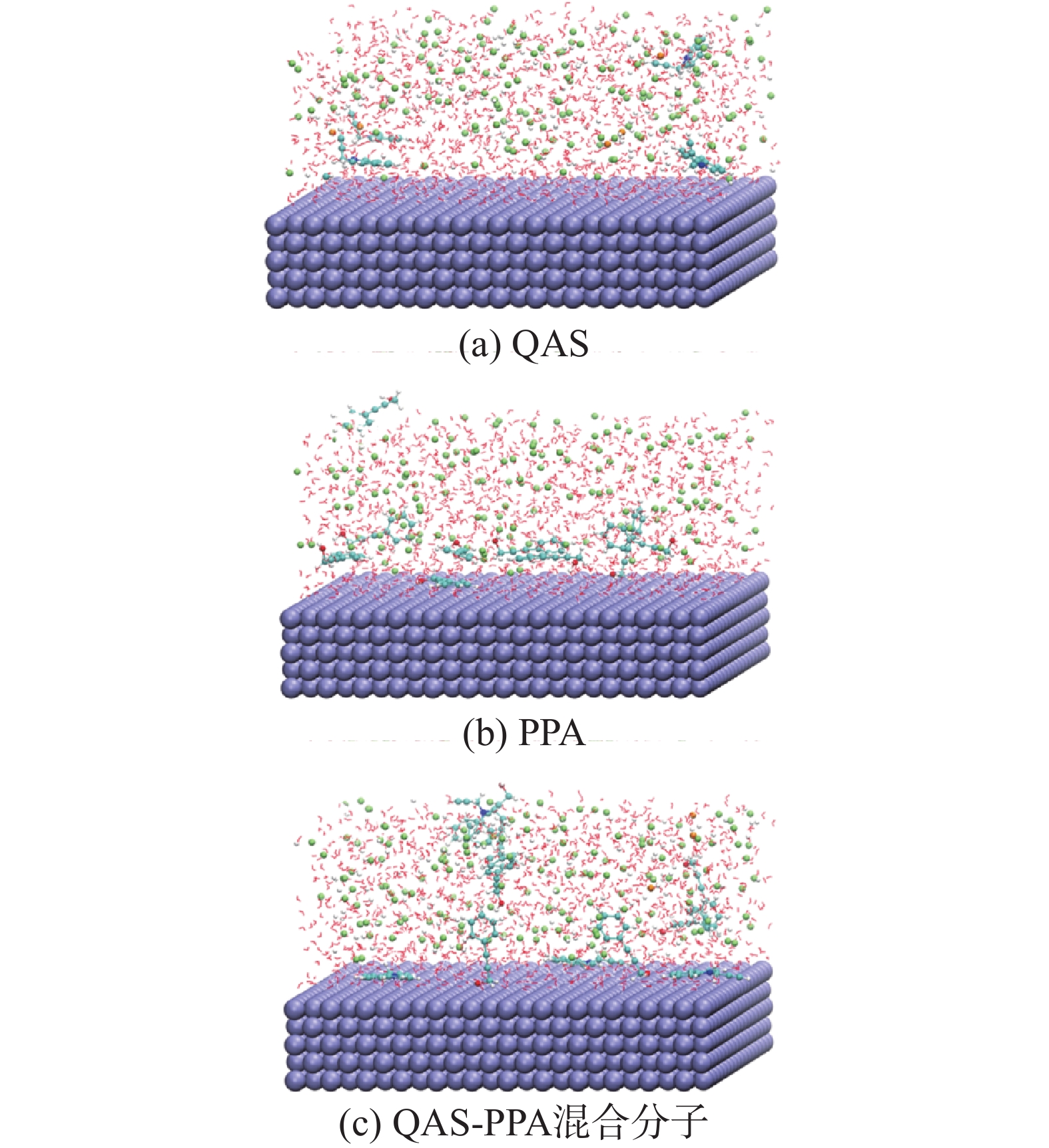
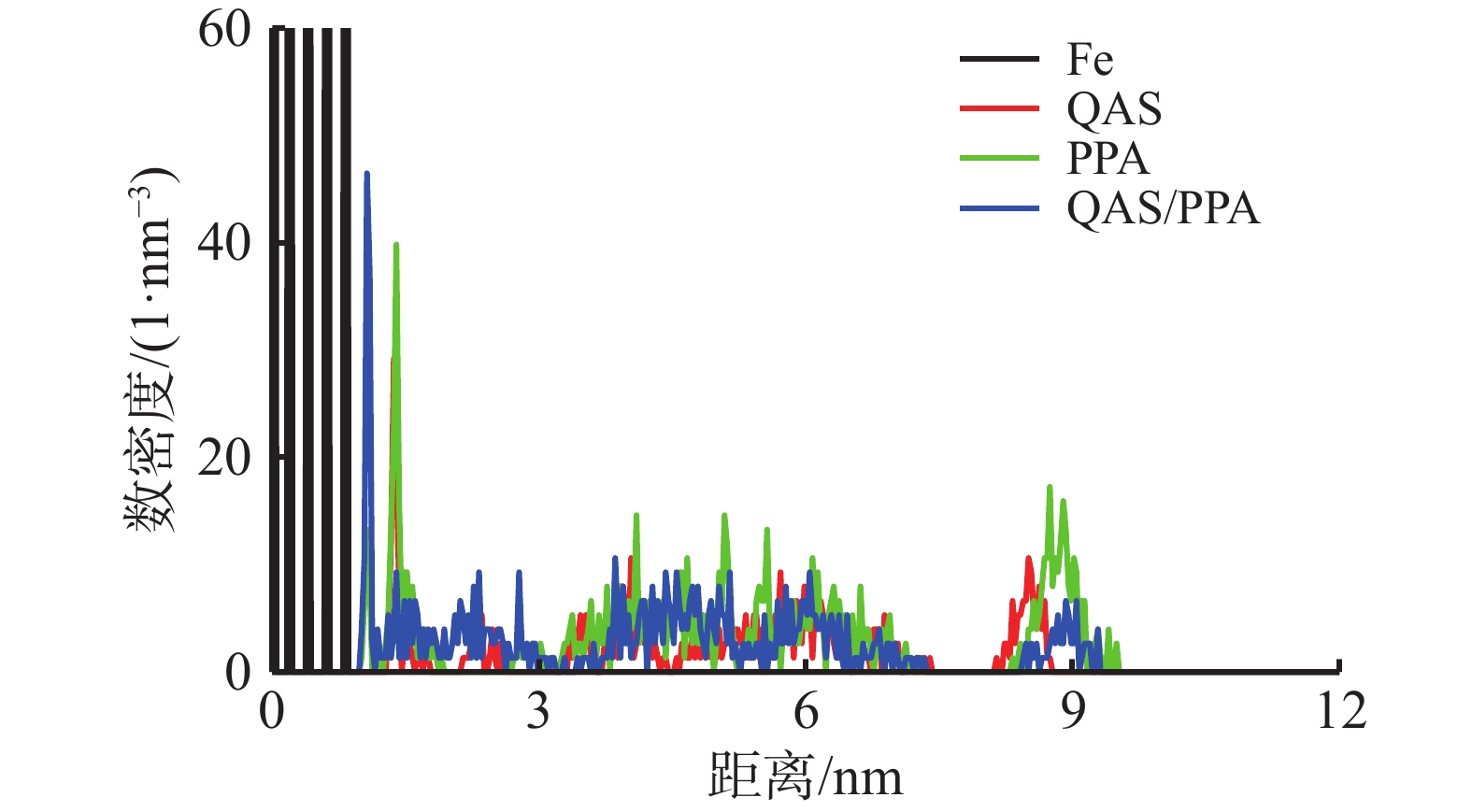
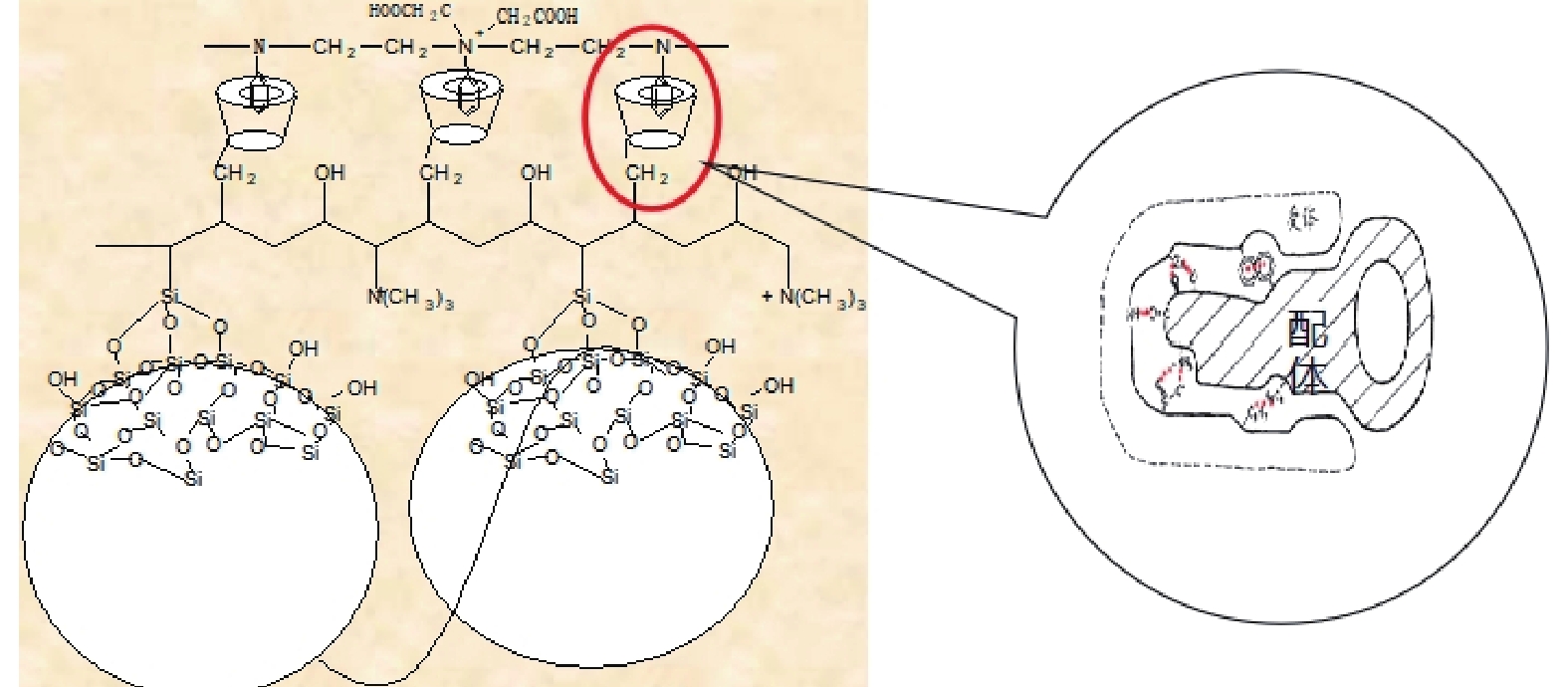
Corrosion inhibitors are an essential component of acidizing working fluids, and the development of novel high-performance corrosion inhibitors has long been a key objective for researchers in acidizing operations. A novel alkynyl quinoline quaternary ammonium salt corrosion inhibitor (QAS) was synthesized via quaternization reaction. The optimal compounding ratio of QAS and 3-phenyl-2-propyn-1-ol (PPA) was determined through weight loss measurements. Subsequently, the corrosion inhibition performance and mechanism of QAS-PPA on J55 steel were investigated using electrochemical tests, scanning electron microscopy, adsorption thermodynamic analysis, and molecular dynamics simulations. The results showed that the optimal mass concentration of the binary composite corrosion inhibitor QAS-PPA was 0.5% with a mass ratio of m(QAS)∶m(PPA) = 1∶1. Under 20% HCl environment at 90 ℃ within 4 h, the corrosion inhibition efficiency of J55 steel coupons reached 99.71% at a total concentration of 0.5%. Electrochemical tests and scanning electron microscopy revealed that QAS-PPA acts as a mixed-type corrosion inhibitor with predominant anodic inhibition, and the protective layer formed on the J55 steel surface became denser with increasing inhibitor concentration, leading to improved inhibition performance. Adsorption behavior studies indicated that the adsorption of QAS on the J55 steel surface followed the Langmuir adsorption isotherm and was a spontaneous process, characteristic of a mixed-type inhibitor. Molecular dynamics simulations demonstrated that QAS and PPA exhibited synergistic adsorption on the Fe substrate surface, significantly enhancing the interaction energy between the mixed system and the substrate as well as the surface packing density.
COMPLETION FLUID
Study on Salt Crystallization Characteristics in Evaluating Reservoir Damage by Potassium Formate Completion Fluids
XU Anguo, ZHANG Xinyu, ZHANG Yufei, SUN Hao, ZHAO Xin
2026, 43(3): 427-434. doi: 10.12358/j.issn.1001-5620.2026.03.017
Abstract:
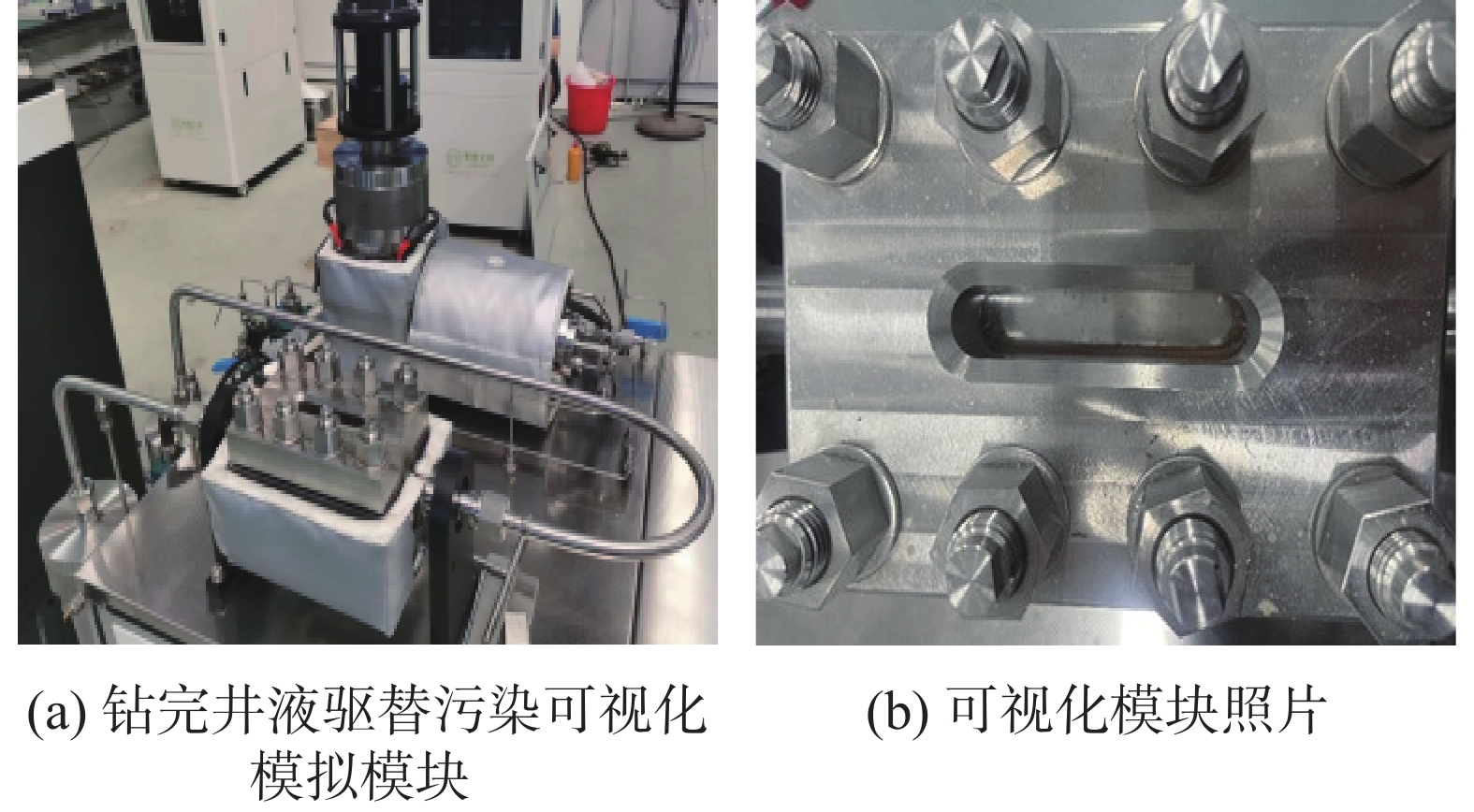
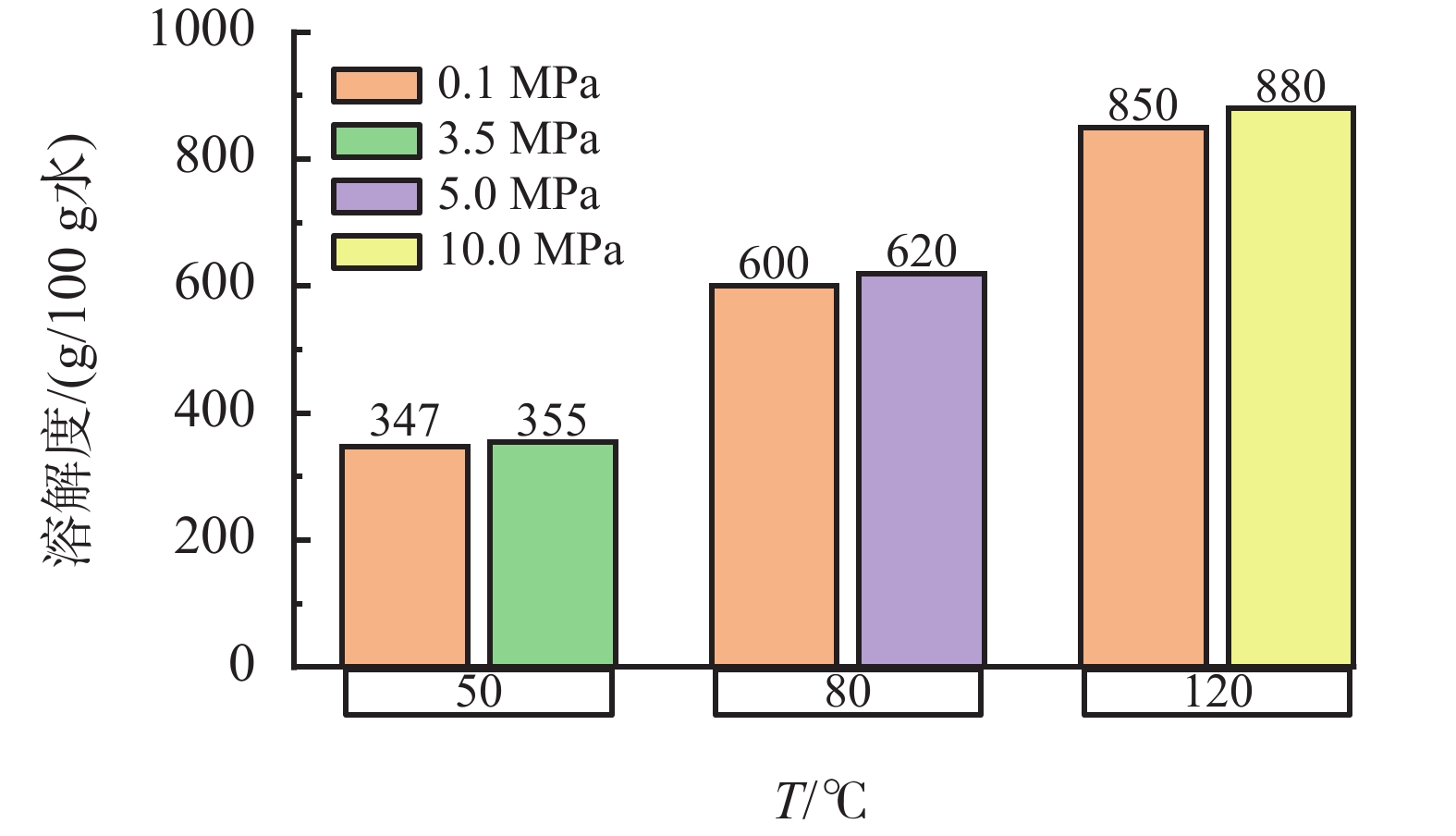
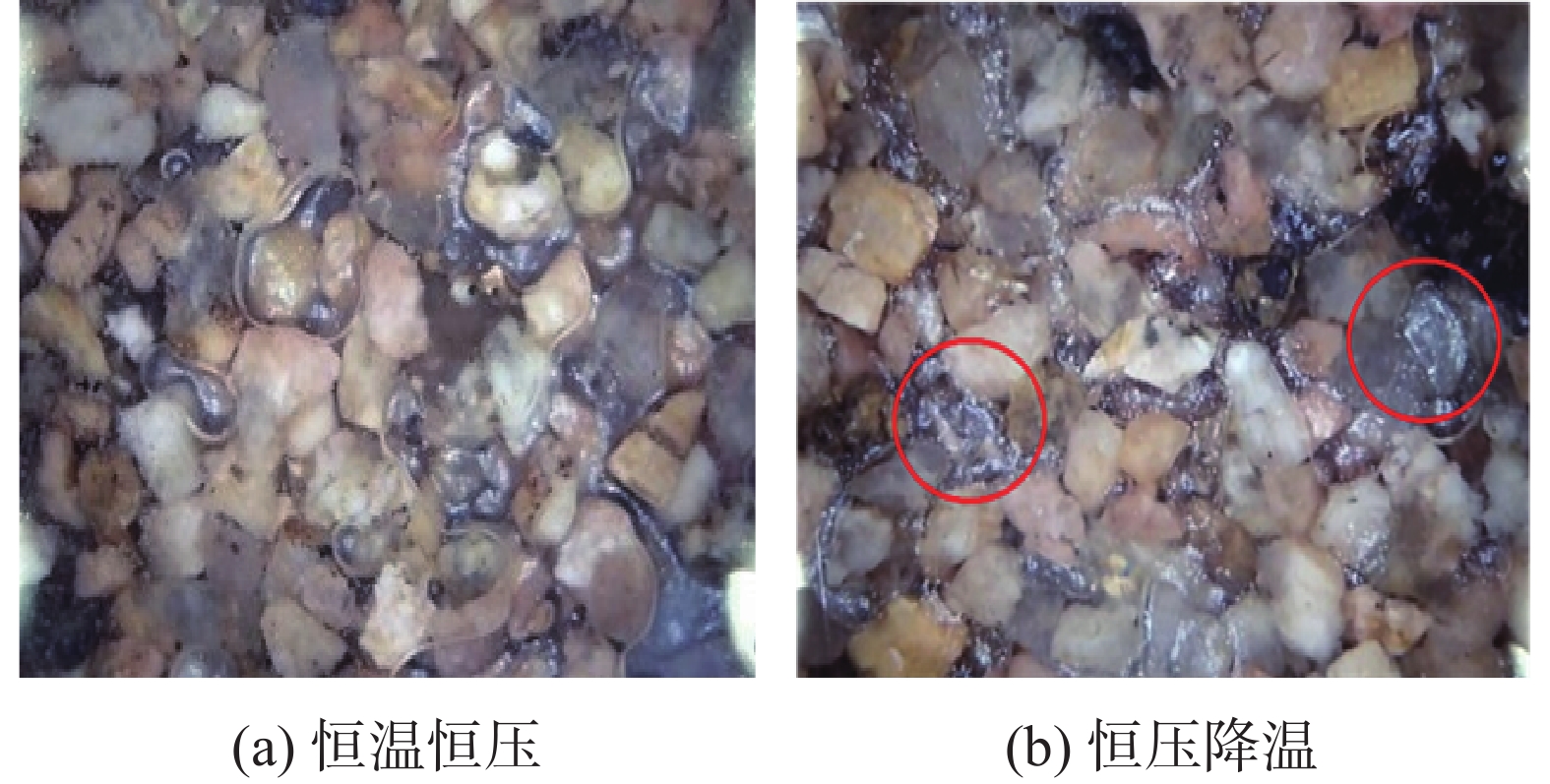
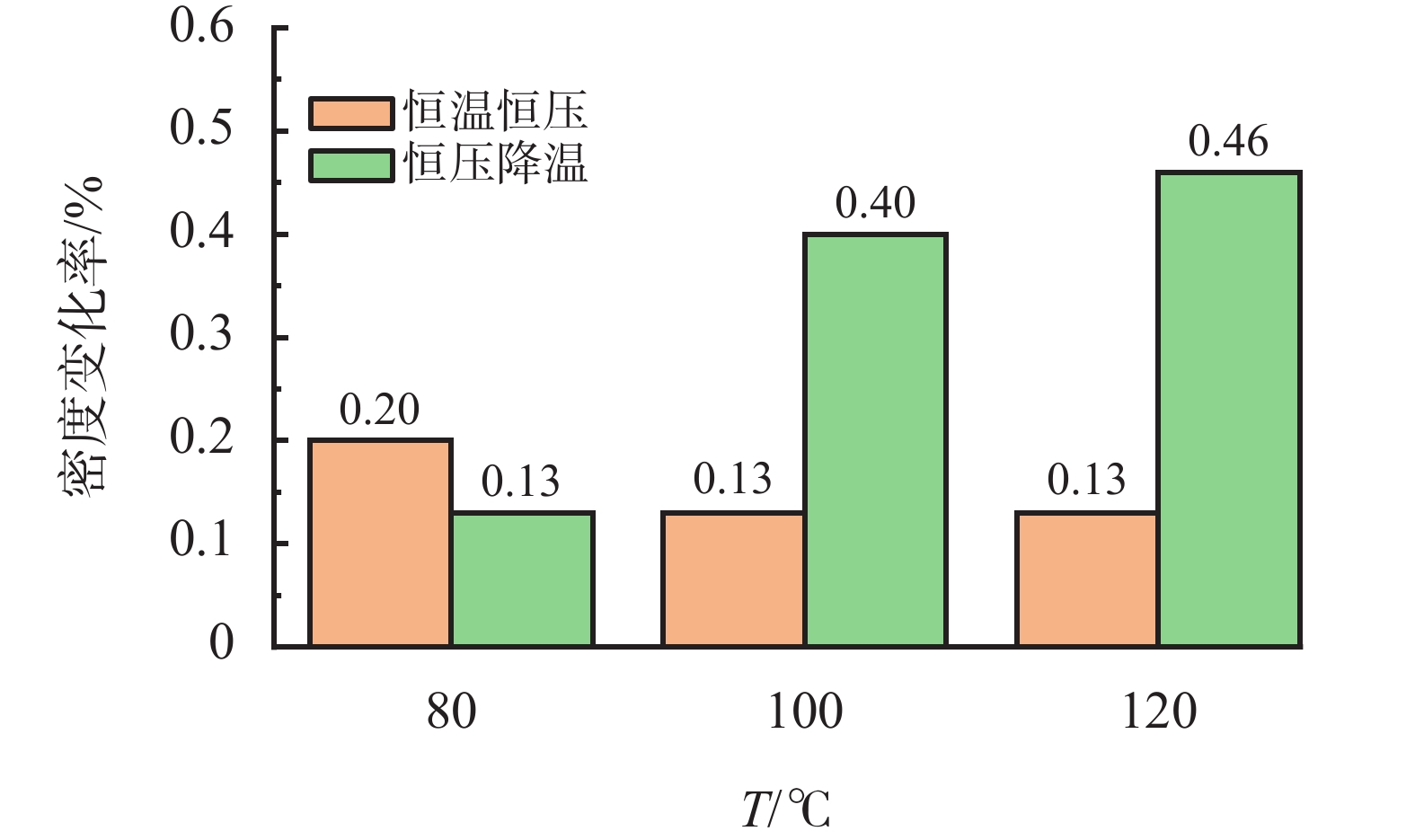
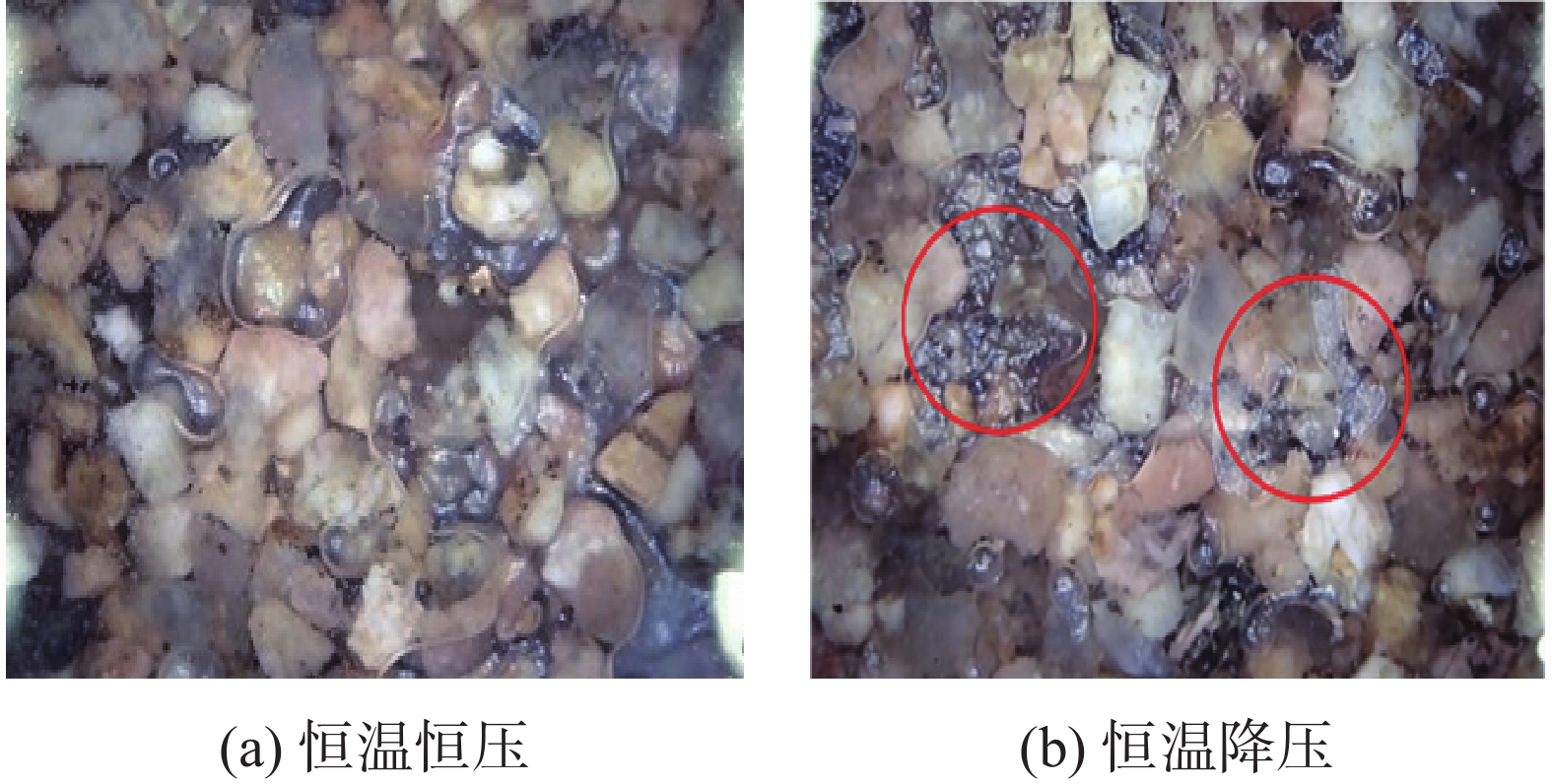
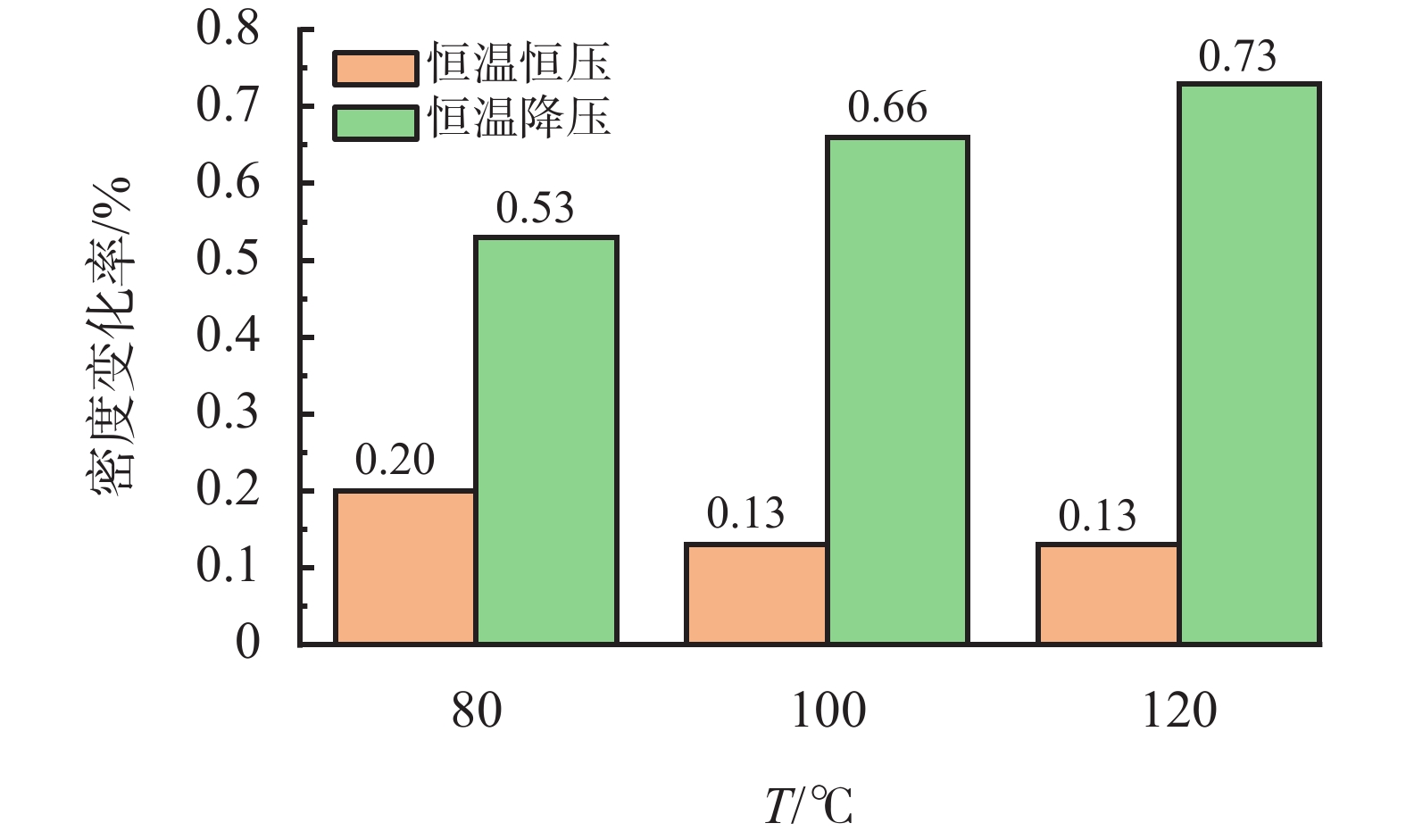
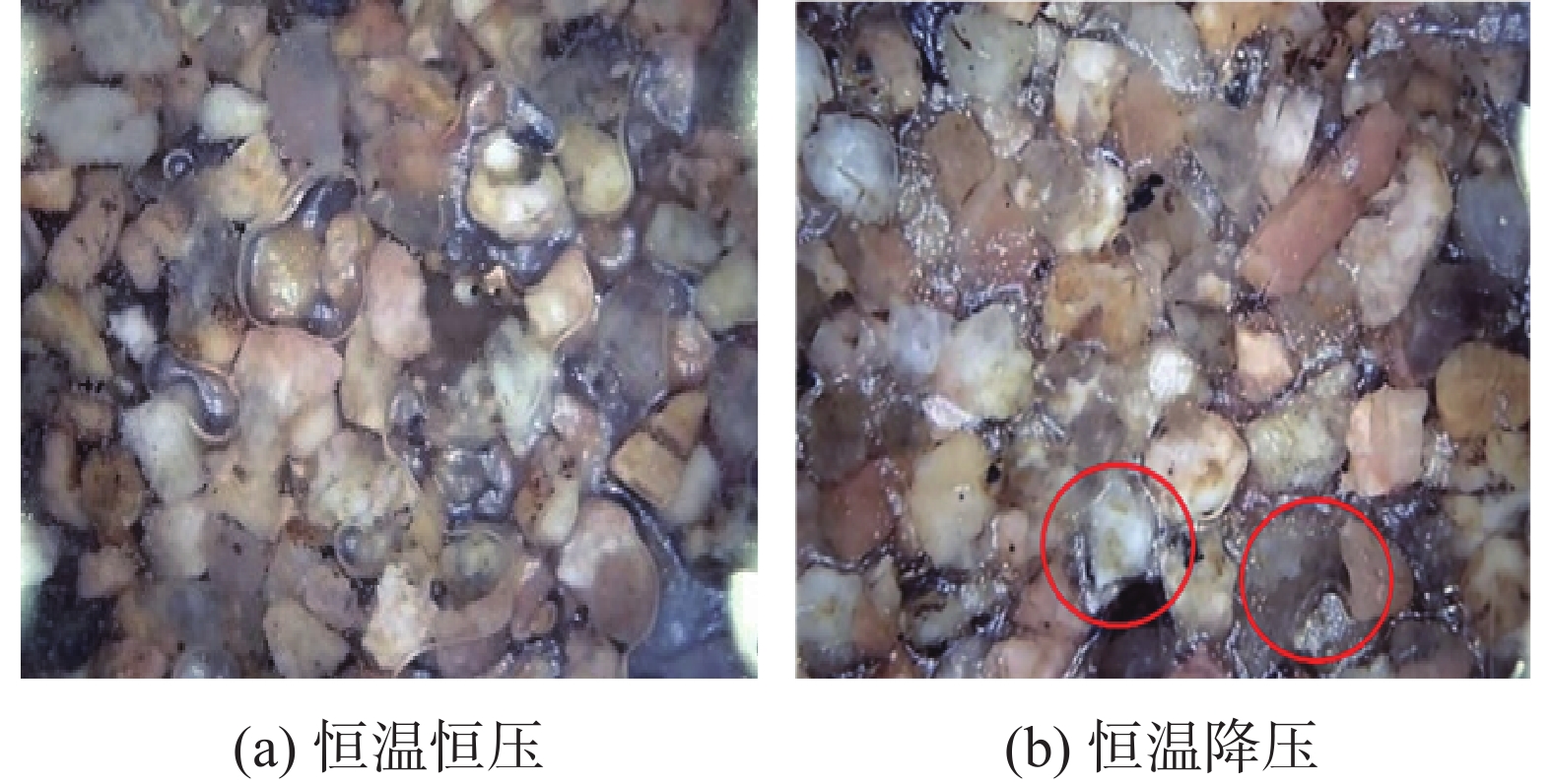
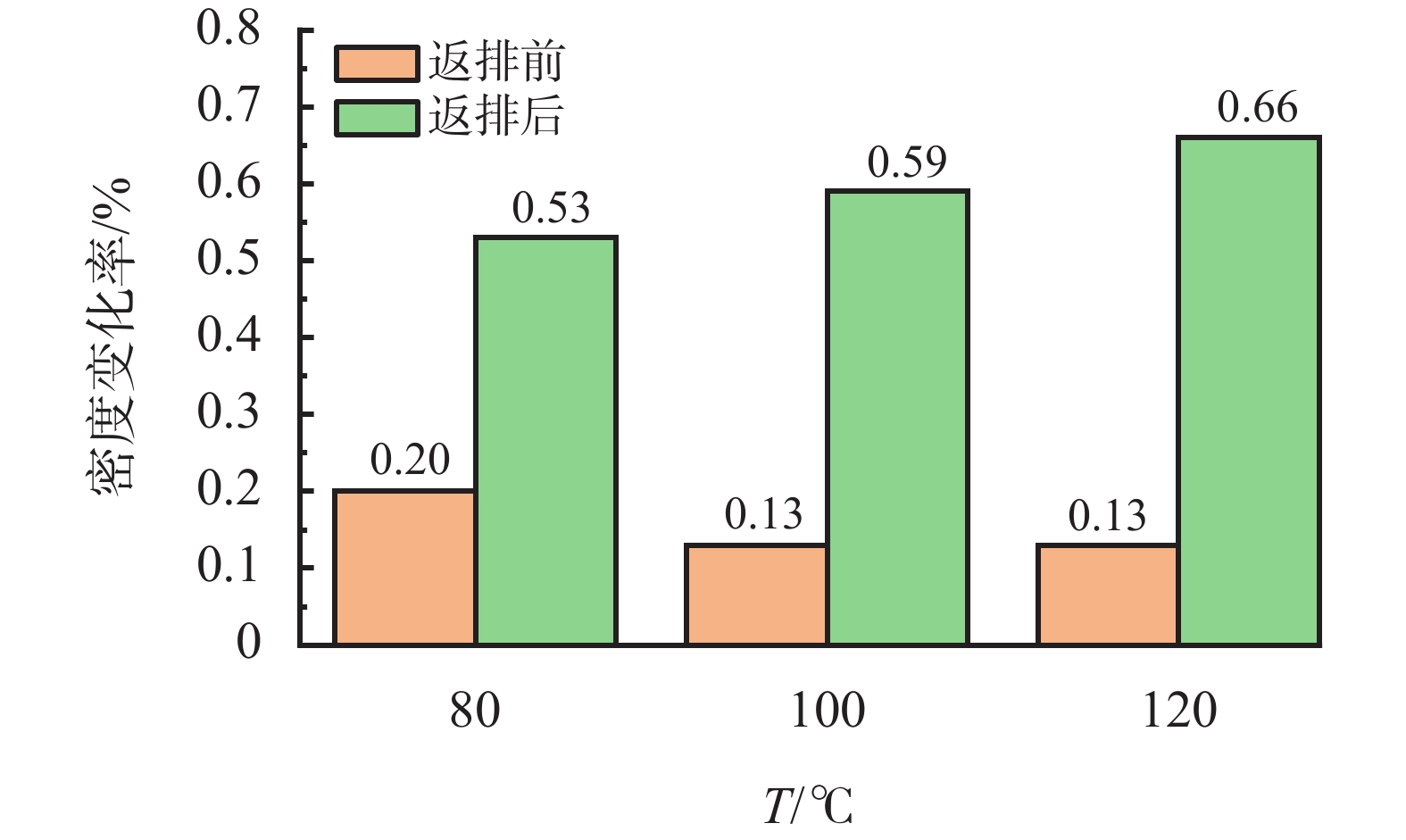
Conventional core flow experiment cannot be used to accurately measure the salt crystallization characteristics of high-density solids-free saltwater completion fluids in downhole working conditions. To address this problem, an evaluation method integrating gas flooding of core and dynamic visualization analysis was proposed. Using nitrogen flooding to simulate the actual flowback environment, and microscopic visualization technology to in-situ observe salt-out behavior, the influences of temperature (80 – 120 ℃), sudden pressure change (3.5 MPa – atmospheric pressure) and gas flowback on salt crystallization were investigated, and an optimized experimental method was established to analyze the crystallization characteristics of potassium formate completion fluid in reservoir environment. The experimental results show that temperature and sudden change of pressure are the main causes of salt-out damage from potassium formate completion fluid, among which the flash evaporation effect induced by gas flowback is the dominant trigger; at 120 ℃, the amount of salt precipitated can reach 8 – 9 g/L. When a single factor of temperature and pressure changes, the percent core permeability recovery is about 65%. Under the simultaneous action of temperature drop and pressure reduction, core damage was aggravated, the percent core permeability recovery drops to 62.33%. The main mechanisms of salt-out in porous media are the bridging growth of crystals at the narrow pore throats and their deposition on the walls of pores. After optimizing the experimental method, salt-out can be suppressed by maintaining constant temperature and constant pressure (120 ℃, 1 MPa), and the percent recovery of permeability can be increased to 75.3%, 10 – 21% higher than that under unsteady conditions. The optimized research method provides a theoretical and methodological guidance for accurately evaluating downhole salt-out damage characteristics and optimizing completion fluids.