Abstract:
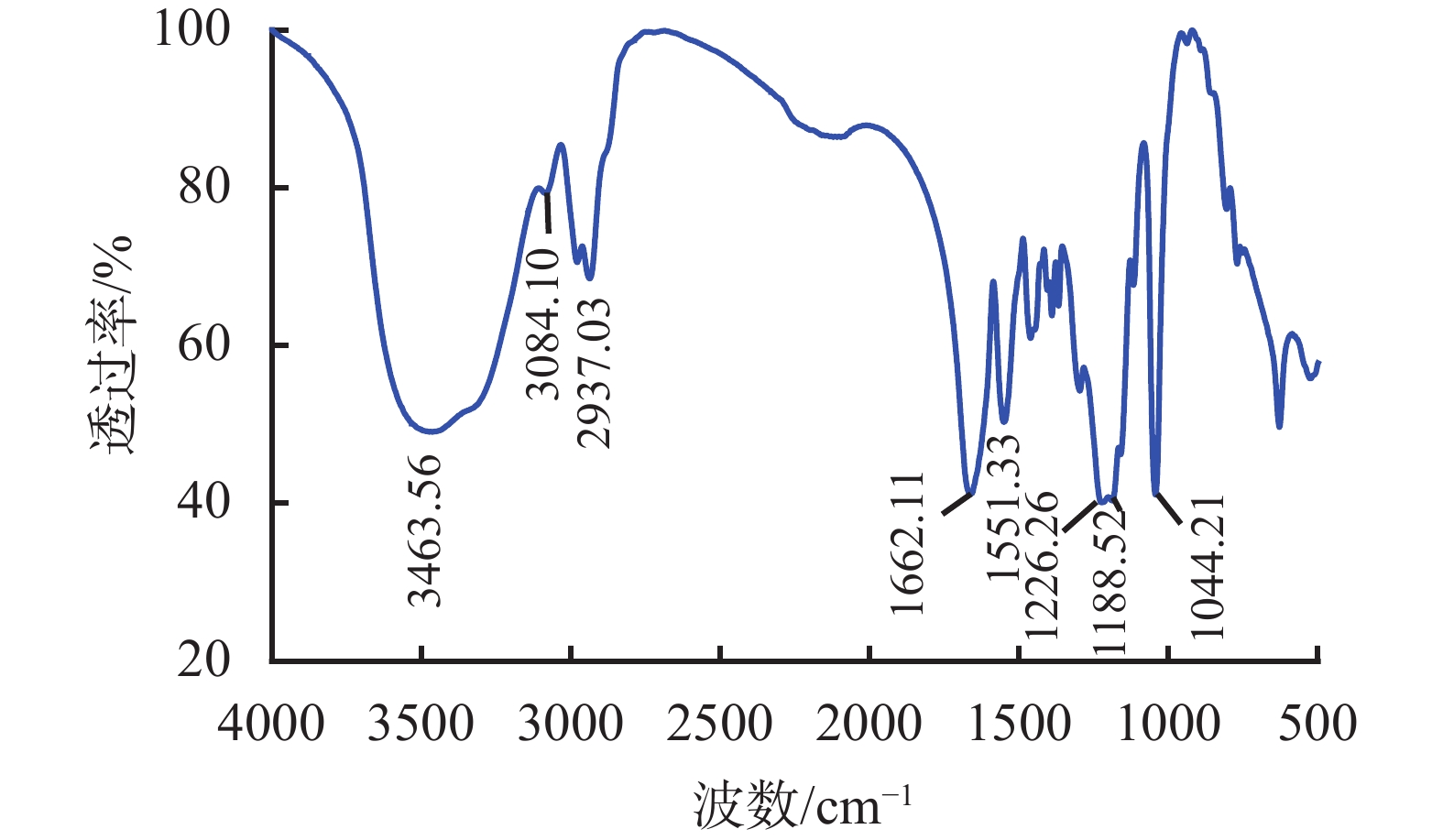
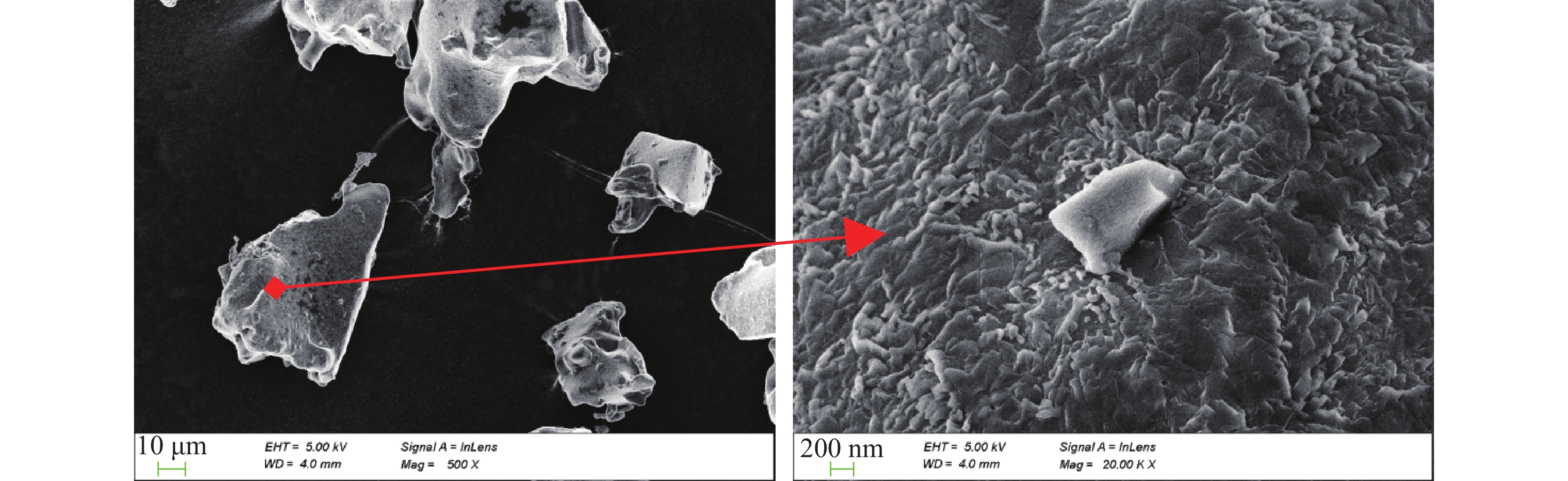
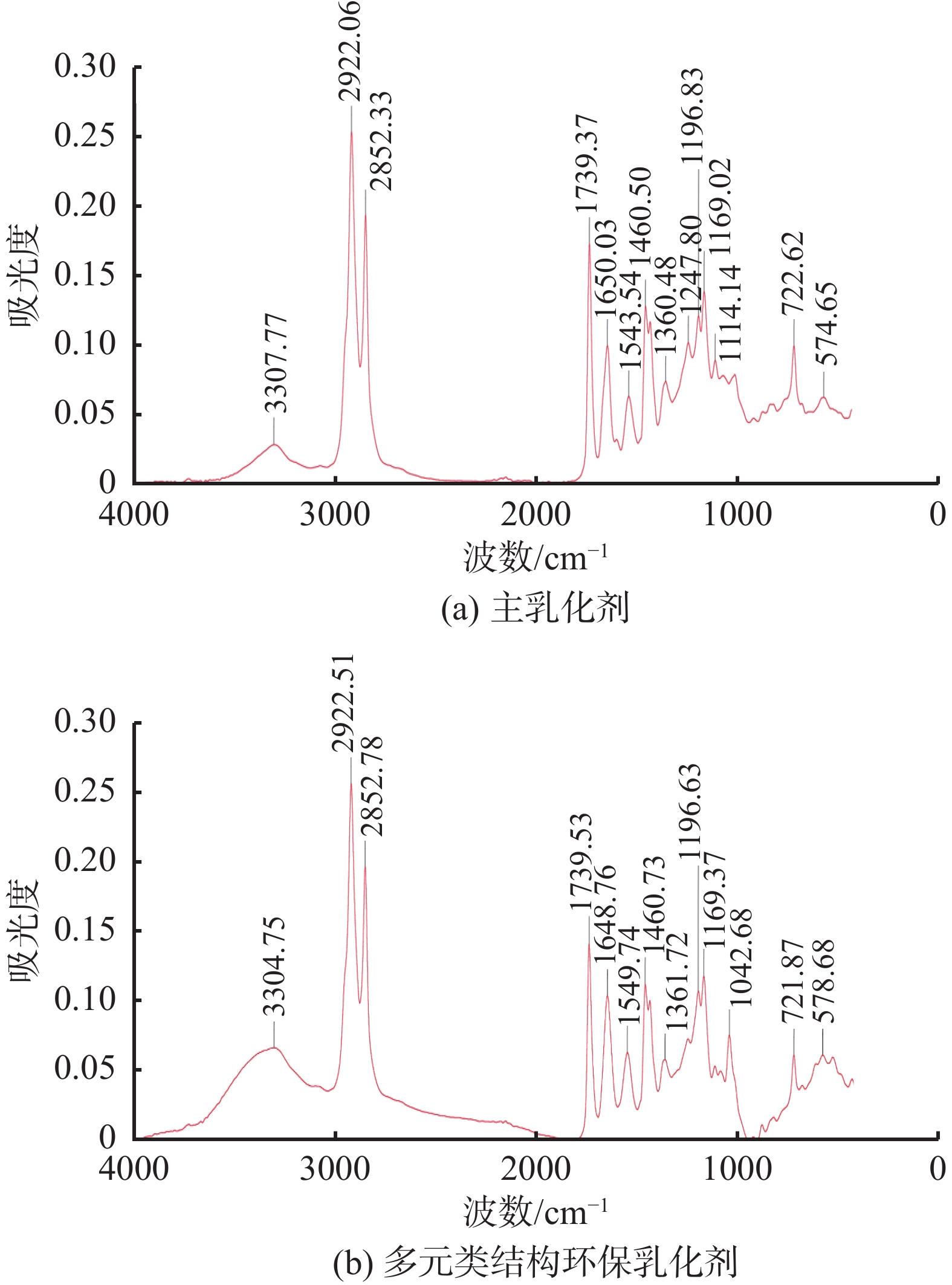
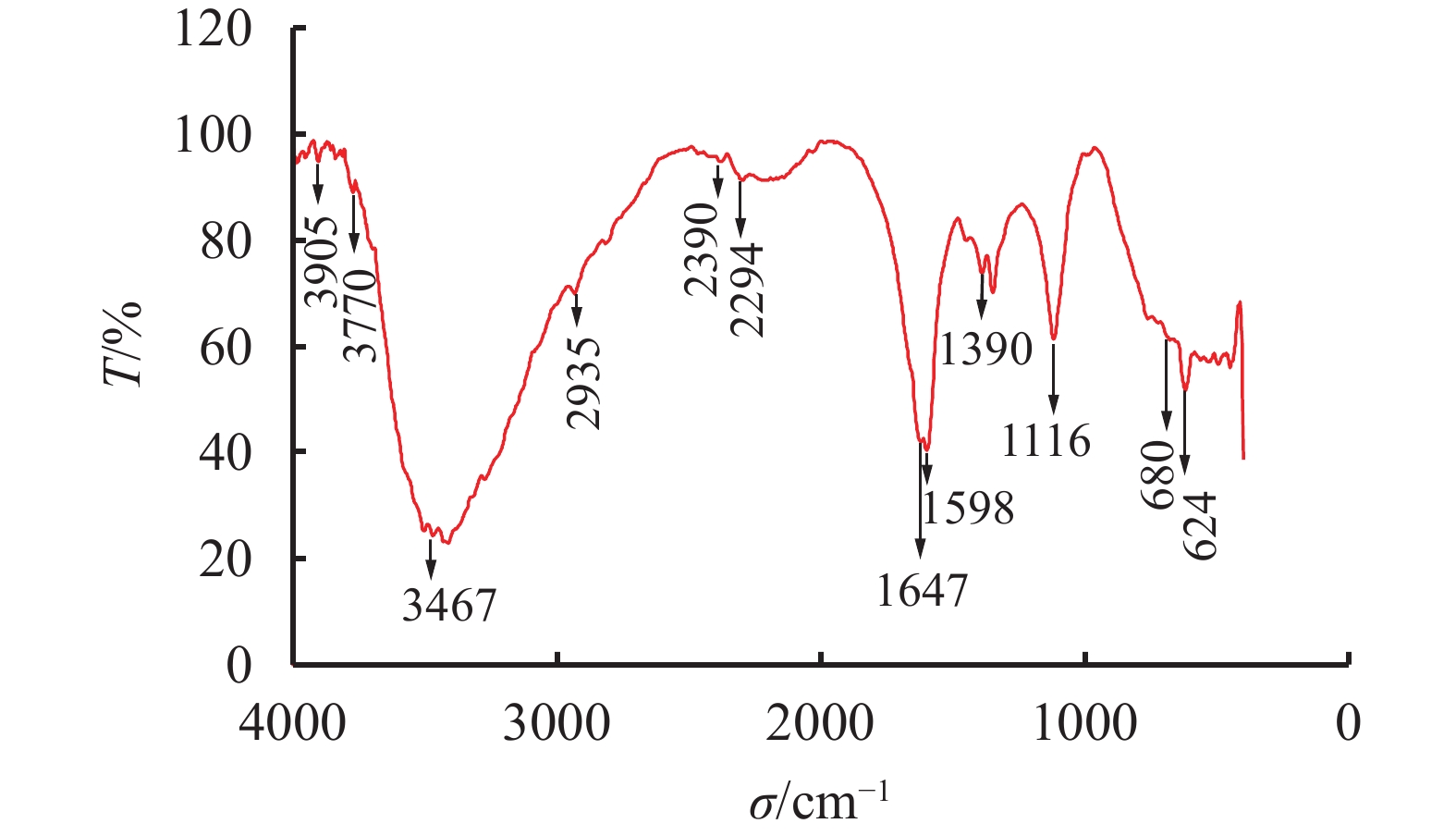
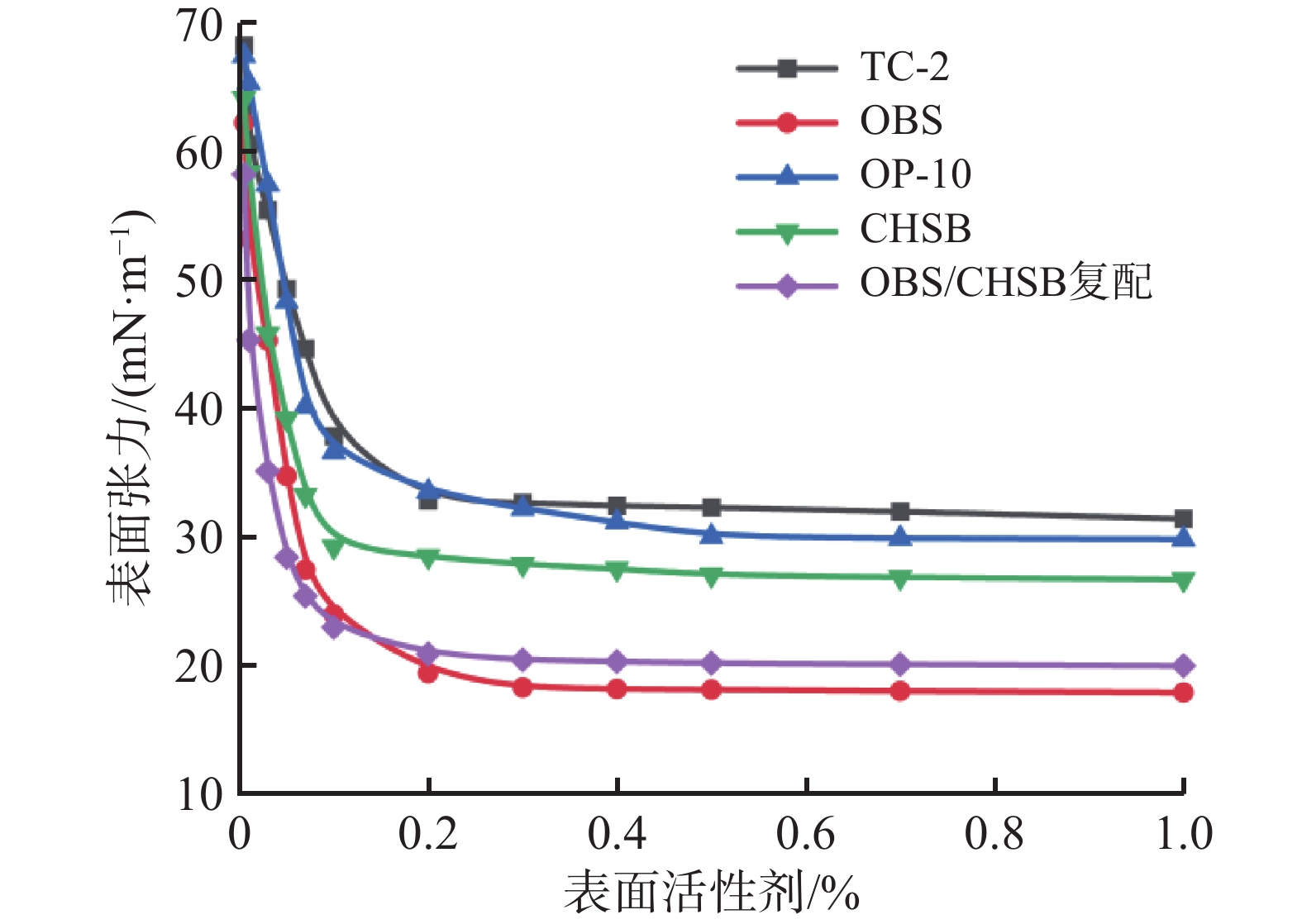
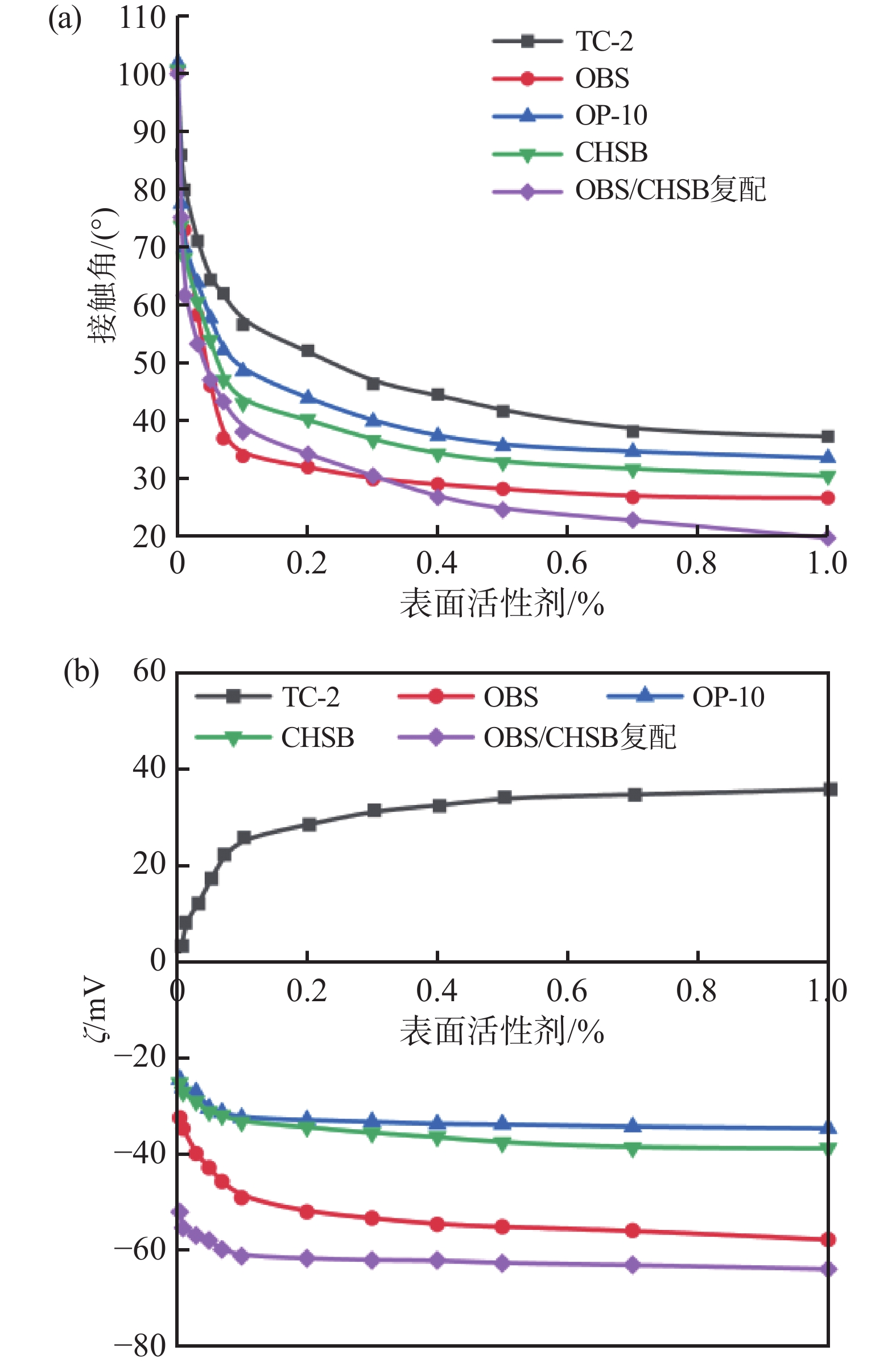
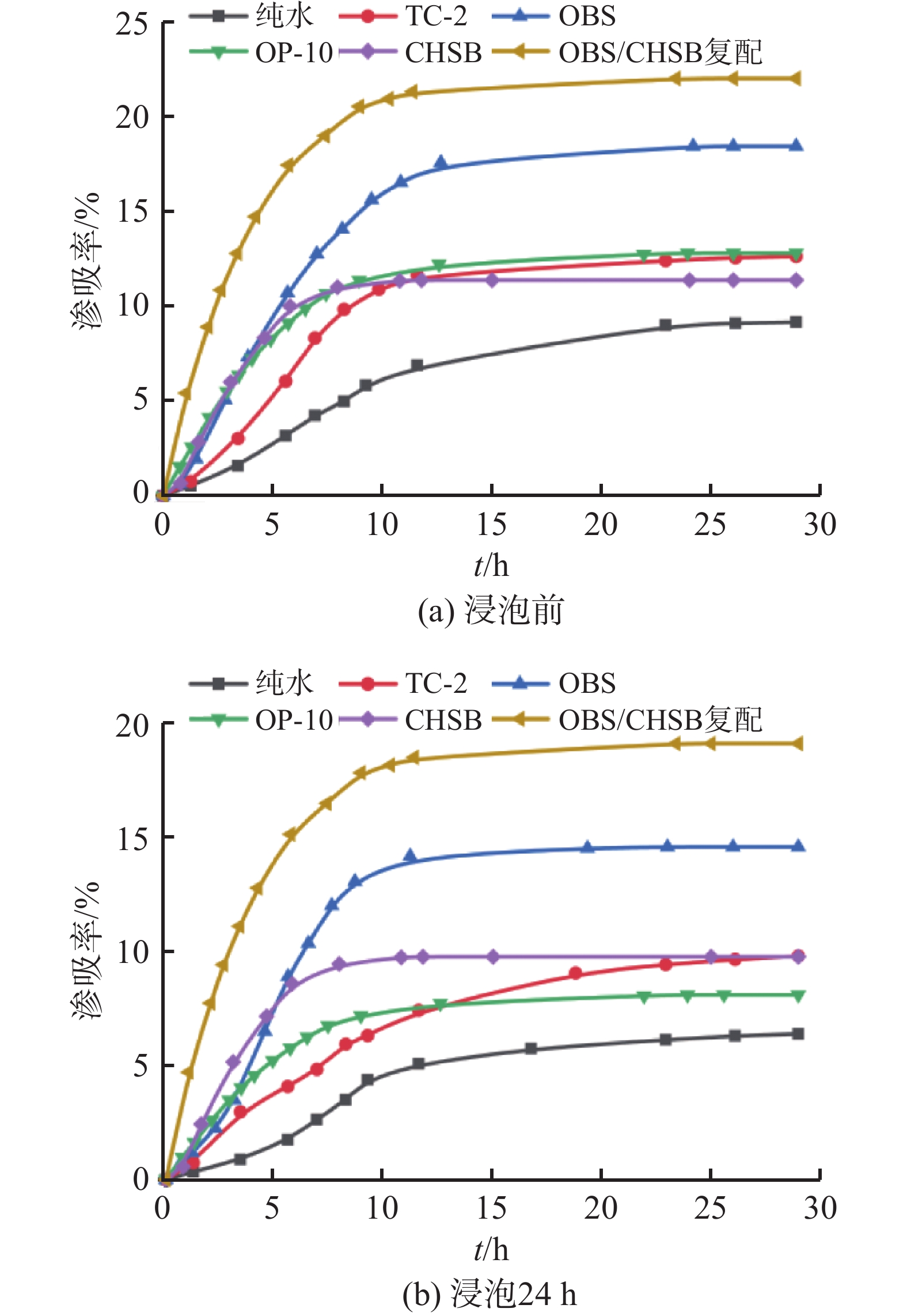
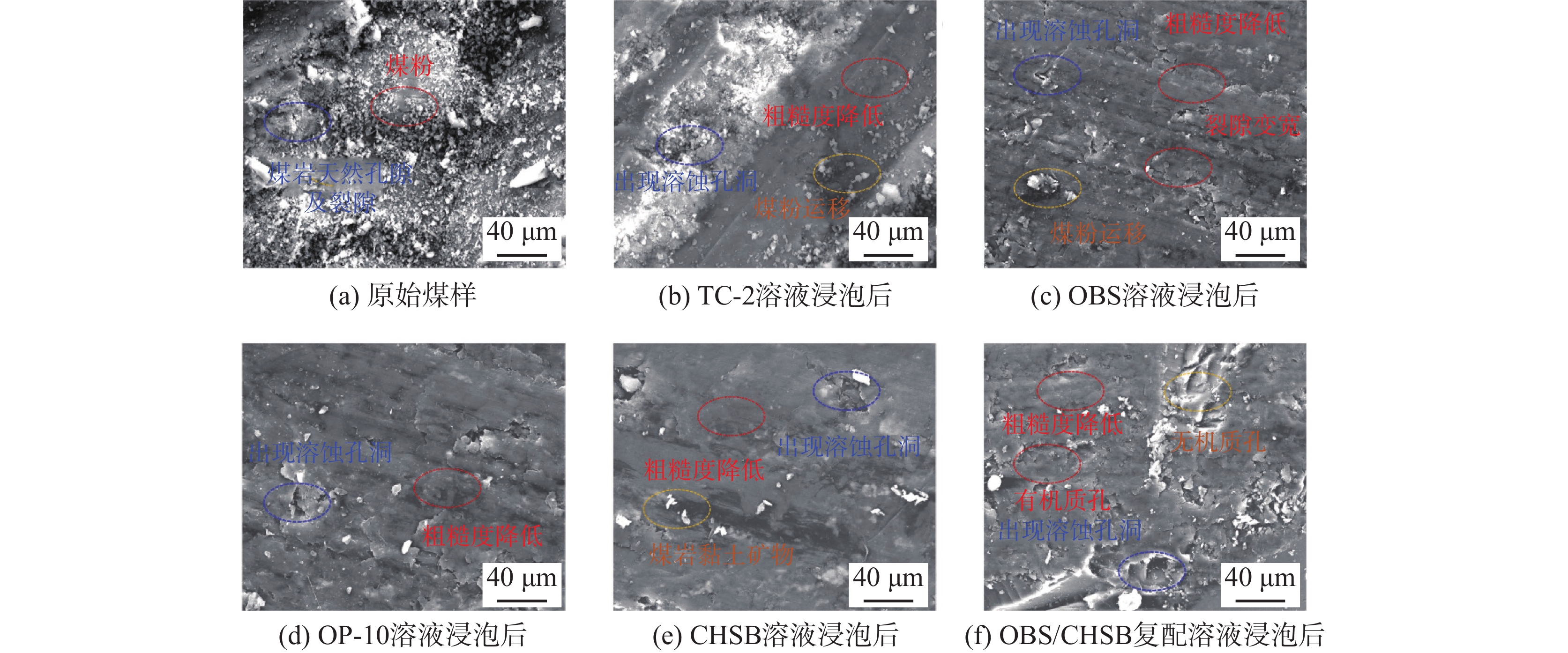
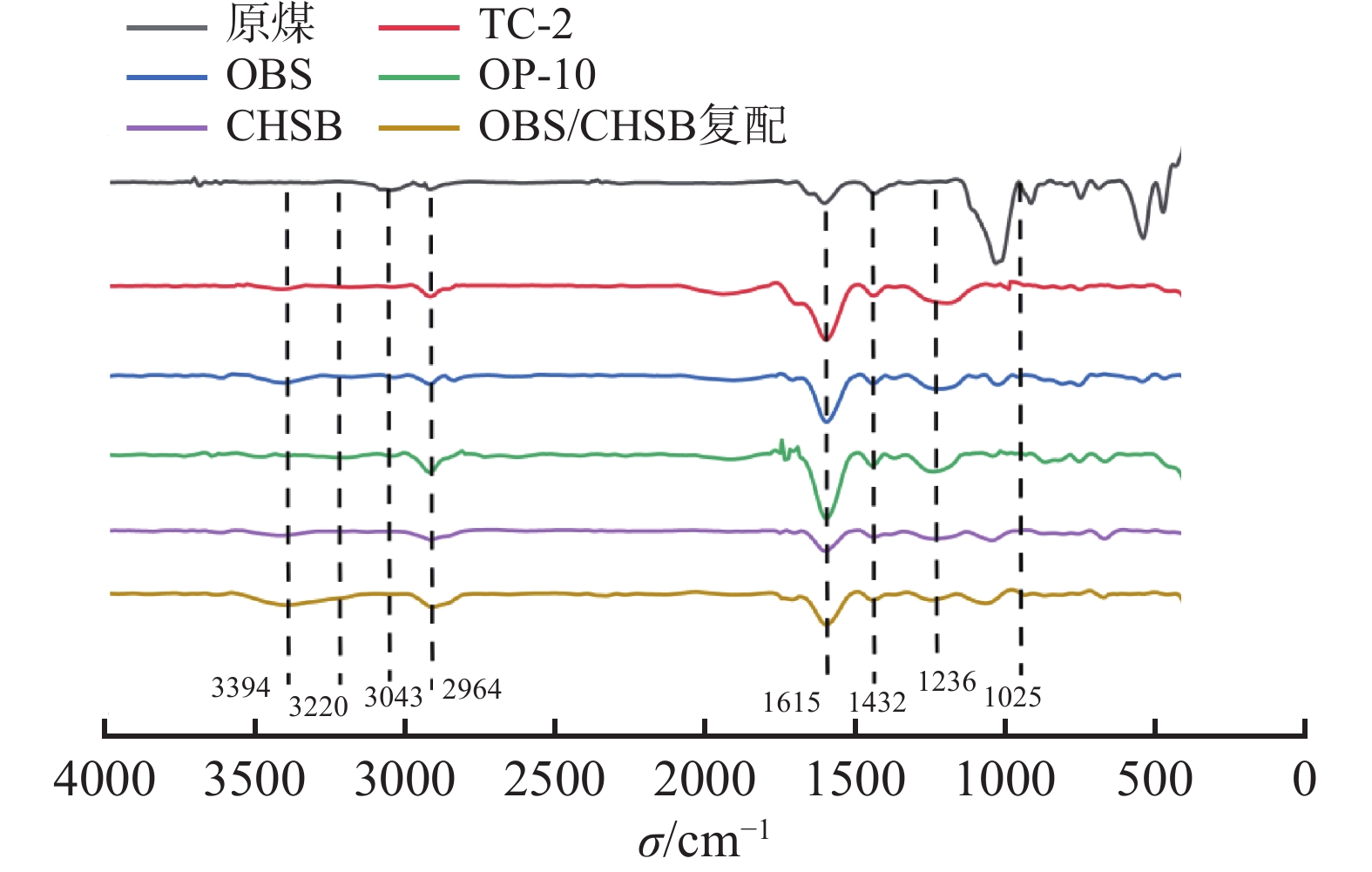
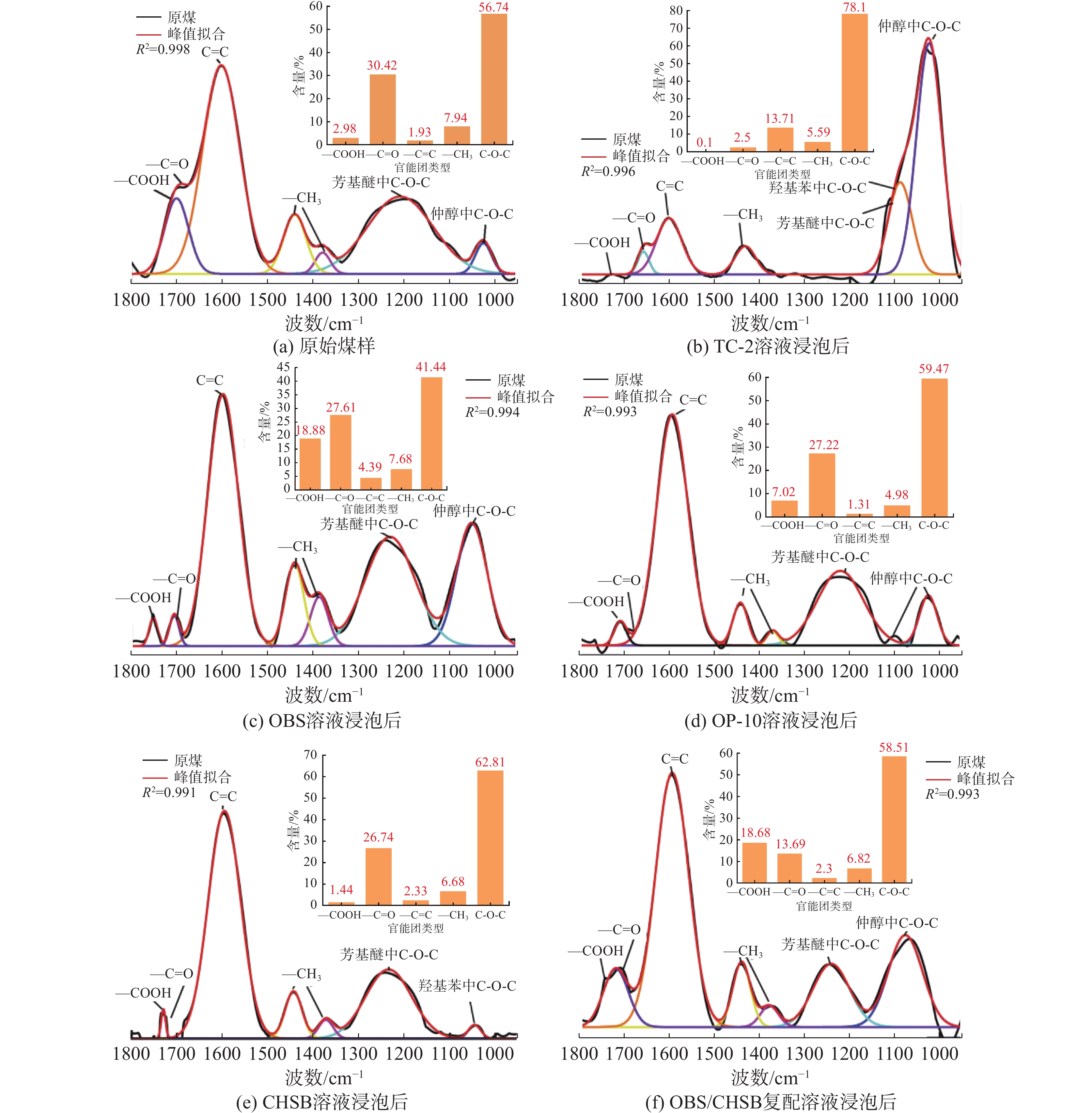
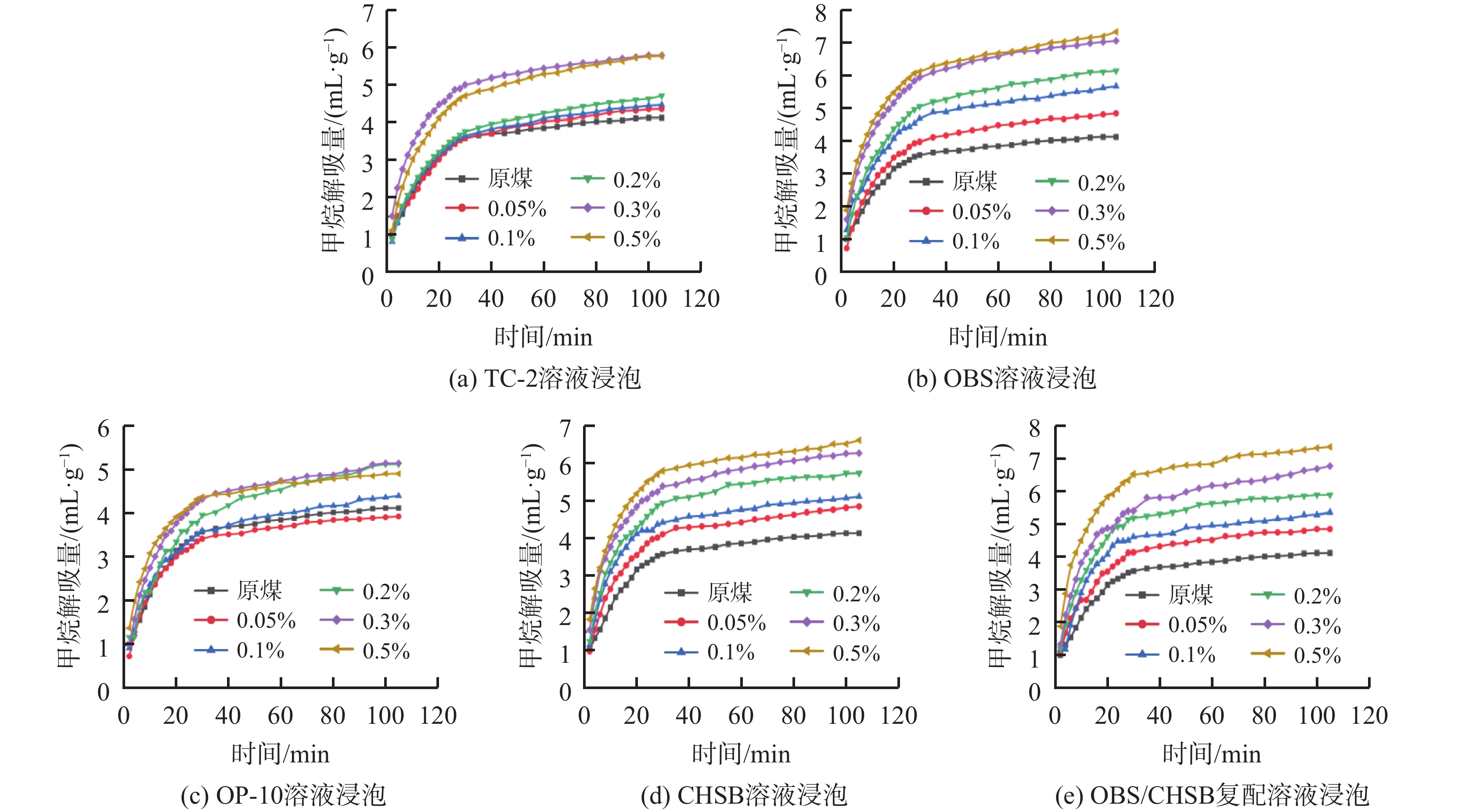
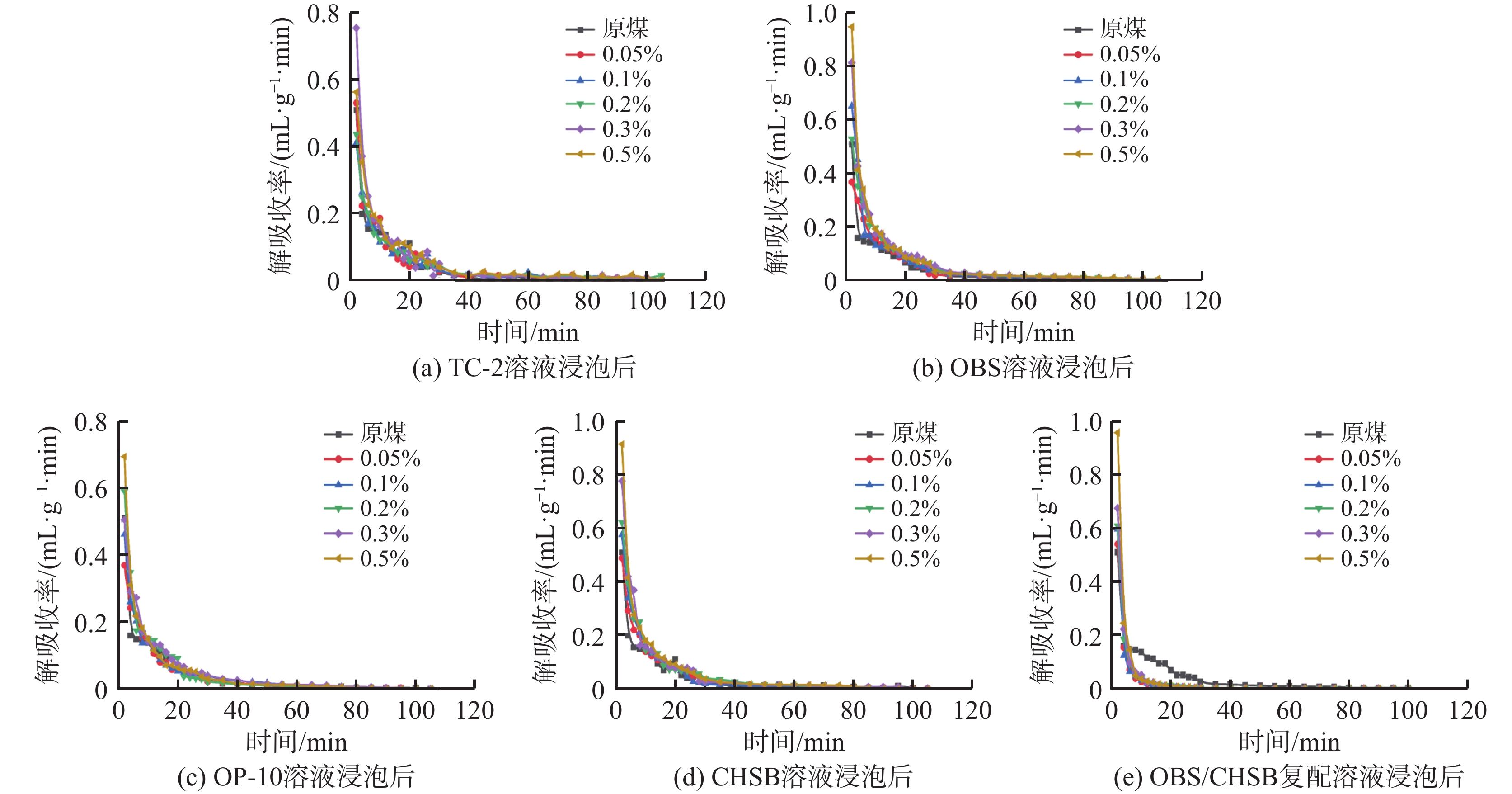
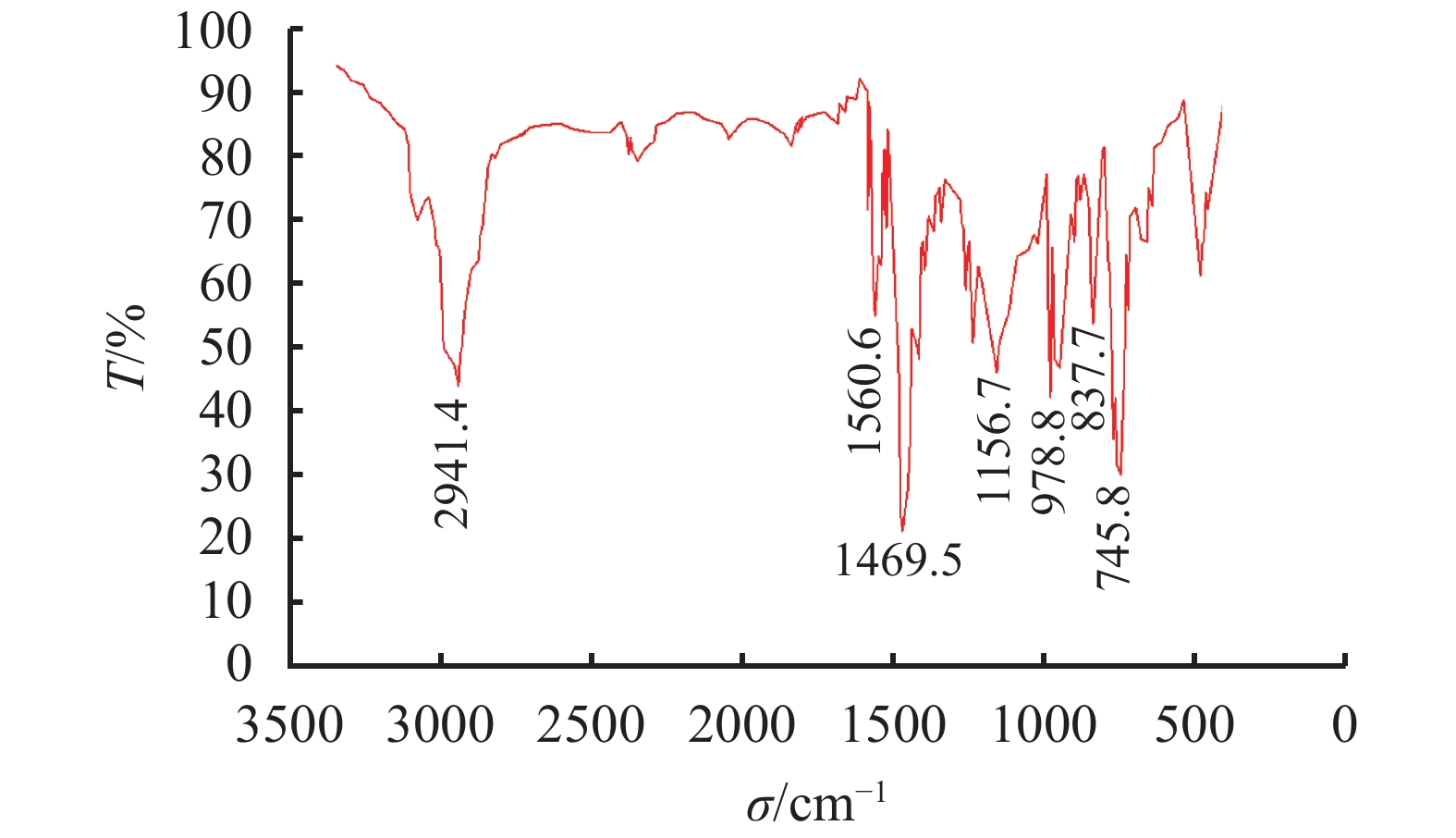
To address the key issue of surfactant-controlled coal wettability and desorption of methane in deep coalbed methane (CBM) development, coal-rock samples were taken from the Benxi Formation of the Erdos Basin to study the pattern of how surfactants, including cationic surfactant (TC-2), anionic surfactant (OBS), nonionic surfactant (OP-10) and zwitterionic surfactant (CHSB), affect the wettability of the coal rocks and the desorption process of methane. It was found in laboratory experiments, including surface tension measurement, contact angle measurement, Zeta potential characterization, imbibition experiment and micromorphology analysis, that the composite surfactant system OBS/CHSB, with their synergistic effect between the ionic surfactant and the zwitterionic surfactant, reduces the surface tension of the solution to 20.95 mN/m, and decreases the initial contact angle of the coal-rocks to 30.764°. This synergistic effect comes from the strong electronegativity of the sulfonic acid groups, which induces the expansion of the double electric layer, forcing the surfactant molecules to have their hydrophilic groups oriented outward. Meanwhile, the betaine groups of the surfactant CHSB reduce the micelle sizes through the charge shielding effect, enhancing the penetration capacity of the solution through the organic matter-clay mineral interface and further inducing the development of secondary solution pores. Fourier transform infrared spectroscopy (FT-IR) analysis further indicated that OBS treatment, through competitive adsorption, significantly increases the content of the carboxylic group (-COOH) on the coal surfaces to 18.88%, while TC-2, through π-π conjugation effect, increases its adsorption capacity on the coal surfaces. Methane desorption experimental results showed that at 0.5% OBS/CHSB composite surfactant treatment, the desorption capacity of methane reaches 7.37 mL/g, a percent increase of 78.5% over the raw coal. The mechanism of this effect can be attributed to the synergistic effect between wettability optimization and pore connectivity enhancement: the former weakens the confinement of capillary force on methane, while the latter forms multi-stage diffusion channels, hence achieving the synchronous improvement of diffusion-seepage dual-mode mass transfer efficiency. In field application, wells fractured with 0.3% desorption accelerator treatment in the fracturing fluids can produce gas in 5 days, with a stable gas production rate maintained at 6.6×10⁴ m3/d. The study confirmed that the composite surfactant system overcomes the contradiction between wettability regulation and pore plugging via the synergistic mechanism of “charge matching-pore reconstruction-mass transfer enhancement,” providing a theoretical basis for the efficient development of deep CBM resources.
YUAN Pu, MU Songtao, WEI Zhenji, et al.Study on interface effect of surfactant/coal composite system and desorption law of methane[J]. Drilling Fluid & Completion Fluid,2026, 43(2):262-271. doi: 10.12358/j.issn.1001-5620.2026.02.015.