



Laboratory Study on Phase Change Microcapsules DM@SiO2 for Drilling Fluids
-
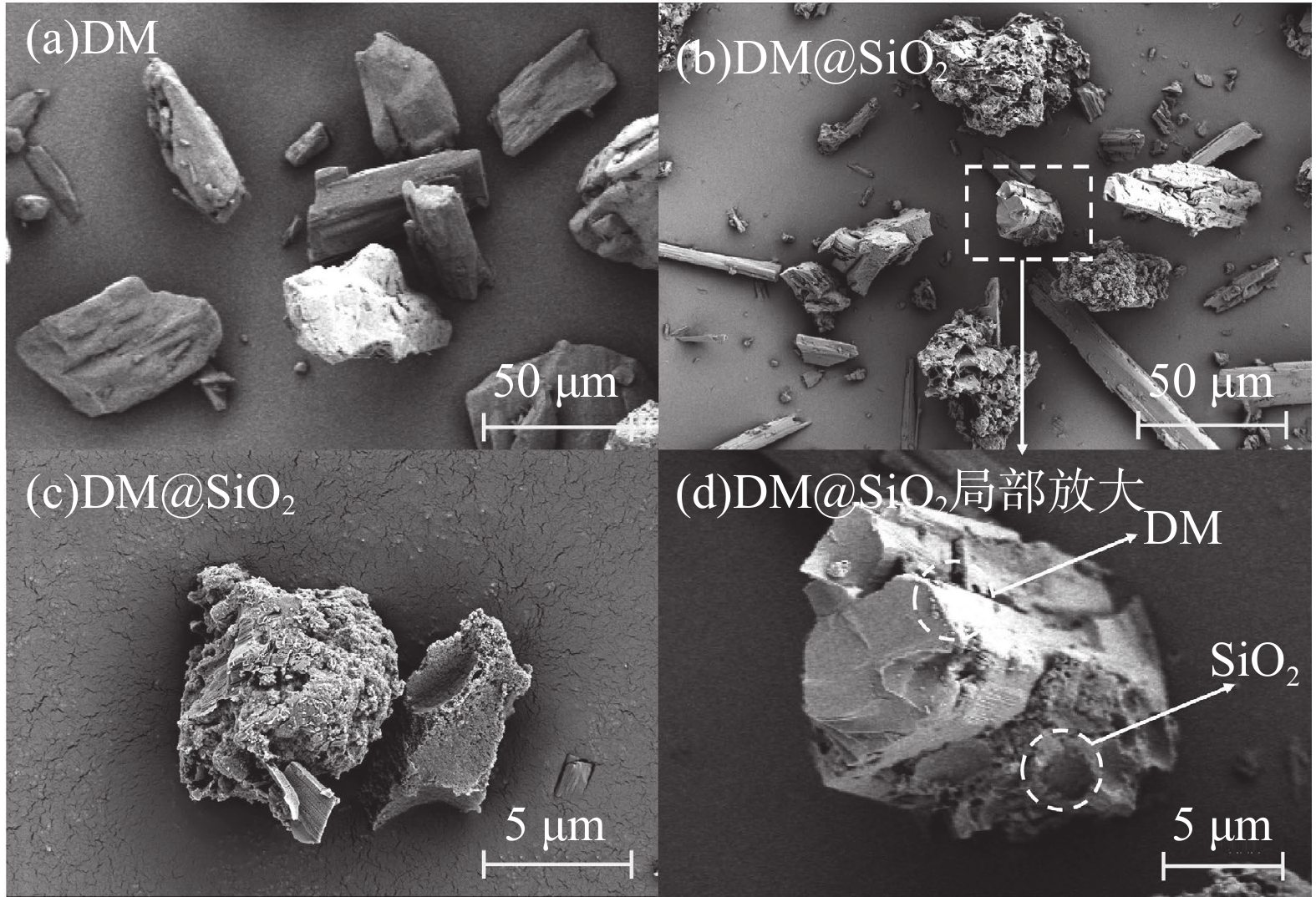
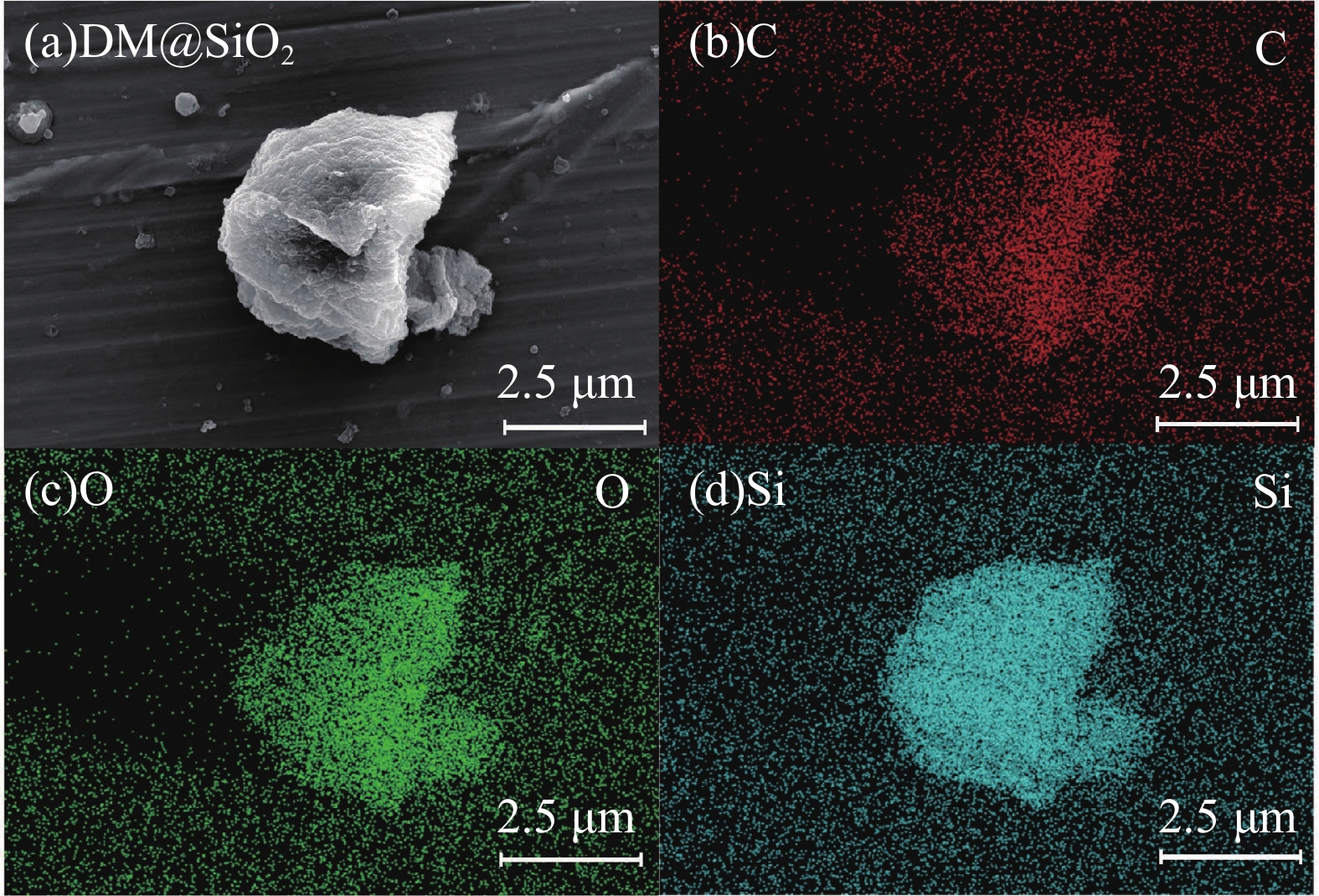
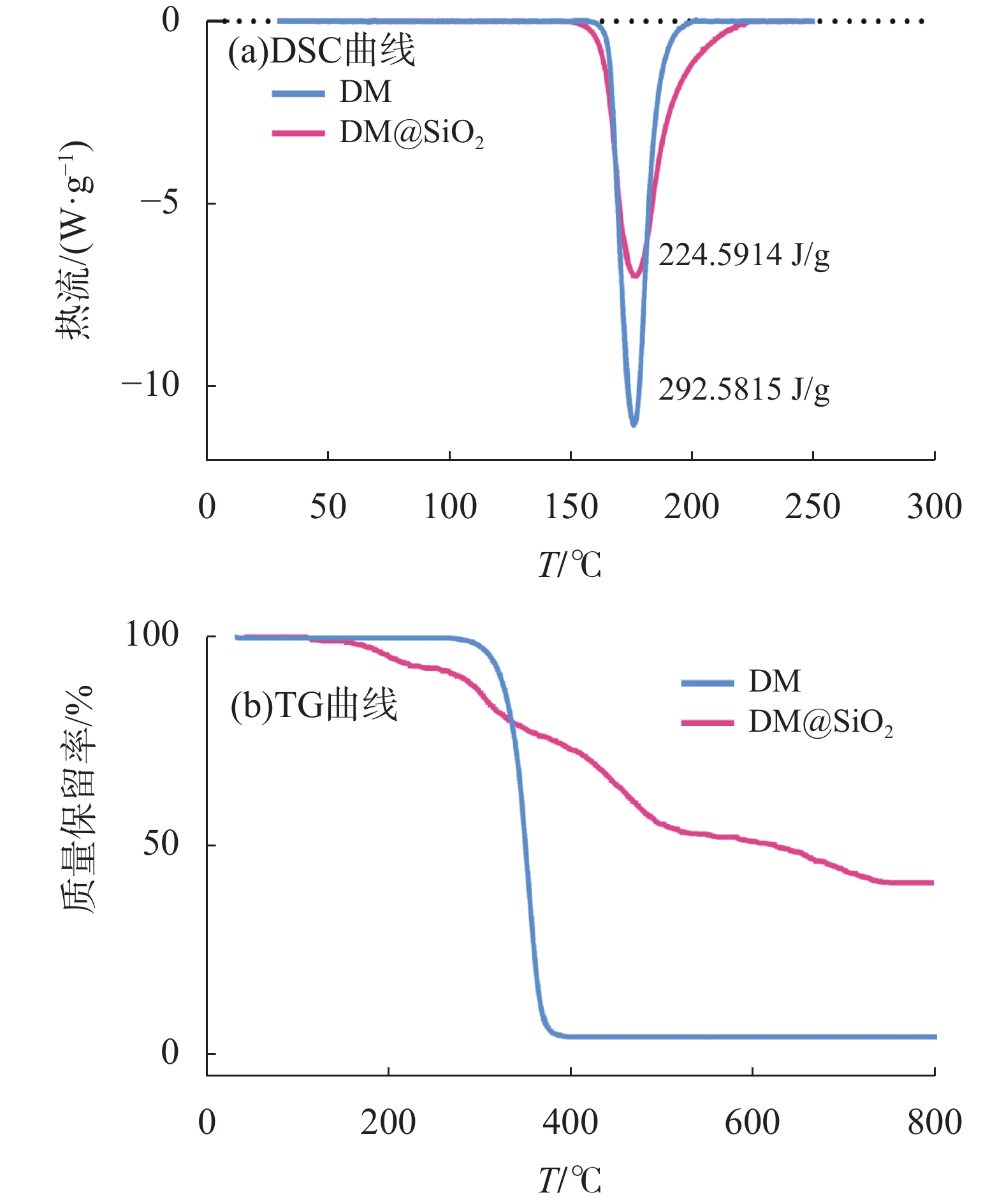
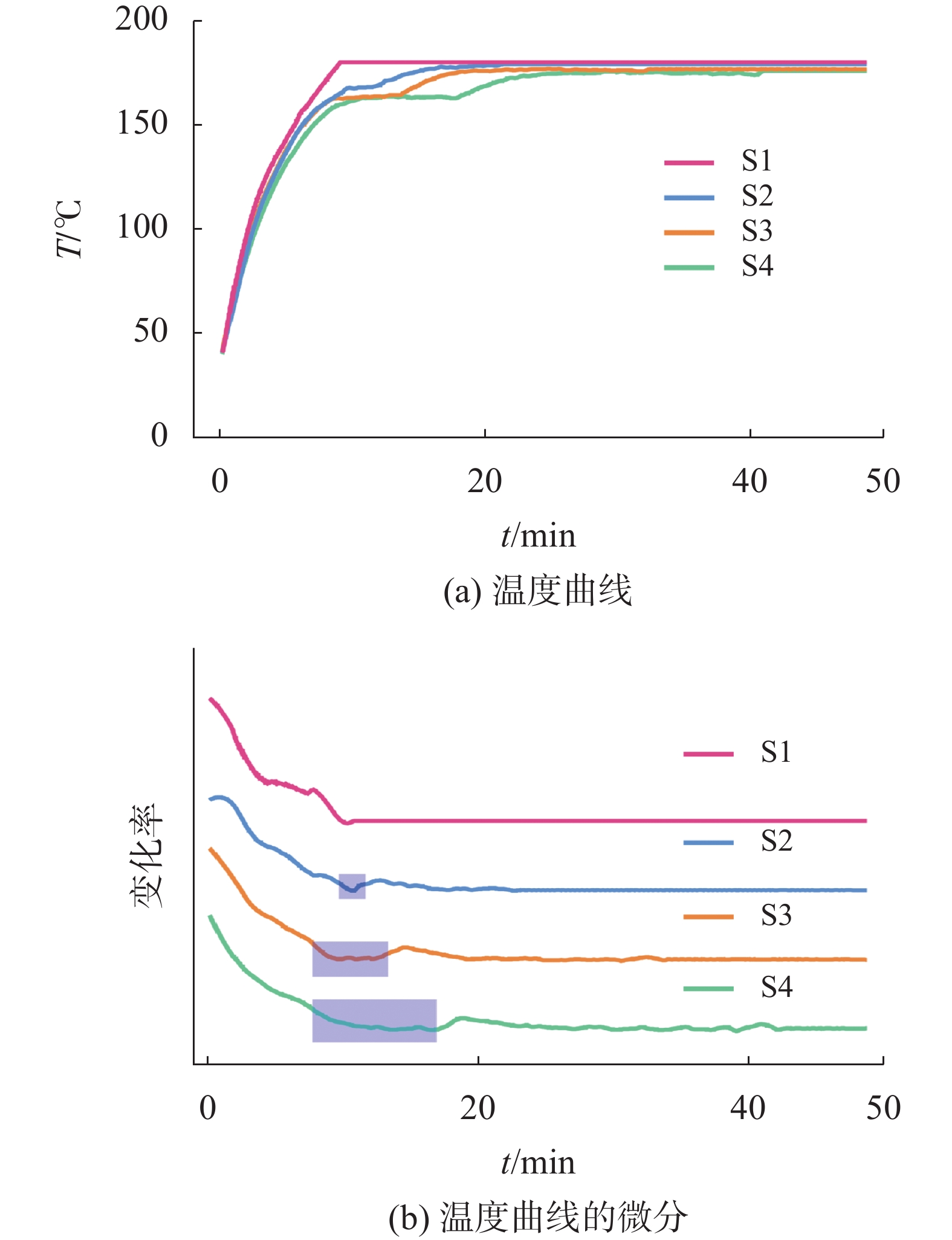
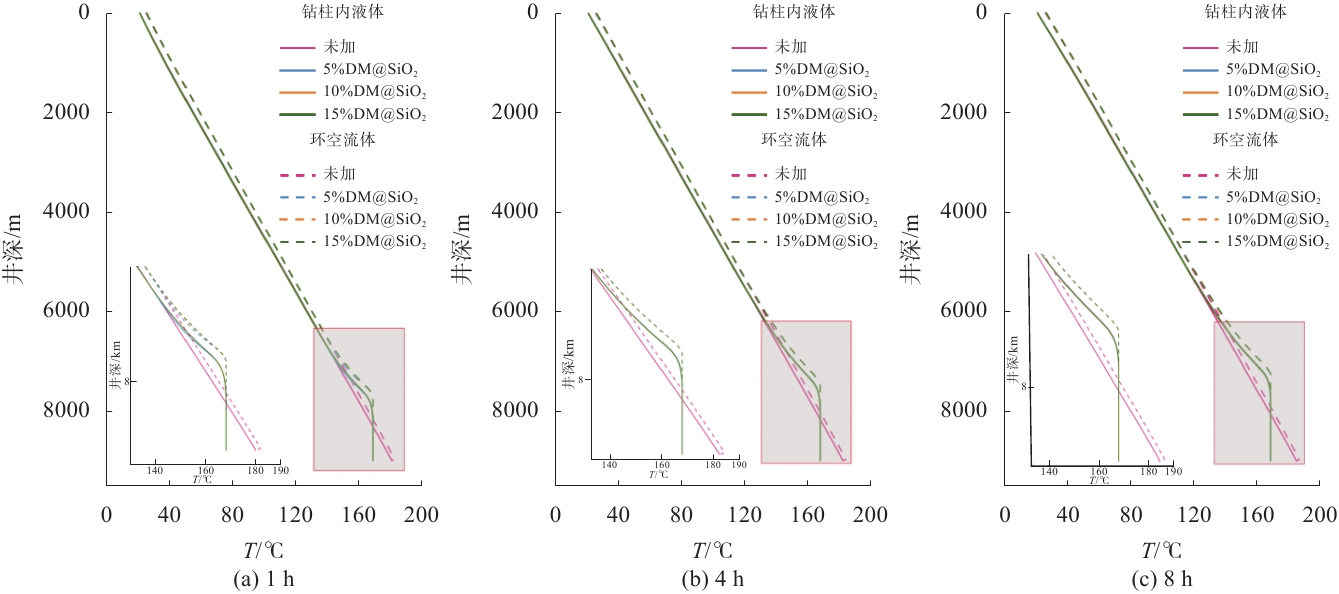
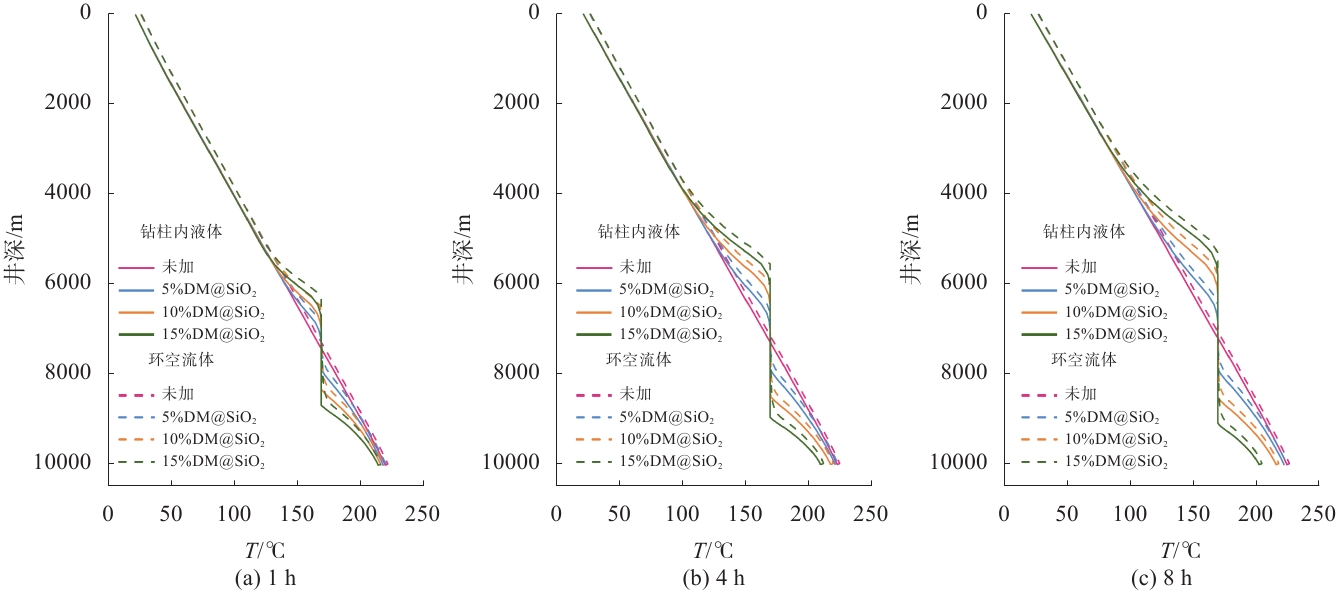
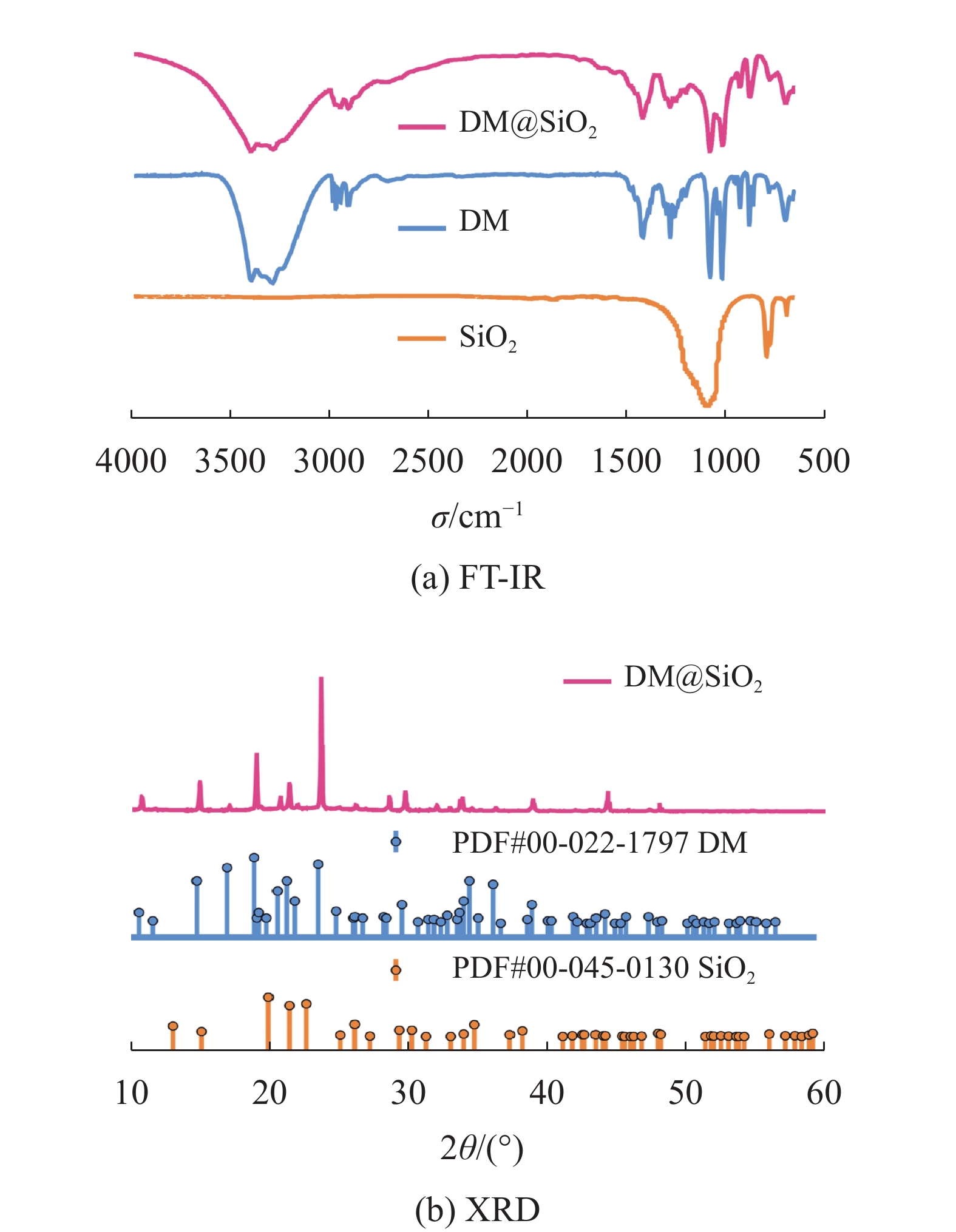
摘要: 为探究相变微胶囊(PCMs)在超深井筒中温度调控的潜力,室内采用溶胶-凝胶法制备了以D-甘露醇(DM)为芯材、SiO2包覆的无机壳层PCMs(DM@SiO2),通过扫描电镜、傅里叶变换红外光谱、X射线衍射及同步热分析等表征手段,系统分析了DM@SiO2的形貌、化学结构、晶型、储热性能、热稳定性,并开展了井筒传热的数值模拟。表征与性能评价结果表明,该DM@SiO2颗粒完整,核壳结构清晰;相变潜热可达224.59 J/g,包封率为76.76%;DM@SiO2在白油钻井液体系中可使升温速率明显延缓,并在相变温度区间形成恒温平台,当加量为10%和15%时,升温速率曲线在相变区间呈现宽阔“凹陷带”,维持时间分别达6 min和10 min;同时表现出良好的热稳定性、抗剪切性、耐碱性及与油基钻井液的配伍性;结果显示,DM@SiO2可在9000 m和10 000 m井深井筒中形成167 ℃的相变恒温带,其中9000 m井的恒温带可延伸至井底,10 000 m井在15%加量时最大可达2869 m,并能显著降低高温段流体温度。综上,DM@SiO2在钻井液循环中用于降低井筒温度方面展现出良好的应用前景。Abstract: To explore the potential of phase change microcapsules (PCMs) in temperature regulation within ultra-deep wellbores, this study successfully prepared PCMs DM@SiO2 with D-mannitol (DM) as the core material and an inorganic shell layer of SiO2 by the sol-gel method. The morphology, chemical structure, crystal form, heat storage performance, and thermal stability of DM@SiO2 were systematically analyzed through scanning electron microscopy (SEM), Fourier transform infrared spectroscopy (FT-IR), X-ray diffraction (XRD), and simultaneous thermal analysis (STA). Additionally, numerical simulations of wellbore heat transfer were conducted. The results indicated that the DM@SiO2 particles were intact with a clear core-shell structure. The phase change latent heat reached 224.59 J/g, and the encapsulation efficiency was 76.76%. Performance evaluations showed that under a high-temperature condition of 180 ℃, at addition amounts of 10% and 15%, DM@SiO2 maintained white oil at 167 ℃ for 6 min and 10 min, respectively, demonstrating a significant cooling delay effect. Meanwhile, it exhibited excellent thermal stability, shear resistance, alkali resistance, and compatibility with oil-based drilling fluids. Numerical simulation results revealed that DM@SiO2 could form a 167 ℃ isothermal phase-change zone at well depths of 9000 m and 10 000 m. In the 9 000 m well, this isothermal zone extended to the bottom hole. For the 10 000 m well, the maximum length of the isothermal zone reached 2.869 km at DM@SiO2 addition amount of 15%. DM@SiO2 could also significantly reduce the fluid temperature in the high-temperature section. DM@SiO2 holds promising application prospects for lowering wellbore temperatures during drilling fluid circulation.
-
Key words:
- Ultra-deep wells /
- Drilling fluid /
- Phase change microcapsule /
- Latent heat /
- Encapsulation efficiency
-
[1] 孙金声, 杨景斌, 吕开河, 等. 深层超深层钻井技术研究现状与展望[J]. 新疆石油天然气, 2025, 21(2): 1-14. doi: 10.12388/j.issn.1673-2677.2025.02.001Sun Jinsheng, Yang Jingbin, Lyu Kaihe, et al. Current status and prospects of deep and ultra deep drilling technology research[J]. Xinjiang Oil & Gas, 2025, 21(2): 1-14. doi: 10.12388/j.issn.1673-2677.2025.02.001 [2] 刘锋报, 尹达, 罗绪武, 等. 万米特深井抗超高温水基钻井液技术[J]. 石油勘探与开发, 2026, 53(1): 190-200.Liu Fengbao, Yin Da, Luo Xuwu, et al. Ultra-high-temperature resistant water-based drilling fluid technology for ten-kilometer ultra-deep wells[J]. Petroleum Exploration and Development, 2026, 53(1): 190-200. [3] 罗平亚, 李道雄, 白杨, 等. 深层超深层井壁稳定钻井液技术研究进展与展望[J]. 深地能源科技, 2025, 1(3): 1-12.Luo Pingya, Li Daoxiong, Bai Yang, et al. Research progress and prospects of stable drilling fluid technology for deep and ultra deep wellbore[J]. Deep Earth Energy Science & Technology, 2025, 1(3): 1-12. [4] 谢春林, 杨丽丽, 蒋官澄, 等. 高温高压耦合条件下油基钻井液的流变特性规律及其数学模型[J]. 钻井液与完井液, 2021, 38(5): 568-575.Xie Chunlin, Yang Lili, Jiang Guancheng, et al. Rheological characteristics of oil base drilling fluids and its mathematical model under coupled HTHP conditions[J]. Drilling Fluid & Completion Fluid, 2021, 38(5): 568-575. [5] Luo Y H, Lin L, Luo P Y, et al. Polymer nanocomposite ADA@SM as a high-temperature filtrate reducer for water-based drilling fluids and its filtration loss mechanism[J]. Colloids and Surfaces A: Physicochemical and Engineering Aspects, 2023, 672: 131701. doi: 10.1016/j.colsurfa.2023.131701 [6] Wang H H, Zou C J. β-Cyclodextrin modified TiO2 nanofluids to improve the stability and thermal conductivity of oil-based drilling fluids[J]. Colloids and Surfaces A: Physicochemical and Engineering Aspects, 2023, 661: 130957. doi: 10.1016/j.colsurfa.2023.130957 [7] 马洁, 张尧, 李辉, 等. 钻井液降温用相变材料的研究进展[J]. 钻井液与完井液, 2025, 42(5): 567-574.Ma Jie, Zhang Yao, Li Hui, et al. Research progress on phase change materials for cooling drilling fluids[J]. Drilling Fluid & Completion Fluid, 2025, 42(5): 567-574. [8] Liu Y F, Lv Z S, Zhou J Z, et al. Muscle-inspired formable wood-based phase change materials[J]. Advanced Materials, 2024, 36(39): 2406915. doi: 10.1002/adma.202406915 [9] Lu L C, He H S, Guo H X, et al. Multifunctional and flexible phase change composites for dual-mode thermal management of lithium-ion batteries[J]. Advanced Science, 2025, 12(40): e08314. doi: 10.1002/advs.202508314 [10] Zare M, Mikkonen K S. Phase change materials for life science applications[J]. Advanced Functional Materials, 2023, 33(12): 2213455. doi: 10.1002/adfm.202213455 [11] Su J L, Li S H, Tan Y. Performance evaluation and feasibility analysis of new phase change microcapsules in drilling fluid cooling[J]. Colloids and Surfaces A: Physicochemical and Engineering Aspects, 2025, 722: 137253. doi: 10.1016/j.colsurfa.2025.137253 [12] Zhao X, Geng Q, Zhang Z, et al. Phase change material microcapsules for smart temperature regulation of drilling fluids for gas hydrate reservoirs[J]. Energy, 2023, 263: 125715. doi: 10.1016/j.energy.2022.125715 [13] Guo J X, Wang J T, Liao B, et al. Hydrate decomposition inhibitors by phase change cooling storage based on an electrostatic spraying method[J]. Energy & Fuels, 2024, 38(14): 12978-12988. doi: 10.1021/acs.energyfuels.4c02093 [14] Zhang Q, Li Y F, Wang Y, et al. Synthesis of size-controllable erythritol@TiO2 phase change microcapsules and application in cooling of high-temperature drilling fluids[J]. Journal of Energy Storage, 2025, 112: 115294. doi: 10.1016/j.est.2025.115294 [15] Guo P F, Qiu Z S, Zhang Y B, et al. Preparation and characterization of phase change microcapsules for improving the applicable temperature and stability of high temperature resistant drilling fluids[J]. Chemical Engineering Research and Design, 2024, 201: 389-398. doi: 10.1016/j.cherd.2023.11.054 [16] Liu H, Cai X X, Li W, et al. Flame-retardant ladder-like polysilsesquioxane composites enabled by dual crosslinking and functional nano-filler integration[J]. Chemical Engineering Journal, 2025, 525: 170420. doi: 10.1016/j.cej.2025.170420 [17] Nickisch R, Conen P, Meier M A R. Polythio-semicarbazones by condensation of dithiosemicarbazides and dialdehydes[J]. Macromolecules, 2022, 55(8): 3267-3275. doi: 10.1021/acs.macromol.2c00409 [18] 刘政, 李俊材, 徐新纽. 超高密度油基钻井液加重剂评价及现场应用[J]. 钻井液与完井液, 2020, 37(6): 715-720. doi: 10.3969/j.issn.1001-5620.2020.06.006Liu Zheng, Li Juncai, Xu Xinniu. Evaluation and field application of weighting agents for ultra-high density oil base drilling fluids[J]. Drilling Fluid & Completion Fluid, 2020, 37(6): 715-720. doi: 10.3969/j.issn.1001-5620.2020.06.006 [19] Chen W Z, Zhang Y P, Chen H, et al. Development of a pure certified reference material of D-Mannitol[J]. Molecules, 2023, 28(19): 6794. doi: 10.3390/molecules28196794 [20] Jeevanandham S, Maji A, Acharya A, et al. Ligand-shell cooperativity in a bilayer silica-sandwiched mixed-metals nanocatalyst design for absolute selectivity switch[J]. ACS Nano, 2025, 19(6): 6142-6151. doi: 10.1021/acsnano.4c13927 [21] Zhang H R, Su Y N, Liao M L, et al. Thermal management of drilling fluids with phase change materials in ultra-high temperature wells[J]. Applied Thermal Engineering, 2025, 274, Part A: 126601. [22] Yao X Z, Song X Z, Zhou M M, et al. A modified heat transfer model for predicting wellbore temperature in ultra-deep drilling with insulated drill pipe[J]. Energy, 2025, 331: 136981. doi: 10.1016/j.energy.2025.136981 [23] Wang C, Liu H, Yu G W, et al. Wellbore-heat-transfer-model-based optimization and control for cooling downhole drilling fluid[J]. Petroleum Science, 2024, 21(3): 1955-1968. doi: 10.1016/j.petsci.2023.11.025 [24] 王中华. 国内钻井液研究应用现状、存在问题与发展建议[J]. 钻井液与完井液, 2025, 42(4): 425-441.Wang Zhonghua.Research and application status, existing problems and development suggestions of drilling fluid in China[J]. Drilling Fluid & Completion Fluid, 2025, 42(4): 425-441. [25] Mao L J, Wei C J, Jia H, et al. Prediction model of drilling wellbore temperature considering bit heat generation and variation of mud thermophysical parameters[J]. Energy, 2023, 284: 129341. doi: 10.1016/j.energy.2023.129341 [26] Chen X, Wang S W, He M, et al. A comprehensive prediction model of drilling wellbore temperature variation mechanism under deepwater high temperature and high pressure[J]. Ocean Engineering, 2024, 296: 117063. doi: 10.1016/j.oceaneng.2024.117063 [27] 司西强, 王中华. 近油基钻井液体系研究与应用[J]. 钻井液与完井液, 2026, 43(3): 310-323.Si Xiqiang, Wang Zhonghua.Research on and application of near-oil-based drilling fluid system[J]. Drilling Fluid & Completion Fluid, 2026, 43(3): 310-323. -

 下载:
 点击查看大图
图(11)
计量
- 文章访问数: 39
- HTML全文浏览量: 14
- PDF下载量: 4
- 被引次数: 0
