



Preparation and Performance Evaluation of a High Performance Salt Resistant Emulsion Drag Reducer for Shale Oil Formation Fracturing
-
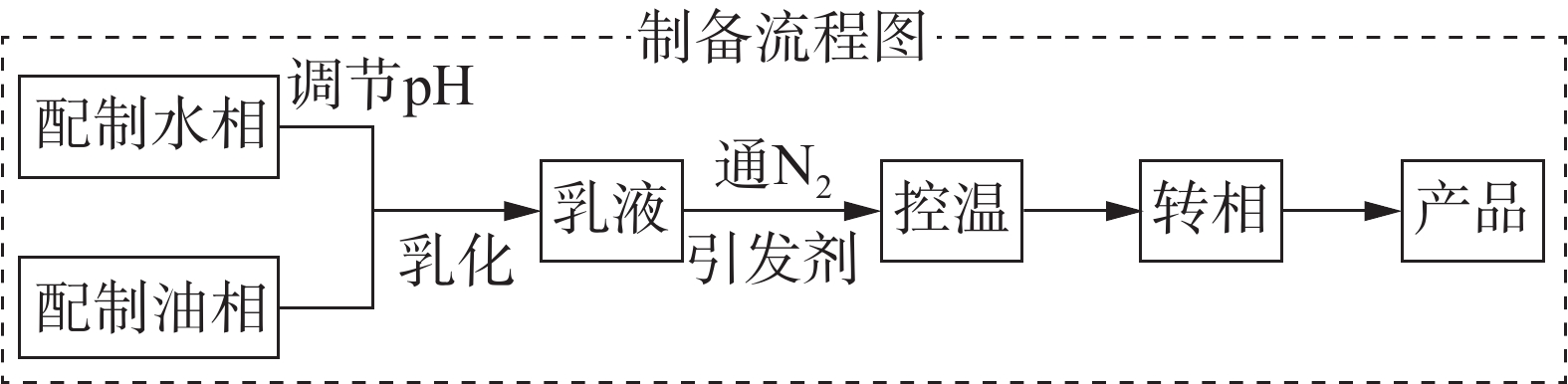
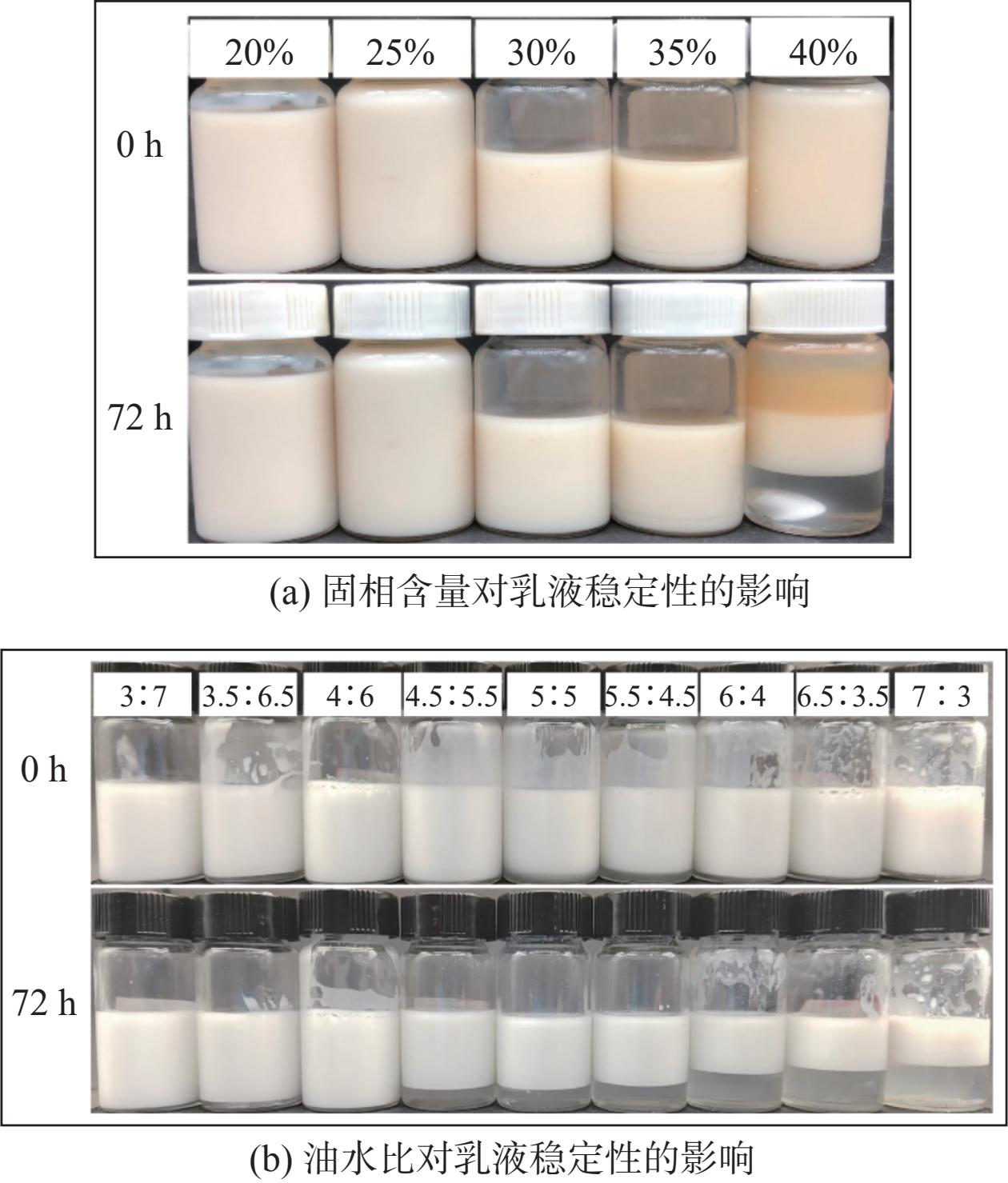
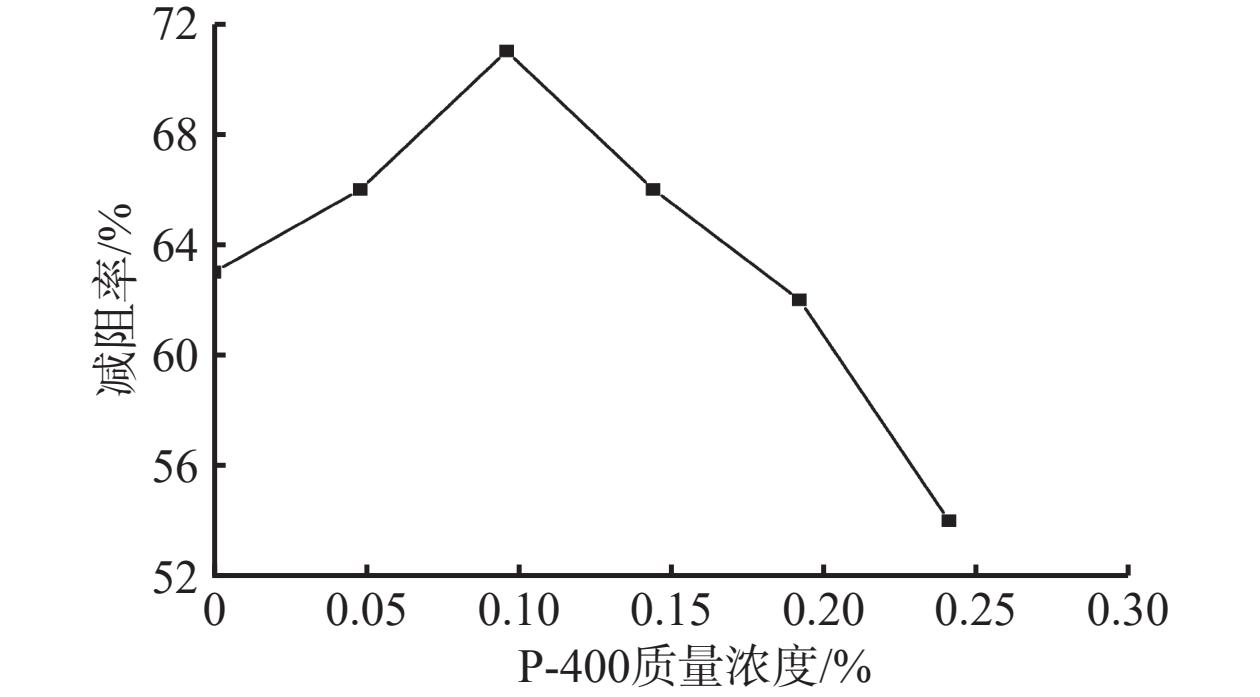
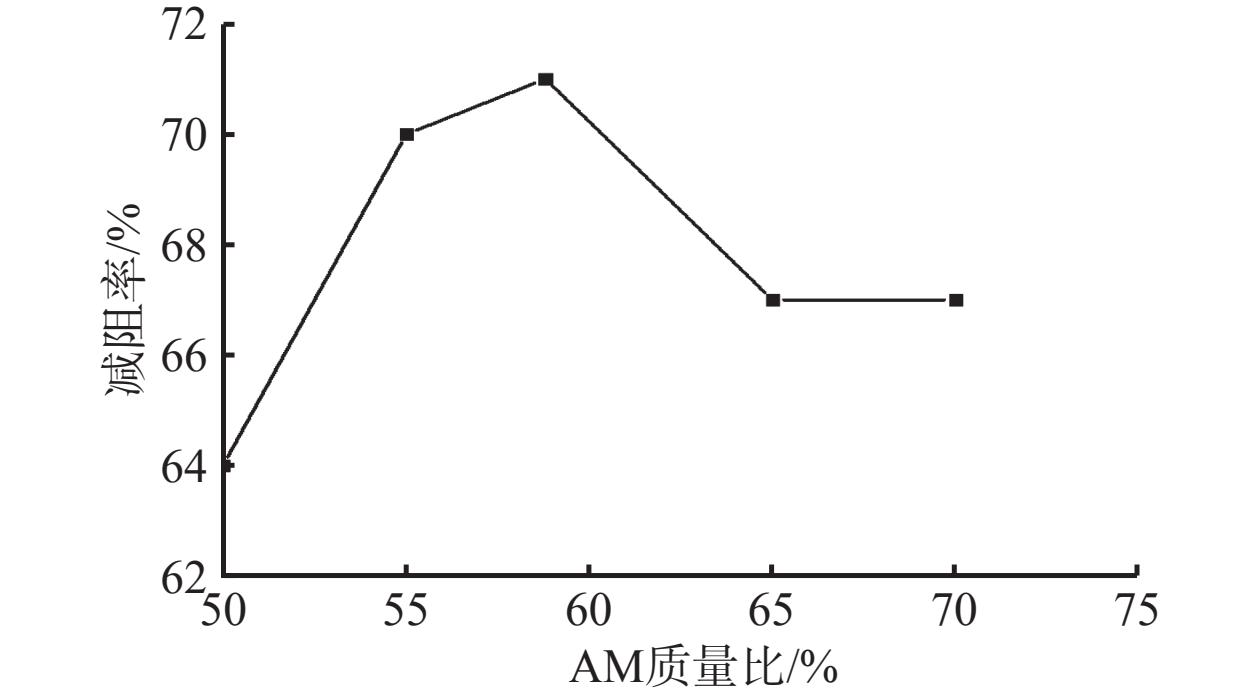
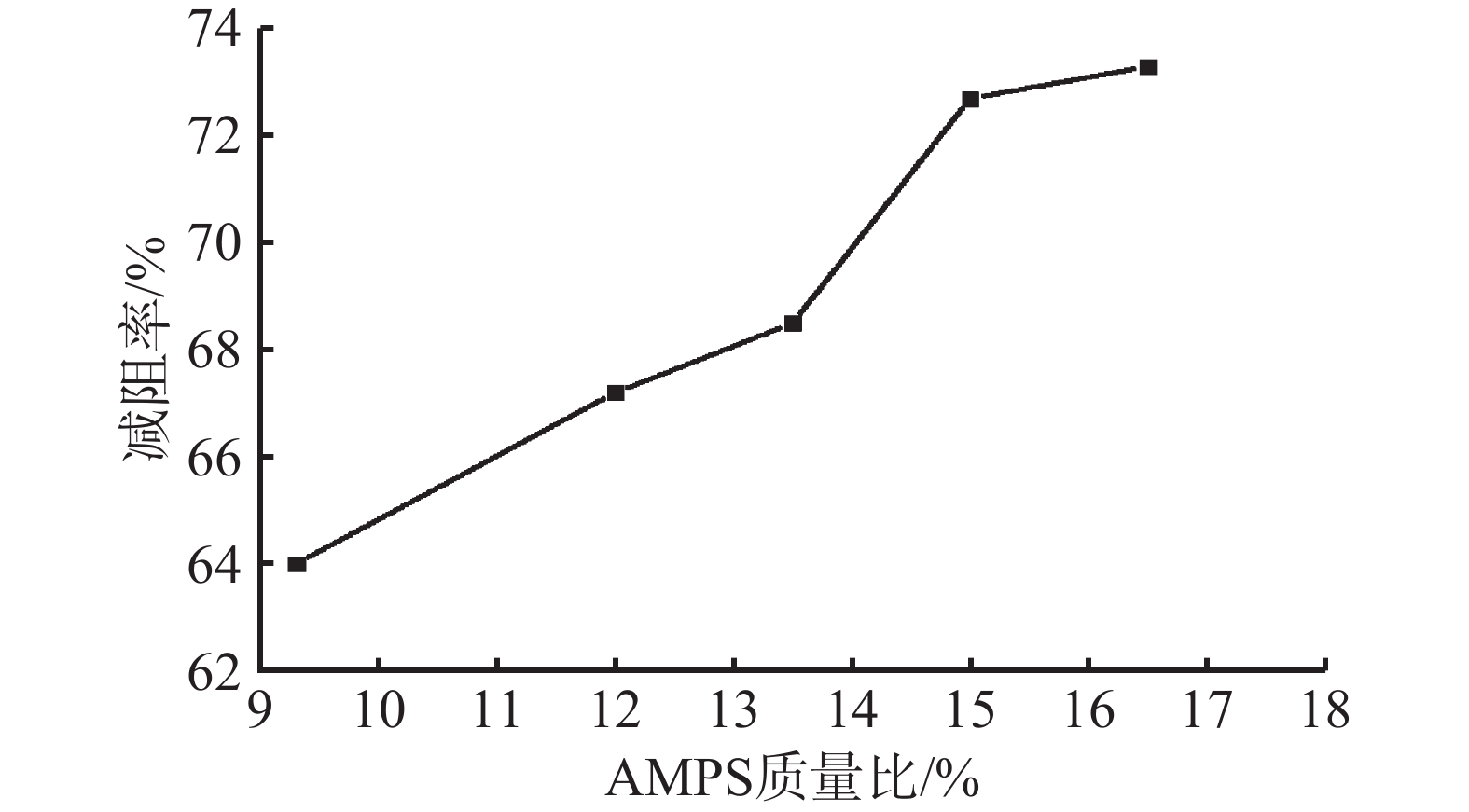
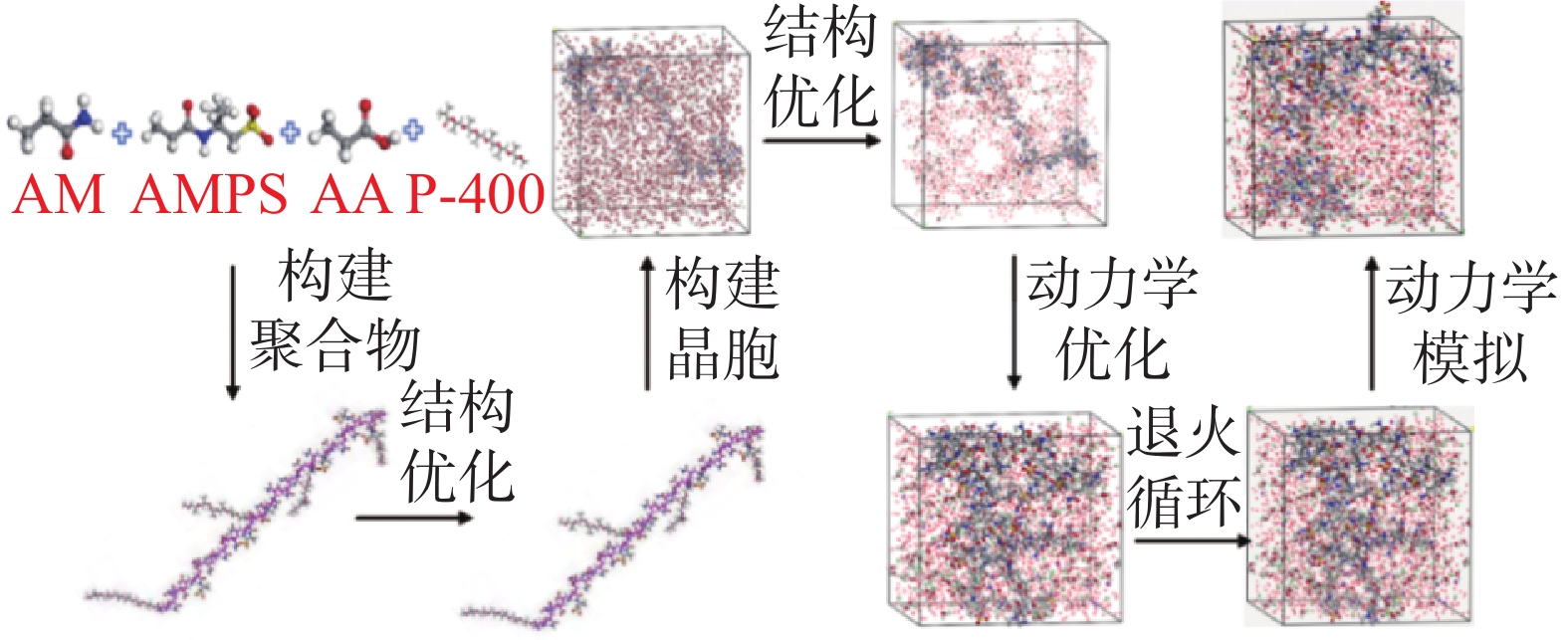
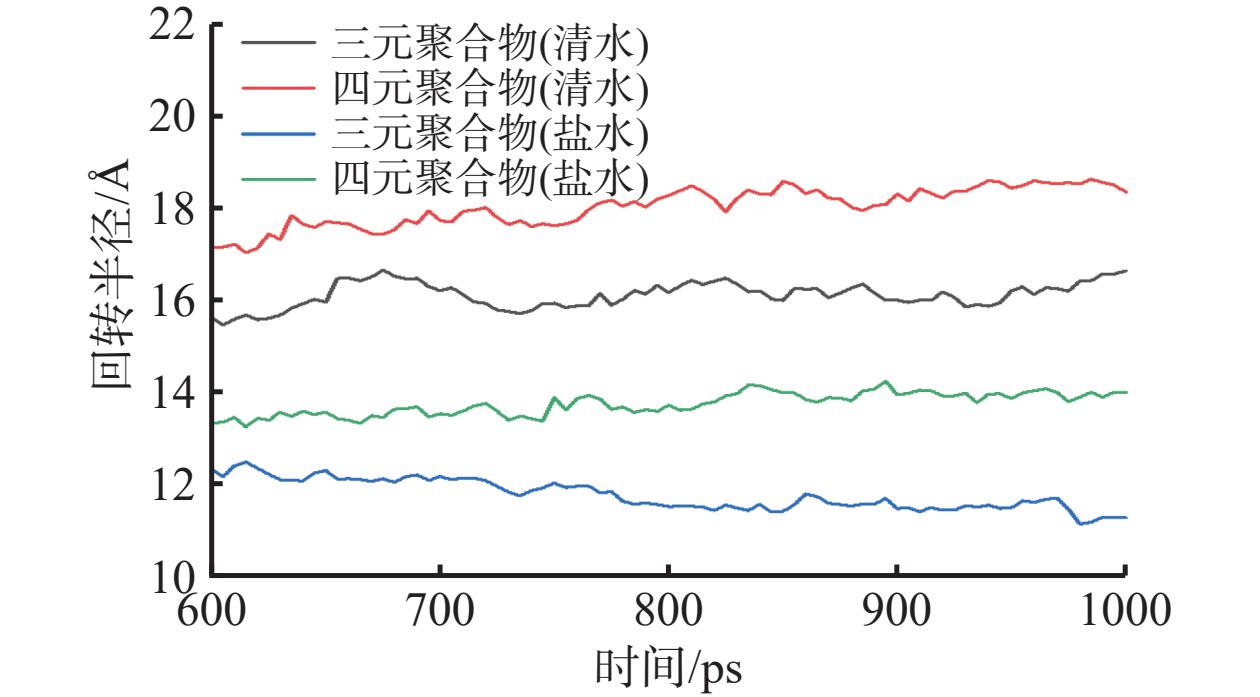
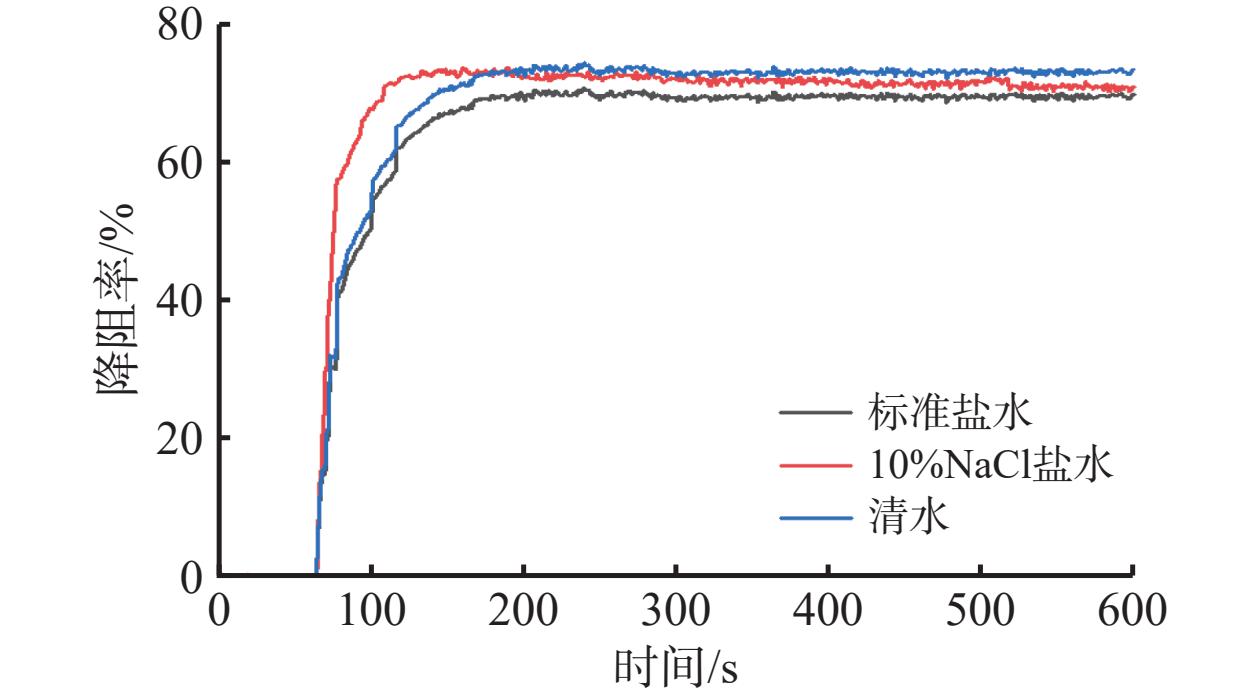
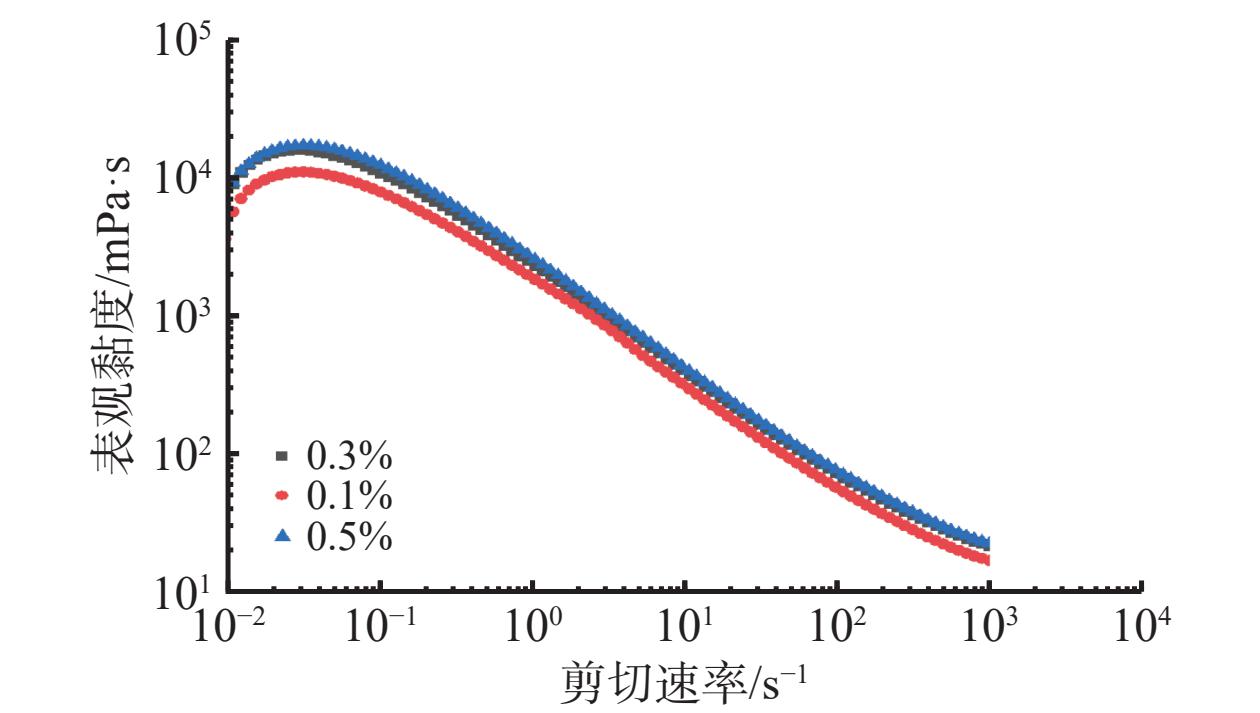
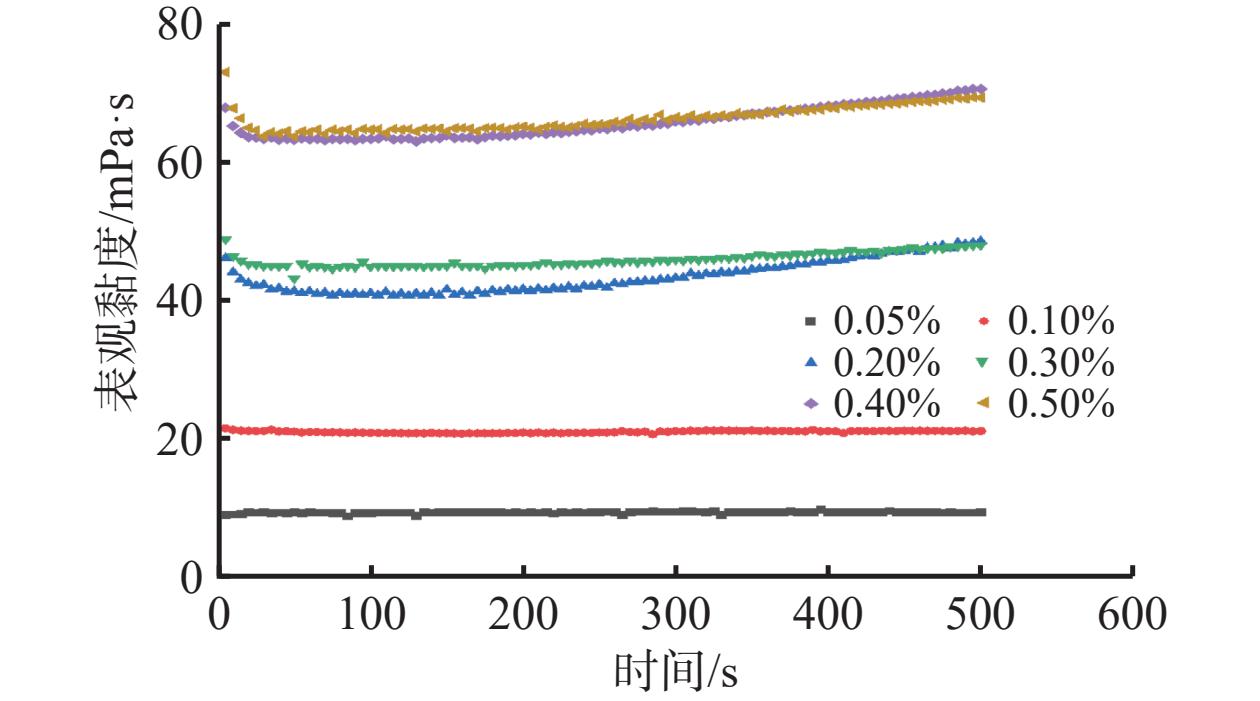
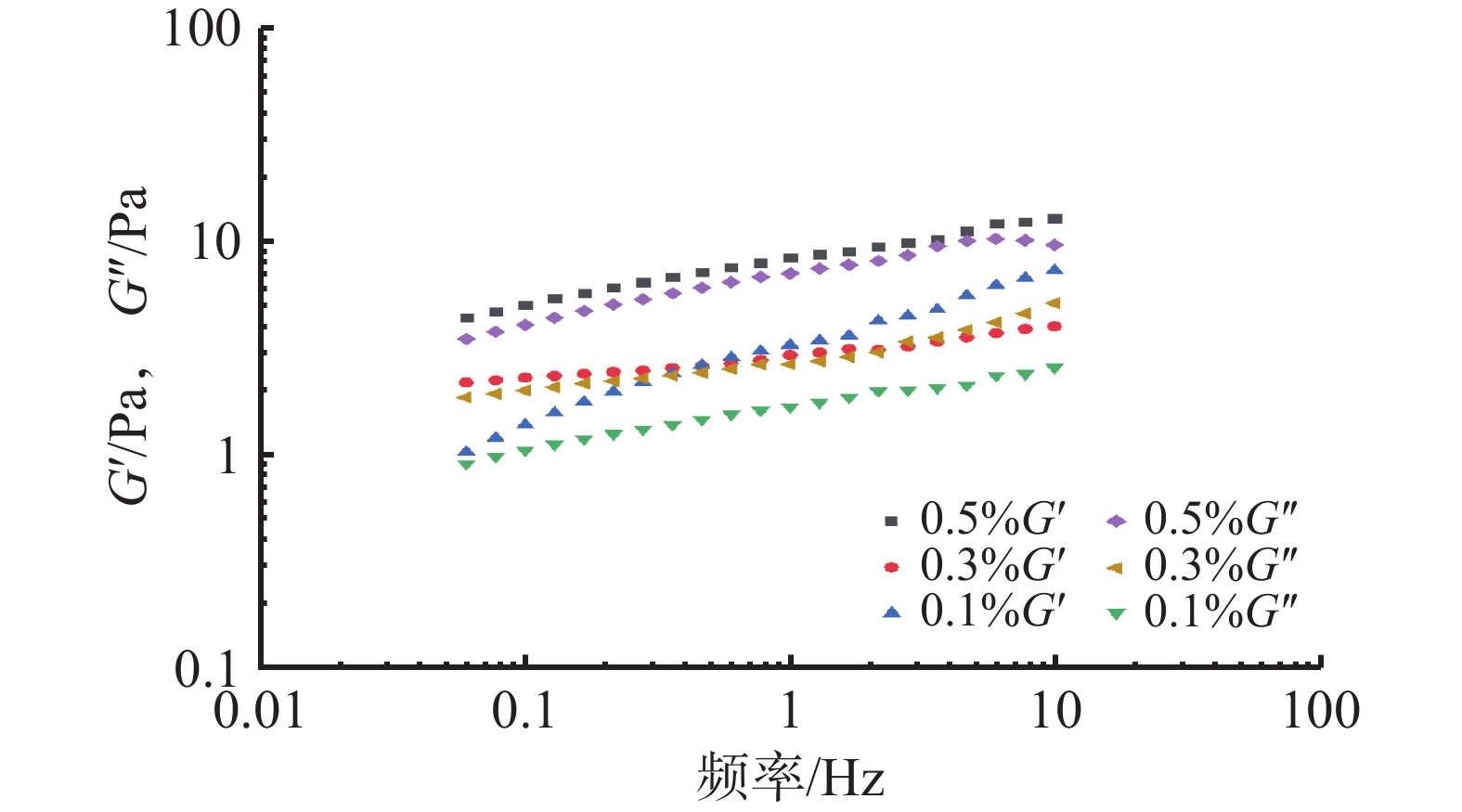
摘要: 常规页岩压裂液以高矿化度的返排水配制,而目前常规聚丙烯酰胺乳液减阻剂因耐盐差难以满足现场需求。针对常规聚丙烯酰胺乳液减阻剂耐盐性差的问题,文章将含有嵌段结构的疏水功能单体P-400,与丙烯酰胺(AM)、丙烯酸(AA)和2-丙烯酰胺基-2-甲基丙磺酸(AMPS)为共聚单体进行反相乳液聚合。通过对固含量、油水比、疏水功能单体浓度、AM浓度、AMPS浓度等合成条件进行优化,得到高效的耐盐乳液型减阻剂RP-400。研究表明,当固相含量为35%,油水比为3∶7,疏水功能单体浓度为0.1%,AM的浓度为58.8%,AMPS浓度为15%时,合成的耐盐乳液型减阻剂性能最佳。该减阻剂浓度为0.05%时,在清水中降阻率达到78%,在10%NaCl盐水与标准盐水中,降租率分别保持在72%和70%。通过分子动力学模拟从微观尺度证实了嵌段功能单体的引入对减阻剂减阻性能与抗盐性能的增效效果与机理。另外,流变性测试表明该减阻剂是典型的假塑性流体,具备优异的黏弹性与耐剪切性,可作为页岩油压裂用的高效乳液型减阻剂,因此,该耐盐乳液型减阻剂在页岩油气的开采中具有潜在的价值。Abstract: Conventional fracturing fluids for shale fracturing are formulated with high-salinity flow-back waters, and the conventional polyacrylamide (PAM) emulsion drag reducer cannot meet the requirements of field operations because of its poor salt tolerance. To address this problem, a high-performance salt-resistant emulsion drag reducer was developed using hydrophobic functional monomer P-400, which has block structure, and copolymer monomers such as acrylamide (AM), acrylic acid (AA) and 2-acrylamido-2-methylpropanesulfonic acid (AMPS) through inverse emulsion polymerization. The solid content, oil/water ratio, concentrations of the monomer P-400 and the polymerization monomers AM and AMPS were optimized to obtain the desired product. The experimental results show that a salt-resistant emulsion drag reducer with the optimal performance can be obtained under these conditions: solid content = 35%, oil/water ratio = 3:7, P-400 concentration = 0.1%, AM concentration = 58.8% and AMPS concentration = 15%. A fresh water containing 0.05% (wt) of the synthesized drag reducer can reduce the friction of the water by 78%. 10% NaCl solution and standard brine treated with 0.05% (wt) of the drag reducer have their friction reduced by 72% and 70%, respectively. Molecular dynamics simulations confirmed at the microscopic scale the synergistic effect of introducing block functional monomers on the drag-reduction and salt-resistance performances, and the mechanism thereof. Moreover, rheological test results show that the drag reducer is a typical pseudo-plastic fluid, having excellent viscoelasticity and shear resistance. This high-performance salt-resistant emulsion drag reducer has the potential of application in shale oil and gas production.
-
Key words:
- Fracturing fluid /
- PAM /
- Block functional monomer /
- Salt-resistant drag reducer
-
表 1 压裂液应用效果对比
压裂液
体系平均
砂比/%平均液体
用量/m3施工
成功率/%压后产油/
t·d−1传统压裂液(HPG) 12.4 587.4 60 2.8 RP-400压裂液 20.8 552.1 100 7.8  下载: 导出CSV
-
[1] 蒋其辉, 杨向同, 于筱溪, 等. 国内外滑溜水减阻剂研究进展[J]. 化学工业与工程, 2022, 39(2): 76-83. doi: 10.13353/j.issn.1004.9533.20210338Jiang Qihui, Yang Xiangtong, Yu Xiaoxi, et al. Research progresses of slick-water drag reducer at home and abroad[J]. Chemical Industry and Engineering, 2022, 39(2): 76-83. doi: 10.13353/j.issn.1004.9533.20210338 [2] 刘 宽 , 罗平亚 , 丁小惠, 等. 抗盐型滑溜水减阻剂的性能评价[J]. 油田化学, 2017, 34(3): 444-448.Liu Kuan,Luo Pingya,Ding Xiaohui,et al. Performance evaluation of slickwater friction reducer with salt tolerance[J]. Oilfield Chemistry, 2017, 34(3): 444-448. [3] 周成裕, 黄强, 萧瑛, 等. 页岩储层压裂用聚合物存在的两个问题及其对策[J]. 化学世界, 2019, 60(12): 924-929.Zhou Chengyu, Huang Qiang, Xiao Ying, et al. Two problems and countermeasures of polymer for shale reservoir fracturing[J]. Chemical World, 2019, 60(12): 924-929. [4] Yang B, Zhao J Z, Mao J C, et al. Review of friction reducers used in slickwater fracturing fluids for shale gas reservoirs[J]. Journal of Natural Gas Science and Engineering, 2019, 62: 302-313. doi: 10.1016/j.jngse.2018.12.016 [5] 孟磊, 王力力, 刘晓瑞, 等. 疏水缔合聚丙烯酰胺作为滑溜水压裂液减阻剂的应用性能研究[J]. 应用化工, 2019, 48(4): 789-793, 800. doi: 10.3969/j.issn.1671-3206.2019.04.011Meng Lei, Wang Lili, Liu Xiaorui, et al. Research on the application performance of hydrophobic polyacrylamide as a drag reducing agent for slippery hydraulic fracturing fluid[J]. Applied Chemical Industry, 2019, 48(4): 789-793,800. doi: 10.3969/j.issn.1671-3206.2019.04.011 [6] 祝仰文, 郭拥军, 徐辉, 等. 耐温抗盐疏水缔合聚合物的制备与性能评价[J]. 油田化学, 2021, 38(2): 317-323. doi: 10.19346/j.cnki.1000-4092.2021.02.022Zhu Yangwen, Guo Yongjun, Xu Hui, et al. Preparation and performance evaluation of hydrophobically associating polymer with temperature resistance and salt tolerance[J]. Oilfield Chemistry, 2021, 38(2): 317-323. doi: 10.19346/j.cnki.1000-4092.2021.02.022 [7] 穆瑞花, 狄育慧, 赖小娟, 等. P(DMOAB-AM)共聚物的制备及其与表面活性剂的相互作用[J]. 合成化学, 2018, 26(11): 840-844. doi: 11.15952/j.cnki.cjsc.1005-1511.2018.11.17225Mu Ruihua, Di Yuhui, Lai Xiaojuan, et al. Preparation of P (DMOAB-AM) copolymer and interaction with surfactants[J]. Chinese Journal of Synthetic Chemistry, 2018, 26(11): 840-844. doi: 11.15952/j.cnki.cjsc.1005-1511.2018.11.17225 [8] 邓刚, 华成武, 孟闯, 等. 疏水缔合型阳离子聚丙烯酰胺研究[J]. 当代化工, 2021, 50(5): 1103-1106. doi: 10.3321/j.issn:0253-4320.2007.04.010Deng Gang, Hua Chengwu, Meng Chuang, et al. Research on hydrophobic cationic polyacrylamide[J]. Contemporary Chemical Industry, 2021, 50(5): 1103-1106. doi: 10.3321/j.issn:0253-4320.2007.04.010 [9] 刘平德, 牛亚斌, 张梅. 疏水缔合耐温抗盐聚丙烯酰胺共聚物的研究现状[J]. 钻井液与完井液, 2002, 19(3): 41-43.Liu Pingde, Niu Yabin, Zhang Mei. Current situation of hydrophobically associating polyacrylamide of heat tolerant[J]. Drilling Fluid & Completion Fluid, 2002, 19(3): 41-43. [10] 李亮, 唐友军, 周妮. 疏水缔合型聚丙烯酰胺驱油剂的合成与性能评价[J]. 内蒙古石油化工, 2007, 33(4): 130-133.Li Liang, Tang Youjun, Zhou Ni. Dewatering into amides synthetic and polypropylene compounds-performance evaluation[J]. Inner Mongolia Petrochemical Industry, 2007, 33(4): 130-133. [11] Yang Z T, Zhang Y, Qi J, et al. Integrating hydraulic fracturing and oil displacement with micellar-enhanced supramolecular fluids[J]. Industrial & Engineering Chemistry Research, 2025, 64(22): 10820-10829. doi: 10.1021/acs.iecr.5c00172 [12] 邓朝霞, 叶代勇, 陈焕钦. 环氧-聚氨酯复合乳液的合成及表征[J]. 材料导报, 2012, 26(10): 107-109. doi: 10.3969/j.issn.1005-023X.2012.10.030Deng Zhaoxia, Ye Daiyong, Chen Huanqin. Synthesis and characterization of epoxy-polyurethane resin hybrid emulsion[J]. Materials Reports, 2012, 26(10): 107-109. doi: 10.3969/j.issn.1005-023X.2012.10.030 [13] 李明威, 胡继文. TEM研究苯乙烯微乳液聚合机理[J]. 广州化学, 2003, 28(1): 9-13. doi: 10.3969/j.issn.1009-220X.2003.01.003Li Mingwei, Hu Jiwen. Mechanism of microemulsion polymerization of styrene by TEM[J]. Guangzhou Chemistry, 2003, 28(1): 9-13. doi: 10.3969/j.issn.1009-220X.2003.01.003 [14] 成育红, 李鑫, 曹朋亮, 等. 深层致密砂岩储层聚合物减阻剂的研究及应用[J]. 钻采工艺, 2022, 45(5): 134-138.Cheng Yuhong, Li Xin, Cao Pengliang, et al. Research and application of polymer drag reducer in deep tight sandstone reservoir[J]. Drilling & Production Technology, 2022, 45(5): 134-138 [15] 宋兆杰, 韩啸, 王秀坤, 等. 页岩油藏压裂液流动机制及其对生产的影响[J]. 石油钻探技术, 2025, 53(5): 107-118.Song Zhaojie, Han Xiao, Wang Xiukun, et al. Flow mechanism of fracturing fluid in shale oil reservoir and its influence on production[J]. Petroleum Drilling Techniques, 2025, 53(5): 107-118 [16] 刘晓瑞, 刘利锋, 傅鹏, 等. 抗盐速溶型减阻剂的制备及性能评价[J]. 精细石油化工, 2022, 39(4): 31-35.Liu Xiaorui, Liu Lifeng, Fu Peng, et al. Preparation and properties of salt-resistant and instant drag reducer[J]. Speciality Petrochemicals, 2022, 39(4): 31-35. [17] 杨霖, 梁兵. 长链端基疏水缔合减阻剂的制备与性能评价[J]. 油田化学, 2022, 39(3): 498-503. doi: 10.19346/j.cnki.1000-4092.2022.03.020Yang Lin, Liang Bing. Preparation and performance evaluation of hydrophobically associating drag reduction with a long-chain end-group[J]. Oilfield Chemistry, 2022, 39(3): 498-503. doi: 10.19346/j.cnki.1000-4092.2022.03.020 [18] 李玉敏, 李嘉, 赵伟, 等. 一体化多功能减阻剂的研究与应用[J]. 钻采工艺, 2023, 46(1): 146-152.Li Yumin, Li Jia, Zhao Wei, et al. Research and application of integrated multifunctional drag reducer[J]. Drilling and Production Technology, 2023, 46(1): 146-152. [19] 徐荣利, 齐银, 薛小佳, 等. 庆城页岩油藏结构化驱油压裂技术研究与应用[J]. 石油钻探技术, 2025, 53(2): 126-132.Xu Rongli, Qi Yin, Xue Xiaojia, et al. Research and application of structured flooding fracturing technology in the Qingcheng shale oil reservoir[J]. Petroleum Drilling Techniques, 2025, 53(2): 126-132 -

 点击查看大图

图(17) / 表(1)
计量
- 文章访问数: 18
- HTML全文浏览量: 8
- PDF下载量: 3
- 被引次数: 0
