



Characteristics and Measures or Prevention of Continuous Contamination by High-Temperature and High-Pressure CO2
-
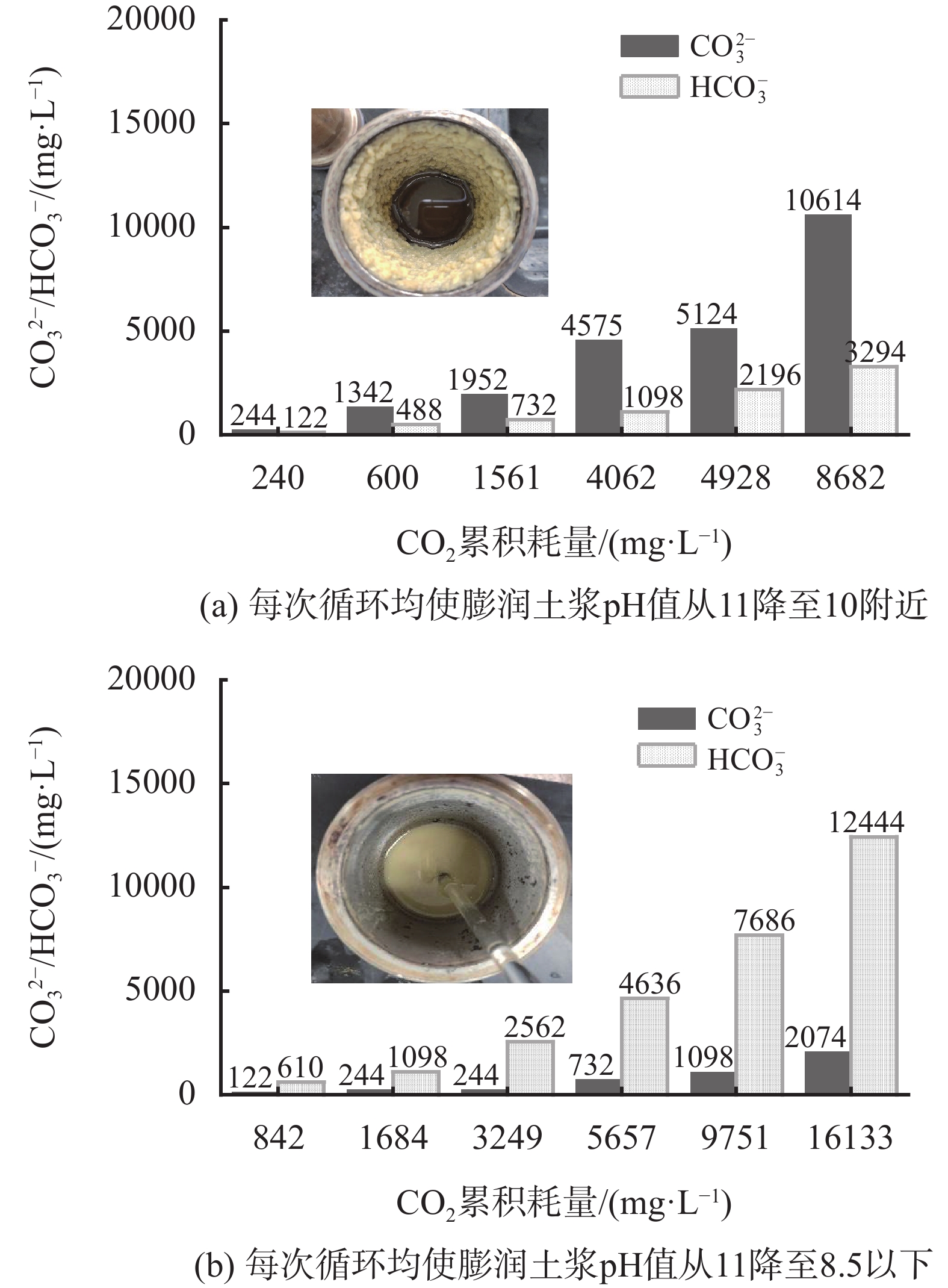
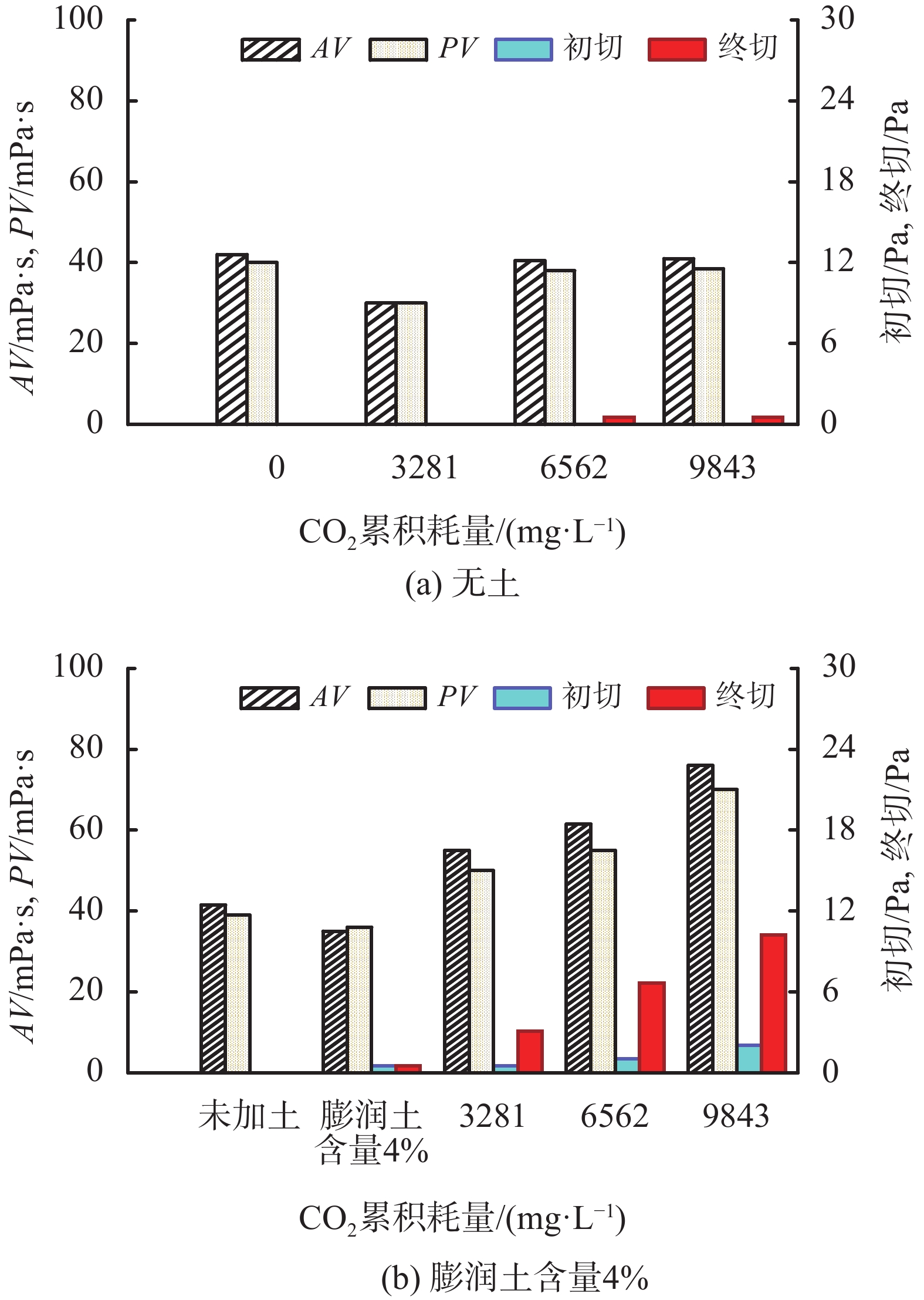
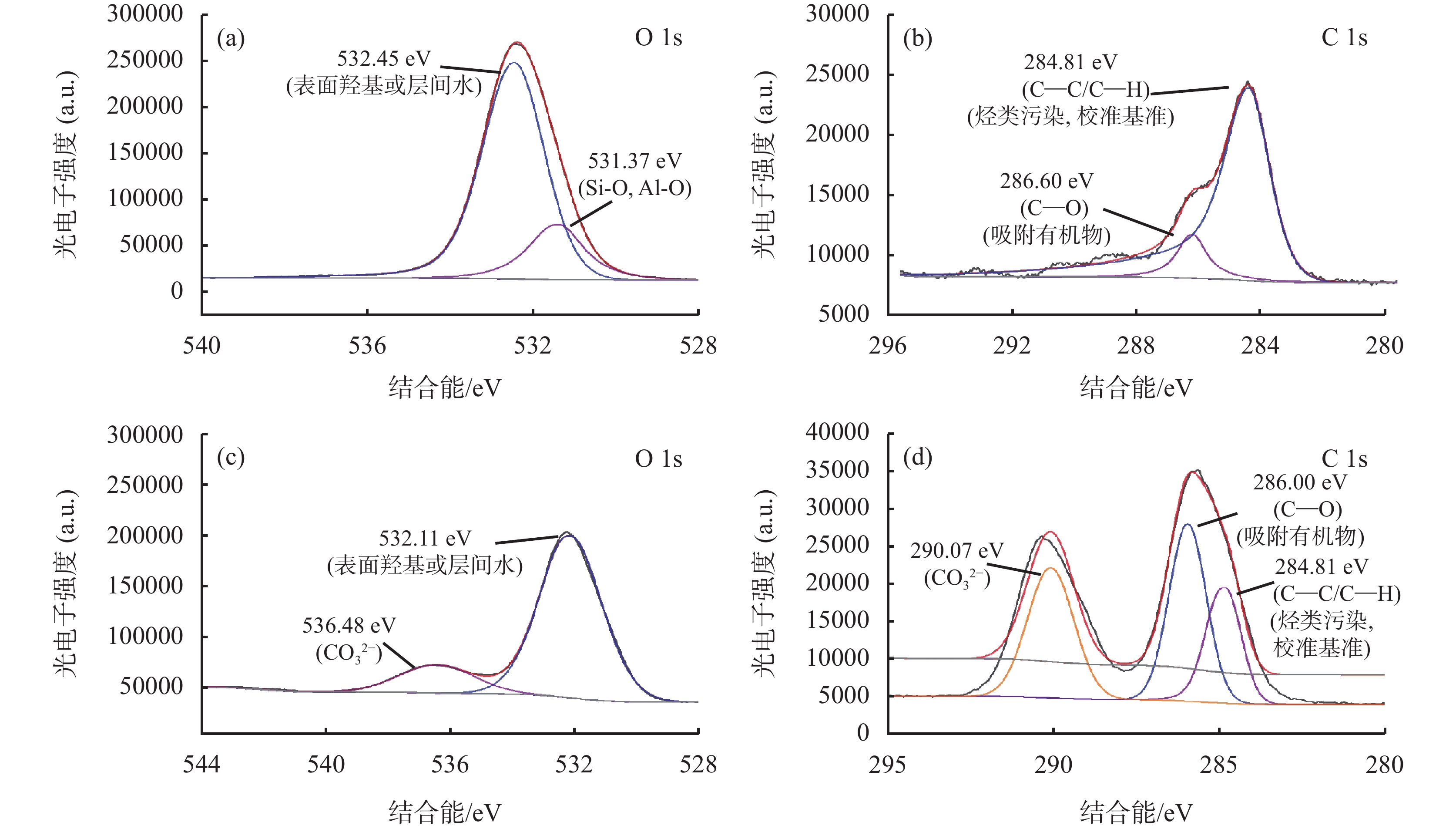
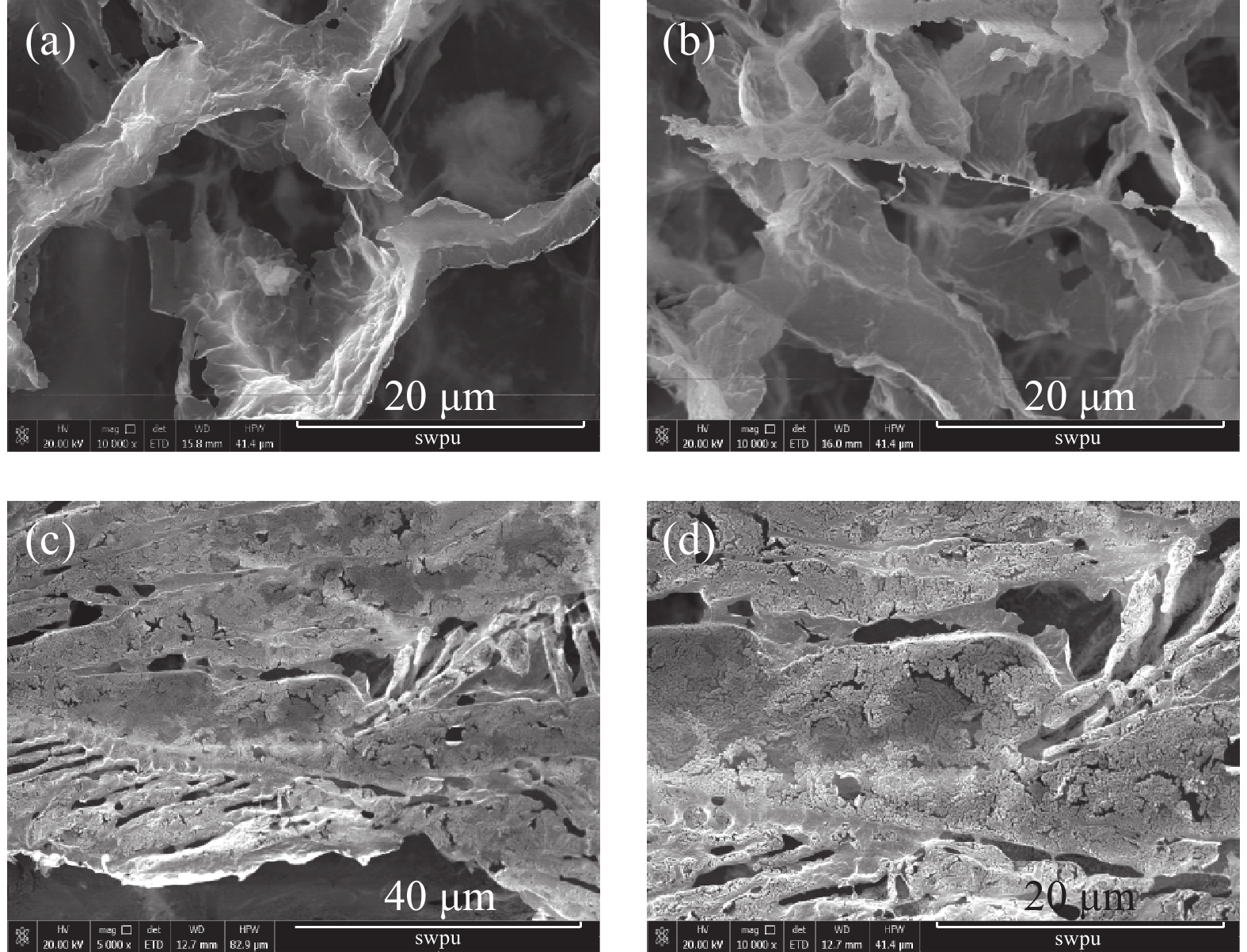
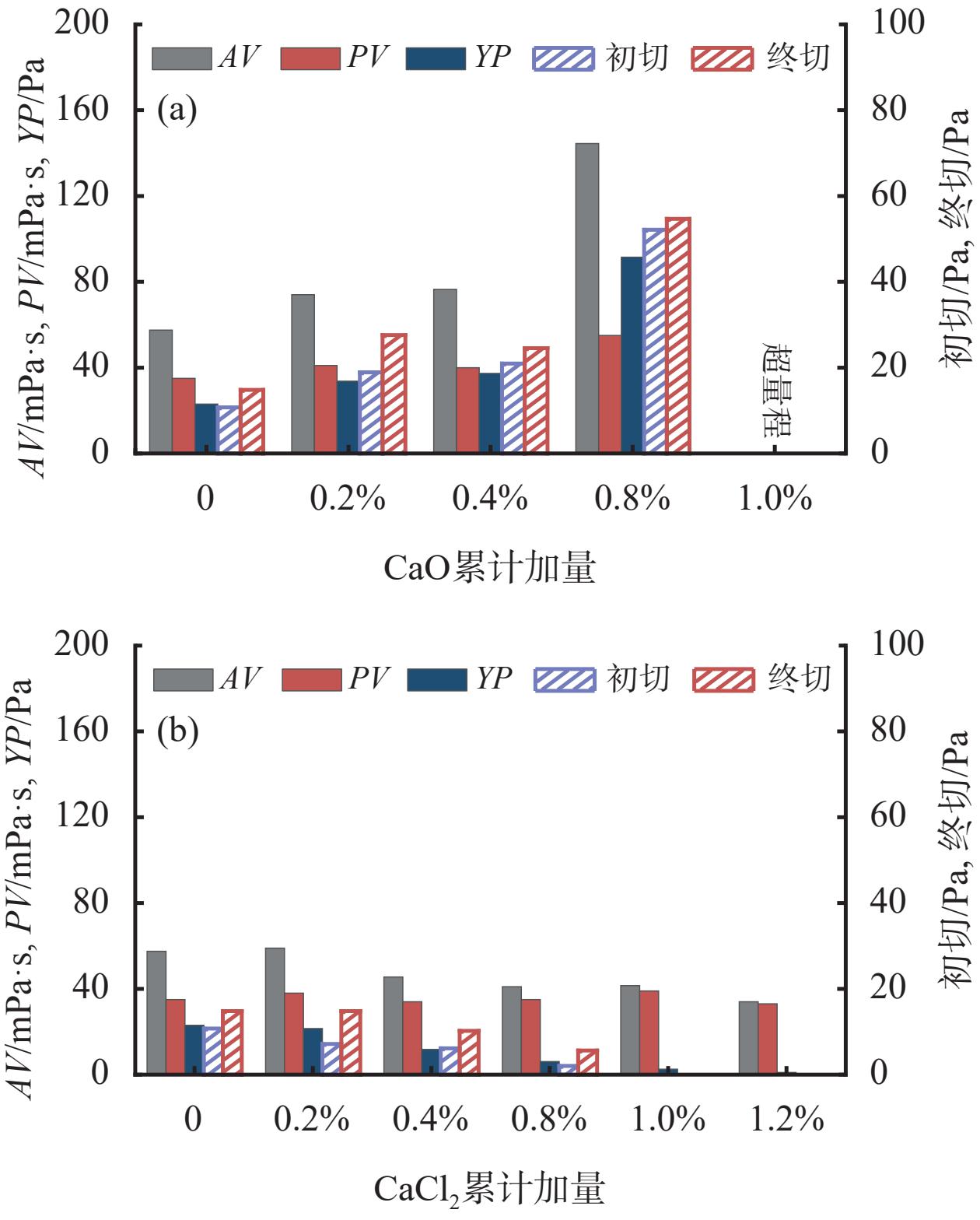
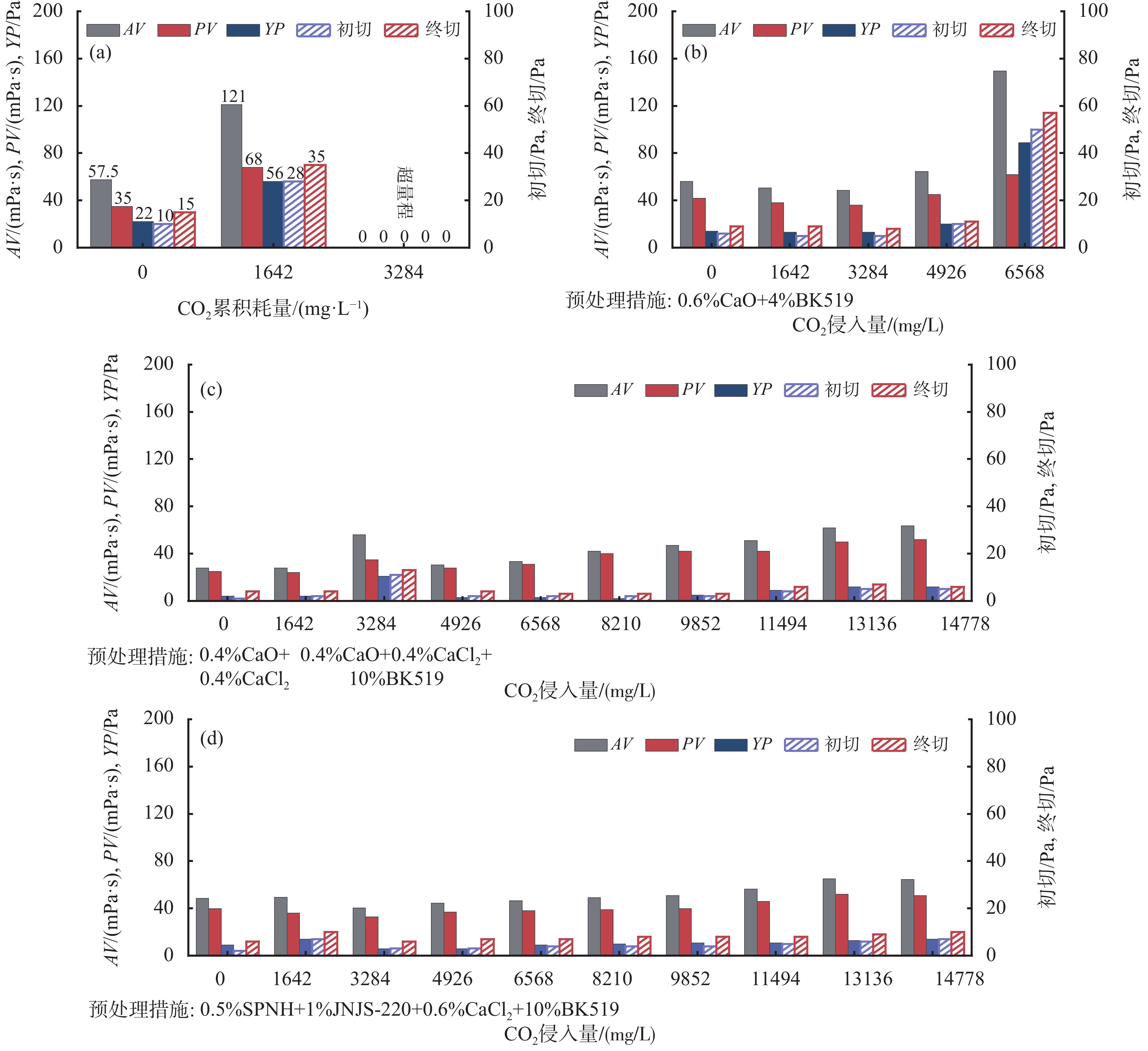
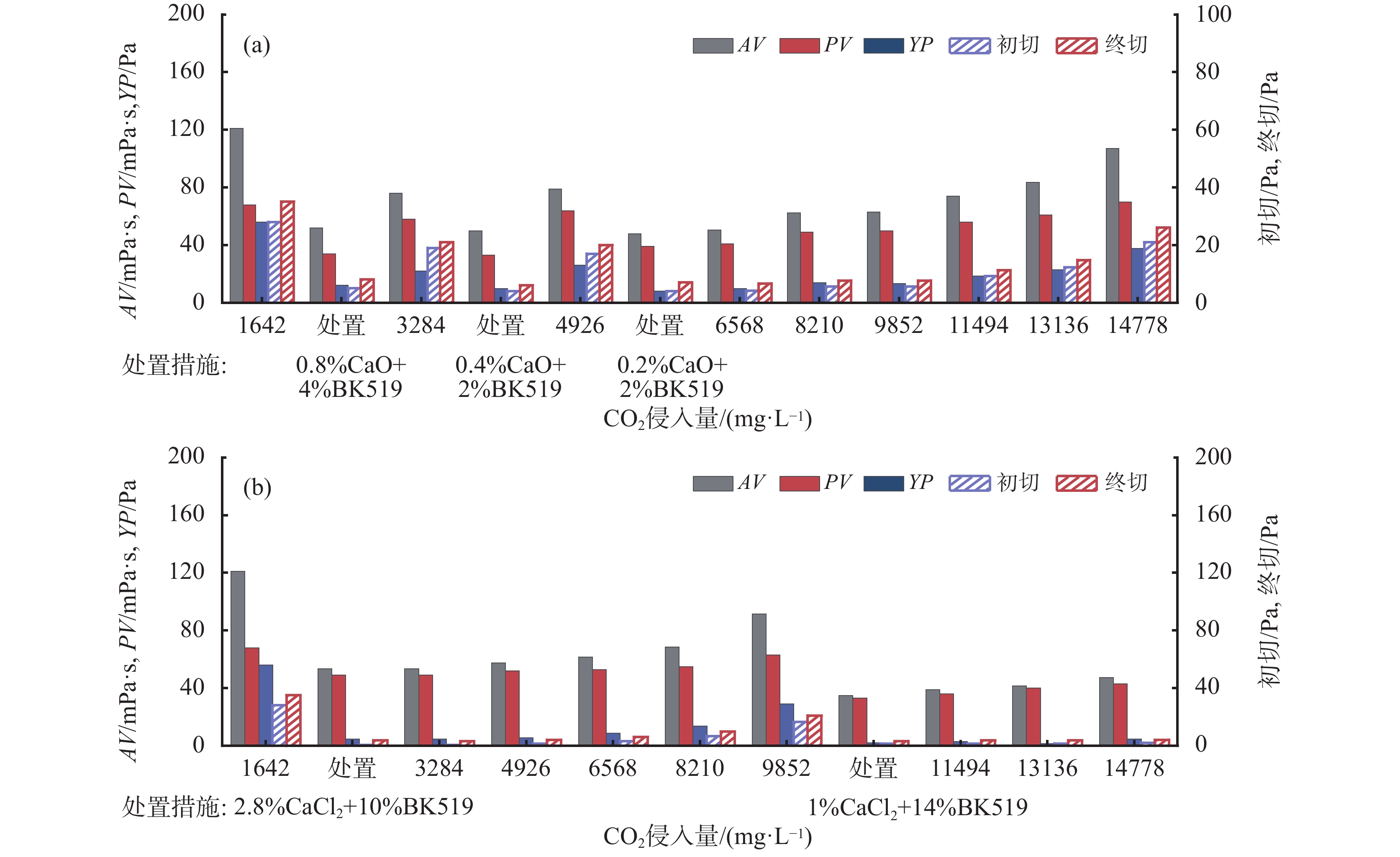
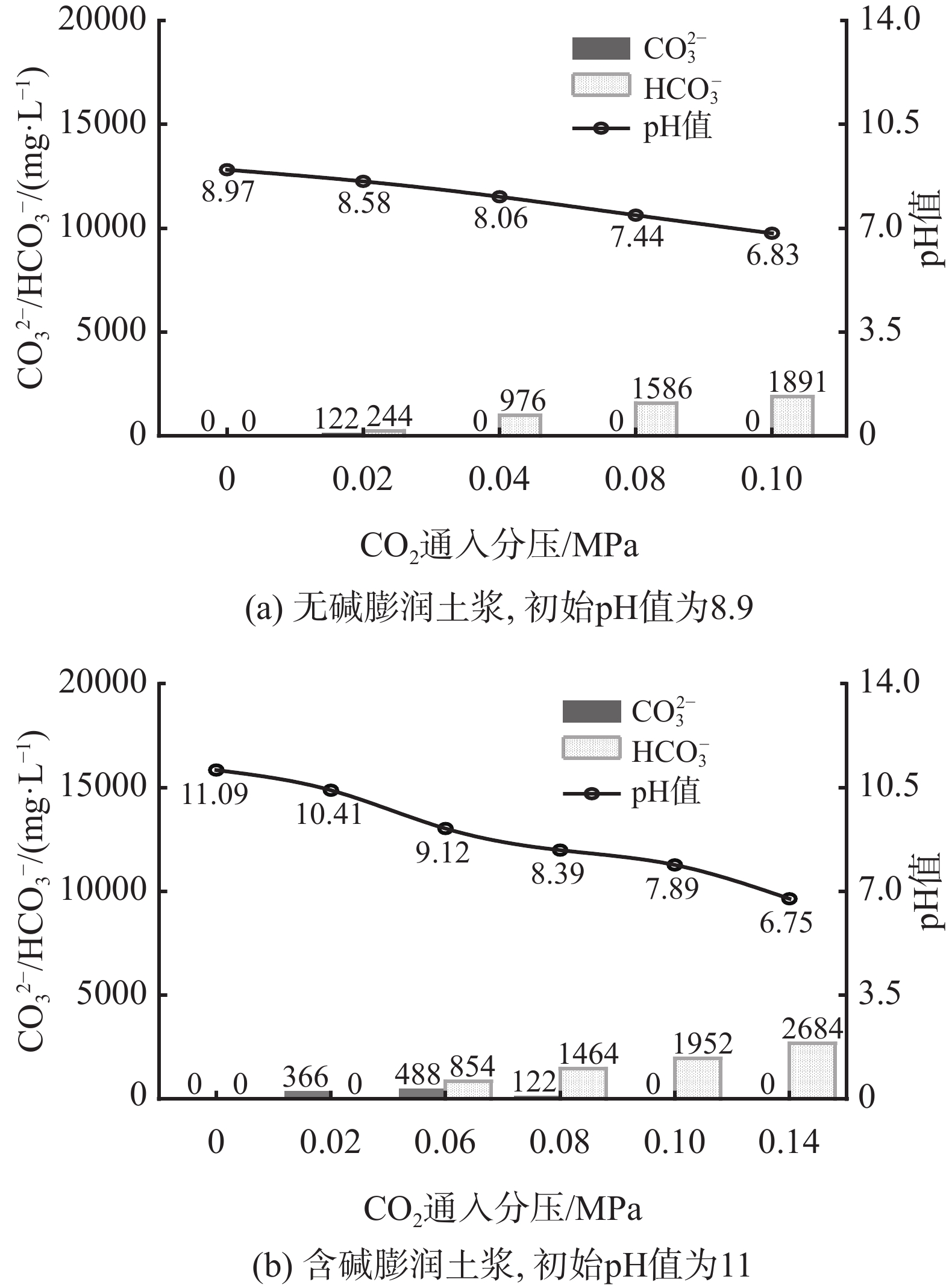
摘要: 为解决深部地层水基钻井液钻遇CO2持续污染难题,基于四川盆地蓬莱气区深井水基钻井液CO2污染事故分析,通过室内高温高压CO2污染模拟实验,明确了高温高压CO2持续污染特征,建立了CO2持续污染的预防与处治措施。结果表明:CO2气侵持续发生时,水基钻井液中污染性因子CO32−、HCO3−含量上升以及pH值下降,并非是由CO2分子在水中溶解电离所致,而是由钻井液中烧碱对CO2的中和作用所致。水基钻井液性能维护过程中反复使用烧碱导致CO32−、HCO3−含量持续上涨。CO32−/HCO3−作用下膨润土片碎化成细粒,细粒之间及其与水分子之间因CO32−/HCO3−介导的偶极作用与氢键作用而易于聚集,由此导致钻井液增稠。采用钙处理剂与稀释剂BK519协同使用可有效预防和处置污染程度达
10000 mg/L以上的高温高压CO2持续污染问题。所得成果为深部地层CO2持续污染问题的深入揭示与有效防治提供了理论与技术支持。Abstract: To address the persistent contamination of drilling fluids by CO2, the CO2 contamination to drilling fluids in the Penglai gas field in the Sichuan Basin is analyzed. In laboratory simulating experiment with high-temperature high-pressure (HTHP) CO2 contamination, the characteristics of persistent HTHP CO2 contamination was understood, and a set of measures for persistent CO2 contamination prevention and treatment was developed. The experimental results show that when persistent CO2 contamination is encountered, the concentrations of contaminant ions such as CO32− and HCO3− in the drilling fluid increase, and the pH of the drilling fluid decreases. This is due to the neutralization of CO2 by the caustic bases in the drilling fluid, instead of the dissolution and ionization of the CO2 molecules in water. In the treatment of a water-based drilling fluid, continual application of caustic soda results in continuous increase in the concentrations of CO32− and HCO3− in the drilling fluid. Bentonite platelets become fine particles under the action of CO32−/HCO3−, and the fine particles tend to aggregate due to CO32−/HCO3−-mediated dipole and hydrogen-bonding actions, thereby causing the drilling fluid to become viscosified. The synergy of a calcium additive and BK519 (a thinner) can be used to effectively prevent and deal with the persistent HTHP CO2 contamination. The achievement made in this research provides a theoretical and technical support to the in-depth revealing and effective preventing of persistent CO2 contamination encountered in deep formations. -
表 1 Pf、Mf与CO32−、HCO3−离子浓度的关系
OH−质量浓度/
mg·L−1CO32−质量浓度/
mg·L−1HCO3−质量浓度/
mg·L−1Pf=0 0 0 1220Mf 2Pf<Mf 0 1200Pf 1220(Mf-2Pf) 2Pf=Mf 0 1200Pf 0 2Pf>Mf 340(2Pf-Mf) 1200(Mf-Pf) 0 Pf=Mf 340Mf 0 0  下载: 导出CSV
-
[1] 李文涛. 四川页岩气井碳酸根/碳酸氢根污染问题的处理实践[J]. 钻井液与完井液, 2022, 39(1): 53-58.Li Wentao. Study and treatment on carbonate/bicarbonate pollution in shale gas wells in Sichuan[J]. Drilling Fluid & Completion Fluid, 2022, 39(1): 53-58. [2] 艾加伟. 水基钻井液CO2污染机理及处理技术研究[D]. 成都: 西南石油大学, 2015.Ai Jiawei. Research on the mechanism and treatment technology of CO2 pollution in water based drilling fluid[D]. Chengdu: Southwest Petroleum University, 2015. [3] Kelessidis V C, Tsamantaki C, Dalamarinis P. Effect of pH and electrolyte on the rheology of aqueous Wyoming bentonite dispersions[J]. Applied Clay Science, 2007, 38(1/2): 86-96. doi: 10.1016/j.clay.2007.01.011 [4] 向朝纲, 陈俊斌, 王龙. CO2对高密度水基钻井液性能影响规律及机理分析[J]. 钻井液与完井液, 2018, 35(5): 26-30, 35. doi: 10.3969/j.issn.1001-5620.2018.05.005Xiang Zhaogang, Chen Junbin, Wang Long. Analyses of the effects of CO2 on the properties of high-density water base drilling fluid and the mechanisms of the effects[J]. Drilling Fluid & Completion Fluid, 2018, 35(5): 26-30,35. doi: 10.3969/j.issn.1001-5620.2018.05.005 [5] Deng X F, Lyu K H, Qiao H T, et al. Insights into the carbonate/bicarbonate ion-induced failure mechanism of bentonite in drilling fluids[J]. Journal of Molecular Liquids, 2025, 417: 126476. doi: 10.1016/j.molliq.2024.126476 [6] 郑艳茹. 钻井液碳酸根/碳酸氢根污染机理研究[D]. 青岛: 中国石油大学(华东), 2011.Zheng Yanru. Study on the mechanism of carbonate/bicarbonate contamination in drilling fluid[D]. Qingdao: China University of Petroleum, 2011. [7] 徐晨阳, 黄志宇, 门欣, 等. 高密度钾聚磺钻井液体系受CO2污染机理研究[J]. 应用化工, 2023, 52(2): 480-484.Xu Chenyang, Huang Zhiyu, Men Xin, et al. Study on the mechanism of high-density potassium polysulfonate drilling fluid system contaminated by CO2[J]. Applied Chemical Industry, 2023, 52(2): 480-484. [8] 陈馥, 杨媚, 艾加伟, 等. 水基钻井液CO2污染的处理[J]. 钻井液与完井液, 2016, 33(6): 58-62. doi: 10.3969/j.issn.1001-5620.2016.06.010Chen Fu, Yang Mei, Ai Jiawei, et al. Treatment of CO2 contamination to water base drilling fluids[J]. Drilling Fluid & Completion Fluid, 2016, 33(6): 58-62. doi: 10.3969/j.issn.1001-5620.2016.06.010 [9] 刘翔, 罗宇峰, 王娟, 等. 钻井液CO2污染的测试方法及处理技术[J]. 钻采工艺, 2009, 32(6): 78-81.Liu Xiang, Luo Yufeng, Wang Juan, et al. Testing method and treating technology for CO2 pollution of drilling fluid[J]. Drilling & Production Technology, 2009, 32(6): 78-81. [10] Sun X H, Li H Y, He H K, et al. Experiments and modeling of CO2 solubility in water-based and oil-based drilling fluids[J]. Journal of Petroleum Science and Engineering, 2022, 212: 110336. doi: 10.1016/j.petrol.2022.110336 [11] 张坤, 李阳, 穆剑雷, 等. 深部地层CO2对抗高温降滤失剂性能弱化规律及机理分析[J]. 钻井液与完井液, 2025, 42(4): 494-502.Zhang Kun, Li Yang, Mu Jianlei, et al. Performance deterioration of high temperature filtration control agents by CO2 in deepformations and mechanism analysis thereof[J]. Drilling Fluid & Completion Fluid, 2025, 42(4): 494-502 [12] 张坤, 黄平, 郑有成, 等. 高密度水基钻井液CO2污染防治技术[J]. 天然气技术与经济, 2011, 5(2): 48-50.Zhang Kun, Huang Ping, Zheng Youcheng, et al. Prevention of high-density water-base drilling fluid from CO2 pollution[J]. Natural Gas Technology, 2011, 5(2): 48-50. [13] 袁志平, 李巍, 肖振华. 高-磨地区高密度钻井液 CO2污染预防与处理技术[J]. 石油与天然气化工, 2015(4): 106-109.Yuan Zhiping, Li Wei, Xiao Zhenhua. Precaution and treatment of CO2-contaminated high density drilling fluid in Gao-Mo block[J]. Chemical Engineering of Oil and Gas, 2015(4): 106-109. [14] 张庆港. 高密度水基钻井液CO2污染防治技术研究[J]. 中国石油和化工标准与质量, 2012, 32(1): 113. doi: 10.3969/j.issn.1673-4076.2012.01.091Zhang Qinggang. Research on CO2 pollution prevention and control technology of high-density water-based drilling fluid[J]. China Petroleum and Chemical Standard and Quality, 2012, 32(1): 113. doi: 10.3969/j.issn.1673-4076.2012.01.091 [15] 李斌, 石秉忠, 彭商平, 等. 元坝地区高密度钻井液CO2污染处理技术[J]. 钻井液与完井液, 2013, 30(5): 22-24. doi: 10.3969/j.issn.1001-5620.2013.05.006Li Bin, Shi Bingzhong, Peng Shangping, et al. CO2 pollution treatment technology for high-density drilling fluid in Yuanba area[J]. Drilling Fluid & Completion Fluid, 2013, 30(5): 22-24. doi: 10.3969/j.issn.1001-5620.2013.05.006 [16] 李茂森, 徐晨阳, 范劲, 等. 钻井液处理剂受CO2及盐膏污染机理研究[J]. 山西化工, 2023, 43(8): 1-3, 19. doi: 10.16525/j.cnki.cn14-1109/tq.2023.08.001Li Maosen, Xu Chenyang, Fan Jin, et al. Research on the mechanism of CO2 and salt paste pollution on drilling fluid treatment agents[J]. Shanxi Chemical Industry, 2023, 43(8): 1-3,19. doi: 10.16525/j.cnki.cn14-1109/tq.2023.08.001 [17] 祝学飞, 孙俊, 徐思旭, 等. HT2井三开水基钻井液CO32−和HCO3−污染处理工艺[J]. 钻井液与完井液, 2019, 36(1): 36-40.Zhu Xuefei, Sun Jun, Xu Sixu, et al. Treatment of CO32−and HCO3− Contamination in water base drilling fluid used in drilling the 3rd interval of the well HT2[J]. Drilling Fluid & Completion Fluid, 2019, 36(1): 36-40. [18] Cheng Y G, Zeng M R, Lu Z H, et al. Effects of supercritical CO2 treatment temperatures on mineral composition, pore structure and functional groups of shale: implications for CO2 sequestration[J]. Sustainability, 2020, 12(9): 3927. doi: 10.3390/su12093927 [19] 廖饶平, 陈永贵, 刘聪, 等. 高压实膨润土与孔隙溶液物理作用机制研究进展[J]. 岩土工程学报, 2024, 46(12): 2465-2475. doi: 10.11779/CJGE20230811Liao Raoping, Chen Yonggui, Liu Cong, et al. Advances in physical interaction mechanism between highly compacted bentonite and pore solution[J]. Chinese Journal of Geotechnical Engineering, 2024, 46(12): 2465-2475. doi: 10.11779/CJGE20230811 [20] 徐毅, 何涛, 王君, 等. 亚洲最深直井——蓬深6特超深井钻井液技术[J]. 钻井液与完井液, 2025, 42(2): 180-186.Xu Yi, He Tao, Wang Jun, et al. Drilling fluid technology for the deepest vertical well in Asia – the ultra-deep Well Pengshen-6[J]. Drilling Fluid & Completion Fluid, 2025, 42(2): 180-186. -

 点击查看大图
图(9) / 表(1)
计量
- 文章访问数: 7
- HTML全文浏览量: 2
- PDF下载量: 0
- 被引次数: 0
