



Low-damage Water-based Drilling Fluid Technology for Fractured Tight Sandstone Reservoirs
-
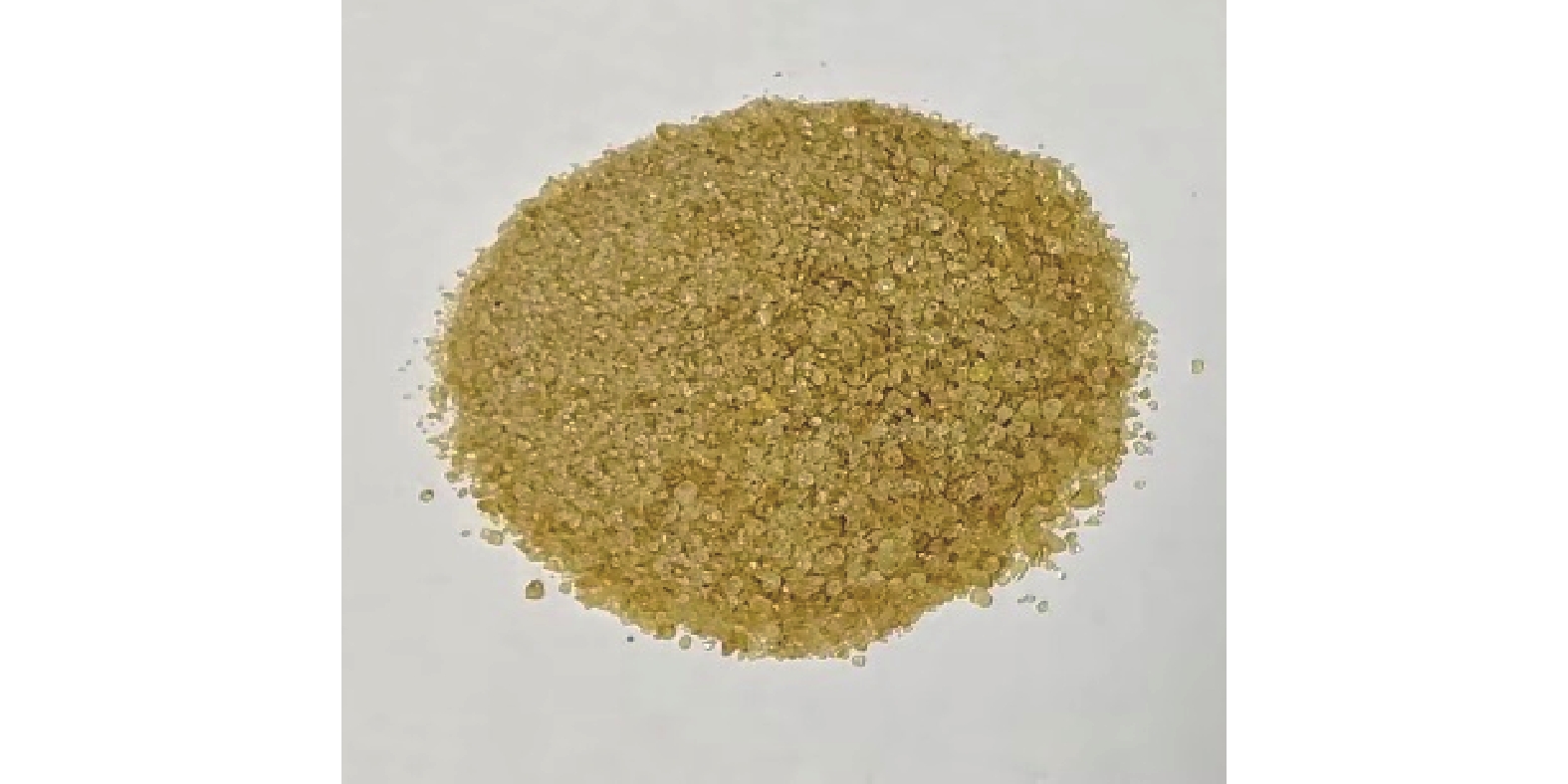
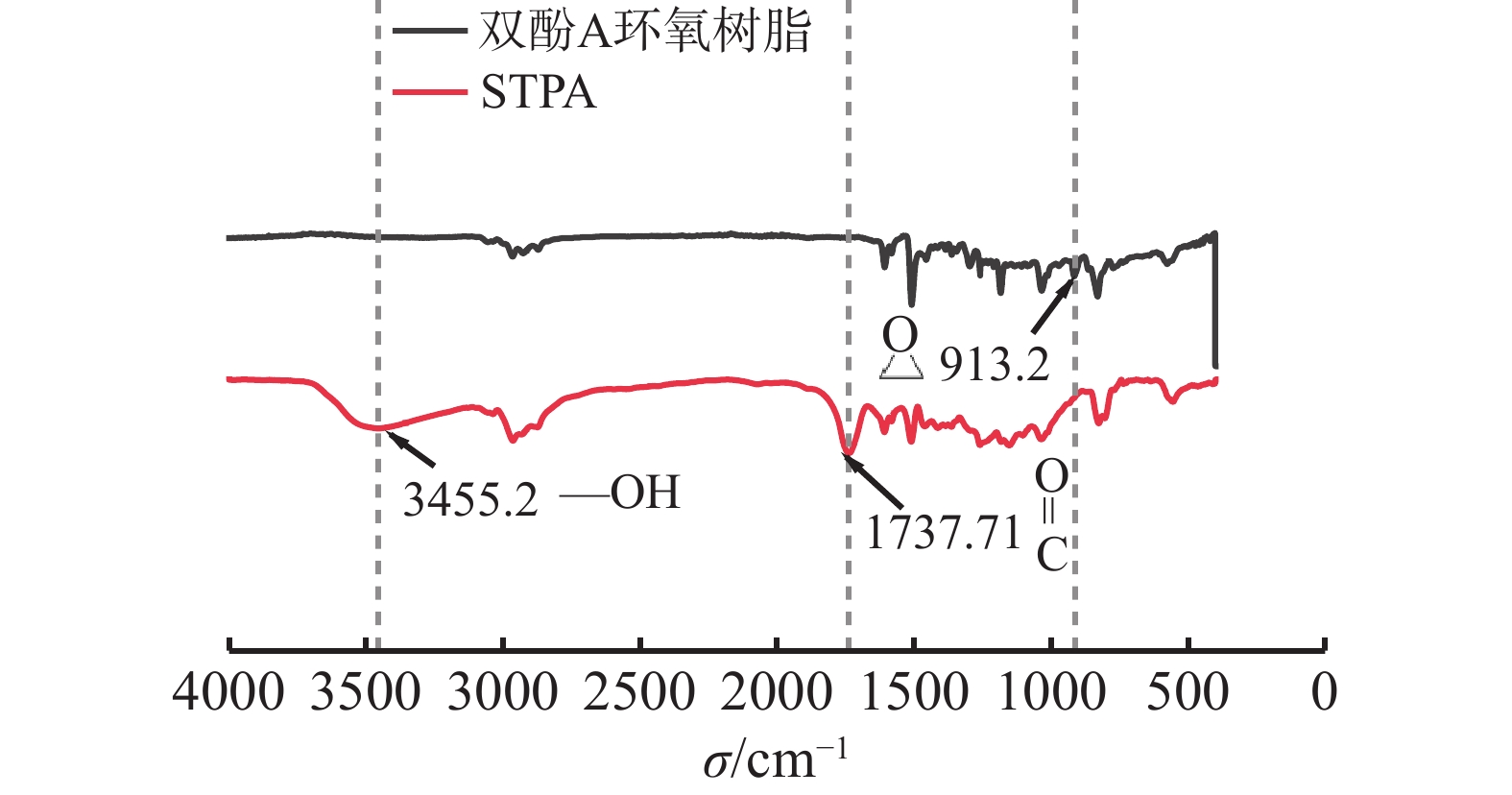
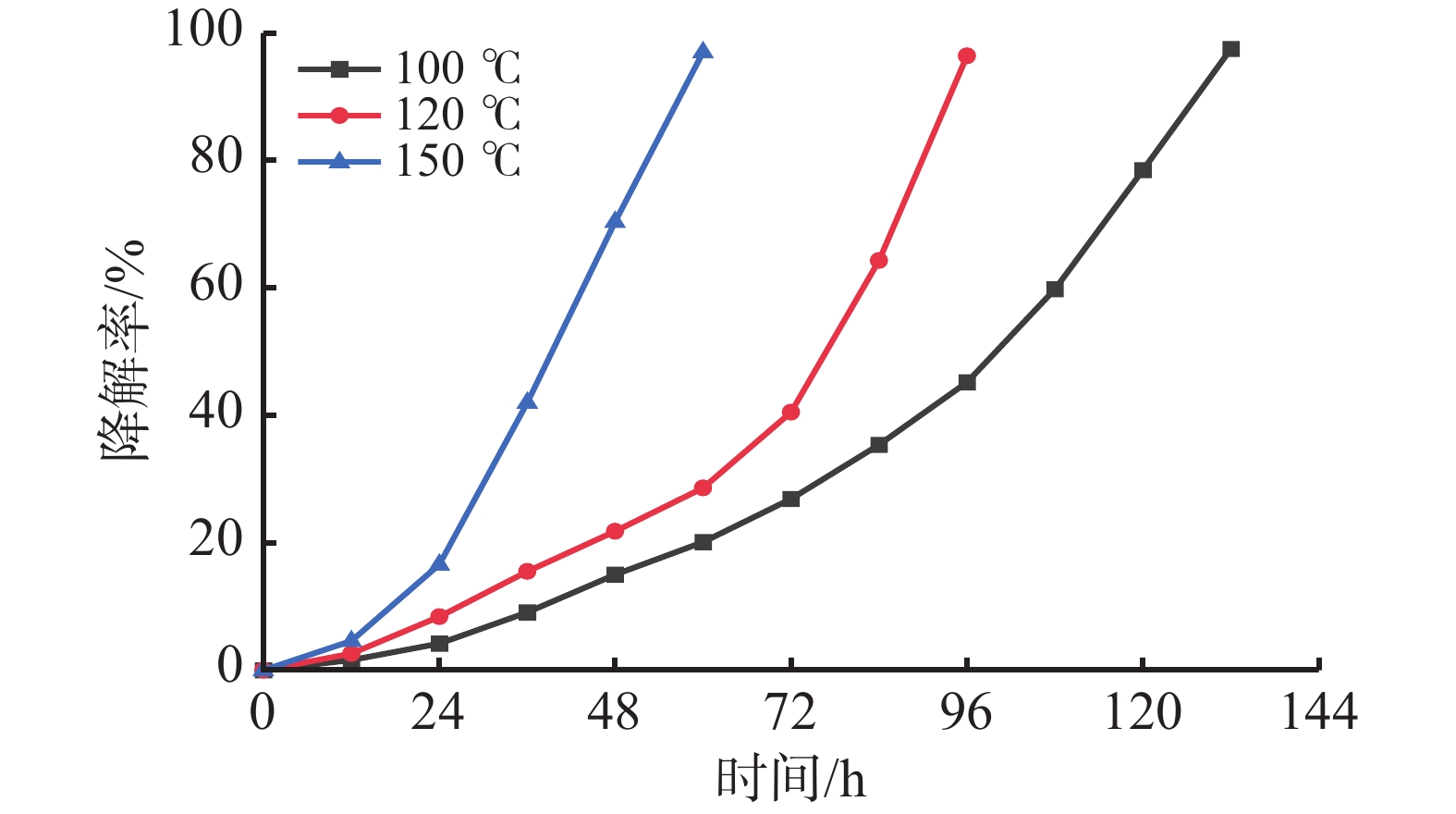
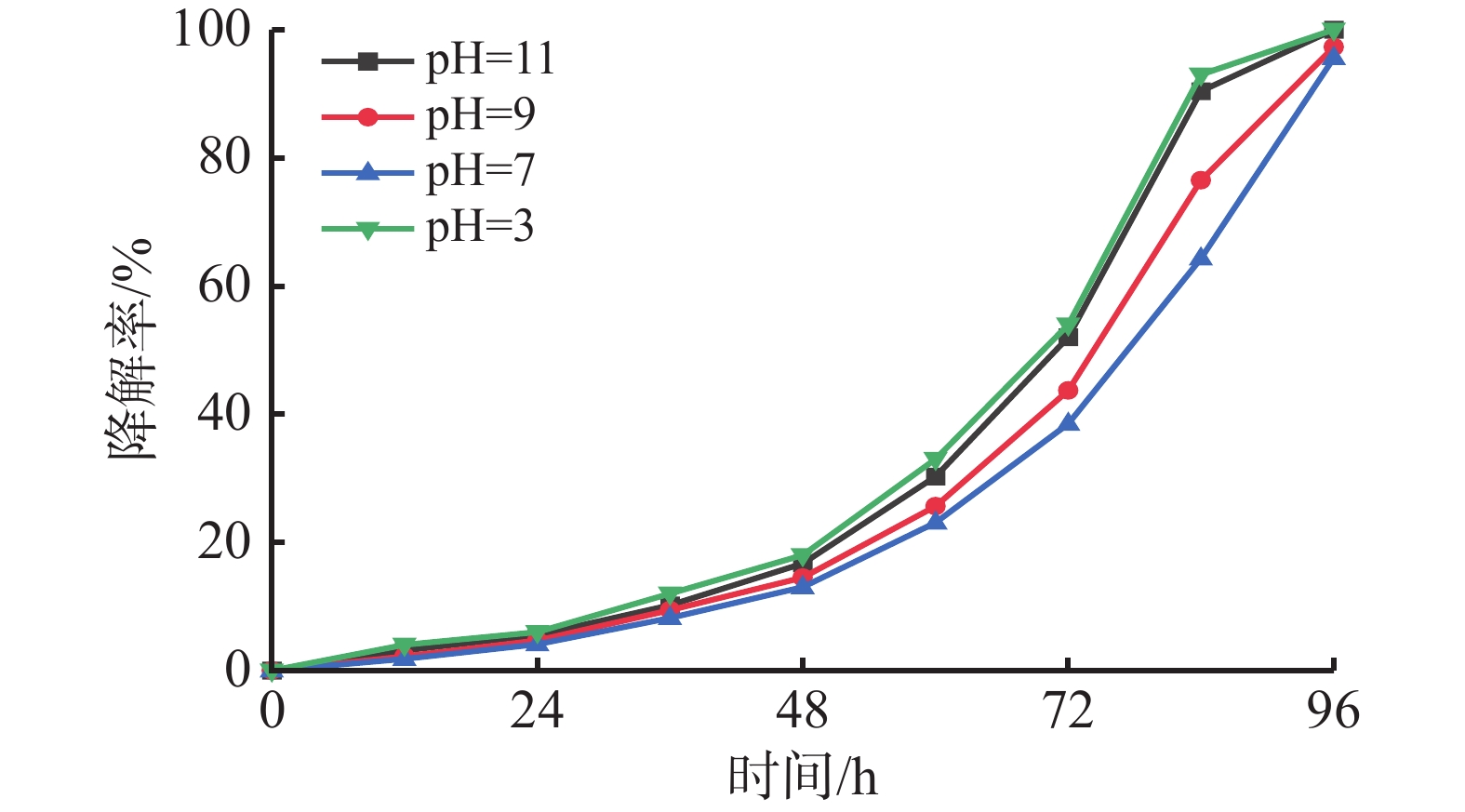
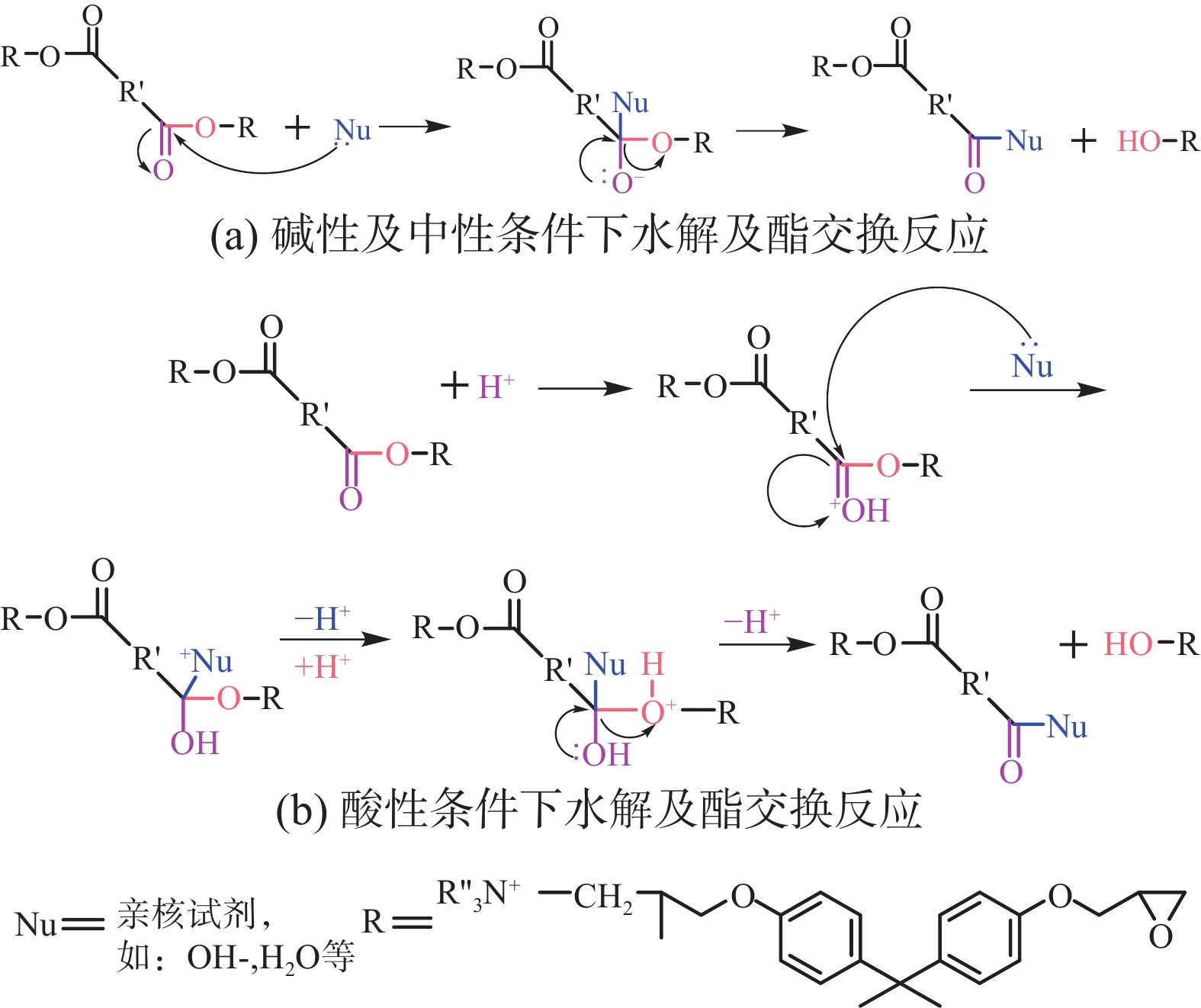
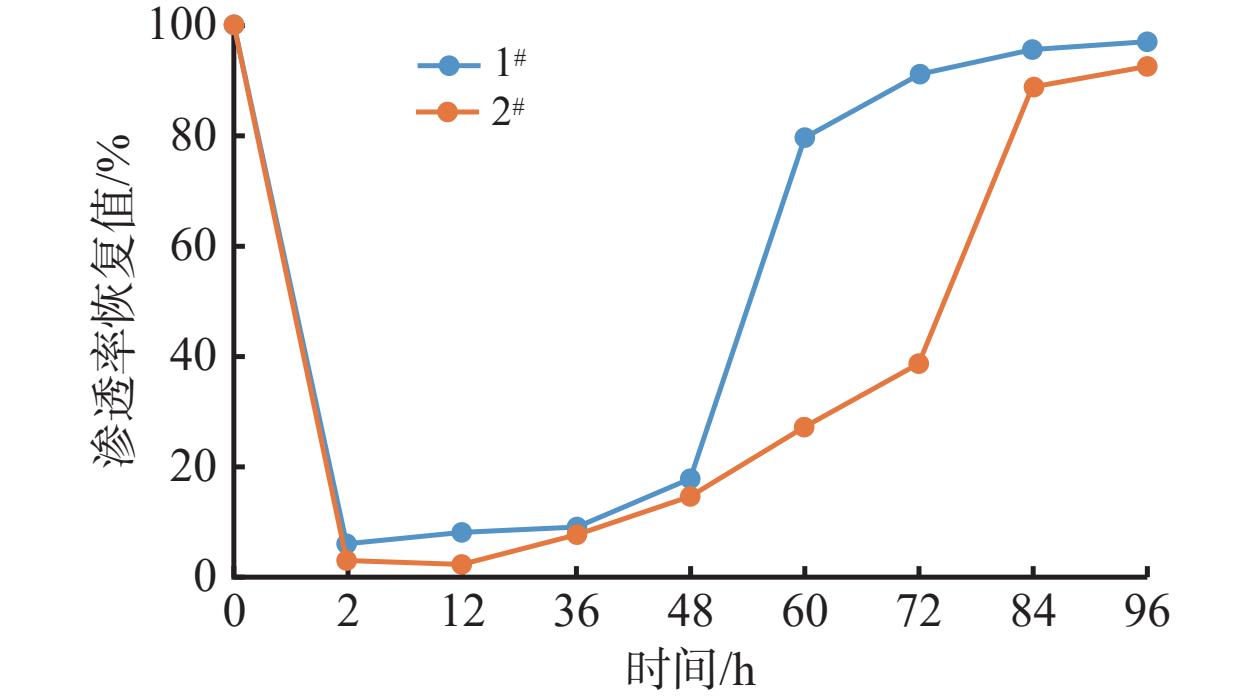
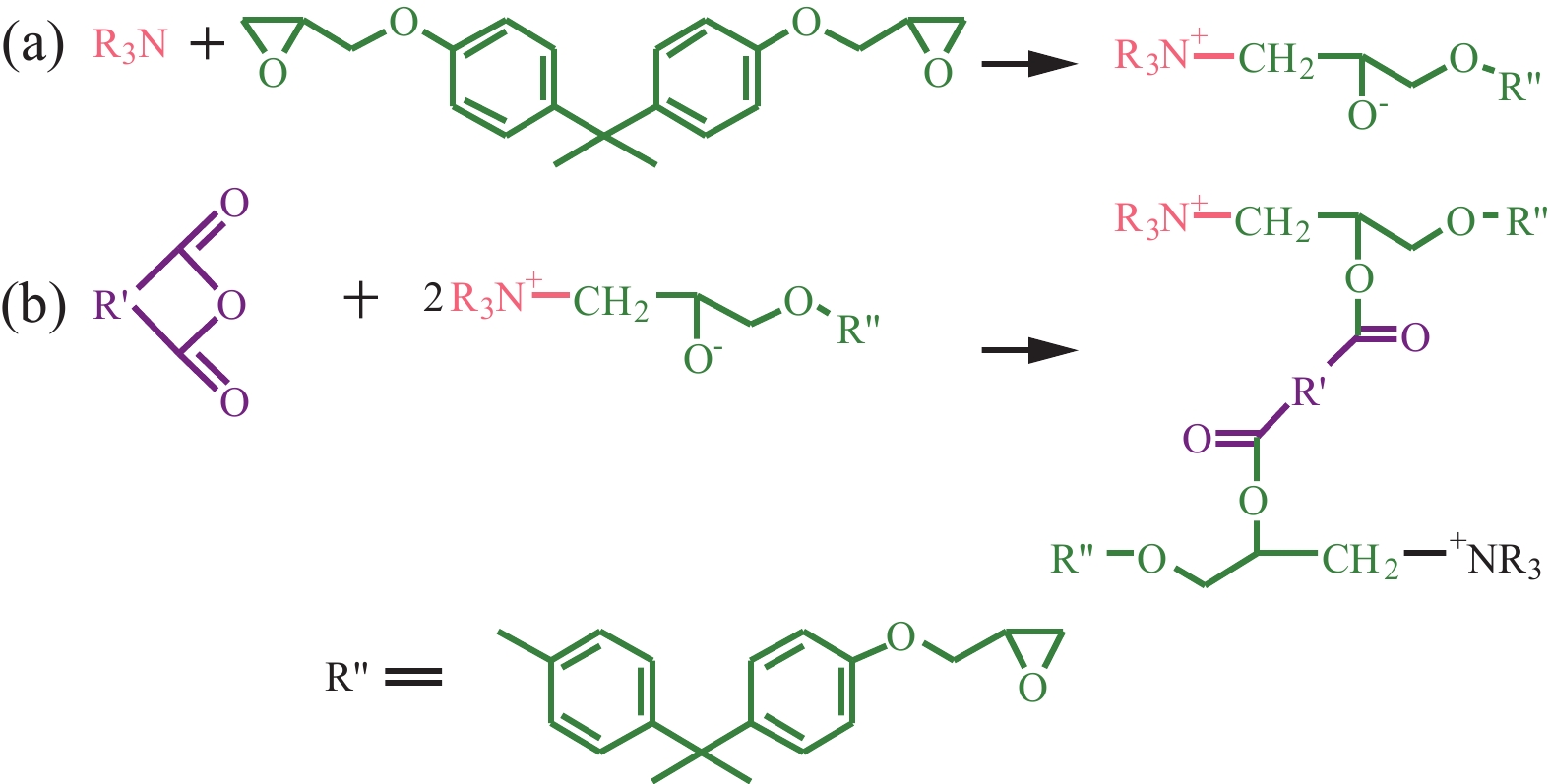
摘要: 胜利油田某区块致密砂岩储层致密,裂缝发育,钻井过程中易受到钻井液损害。通过储层矿物组成、孔渗特征及敏感性评价,分析了储层伤害主要原因,针对性研发了可在储层温度下自降解的暂堵剂,构建了低伤害水基钻井液体系。研究结果表明,该储层面临钻井液固相堵塞裂缝、水锁损害、水敏以及酸敏损害。研发的环氧树脂类自降解暂堵剂可在高温下通过酯键水解及酯交换反应导致网络解聚,生成可溶性低聚物。在120 ℃储层温度下,其48 h降解率为21.8%,96 h降解率达96.4%,且抗压强度远超常用的暂堵剂碳酸钙。低伤害钻井液性能评价实验表明,其具有良好的流变性、滤失性、润滑性及黏土水化抑制性能。模拟裂缝封堵实验以及岩心渗透率恢复实验表明,钻井过程中暂堵剂等固相快速在裂缝中形成封堵层;120 ℃静置48 h封堵层仍可维持良好的承压能力;静置48~72 h后,封堵层结构发生破坏,返排24 h岩心渗透率恢复值超90%,避免了储层伤害。3口井的现场试验表明,该钻井液防漏堵漏效果良好,且可通过暂堵剂的自降解有效保护储层,较邻井原油增产91.83%。Abstract: The tight sandstone reservoirs in a certain block of the Shengli Oilfield are characterized by high density and well-developed fractures, which make them highly susceptible to drilling fluid damage during drilling. Through evaluations of reservoir mineral composition, porosity and permeability characteristics, and sensitivities, the primary causes of reservoir damage were analyzed. Accordingly, this study developed a new temporary plugging agent capable of self-degradation at reservoir temperatures and constructed a low-damage water-based drilling fluid system. The results indicated that the reservoir faced damage from solid phase plugging of fractures, water blocking, water sensitivity, and acid sensitivity. The developed epoxy resin-based self-degradable temporary plugging agent underwent network depolymerization via ester bond hydrolysis and transesterification reactions at high temperatures, generating soluble oligomers. At a reservoir temperature of 120 ℃, its degradation rate reached 21.8% after 48 h and 96.4% after 96 h. In addition, its compressive strength significantly exceeded that of calcium carbonate, a commonly used temporary plugging agent. Performance evaluation experiments on the low-damage drilling fluid demonstrated that it possessed excellent properties in rheology, filtration control, lubricity, and clay hydration inhibition. Simulated fracture plugging and core permeability recovery experiments showed that solid phases, including the temporary plugging agent, rapidly formed a sealing layer within the fractures during drilling. This sealing layer maintained good pressure-bearing capacity even after standing for 48 h at 120 ℃. After standing for 48–72 h, the structure of the sealing layer broke down, and following a 24 h flowback period, the core permeability recovery exceeded 90%, namely that formation damage was avoided effectively. Field tests in three wells demonstrated that this drilling fluid exhibited excellent lost circulation prevention and control effects. Furthermore, it effectively protected the reservoir through the self-degradation of the temporary plugging agent, resulting in a 91.83% increase in crude oil production in comparison with offset wells. can undergo network depolymerization through ester bond hydrolysis at high temperatures, generating soluble oligomers. At the reservoir temperature of 120 ℃, its degradation rate reaches 21.8% after 48 hours and 96.4% after 96 hours, with compressive strength far exceeding that of calcium carbonate, which is the typical temporary plugging agent. Performance evaluation experiments of the low-damage drilling fluid show that it exhibits excellent rheological properties, filtration control, lubrication, and clay hydration inhibition. Simulated fracture plugging experiments and core permeability restoration tests demonstrate that solid-phase materials such as the temporary plugging agent rapidly form a plugging layer in fractures during drilling. After static placement at 120 ℃ for 48 hours, the plugging layer still maintains good pressure-bearing capacity. After 48 to 72 hours of static placement, the structure of the plugging layer breaks down, and the core permeability recovery value exceeds 90% after 24 hours of flowback, effectively avoiding reservoir damage. Field tests conducted on three wells indicate that the drilling fluid demonstrates excellent performance in leak prevention and plugging. Additionally, the self-degradation of the temporary plugging agent effectively protects the reservoir, resulting in a 91.83% increase in crude oil production compared to offset wells.
-
表 1 低伤害水基钻井液基本性能评价实验结果
条件 AV/
mPa·sPV/
mPa·sYP/
PaGel/
Pa/PaFLAPI/
mL极压润滑
系数岩样8 h线性
膨胀率/%岩样滚动
回收率/%热滚前 53.0 38 15.0 5/11 5.0 0.115 7 / / 120 ℃、16 h 47.5 34 13.5 4.5/9 4.8 0.108 2 1.7 90.7  下载: 导出CSV
表 2 低伤害水基钻井液的裂缝封堵承压能力及自解堵时间
类型 裂缝
开度/mm最大承压
压力/MPa漏失量/
mL封堵层
垮塌时间/hSTPA 1×0.5 8.9 12 61.5 2×1 8.6 25 59.1 碳酸钙 1×0.5 3.7 49 / 2×1 3.6 75 /
下载: 导出CSV
-
[1] 孙金声, 王韧, 龙一夫. 我国钻井液技术难题、新进展及发展建议[J]. 钻井液与完井液, 2024, 41(1): 1-30.Sun Jinsheng, Wang Ren, Long Yifu. Challenges, developments, and suggestions for drilling fluid technology in China[J]. Drilling Fluid & Completion Fluid, 2024, 41(1): 1-30. [2] Saboorian-Jooybari H, Pourafshary P. Significance of non-Darcy flow effect in fractured tight reservoirs[J]. Journal of Natural Gas Science and Engineering, 2015, 24: 132-143. doi: 10.1016/j.jngse.2015.03.003 [3] 王中华. 国内钻井液研究应用现状、存在问题与发展建议[J]. 钻井液与完井液, 2025, 42(4): 425-441.Wang Zhonghua. Research and application status, existing problems and development suggestions of drilling fluid in China[J]. Drilling Fluid & Completion Fluid, 2025, 42(4): 425-441. [4] 曾皓, 金衍, 王海波. 宁东油田致密油储层损害机理与对策[J]. 石油钻探技术, 2024, 52(1): 62-68. doi: 10.11911/syztjs.2023109Zeng Hao, Jin Yan, Wang Haibo. Damage mechanism and countermeasures for tight oil reservoirs in Ningdong oilfield[J]. Petroleum Drilling Techniques, 2024, 52(1): 62-68. doi: 10.11911/syztjs.2023109 [5] 赵欣, 苏文治, 单锴, 等. 基于压力衰减法的低渗透储层高温敏感性评价实验[J]. 天然气工业, 2024, 44(3): 164-171.Zhao Xin, Su Wenzhi, Shan Kai, et al. High-temperature sensitivity evaluation experiment of low-permeability reservoirs based on the pressure pulse decay method[J]. Natural Gas Industry, 2024, 44(3): 164-171. [6] 张宇飞, 王超群, 徐博韬, 等. 渤中凹陷裂缝性致密储层钻开液伤害研究[J]. 钻井液与完井液, 2024, 41(3): 325-329.Zhang Yufei, Wang Chaoqun, Xu Botao, et al. Study on damage by drilling fluid of fractured tighten reservoirs in Bozhong sag[J]. Drilling Fluid & Completion Fluid, 2024, 41(3): 325-329. [7] 卢军凯, 曾祺俊, 李云子, 等. 一体化压裂液对佳县区块致密气储层伤害实验研究[J]. 油气井测试, 2024, 33(2): 9-14. doi: 10.19680/j.cnki.1004-4388.2024.02.002Lu Junkai, Zeng Qijun, Li Yunzi, et al. Experimental study on damage of integrated fracturing fluid to tight gas reservoirs in Jiaxian block[J]. Well Testing, 2024, 33(2): 9-14. doi: 10.19680/j.cnki.1004-4388.2024.02.002 [8] Pasdar M, Kamari E, Kazemzadeh E, et al. Investigating fluid invasion control by Colloidal Gas Aphron (CGA) based fluids in micromodel systems[J]. Journal of Natural Gas Science and Engineering, 2019, 66: 1-10. doi: 10.1016/j.jngse.2019.03.020 [9] 赵欣, 耿麒, 邱正松, 等. 深水高孔高渗储层免破胶钻井完井液技术[J]. 天然气工业, 2021, 41(4): 107-114.Zhao Xin, Geng Qi, Qiu Zhengsong, et al. Gel-breaking free drill-in fluid technology for deepwater high-porosity and high-permeability reservoirs[J]. Natural Gas Industry, 2021, 41(4): 107-114. [10] 游利军, 邹俊, 康毅力, 等. 裂缝性致密变质岩气藏钻井液漏失损害机理[J]. 钻井液与完井液, 2024, 41(6): 719-727. doi: 10.12358/j.issn.1001-5620.2024.06.003You Lijun, Zou Jun, Kang Yili, et al. Mechanisms of formation damage by lost drilling fluids in fractured tight metamorphic rock gas reservoirs[J]. Drilling Fluid & Completion Fluid, 2024, 41(6): 719-727. doi: 10.12358/j.issn.1001-5620.2024.06.003 [11] 郭荣涛, 马达德, 张永庶, 等. 柴达木盆地英西地区下干柴沟组上段超压孔缝型储层特征及形成机理[J]. 石油学报, 2019, 40(4): 411-422.Guo Rongtao, Ma Dade, Zhang Yongshu, et al. Characteristics and formation mechanism of overpressure pore-fracture reservoirs for upper member of Xiaganchaigou formation in the west of Yingxiong ridge, Qaidam Basin[J]. Acta Petrolei Sinica, 2019, 40(4): 411-422. [12] 贾承造. 含油气盆地深层—超深层油气勘探开发的科学技术问题[J]. 中国石油大学学报(自然科学版), 2023, 47(5): 1-12. doi: 10.3969/j.issn.1673-5005.2023.05.001Jia Chengzao. Key scientific and technological problems of petroleum exploration and development in deep and ultra-deep formation[J]. Journal of China University of Petroleum (Edition of Natural Science), 2023, 47(5): 1-12. doi: 10.3969/j.issn.1673-5005.2023.05.001 [13] Xu C Y, Tang J R, Sun J S, et al. Dynamic stress sensitive analysis of fractured tight reservoirs under compound damage from drilling and fracturing fluids[J]. Geoenergy Science and Engineering, 2025, 250: 213807. doi: 10.1016/j.geoen.2025.213807 [14] 谷穗, 蔡记华, 常德武, 等. 使用纳米碳酸钙降低低孔低渗煤层气储层伤害[J]. 地球科学-中国地质大学学报, 2015, 40(6): 1093-1100.Gu Sui, Cai Jihua, Chang Dewu, et al. Reducing formation damage to low-porosity and low-permeability CBM reservoirs using calcium carbonate nanoparticles[J]. Earth Science, 2015, 40(6): 1093-1100. [15] Marques Fagundes F, Gil De Oliveira G, Brandão Costa Santos N, et al. Gravitational settling of calcium carbonate in different non-newtonian carboxymethyl cellulose concentrations using the gamma-ray attenuation technique[J]. Chemical Engineering Science, 2021, 232: 116367. doi: 10.1016/j.ces.2020.116367 [16] 刘均一, 宋华, 陈二丁, 等. 基于压力响应释放的水基钻井液用靶向微胶囊润滑剂[J]. 天然气工业, 2023, 43(12): 91-99. doi: 10.3787/j.issn.1000-0976.2023.12.010Liu Junyi, Song Hua, Chen Erding, et al. Targeted pressure-response encapsulated lubricants for water-based drilling fluids[J]. Natural Gas Industry, 2023, 43(12): 91-99. doi: 10.3787/j.issn.1000-0976.2023.12.010 [17] 张宇飞, 耿铁, 刘喜亮, 等. 低腐蚀耐高温高密度无固相完井液技术研究[J]. 石油钻探技术, 2025, 53(3): 115-121. doi: 10.11911/syztjs.2025064Zhang Yufei, Geng Tie, Liu Xiliang, et al. Research on low-corrosive, high temperature-resistant, high-density, and solid-free completion fluid[J]. Petroleum Drilling Techniques, 2025, 53(3): 115-121. doi: 10.11911/syztjs.2025064 [18] 孙玉学, 季伟, 赵景原, 等. 致密砂岩油藏储层保护措施研究[J]. 能源化工, 2022, 43(2): 58-62. doi: 10.3969/j.issn.1006-7906.2022.02.013Sun Yuxue, Ji Wei, Zhao Jingyuan, et al. Study on protection measures of tight sandstone reservoirs[J]. Energy Chemical Industry, 2022, 43(2): 58-62. doi: 10.3969/j.issn.1006-7906.2022.02.013 [19] 杨琦, 罗有刚, 席明利, 等. 井筒重构用可降解暂堵剂的研制及性能评价[J]. 钻井液与完井液, 2026, 43(1): 130-135.Yang Qi, Luo Yougang, Xi Mingli, et al.De. Development an and performance evaluation of a degradable temporary plugging agentfor wellbore reconstruction[J]. Drilling Fluid & Completion Fluid, 2026, 43(1): 130-135 [20] Salaheldeen M, Mariod A, Aroua M K, et al. Current state and perspectives on transesterification of triglycerides for biodiesel production[J]. catalysts, 2021, 11(9): 1121. doi: 10.3390/catal11091121 [21] 杨一凡, 邱正松, 李佳, 等. 渤中19-6深部潜山高温气层保护钻井液技术[J]. 钻井液与完井液, 2020, 37(4): 476-481. doi: 10.3969/j.issn.1001-5620.2020.04.012Yang Yifan, Qiu Zhengsong, Li Jia, et al. Technology drilling fluid for protecting high temperature deep buried hill gas reservoirs in Bozhong 19-6 block[J]. Drilling Fluid & Completion Fluid, 2020, 37(4): 476-481. doi: 10.3969/j.issn.1001-5620.2020.04.012 [22] 王军平, 曹青天, 杨国栋, 等. 一种应用于低渗透储层的高性能防水锁剂[J]. 钻井液与完井液, 2024, 41(3): 337-343. doi: 10.12358/j.issn.1001-5620.2024.03.008Wang Junping, Cao Qingtian, Yang Guodong, et al. A high-performance waterproof lock agent for low permeability reservoir[J]. Drilling Fluid & Completion Fluid, 2024, 41(3): 337-343. doi: 10.12358/j.issn.1001-5620.2024.03.008 -

 点击查看大图
图(8) / 表(2)
计量
- 文章访问数: 5
- HTML全文浏览量: 2
- PDF下载量: 0
- 被引次数: 0
