



Preparation of Core-Shell Microspheres and Their Influence on the Elasticity and Self-Healing Performance of Set Cement
-
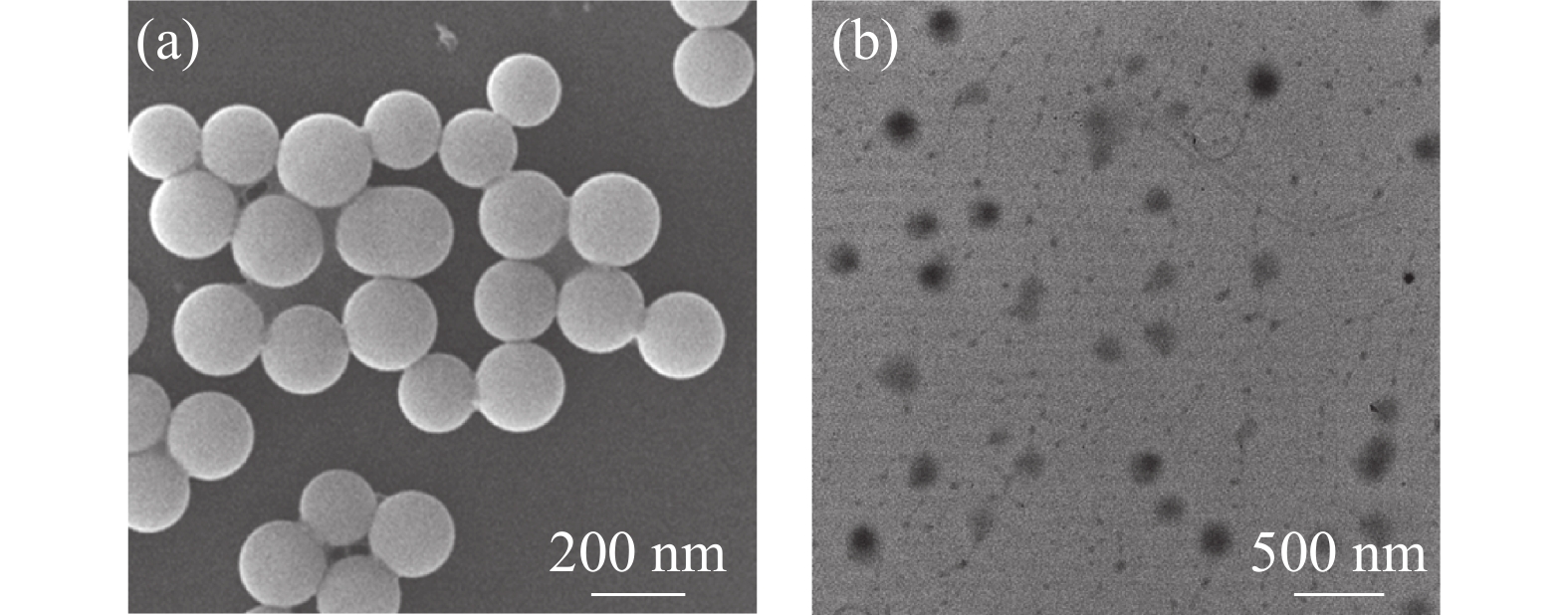
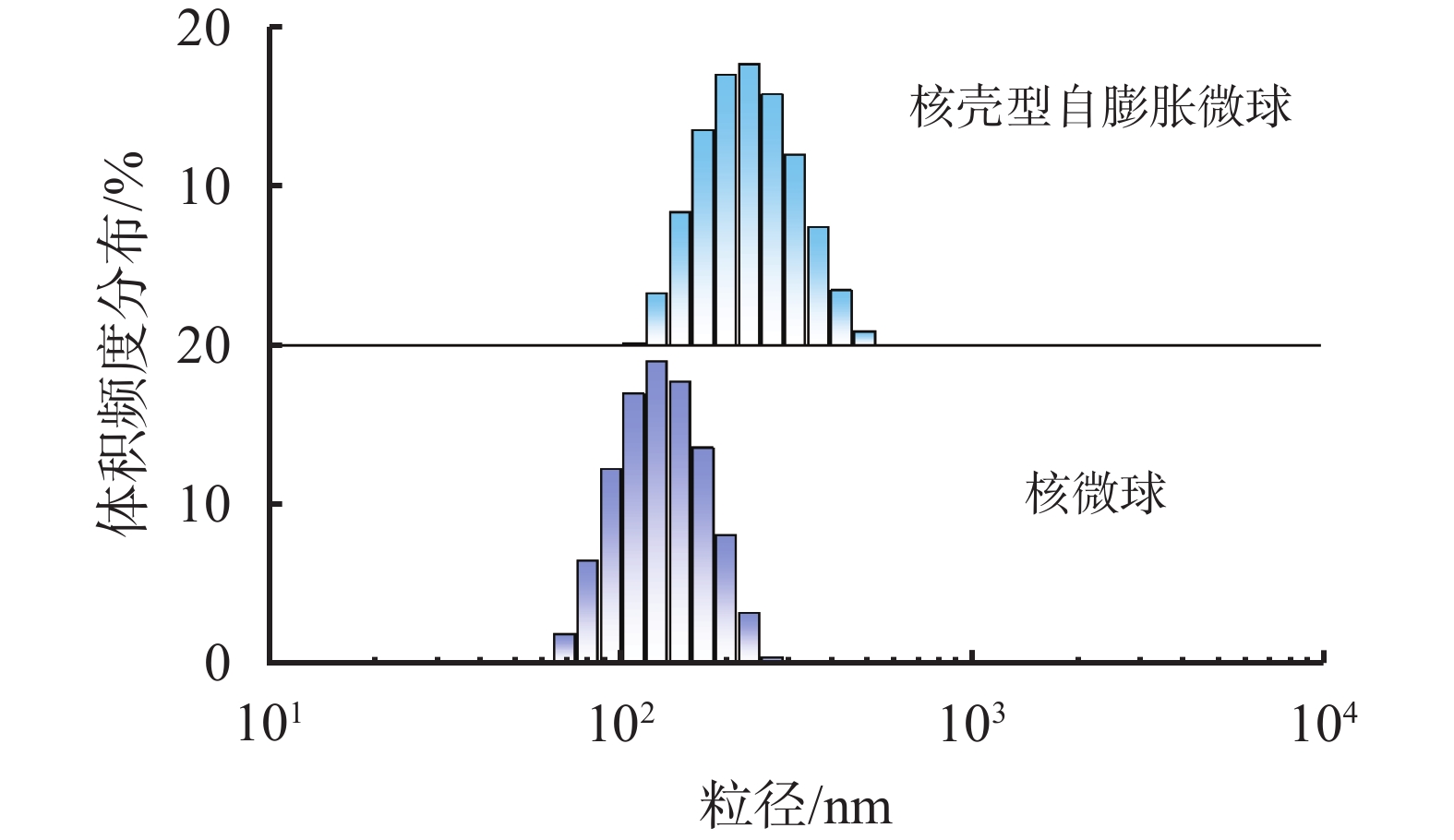
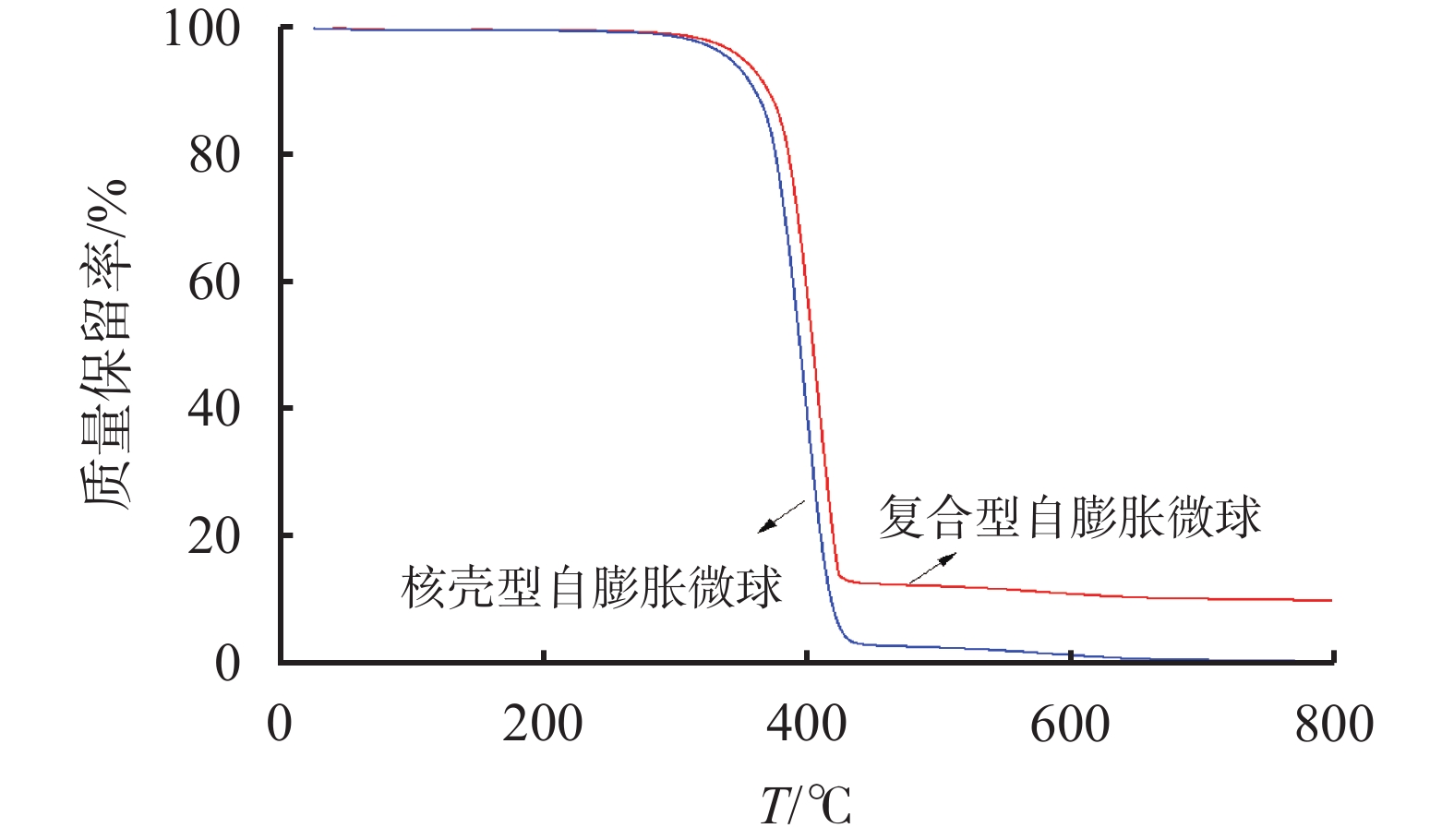
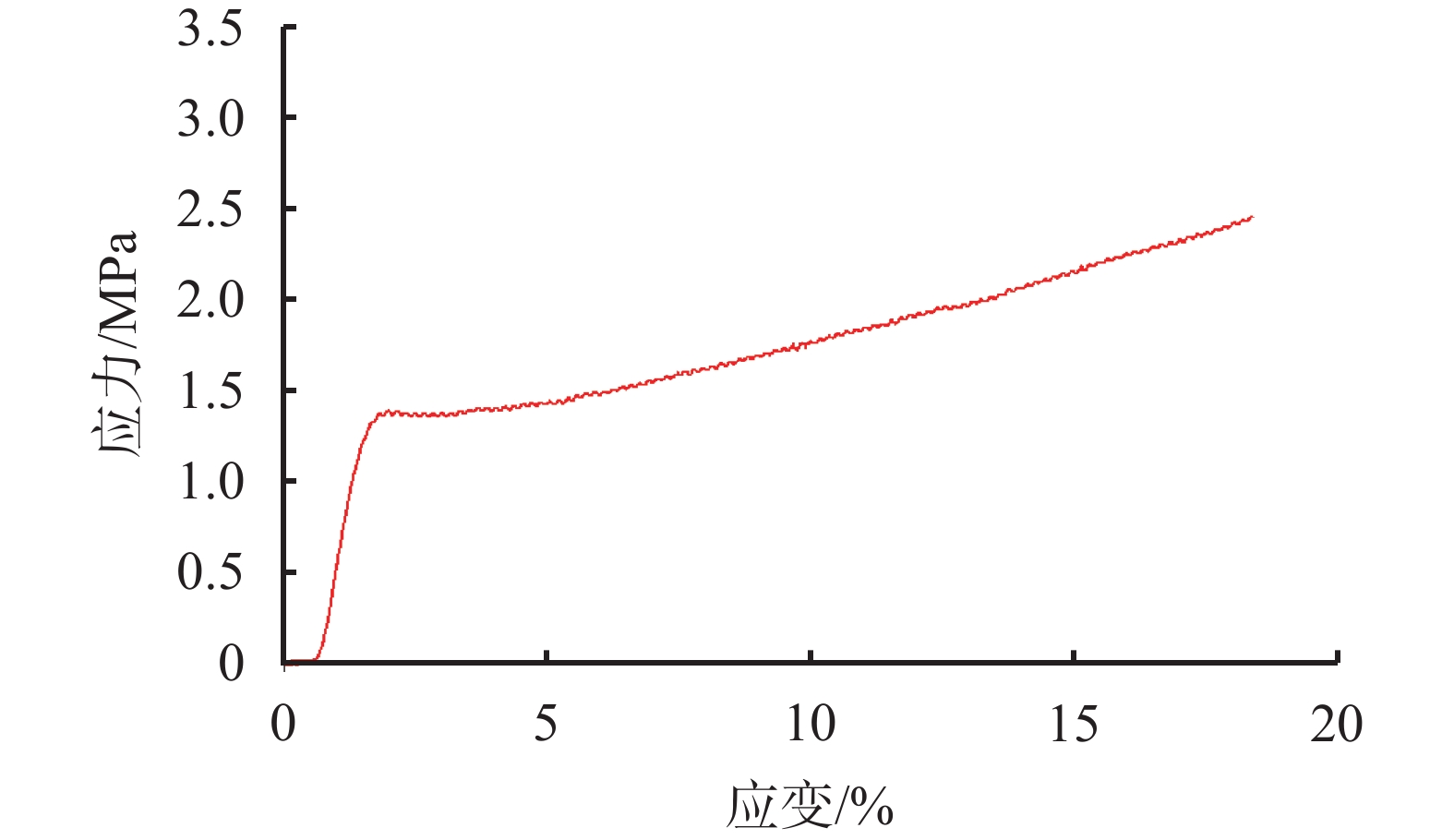
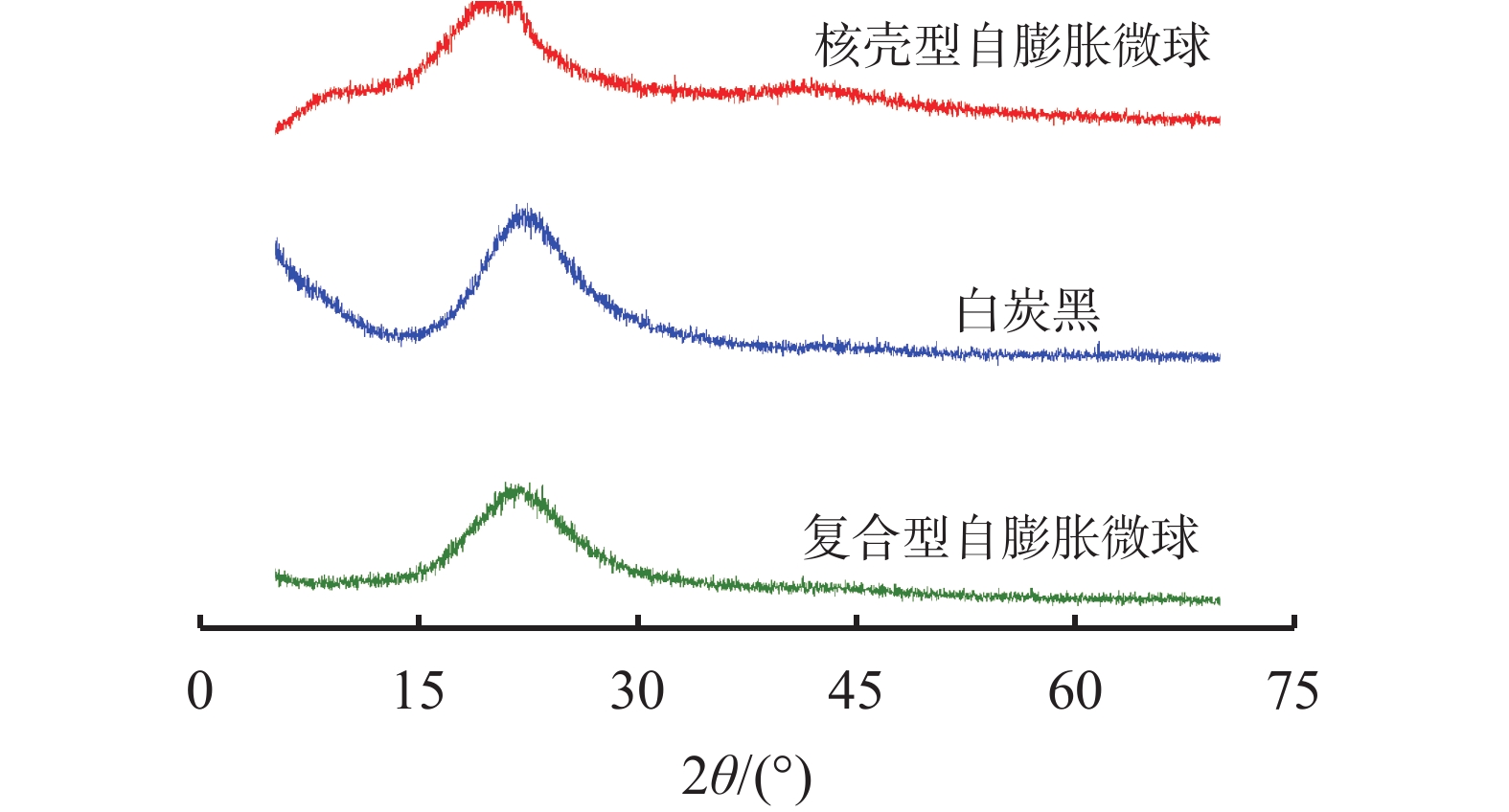
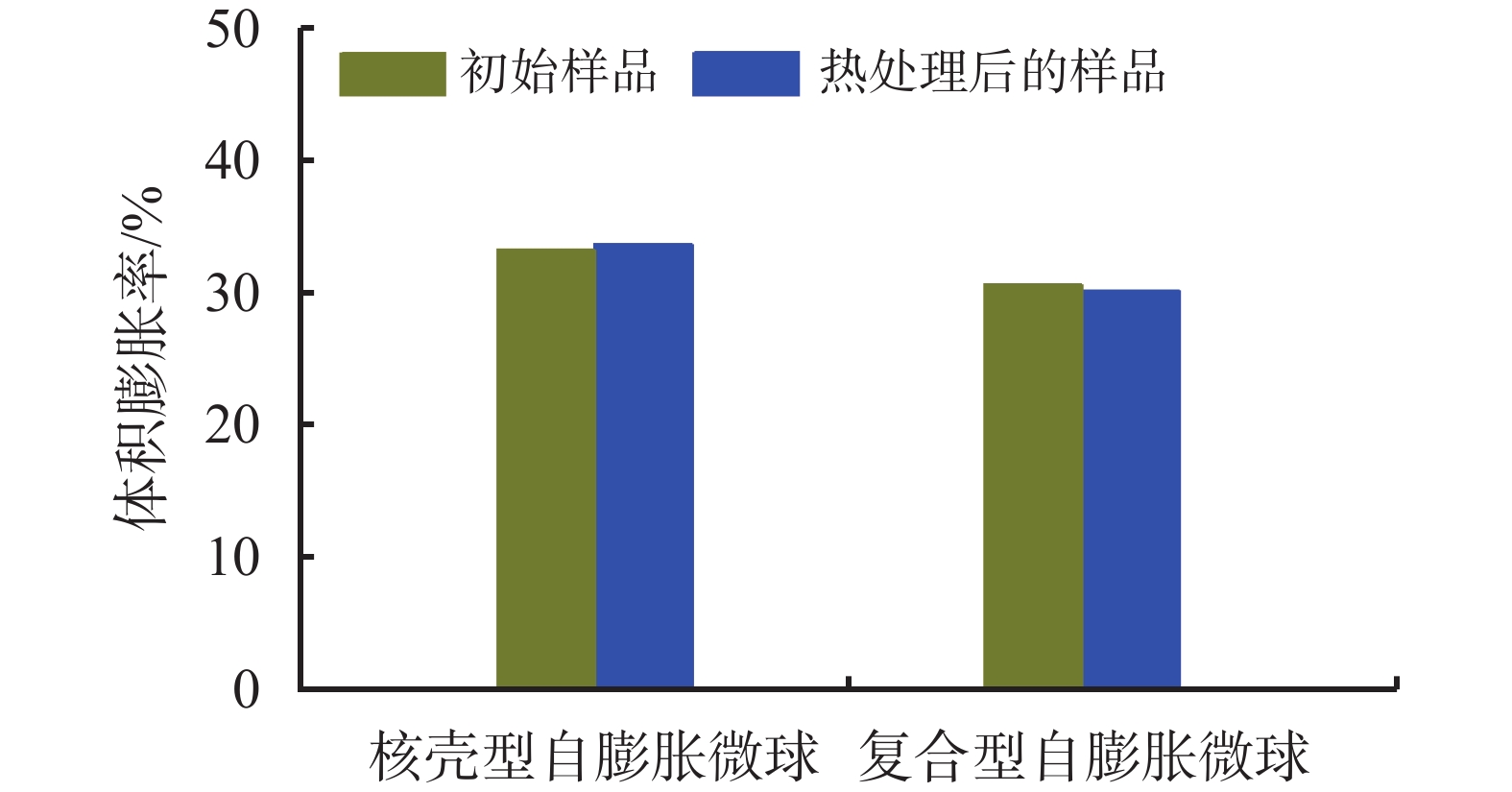
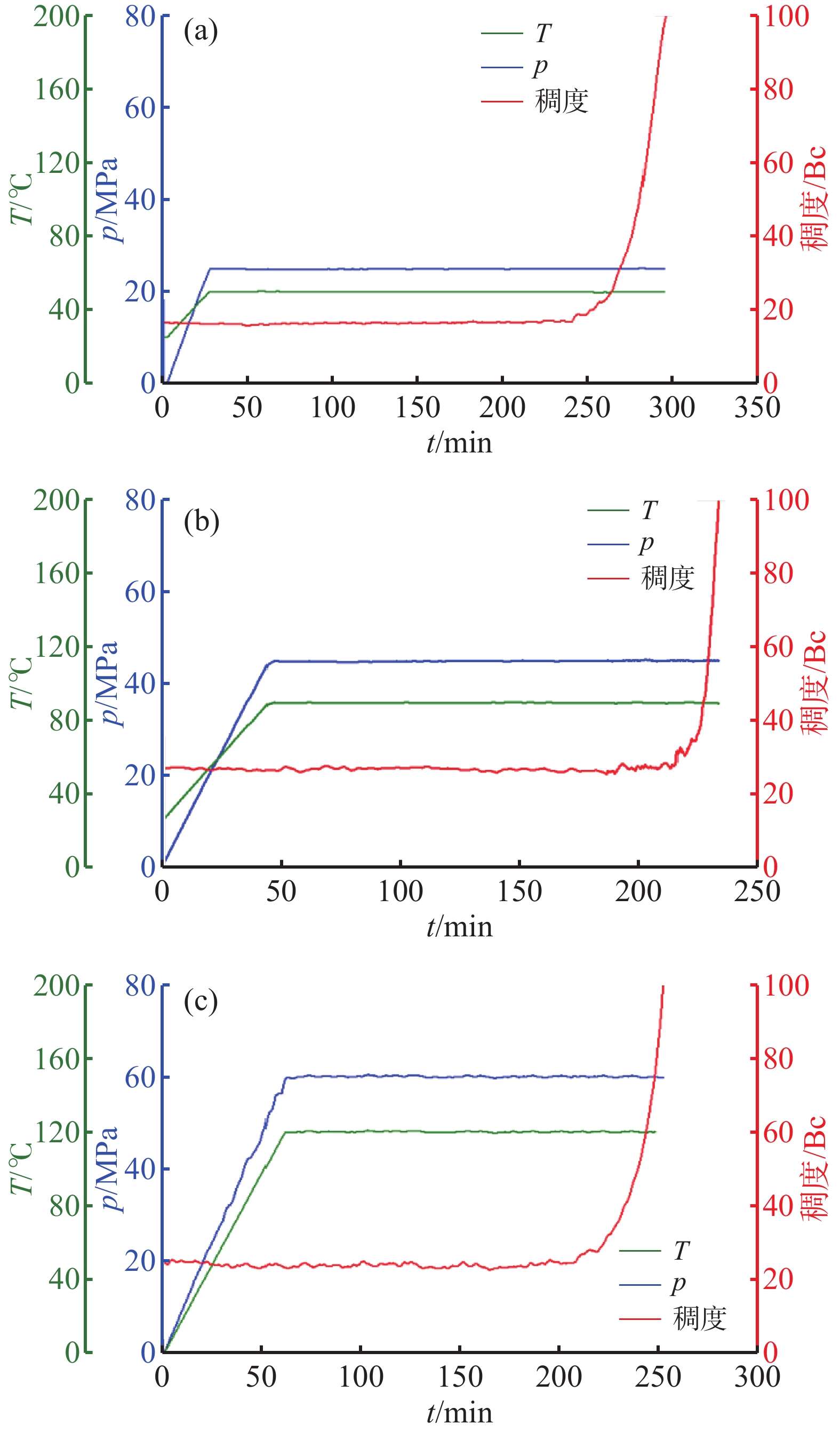
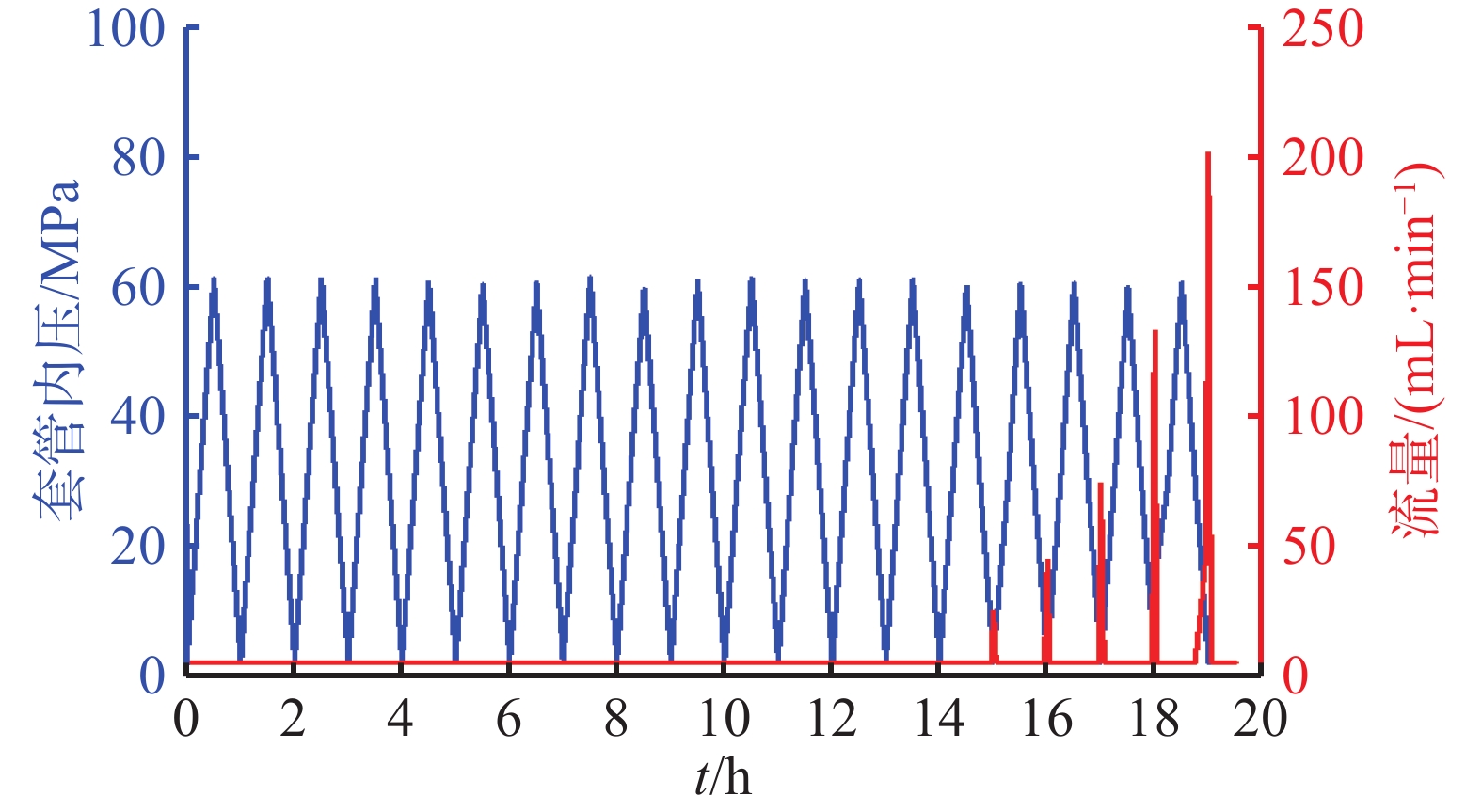
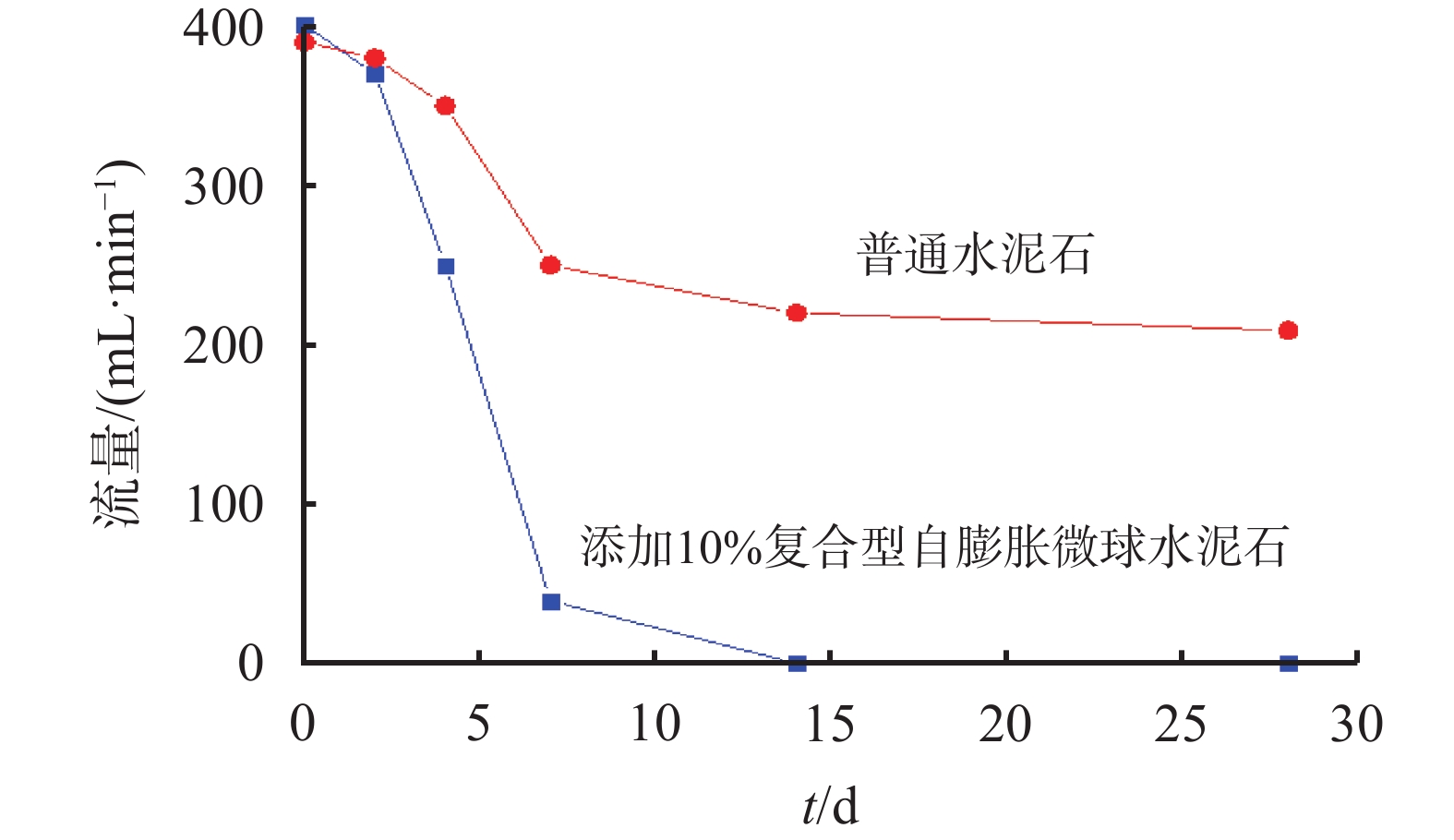
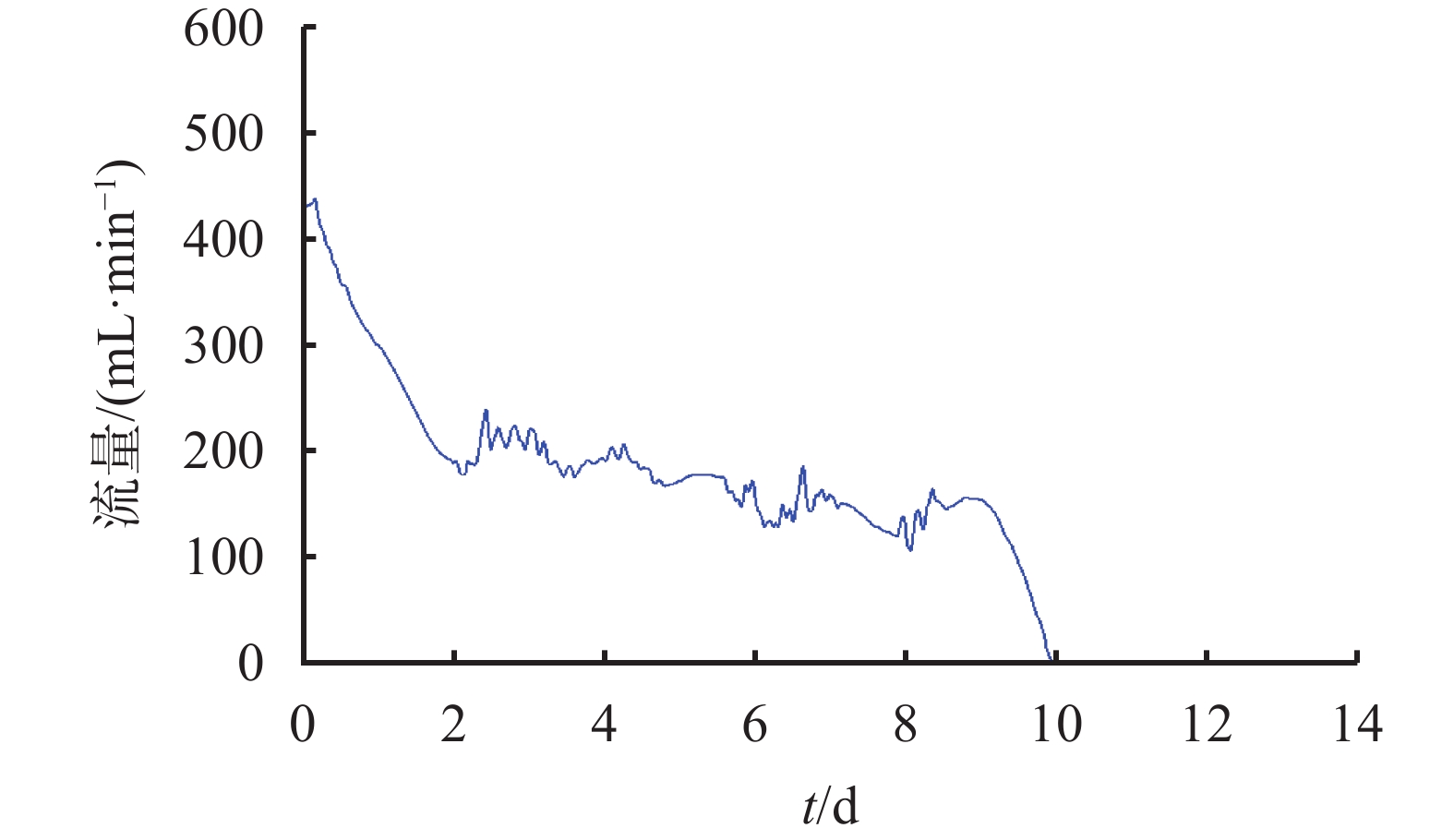
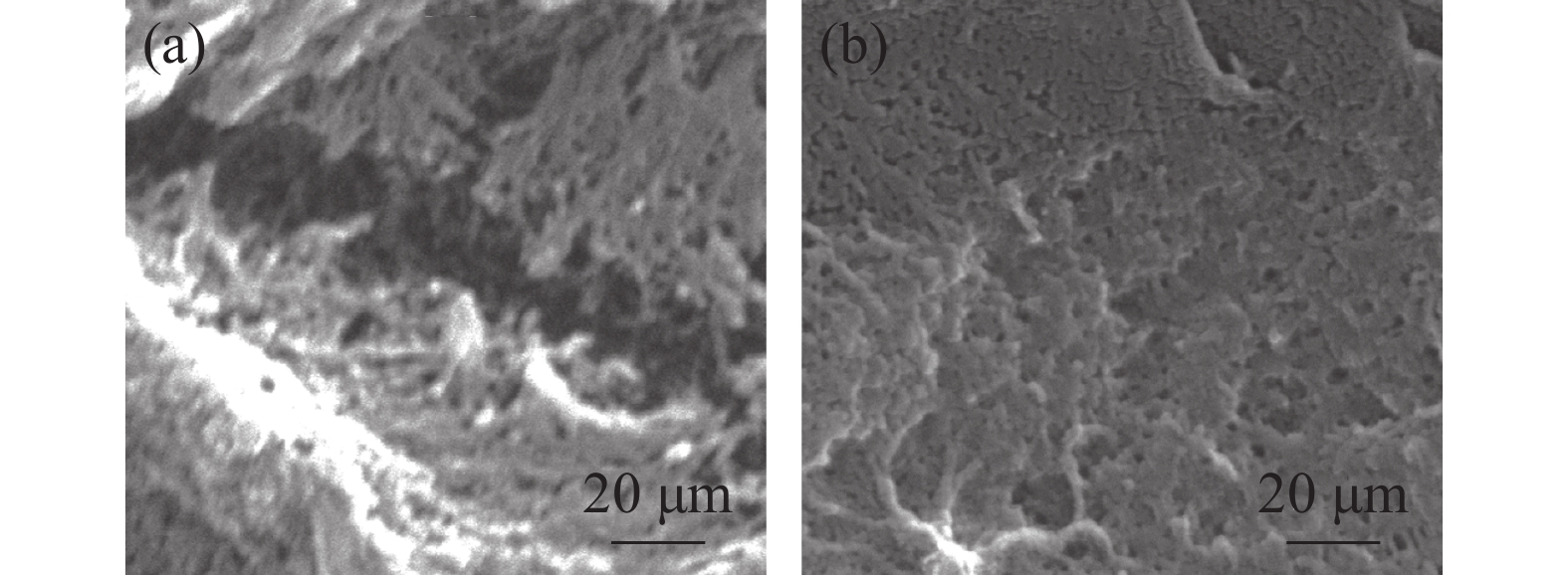
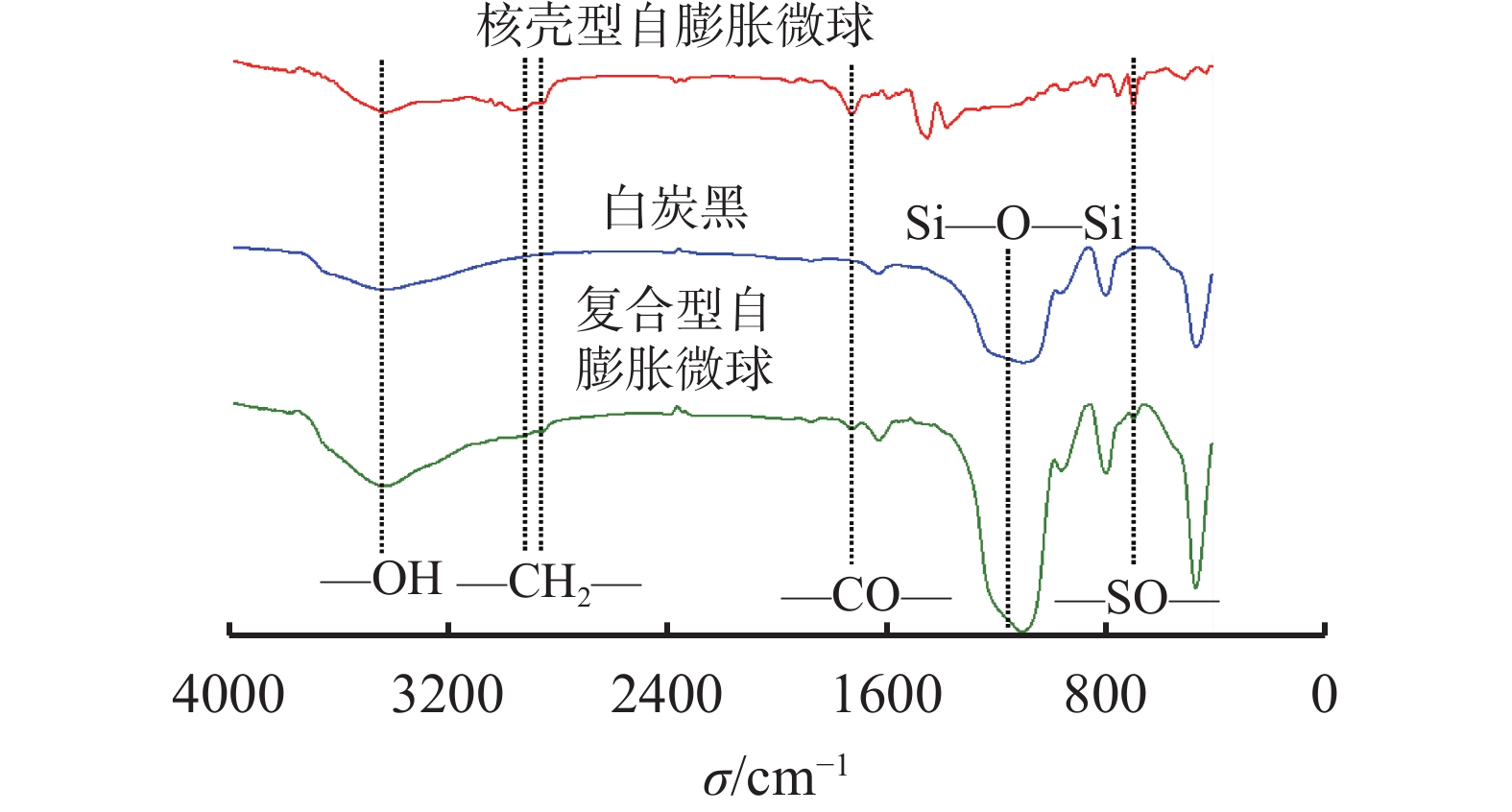
摘要: 针对页岩气井在固井、压裂后出现的微裂缝和微环隙,开展兼具弹性与甲烷触发响应的自膨胀型聚合物微球和弹性自愈合水泥浆体系实验研究。所开发的自膨胀型聚合物微球通过乳液聚合制备而成,具有“刚韧互补”的核壳型功能结构,且其壳层含有少量羧基与磺酸基,可突破传统自膨胀型聚合物材料在水泥浆内难以均匀分散的局限性。通过红外、粒径、Zeta电位、扫描电子显微镜综合表征了该微球的微观结构,评价了其耐热性和遇甲烷体积膨胀性。结果表明,所开发的核壳型自膨胀微球为近似球状的粒子,粒径在200 nm左右,表面带负电荷,热分解温度达300 ℃以上,但存在“热黏性”,高温处理再降温后将固化为块状物。将其与无机纳米粒子白炭黑复配可抑制“热黏性”,所得的复合型自膨胀微球在160 ℃处理24 h后仍保持粉末状,且其遇甲烷体积膨胀率在30%以上。该复合型自膨胀微球可配制出适用温度在50~120 ℃、弹性模量小于5.5 GPa的常规密度自愈合水泥浆,该水泥浆稠化曲线正常,失水量可控,可以满足固井需求。在憋压和气窜条件下,添加10%复合型自膨胀微球的水泥石遇甲烷自愈合性均可达100%。该水泥浆体系兼具弹性和遇甲烷自愈合性,为抑制页岩气井发生环空窜流等问题提供了新的解决方案。Abstract: To deal with Micro cracks and micro annular gap encountered in shale gas wells after cementing and hydraulic fracturing operations, experimental research was conducted on self-expanding polymer microspheres with both elasticity and methane-triggered response, as well as an elastic self-healing cement slurry. The self-expanding polymer microspheres are developed through emulsion polymerization, featuring a core-shell functional structure with “rigidity-toughness complementarity”. On the shell there exist a small amount of carboxyl and sulfonic acid groups which can overcome the limitations of conventional self-expanding polymers when required to uniformly disperse in a cement slurry. The microstructure of the self-expanding microspheres was comprehensively characterized using infrared spectroscopy, particle size measurement, Zeta potential measurement and scanning electron microscope, and the heat resistance and methane-triggered volume expansion of the polymer microspheres were evaluated. The experimental results show that the core-shell self-expanding microspheres are approximately spheric particles with particle sizes of around 200 nm, and are negatively charged on their surfaces. They have a thermal decomposition temperature exceeding 300 ℃; however, the microspheres exhibit “thermal viscosity”, and solidify into lumps after high-temperature treatment followed by cooling. Their “thermal viscosity” can be inhibited by compounding them with fumed silica, an inorganic nanoparticle, and the compounded self-expanding microspheres remain in a powder state after treatment at 160 ℃ for 24 hours, with a methane-triggered rate of volume expansion of over 30%. Using the compound self-expanding microspheres, a normal-density self-healing cement slurry with elastic modulus less than 5.5 GPa can be formulated for operations at temperatures between 50 ℃ and 120 ℃. This cement slurry exhibits a normal thickening curve and a controllable filter loss which meet the requirements of well cementing. Under both pressure-holding and gas-channeling conditions, the set cement containing 10% compound self-expanding microspheres exhibits 100% methane-triggered self-healing efficiency. The cement slurry formulated with the compound self-expanding microspheres has both elasticity and methane-triggered self-healing property, providing a novel solution for inhibiting annular fluid channeling in shale gas wells.
-
Key words:
- Core-shell structure /
- Elastic self-healing cement slurry /
- Well cementing /
- Shale gas
-
表 1 添加10%复合型自膨胀微球水泥浆的主要性能
水泥浆
体系ρ/
g·cm−3T/
℃初始稠度/
Bct稠化/
min游离液/
%FL/
mL1# 1.89 50 17 295 0 34 2# 1.88 90 27 233 0 38 3# 1.90 120 24 252 0 44  下载: 导出CSV
-
[1] 汪海阁, 乔磊, 杨雄, 等. 中石油页岩油气工程技术现状及发展建议[J]. 石油学报, 2024, 45(10): 1552-1564.WANG Haige, QIAO Lei, YANG Xiong, et al. Current status and development recommendations for CNPC's shale oil and gas engineering technology[J]. Acta Petrolei Sinica, 2024, 45(10): 1552-1564. [2] BU Y H, HOU X H, WANG C Y, et al. Effect of colloidal nanosilica on early-age compressive strength of oil well cement stone at low temperature[J]. Construction and Building Materials, 2018, 171: 690-696. doi: 10.1016/j.conbuildmat.2018.03.220 [3] 王胜翔, 张易航, 林枫, 等. 自愈合油井水泥研究进展[J]. 硅酸盐通报, 2020, 39(5): 1377-1383,1389.WANG Shengxiang, ZHANG Yihang, LIN Feng, et al. Review of self-healing oil-well cement[J]. Bulletin of the Chinese Ceramic Society, 2020, 39(5): 1377-1383,1389. [4] 杨炳祥, 刘浩亚, 魏浩光, 等. 自愈合水泥浆体系在四川地区的应用[J]. 钻井液与完井液, 2022, 39(1): 65-70.YANG Bingxiang, LIU Haoya, WEI Haoguang, et al. Application of autonomous healing cement slurry system in Sichuan[J]. Drilling Fluid & Completion Fluid, 2022, 39(1): 65-70. [5] ZHANG X, LIANG Y, HUANG S, et al. Chitosan-based self-healing hydrogel dressing for wound healing[J]. Advances in Colloid and Interface Science, 2024, 332: 103267. doi: 10.1016/j.cis.2024.103267 [6] NORAMBUENA-CONTRERAS J, GARCIA A. Self-healing of asphalt mixture by microwave and induction heating[J]. Materials & Design, 2016, 106: 404-414. doi: 10.1016/j.matdes.2016.05.095 [7] LU Z C, KONG X M, YANG R F, et al. Oil swellable polymer modified cement paste: expansion and crack healing upon oil absorption[J]. Construction and Building Materials, 2016, 114: 98-108. doi: 10.1016/j.conbuildmat.2016.03.163 [8] 徐亚琼, 刘建胜, 沈萌萌, 等. 丙烯酸系吸油树脂研究进展[J]. 山东化工, 2021, 50(19): 117-118,120.XU Yaqiong, LIU Jiansheng, SHEN Mengmeng, et al. Research progress of the oil-absorptive acrylic resin[J]. Shandong Chemical Industry, 2021, 50(19): 117-118,120. [9] 范杰. 微米级聚苯乙烯/聚丙烯酰胺核壳结构微球的合成与性能研究[D]. 长春: 吉林大学, 2020.FAN Jie. Synthesis and properties investigation of micron-sized polystyrene/polyacrylamide core-shell microspheres[D]. Changchun: Jilin University, 2020. [10] XI Z, ZHANG X, YANG C, et al. Inhibition of wax crystallization and asphaltene deposition by star poly (octadecyl acrylate‐styrene) (POA‐St) for African crude oil[J]. Journal of Applied Polymer Science, 2025, 142(17): e56793. doi: 10.1002/app.56793 [11] 南粉益. 丙烯酸系高性能吸油树脂的合成及性能研究[D]. 西安: 西安石油大学, 2010.NAN Fenyi. Study on synthesis and properties of high-performance acrylic oil-absorbing resins[D]. Xi'an: Xi`an Shiyou University, 2010. [12] 郭锦棠, 刘国庆, 李鹏鹏, 等. 环氧树脂乳液改性油井水泥的性能研究[J]. 天津大学学报, 2024, 57(7): 687-694. doi: 10.11784/tdxbz202305009GUO Jintang, LIU Guoqing, LI Pengpeng, et al. Properties of oil-well cement modified by epoxy resin emulsion[J]. Journal of Tianjin University Science and Technology, 2024, 57(7): 687-694. doi: 10.11784/tdxbz202305009 [13] 高继超, 段发鹏, 郑会锴, 等. 四川盆地太阳背斜浅层页岩气水平井固井技术[J]. 复杂油气藏, 2022, 15(1): 113-118. doi: 10.16181/j.cnki.fzyqc.2022.01.022GAO Jichao, DUAN Fapeng, ZHENG Huikai, et al. Cementing technology for shallow shale gas horizontal wells in Taiyang anticline of Sichuan basin[J]. Complex Hydrocarbon Reservoirs, 2022, 15(1): 113-118. doi: 10.16181/j.cnki.fzyqc.2022.01.022 -

 点击查看大图
图(12) / 表(2)
计量
- 文章访问数: 9
- HTML全文浏览量: 3
- PDF下载量: 2
- 被引次数: 0
